Uromastyx Types & Species: Ornate, Mali, Egyptian
Introduction
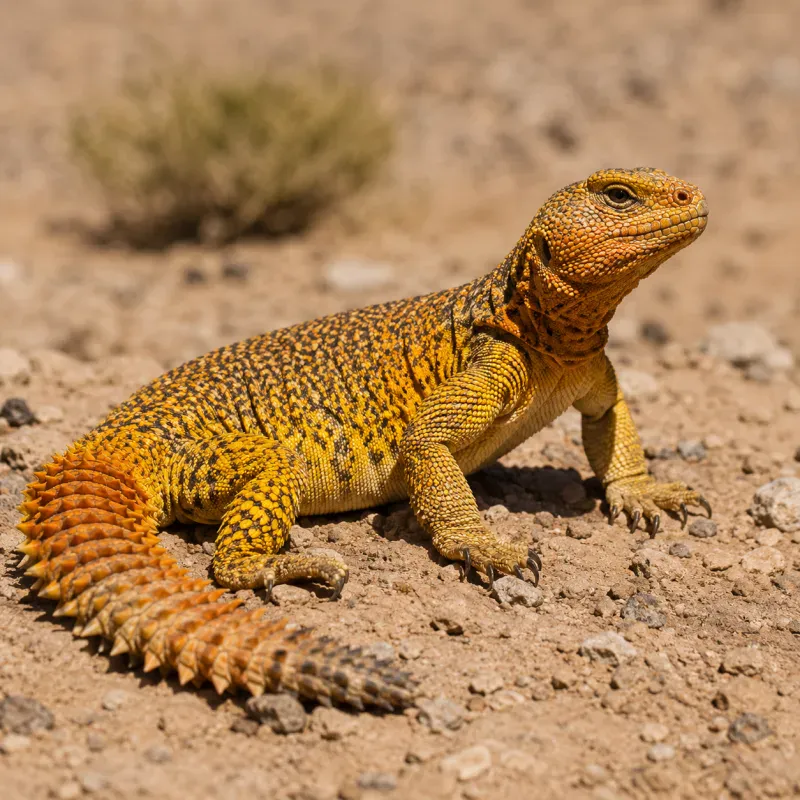
Uromastyx, commonly known as spiny-tailed lizards, are arid-dwelling herbivores native to North Africa and the Middle East. These hardy, intelligent lizards are increasingly popular in the reptile hobby due to their unique appearance and manageable size. However, not all Uromastyx are created equal. The five main species—ornate (Uromastyx ornata), Mali (Uromastyx geyri), Egyptian (Uromastyx aegyptia), Saharan (Uromastyx geyri—often considered a variant), and ocellated (Uromastyx ocellata)—have distinct care requirements based on their natural locales. This guide covers the key differences and provides evidence-based care recommendations for each.
Uromastyx types at a glance:
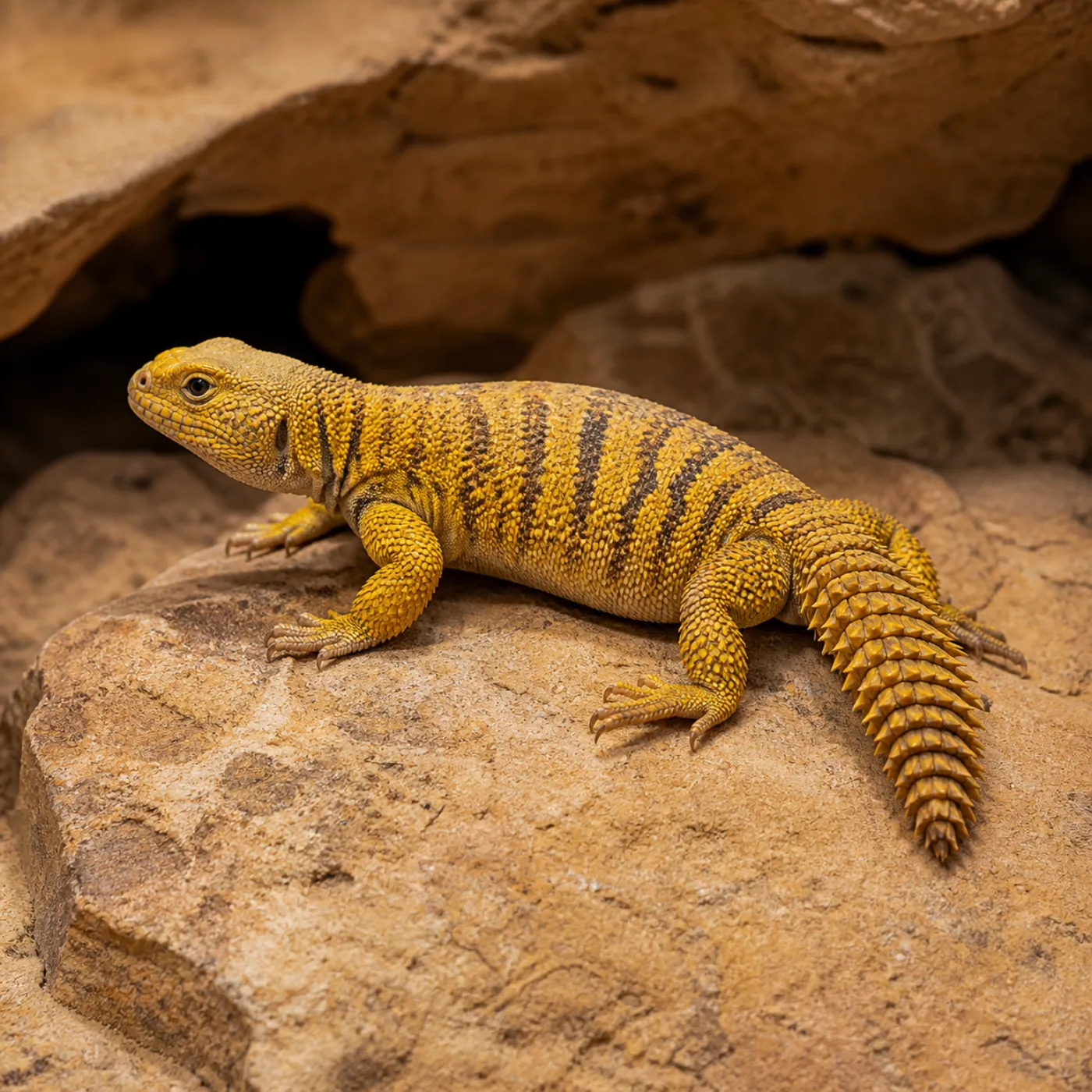
- Mali (U. geyri) — 10–14 in, most docile, best first uromastyx
- Saharan (U. geyri variant) — 10–14 in, skittish, driest setup
- Ornate (U. ornata) — 12–16 in, nervous, more seeds in the diet
- Ocellated (U. ocellata) — 12–16 in, eye-spot markings
- Egyptian (U. aegyptia) — 24–30 in, confident, needs the largest enclosure
Size, heat and humidity side by side: uromastyx types comparison table.
 Mali | 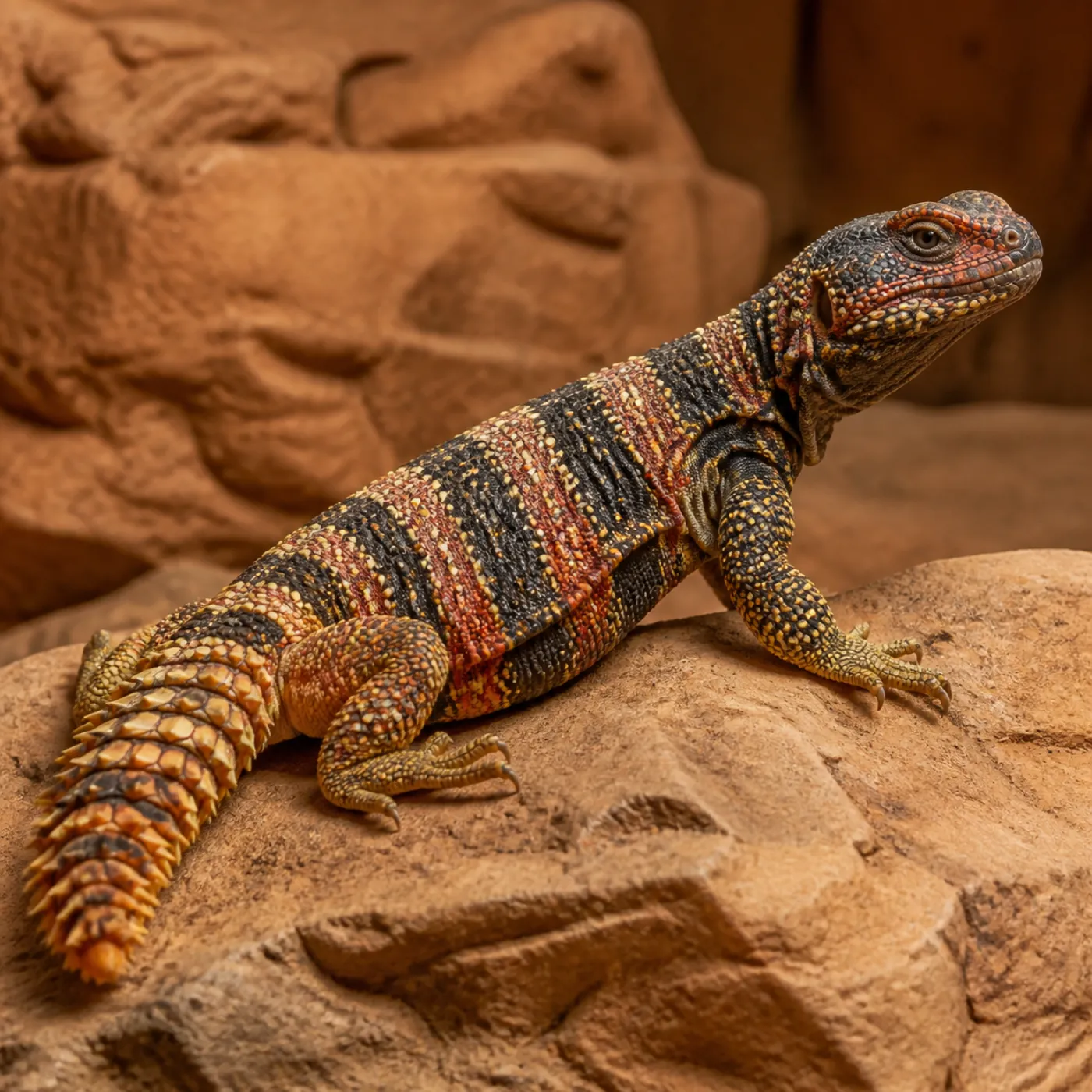 Ornate | 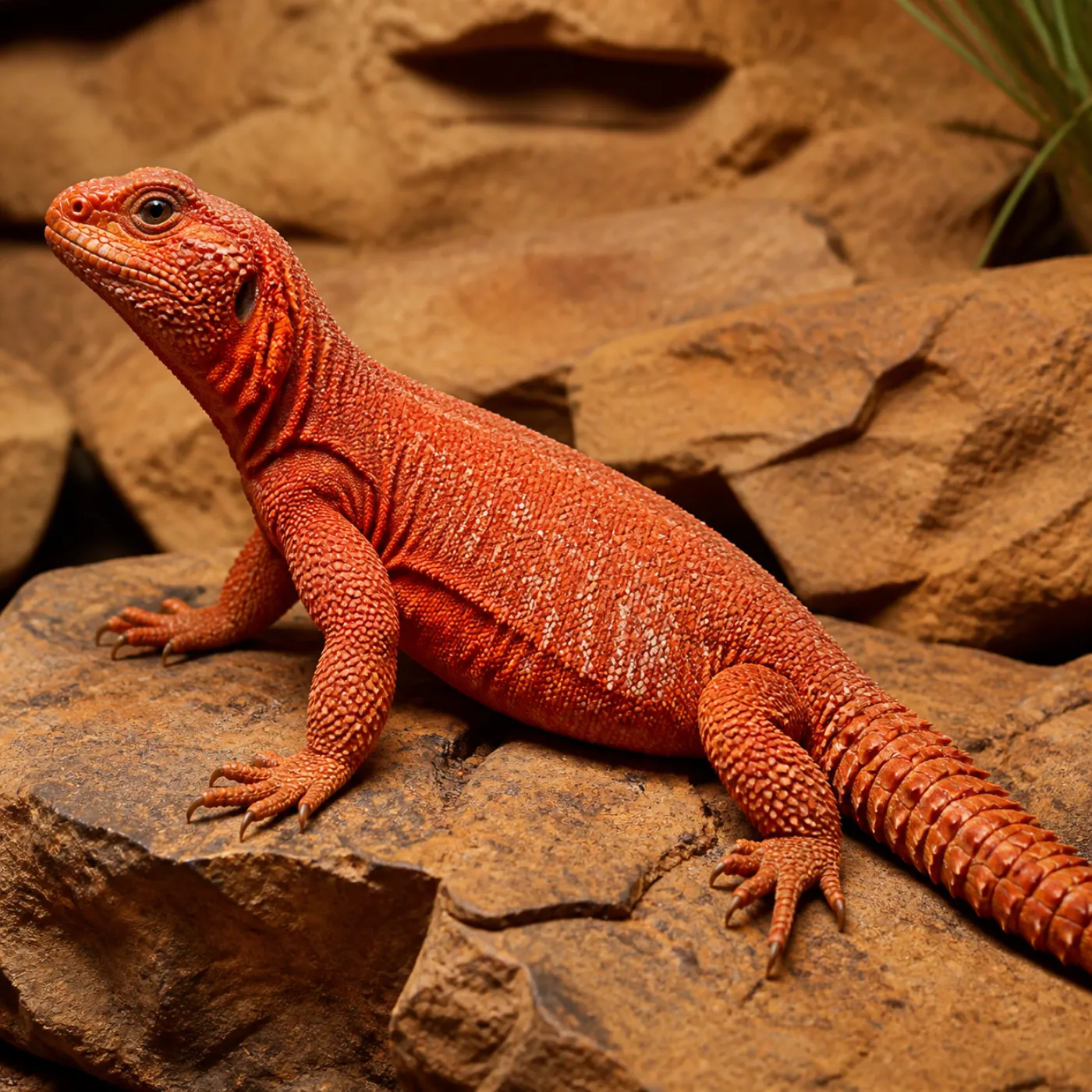 Red |
Types of Uromastyx at a Glance
Five species and forms make up almost everything sold in the trade. Size and basking temperature are the fastest way to tell them apart; the full comparison table, with diet and humidity, is further down the page.
| Type | Adult size | Basking | Character |
|---|---|---|---|
| Mali (U. geyri) | 10–14 in | 120–130°F | Docile — the usual beginner recommendation |
| Ornate (U. ornata) | 12–16 in | 120–125°F | Nervous, more seeds in the diet |
| Ocellated (U. ocellata) | 12–16 in | 120–125°F | Nervous, spotted pattern |
| Saharan (U. geyri variant) | 10–14 in | 120–125°F | Skittish, drier setup |
| Egyptian (U. aegyptia) | 24–30 in | 130–135°F | Confident and large — needs a bigger build |
Whichever you pick, the thermal target matters most: the uromastyx temperature guide covers how to build and measure a 120–130°F basking surface.
Enclosure Setup
All Uromastyx require a spacious, arid enclosure. A single adult needs at least a 4'x2'x2' (120x60x60 cm) enclosure, though larger is always better. Egyptian Uromastyx, which can reach 30 inches (76 cm), require a 6'x2'x2' or larger. For ornate, Mali, and ocellated species, a 4'x2'x2' is sufficient for one adult, but breeding pairs need more space.
Choosing the Right Enclosure Type
Glass terrariums with front-opening doors are popular, but you must ensure adequate ventilation. A screen top is essential for heat and UVB penetration. PVC or wooden vivariums hold heat better, but ensure they are well-sealed to prevent moisture buildup. For Egyptian Uromastyx, consider a custom-built enclosure with a larger footprint (e.g., 6'x2'x2' or larger) to accommodate their size.
Substrate
Use a mix of 50% washed play sand and 50% organic topsoil (no additives) to a depth of 4–6 inches (10–15 cm). This allows burrowing, which is essential for thermoregulation and security. Avoid calci-sand or reptile carpet, as they can cause impaction or harbor bacteria. Step-by-step substrate preparation:
- Mix equal parts washed play sand and organic topsoil in a large container.
- Moisten slightly with water to reduce dust, but ensure it dries quickly.
- Spread evenly in the enclosure to a depth of 4–6 inches.
- Spot-clean daily and replace the entire substrate every 3–4 months.
Troubleshooting: If your uromastyx is digging excessively, it may be stressed or the substrate is too dry. Provide a humid hide (with damp sphagnum moss) during shedding, but remove it once shedding is complete to avoid raising humidity.
Furniture
Provide multiple rock piles, slate basking platforms, and large cork bark tubes or half-logs. These create microclimates and hiding spots. Egyptian Uromastyx are more terrestrial and appreciate flat rocks for basking, while ornate and ocellated species climb more—add sturdy branches or ledges. Ensure all furniture is stable to prevent collapse.
Step-by-Step Enclosure Setup for a New Uromastyx
Setting up a new enclosure properly is critical for your uromastyx's health. Follow these steps in order:
- Choose the right size based on species (see the species comparison table for adult sizes). For example, a 4'x2'x2' for ornate, Mali, or ocellated; 6'x2'x2' or larger for Egyptian.
- Place the enclosure in a quiet, draft-free area away from direct sunlight and high-traffic zones to reduce stress.
- Install the substrate (50/50 sand/topsoil mix) to a depth of 4–6 inches.
- Arrange furniture: place rock piles and basking platforms on the warm side, and cork bark tubes/hides on the cool side.
- Set up heating: install a halogen flood bulb for basking on one side, connected to a dimming thermostat. Position the basking spot so it reaches the target temperature for your species.
- Install UVB: mount a linear T5 HO UVB bulb (10.0 or 12%) spanning at least half the enclosure, positioned 10–12 inches above the basking spot.
- Add a water dish on the cool side, and a digital thermometer/hygrometer to monitor conditions.
- Let the enclosure run for 24–48 hours to stabilize temperatures and humidity before introducing your uromastyx.
This step-by-step approach ensures all elements work together, reducing the risk of health issues from improper setup.
Heating and Lighting
Uromastyx are heliothermic (sun-basking) lizards and require intense heat and UVB.
Basking Temperature
All species need a basking surface temperature of 120–130°F (49–54°C) measured with an infrared thermometer. The cool side should be 85–90°F (29–32°C). Nighttime temps can drop to 70–75°F (21–24°C). Egyptian Uromastyx, from hotter regions, may tolerate slightly higher basking temps (130–135°F), while Saharan and ornate prefer the lower end of the range.
Measuring basking temperature: Use a digital infrared thermometer to measure the surface temperature of the basking spot. Place the probe directly on the basking surface and wait for a stable reading. Avoid using stick-on thermometers, which measure ambient air, not surface temps.
Heating equipment: Use a halogen flood bulb or a ceramic heat emitter (CHE) for nighttime heat if needed. A dimming thermostat is recommended to maintain precise temps and prevent overheating. Comparison table of heating options:
| Heat Source | Pros | Cons | Best For |
|---|---|---|---|
| Halogen flood bulb | Provides intense basking heat | May dry out enclosure quickly | Daytime basking |
| Ceramic heat emitter | Long-lasting, no light | Does not provide UVB | Nighttime heat |
| Mercury vapor bulb | Provides heat and UVB | Can be too intense for small enclosures | Large enclosures |
UVB Lighting
Use a linear T5 HO UVB bulb (10.0 or 12%) spanning at least half the enclosure. Replace every 6–12 months. UVB is critical for vitamin D3 synthesis and calcium metabolism. Without it, metabolic bone disease is inevitable. Place the bulb 10–12 inches above the basking spot, with no glass or plastic blocking the rays.
Photoperiod
Provide 12–14 hours of light daily. Use a timer to maintain consistency. During winter, you can reduce to 10–12 hours to simulate seasonal changes, but avoid drastic fluctuations.
Troubleshooting Heating and Lighting Issues
Even with the right equipment, problems can arise. Here are common issues and solutions:
- Basking spot too cool: Check the wattage of your halogen bulb—increase to a higher wattage or move the bulb closer (but not below 10 inches from the basking spot).
- Basking spot too hot: Use a dimming thermostat to reduce output, or raise the bulb higher. Never use an on/off thermostat with a halogen bulb, as it can shorten bulb life.
- UVB bulb not working: Replace every 6–12 months even if it still emits light—UVB output diminishes over time. Use a UVB meter if possible.
- Temperature gradients unstable: Ensure the enclosure is in a room with stable ambient temps. Avoid placing near air vents or drafty windows.
- Night temps dropping too low: Use a ceramic heat emitter connected to a thermostat set to 70–75°F.
Regularly monitor temperatures with a digital thermometer and adjust as needed.
Humidity and Hydration
Uromastyx are desert specialists and require low humidity (20–35%). Egyptian and Saharan species tolerate even lower (15–20%) due to their hyper-arid habitats. Ornate and ocellated species, from slightly more mesic regions, can handle 30–40% but not consistently above 50%.
Provide a shallow water dish with fresh water daily, but don't mist the enclosure. Instead, offer hydration through soaked greens (see diet). Signs of dehydration include sunken eyes, wrinkled skin, and lethargy. If you notice these, increase the frequency of soaked greens and check water dish availability.
Monitoring humidity: Use a digital hygrometer placed on the cool side. If humidity is too high, improve ventilation by adding more screen mesh or reducing the size of water dish. If too low, you can place a small dish of water on the warm side to evaporate, but do not mist.
Seasonal Humidity Adjustments
While uromastyx need consistently low humidity, you may need to adjust slightly with the seasons:
- Summer: In many climates, summer humidity is higher. Monitor closely—if your enclosure exceeds 40% for ornate/ocellated or 30% for others, increase ventilation by opening more screen mesh or using a small fan on low near the enclosure (but not directly on the lizard).
- Winter: Indoor heating can dry the air, potentially dropping humidity below 20%. This is usually fine, but if you notice signs of dehydration (sunken eyes, wrinkled skin), increase the frequency of soaked greens and ensure the water dish is always full.
- Shedding season: Uromastyx shed in patches. During shedding, you may provide a humid hide with damp sphagnum moss, but only for a few days, then remove it. Never mist the entire enclosure.
Always use a digital hygrometer to track humidity, and adjust based on your species' specific range.
Diet and Feeding
Uromastyx are strict herbivores. Their diet should be 80–90% dark leafy greens and vegetables, with 10–20% seeds, lentils, and occasional fruit.
Staples
- Collard greens, mustard greens, dandelion greens, endive, escarole, turnip greens
- Butternut squash (shredded), pumpkin, bell peppers, okra
- Lentils, millet, birdseed (soaked overnight)
- Occasional fruit: berries, mango, papaya (once a month)
Preparing food: Wash all produce thoroughly. Chop greens into bite-sized pieces. Shred hard vegetables like squash. Soak seeds and lentils overnight to soften them. Mix ingredients to provide variety.
Feeding Schedule
Juveniles (under 1 year): daily feeding. Adults: every other day. Offer a variety; avoid spinach, kale (high oxalates), and iceberg lettuce. Dust with calcium powder (without D3) 2–3 times per week. For juveniles, dust daily.
Feeding tips: Place food in a shallow dish or on a flat rock. Remove uneaten food after 24 hours to prevent spoilage. Monitor weight regularly to adjust portions—obesity can lead to health issues.
Species-Specific Notes
- Egyptian Uromastyx: Require more fiber; add hay or dried grasses to their diet.
- Ornate and Ocellated: May eat more seeds; offer a small dish of mixed seeds (millet, quinoa, flax) weekly.
- Mali and Saharan: Thrive on standard greens; avoid high-moisture foods like cucumber.
Sample Weekly Feeding Plan
To simplify feeding, here's a sample weekly plan for an adult uromastyx (adjust portions based on size and appetite):
| Day | Food Offerings | Notes |
|---|---|---|
| Monday | Collard greens, shredded butternut squash, soaked lentils | Dust with calcium (no D3) |
| Tuesday | No food (adults feed every other day) | Ensure water dish is full |
| Wednesday | Mustard greens, bell pepper slices, small amount of millet | Dust with calcium |
| Thursday | No food | Clean enclosure, spot-check |
| Friday | Dandelion greens, okra, a few soaked birdseed | Dust with calcium |
| Saturday | No food | Check weight weekly |
| Sunday | Endive, shredded pumpkin, occasional fruit (once a month) | No calcium dust |
This plan provides variety and meets the 80–90% greens/vegetables and 10–20% seeds/lentils ratio. Adjust based on your lizard's preferences and species-specific notes (e.g., add hay for Egyptians).
Handling and Temperament
Uromastyx are generally docile but can be skittish. Handle them gently and support their body. Never grab the tail—they can drop it (autotomy), though it regrows poorly. Start with short sessions (5–10 minutes) and increase gradually. Egyptian Uromastyx tend to be more confident, while ornate and ocellated are more nervous. Mali and Saharan are intermediate.
Step-by-step taming:
- Allow your uromastyx to settle in for at least 1 week without handling.
- Place your hand flat in the enclosure for 5 minutes daily to let them get used to your scent.
- Gently scoop them up from below, supporting the body and feet.
- Keep sessions short at first (5–10 minutes) and gradually increase.
- Always handle over a soft surface or low to the ground to prevent injury if they jump.
Signs of stress: tail wagging, hissing, puffing up, trying to escape. If observed, return the lizard to its enclosure. Never force handling—respect their boundaries.
Handling by Species: What to Expect
Different species have distinct temperaments, so adjust your handling approach accordingly:
- Egyptian: More confident and less likely to bolt. They may tolerate longer sessions (10–15 minutes) sooner. However, their larger size means you need two hands for support.
- Mali and Saharan: Intermediate. They may tolerate handling but can be skittish if startled. Use slow, deliberate movements.
- Ornate and Ocellated: More nervous. They may try to escape or tail-wag more frequently. Keep sessions very short (5 minutes) and always handle over a soft surface. Patience is key—they may take weeks to become comfortable.
Always watch for stress signals and never force interaction. Each lizard is an individual, so adapt to their pace.
Common Health Issues
Uromastyx are hardy but prone to several issues:
- Metabolic Bone Disease (MBD): Caused by insufficient UVB or calcium. Symptoms: soft jaw, tremors, limb deformities. Prevent with proper lighting and supplementation.
- Respiratory Infections: From high humidity or low temps. Signs: wheezing, nasal discharge, open-mouth breathing. Treat with vet-prescribed antibiotics.
- Parasites: Pinworms and coccidia are common. Regular fecal exams are recommended.
- Impaction: From loose substrate ingestion. Ensure proper temperature gradient and avoid feeding on substrate.
- Tail Loss: From rough handling or fights. Keep enclosure secure and handle gently.
When to see a vet: If you notice any of these symptoms, consult a reptile veterinarian immediately. Regular check-ups every 6–12 months are recommended, including fecal exams.
Troubleshooting Common Health Concerns
Here are quick troubleshooting steps for common issues:
- Lethargy: Check basking temperature (should be 120–130°F for most species) and UVB bulb age. If temps are correct and UVB is fresh, consider a vet visit to rule out parasites or illness.
- Loss of appetite: Ensure the enclosure is not too cold (cool side should be 85–90°F). Offer a variety of foods—sometimes they get bored. If it lasts more than a week, see a vet.
- Soft jaw or tremors: These are signs of MBD. Immediately check UVB and calcium supplementation. Provide calcium powder (without D3) 2–3 times per week for adults, daily for juveniles, and replace UVB bulb if older than 6–12 months.
- Wheezing or nasal discharge: Likely a respiratory infection from high humidity or low temps. Increase ventilation, ensure temps are in range, and take to a vet for antibiotics.
- Constipation or impaction: Ensure proper temperature gradient (warm side for digestion) and avoid feeding on substrate. If suspected, soak the lizard in shallow warm water (85°F) for 10–15 minutes, and consult a vet if no improvement.
Always monitor your uromastyx daily for any changes in behavior, appetite, or appearance.
Avoid These Errors
- Too much humidity: Mist enclosures or use humid hides—Uromastyx cannot tolerate high moisture.
- Incorrect temperatures: Basking spots below 110°F cause digestive issues.
- Feeding animal protein: Insects or meat can cause kidney failure; stick to plants.
- Small enclosures: These active lizards need space to thermoregulate and exercise.
- Neglecting UVB: Without UVB, they cannot synthesize vitamin D3, leading to MBD.
- Using loose substrate without proper depth: Too shallow prevents burrowing, causing stress.
- Handling too soon: Stress can lead to illness; give new lizards time to acclimate.
Types of Uromastyx: Comparison Table
| Species | Adult Size | Basking Temp | Humidity | Diet Notes | Temperament |
|---|---|---|---|---|---|
| Ornate (U. ornata) | 12–16 inches | 120–125°F | 30–40% | More seeds | Nervous |
| Mali (U. geyri) | 10–14 inches | 120–130°F | 20–30% | Standard greens | Docile |
| Egyptian (U. aegyptia) | 24–30 inches | 130–135°F | 15–20% | High fiber | Confident |
| Saharan (U. geyri variant) | 10–14 inches | 120–125°F | 15–25% | Low moisture | Skittish |
| Ocellated (U. ocellata) | 12–16 inches | 120–125°F | 30–40% | More seeds | Nervous |
Uromastyx Color Morphs & Varieties
Uromastyx are not sold by single-gene morphs like ball pythons or leopard geckos. Instead, their color forms are tied to their geographic locale (where they originate in the wild) and further refined through selective line-breeding. This means you'll see names like "Moroccan red" or "Mali yellow" that refer to the typical coloration of wild populations from those regions. Over generations, breeders have enhanced these natural colors to produce striking "high red" or "high yellow" lines, but the genetics are polygenic—multiple genes influence the final hue—so outcomes can vary even within a single clutch.
The most common color forms you'll encounter in the hobby include:
- Moroccan (red/orange): These are often the most vividly colored, with fiery reds, oranges, and even tangerine tones. They are line-bred for intensity.
- Mali (yellow): Typically bright yellow to golden, sometimes with a greenish tint. Nigerian Uromastyx are similar but may show more orange.
- Egyptian (orange): These are much larger and usually duller in color—often olive, brown, or muted orange—but some line-bred individuals show brighter orange.
- Ornate and Ocellated: These species have more varied patterns (spots, bands) and can be blue, green, yellow, or even red, depending on the locale.
How Colors Are Produced
Unlike recessive or dominant morphs in snakes, Uromastyx colors are the result of selective breeding for desirable traits. Breeders choose pairing based on the parents' color intensity, pattern, and locality. For example, a "high red" Moroccan line is produced by breeding the reddest individuals together for multiple generations. This doesn't create a new gene; it simply concentrates the existing genetic potential for red pigment. As a result, two "high red" parents can still produce a less colorful offspring, though the odds favor intense color.
It's also worth noting that environmental factors—like temperature during incubation, UVB exposure, and diet—can slightly influence how bright a uromastyx appears. A well-maintained uromastyx with proper lighting will always show its best color.
| Locale | Color Form | Notes |
|---|---|---|
| Moroccan | Red/Orange | Vivid reds and oranges; often line-bred for intensity. |
| Mali | Yellow | Bright yellow to golden; may show greenish tint. |
| Nigerian | Yellow/Orange | Similar to Mali but often with more orange tones. |
| Egyptian | Orange/Olive | Larger species; usually muted, but some line-bred show brighter orange. |
| Ornate | Blue/Green/Yellow | Patterned with spots/bands; color varies by locale. |
| Ocellated | Red/Orange/Yellow | Often have ocelli (eye-like spots); colors vary. |
| Sudanese | Yellow/Red | Less common; similar to Mali but with distinct patterns. |
| High Red (line-bred) | Red/Orange | Not a locale but a selective breeding result from Moroccan or other red locales. |
Choosing a Color Form
When selecting a uromastyx, remember that color is not a species indicator—it's a locale and line-bred trait. Always ask the breeder for the exact locality and any lineage information. Some sellers may use terms like "super red" or "tangerine," but these are marketing labels, not scientific morphs. The most important thing is that the animal is healthy and well-started. A duller-colored uromastyx can still be a wonderful pet, and its color may intensify with age and proper care.
Also, be aware that cross-locale breeding is possible (e.g., a Moroccan x Mali), but this can dilute the distinctive colors. If you're aiming for a specific look, stick to pure locales or reputable line-bred lines. Ultimately, the joy of uromastyx is in their individual beauty—each one is a unique product of its desert home.
Cost Breakdown: Initial Setup and Ongoing Care
Uromastyx can be a significant investment. Here's a rough cost breakdown to help you budget (prices vary by region and brand):
| Item | Estimated Cost (USD) | Notes |
|---|---|---|
| Uromastyx (species dependent) | $100–$400 | Ornate and Mali often more affordable; Egyptian and rarer locales cost more. |
| Enclosure (4'x2'x2') | $200–$500 | Glass or PVC; larger for Egyptian (6'x2'x2') costs more. |
| Heating (halogen bulb + thermostat) | $50–$150 | Thermostat is essential for safety. |
| UVB linear fixture + bulb | $80–$200 | Replace bulb every 6–12 months. |
| Substrate (sand + topsoil) | $30–$60 | Initial purchase; replace every 3–4 months. |
| Furniture (rocks, hides, water dish) | $50–$150 | Slate, cork bark, etc. |
| Digital thermometer/hygrometer | $20–$50 | Essential for monitoring. |
| Food (weekly) | $10–$20 per week | Greens, vegetables, seeds. |
| Calcium supplement | $10–$20 per bottle | Lasts several months. |
| Vet check-up (annual) | $50–$100 | Plus fecal exam. |
Initial setup typically costs $500–$1,000, with ongoing monthly costs of $50–$100 for food and supplies. Budget for unexpected vet visits.
Conclusion
Uromastyx are rewarding pets for dedicated keepers who replicate their harsh desert environments. While the five main species share core care requirements—high heat, low humidity, and a plant-based diet—pay attention to species-specific differences in size, basking preferences, and humidity tolerance. With proper setup and husbandry, these spiny-tailed lizards can live 15–25 years in captivity. Always source from reputable breeders and quarantine new arrivals.
More Morph Guides
Every species has its own vocabulary of morphs, lines and price tiers. These guides cover the ones we track:
- Pacman Frog Colors — albino, apricot, strawberry and mint.
- Rosy Boa Morphs — coastal, desert and Mexican localities plus albino lines.
- Milk Snake Morphs — Pueblan, Honduran, Nelson's and Sinaloan.
- King Snake Morphs — California, Mexican black, Florida and Brooks.
- Ball Python Morphs — 30 of the most popular, with genetics and prices.
What are the different types of uromastyx?
The five types kept in captivity are Mali (U. geyri), Saharan (U. geyri variant), ornate (U. ornata), ocellated (U. ocellata) and Egyptian (U. aegyptia). They differ mainly in adult size (10–14 in for Mali and Saharan, up to 24–30 in for Egyptian), basking temperature (120–135°F) and humidity tolerance.
Which uromastyx species is best for beginners?
Mali and Saharan uromastyx are the usual first choice: they stay 10–14 inches, do well at 120–125°F basking with 20–30% humidity, and are the most docile of the five. Ornate and ocellated are more nervous, and Egyptian grows too large for most starter enclosures.
How big do uromastyx species get?
Mali and Saharan uromastyx reach 10–14 inches, ornate and ocellated 12–16 inches, and Egyptian 24–30 inches — roughly double the others. Size the enclosure for the adult length, not the hatchling you buy.
Frequently Asked QuestionsWhat do uromastyx eat?
Uromastyx are strict herbivores — 80–90% of the diet should be dark leafy greens and vegetables. Staples include collard, mustard, and dandelion greens, endive, escarole, and turnip greens, with shredded butternut squash and bell peppers. Seeds and lentils make up 10–20% of the diet, and fruit should be offered only occasionally (once a month). Avoid spinach, kale, and iceberg lettuce due to high oxalates or low nutritional value.
How hot should a uromastyx basking spot be?
Uromastyx need a hot basking area with a strong temperature gradient, plus UVB for calcium metabolism. The species-specific notes in this guide give exact basking ranges: ornate and ocellated prefer 120–125°F, Mali and Saharan 120–130°F, and Egyptian 130–135°F. Cool side should be 85–90°F, and nighttime temps can drop to 70–75°F.
Do uromastyx need water?
They get most of their moisture from food in the wild, but fresh water should always be available. Wrinkled skin and lethargy are signs of dehydration. You can also offer hydration through soaked greens, but avoid misting the enclosure as high humidity is harmful.
Can uromastyx eat insects?
No, uromastyx are strict herbivores. Feeding animal protein like insects or meat can cause kidney failure. Stick to a plant-based diet of dark leafy greens, vegetables, seeds, and occasional fruit.
How long do uromastyx live?
With proper care, uromastyx can live 15–25 years in captivity. This long lifespan makes them a significant commitment—be prepared for a decade or more of dedicated care.
What size enclosure does a uromastyx need?
A single adult needs at least a 4'x2'x2' enclosure. Egyptian Uromastyx, which are larger, require at least a 6'x2'x2'. Larger is always better, especially for breeding pairs.
Why is my uromastyx digging excessively?
Digging is natural, but excessive digging may indicate stress or that the substrate is too dry. Ensure the substrate is deep enough (4–6 inches) and slightly moistened to reduce dust. Also check that temperatures are within the correct range and provide a humid hide during shedding.
Related Reading
- Uromastyx Care Guide: The 100% Vegetarian Agamid — Covers essential daily care, handling, and health basics for keeping uromastyx thriving.
- Uromastyx Diet: Greens, Vegetables & Seeds — Learn the proper vegetarian diet, including safe greens and seed ratios for uromastyx.
- Uromastyx Enclosure: Desert Terrarium Setup — Discover how to build a desert terrarium with correct substrate, heat, and lighting.
- Uromastyx Morphs & Color Varieties: Red, Orange & Yellow Locale Forms — Explore the different color morphs and locale variations to identify your uromastyx.
- Reptile UVB Lighting Guide: Ferguson Zones & Bulb Selection — Understand UVB requirements for desert reptiles, including Ferguson zones and bulb choices.
- Uromastyx Temperature Guide — the shared thermal map for Mali, ornate and Egyptian uromastyx.
Check optimal temps, calculate feeding, and find your perfect species match.
References
- Vosjoli, P. de (2004). The Uromastyx. Advanced Vivarium Systems.
- McKeown, S. (1996). A Field Guide to Reptiles of the Sahara. Smithsonian Institution Press.
- Barten, S. (2010). Reptile Medicine and Surgery. Elsevier Health Sciences.
🐾 Join the Community
See how other keepers set up their enclosures, ask questions, and share your experience.
🛠️ Apply What You Learned
Check optimal temps, calculate feeding schedules, and get calcium dosage — all personalized for your species.
Comments
No account needed — corrections, updates and questions are all welcome. For a full question with photos, the community Q&A is the better place.