Milk Snake Morphs: Pueblan, Honduran & Prices
Introduction
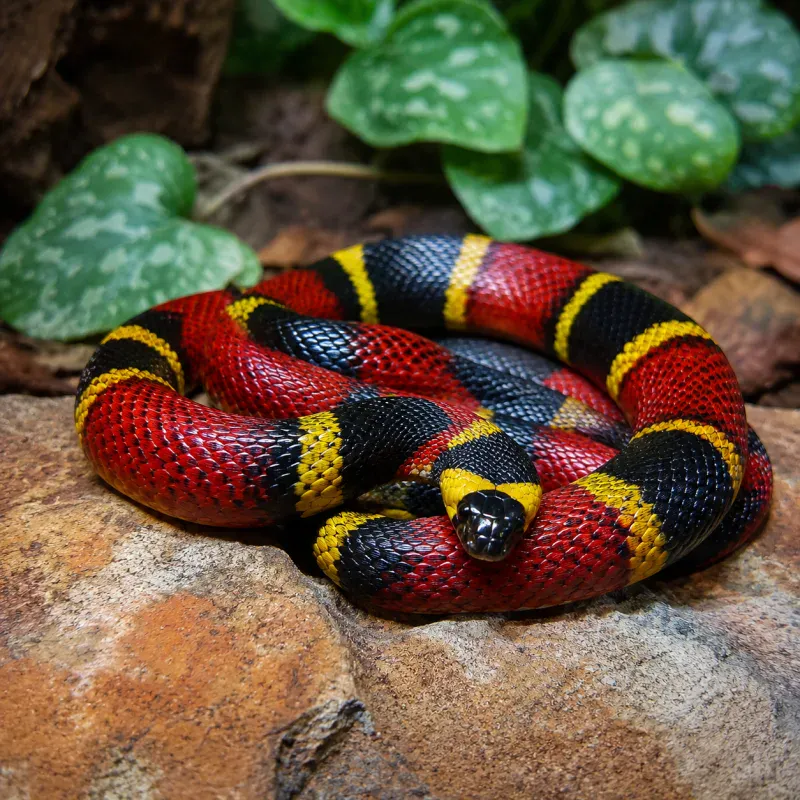
Milk snakes (Lampropeltis triangulum) are among the most popular pet snakes in the herpetoculture world, celebrated for their vibrant colors, manageable size, and docile temperament. These non-venomous colubrids are native to a wide range of habitats from the southeastern United States through Central America. In this comprehensive guide, we’ll explore the most common milk snake morphs—Pueblan, Honduran, Nelson’s, and Sinaloan—and provide evidence-based care tips to ensure your snake thrives. Whether you’re a beginner or an intermediate keeper, this guide covers everything from enclosure setup to common health issues.
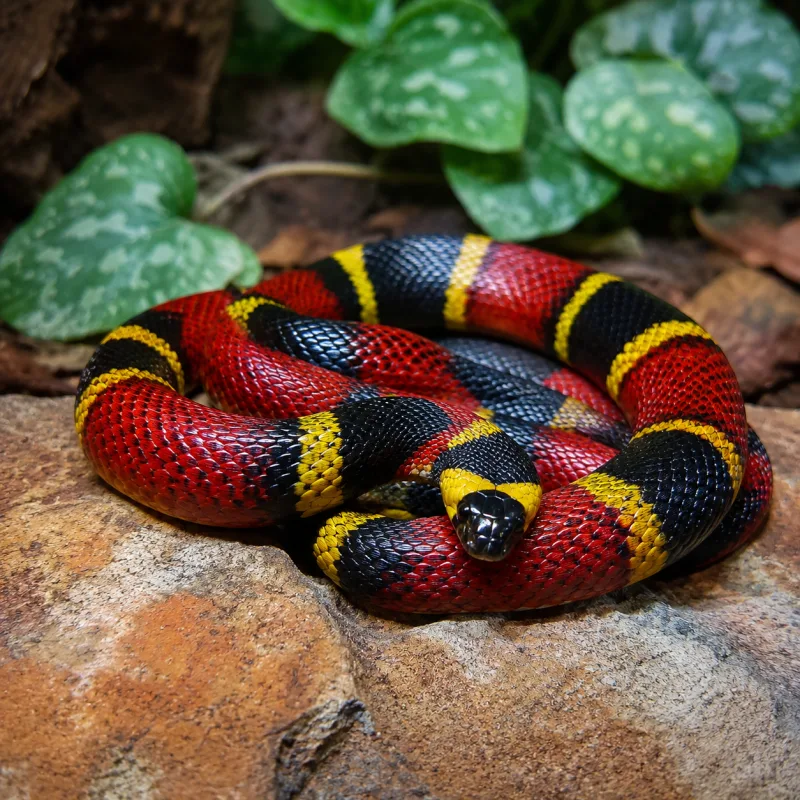
Milk snakes are often confused with coral snakes due to their similar red, black, and yellow banding patterns. However, a simple rhyme helps differentiate them: “Red on yellow kills a fellow; red on black, venom lack.” In milk snakes, the red bands touch black bands, not yellow. Always confirm identification with a trusted source.
Species Overview and Morphs
While all milk snakes share similar care requirements, each subspecies (often treated as morphs in the pet trade) has unique color patterns and slight differences in adult size and temperament.
| Morph | Scientific Name | Adult Size | Color Pattern | Temperament |
|---|---|---|---|---|
| Pueblan | Lampropeltis triangulum campbelli | 36–48 inches (91–122 cm) | Red, black, and white/cream bands; red bands are wide and often bordered by black | Calm, rarely defensive |
| Honduran | Lampropeltis triangulum hondurensis | 48–60 inches (122–152 cm) | Bright red or orange bands with black and white/yellow; often has speckling | Docile but may be more active |
| Nelson’s | Lampropeltis triangulum nelsoni | 36–48 inches (91–122 cm) | Red bands with black and white; bands may be narrower than Pueblan | Shy at first, then calm |
| Sinaloan | Lampropeltis triangulum sinaloae | 40–52 inches (102–132 cm) | Vivid red bands with black and white; red bands are often the widest | Confident, easy to handle |
Selective breeding has also produced many color morphs (e.g., albino, anerythristic, hypomelanistic) within each subspecies. These morphs do not affect care requirements but can influence price and availability.
Choosing a Morph
When selecting a milk snake, consider your experience level and space. Pueblan and Nelson’s are ideal for beginners due to their smaller size and calm nature. Honduran milk snakes grow larger and are more active, requiring a bigger enclosure—perfect for intermediate keepers. Sinaloan milk snakes are confident and easy to handle, making them a great choice for those who want a bold display snake.
Enclosure Setup
Milk snakes are terrestrial and require a secure, escape-proof enclosure. Juveniles can start in a 10-gallon tank (20″L × 10″W × 12″H), but adults need a 40-gallon breeder (36″L × 18″W × 16″H) or larger. Front-opening enclosures are preferred for easy access and reduced stress.
Step-by-Step Enclosure Setup
- Choose the right size: Start with a 10-gallon for hatchlings, upgrade to a 20-gallon long for juveniles, and move to a 40-gallon breeder for adults. Larger species like Honduran may need a 60-gallon or custom enclosure.
- Select a secure lid: Use a screen top with clips or a locking lid. Milk snakes are escape artists—test the security before adding your snake.
- Add substrate: Spread 2–3 inches of aspen shavings, cypress mulch, or coconut husk. Avoid cedar or pine, which release toxic phenols.
- Place hides: Provide at least two hides—one on the warm side, one on the cool side. Use cork bark, half-logs, or commercial reptile caves.
- Add enrichment: Include branches or climbing structures. Milk snakes will explore vertically if given the chance.
- Set up water dish: Place a water dish large enough for soaking on the cool side. Ensure it’s heavy and stable to prevent tipping.
- Install heating and lighting: Follow the guidelines in the Heating and Lighting section.
- Monitor temperature and humidity: Use digital thermometers and a hygrometer to ensure proper levels.
Substrate
Use aspen shavings, cypress mulch, or coconut husk. Avoid cedar or pine, which release toxic phenols. Maintain a depth of 2–3 inches to allow burrowing. For high-humidity morphs (Honduran), a mix of cypress and sphagnum moss helps retain moisture.
Furniture and Hides
Provide at least two hides: one on the warm side and one on the cool side. Cork bark, half-logs, or commercial reptile caves work well. Add branches or climbing structures for enrichment—milk snakes will explore vertically if given the chance. A water dish large enough for soaking should be placed on the cool side.
Common Enclosure Mistakes
- Using a tank that’s too large for a hatchling: This can cause stress and difficulty finding food. Start small and upgrade gradually.
- Poor ventilation: Ensure adequate airflow to prevent mold and respiratory issues.
- Insecure lid: Milk snakes are notorious escape artists—always double-check clips and locks.
Heating and Lighting
Milk snakes are ectothermic and require a thermal gradient to regulate body temperature.
- Basking spot: 88–92°F (31–33°C) — use an under-tank heater (UTH) or ceramic heat emitter (CHE) controlled by a thermostat. Never use heat rocks.
- Cool side: 72–78°F (22–26°C)
- Nighttime drop: Can go as low as 68°F (20°C) but avoid prolonged temperatures below 65°F.
Lighting: Milk snakes do not require UVB, but a low-level UVB (2–5%) can benefit overall health and vitamin D synthesis. Provide a 12-hour light/dark cycle using an LED or fluorescent bulb. Red or blue night bulbs are not necessary and can disrupt sleep.
Setting Up Heating
- Place an under-tank heater on one side of the enclosure, covering about one-third of the floor.
- Connect the UTH to a thermostat and set the temperature to 90°F (32°C).
- Place a hide directly over the warm spot to create a basking area.
- Monitor the temperature with a digital thermometer probe placed on the substrate surface.
- Avoid heat rocks, which can cause severe burns.
Troubleshooting Heating Issues
- Basking spot too hot: Check thermostat calibration; adjust to 88–92°F. If using a CHE, raise it higher above the enclosure.
- Cool side too cold: Add a low-wattage heat mat or move the enclosure to a warmer room. Ensure the cool side stays above 70°F.
- Temperature fluctuations: Use a thermostat with a built-in timer for consistent day/night cycles.
Humidity and Hydration
Milk snakes need moderate humidity (40–60%). Honduran milk snakes prefer slightly higher (50–70%) due to their tropical origin. Monitor with a hygrometer. Mist the enclosure lightly if humidity drops, especially during shed. A humid hide (plastic container with damp sphagnum moss) aids in shedding.
Always provide fresh, dechlorinated water. Change water daily and clean the dish weekly.
Maintaining Humidity
- Use a hygrometer to monitor levels; place it on the cool side.
- If humidity is too low, mist the enclosure once or twice daily, or add a larger water dish.
- If humidity is too high, increase ventilation by using a screen top or adding a small fan.
- For Honduran milk snakes, use a substrate mix of cypress mulch and sphagnum moss to retain moisture.
Diet and Feeding
Milk snakes are carnivorous and should be fed appropriately sized frozen-thawed rodents. Never feed live prey—it can injure your snake.
- Hatchlings (0–6 months): Pinky mice every 5–7 days
- Juveniles (6–18 months): Fuzzy or hopper mice every 7–10 days
- Adults (18+ months): Adult mice or small rats every 10–14 days
Prey size should be roughly 1–1.5 times the width of the snake’s midsection. Thaw frozen rodents in warm water (not microwave) and offer with tongs to avoid accidental bites. Feed in the enclosure to reduce stress—moving to a separate feeding tub is unnecessary and may cause regurgitation.
Feeding Schedule and Tips
- Stick to a consistent schedule to avoid overfeeding and obesity.
- After feeding, avoid handling for at least 48 hours to prevent regurgitation.
- If your snake refuses food, check temperatures and stress levels. A brief fasting period is normal, especially during shedding.
- Use feeding tongs to present prey; wiggle it gently to mimic live movement.
Handling and Temperament
Milk snakes are generally docile and tolerant of handling once acclimated. Wait 5–7 days after bringing your snake home before handling. Start with short sessions (5–10 minutes) and gradually increase. Support the snake’s body with both hands; avoid sudden movements. If the snake musks (releases a foul-smelling secretion) or tail rattles, it’s stressed—return it to its enclosure and try again later.
Regular handling (2–3 times per week) helps maintain tameness. Never handle within 48 hours of feeding to prevent regurgitation.
Handling Tips for Different Morphs
- Pueblan: Calm and rarely defensive; handle confidently but gently.
- Honduran: More active; support the body well and allow exploration.
- Nelson’s: May be shy initially; use slow movements and frequent short sessions.
- Sinaloan: Confident and easy to handle; enjoy regular interaction.
Common Health Issues
Milk snakes are hardy, but they can experience health problems if husbandry is poor.
- Respiratory infections: Symptoms include wheezing, open-mouth breathing, or bubbles from the nose. Cause: low temperatures or high humidity. Treatment: raise basking temp and consult a reptile vet.
- Mites: Small black or red dots on the skin, often seen in the water dish. Quarantine and treat with reptile-safe mite spray; disinfect enclosure.
- Dysecdysis (bad shed): Incomplete shed due to low humidity. Provide a humid hide and ensure adequate hydration.
- Stomatitis (mouth rot): Swollen mouth, excessive saliva, or refusal to eat. Requires veterinary treatment with antibiotics.
- Obesity: Overfeeding can lead to fat deposits and reduced lifespan. Stick to feeding schedules and monitor body condition.
Preventive Health Care
- Quarantine new snakes for 30–90 days to prevent disease spread.
- Maintain proper temperatures and humidity to reduce stress.
- Clean the enclosure regularly; spot-clean waste and disinfect monthly.
- Monitor your snake’s weight and body condition; consult a vet if you notice weight loss or lumps.
Steer Clear of These
- Overhandling: Too much handling can stress your snake, leading to refusal to eat or defensive behavior.
- Improper temperatures: Without a thermostat, UTHs can overheat and cause burns. Always use a thermostat.
- Live prey: Live rodents can bite and injure your snake. Always feed frozen-thawed.
- Poor enclosure security: Milk snakes are escape artists. Ensure all lid clips or locks are secure.
- Ignoring quarantine: New snakes should be quarantined for 30–90 days to prevent introducing diseases to existing pets.
- Incorrect morph identification: Mistaking a milk snake for a coral snake can be dangerous. Learn the pattern differences.
Conclusion
Milk snakes are rewarding pets that bring vibrant color and manageable care to any reptile collection. Whether you choose a striking Pueblan, a large Honduran, a patterned Nelson’s, or a vivid Sinaloan, proper husbandry—secure enclosure, correct temperatures, appropriate humidity, and a consistent feeding schedule—will ensure a long, healthy life. With regular handling and attention to their needs, your milk snake will become a fascinating companion for years to come.
Related Reading
- King Snake Care Guide — Another popular beginner colubrid with similar care requirements to milk snakes. Compare enclosure setups and feeding schedules.
- Corn Snake Morphs: 15 Popular Colors and Patterns — The most popular pet snake morphs explained. See how corn snake genetics compare to milk snake locale varieties.
- Milk Snake Care Guide: Stunning Colors, Easy Care — The complete husbandry guide for milk snakes. Covers enclosure setup, temperature gradients, and common mistakes to avoid.
- Hognose Snake Morph Guide — Explore the dramatic morphs of the Western Hognose, from Albino to Lavender and Superconda.
Frequently Asked Questions
Genetics & Inheritance in Milk Snakes
While classic Pueblan and Honduran milk snakes are wild-type subspecies, the pet trade now offers a growing palette of designer color morphs. Understanding the genetics behind these traits is essential for breeders and for buyers who want to predict how a juvenile will develop.
Key Genetic Loci
- Albino (tyrosinase-negative, T−): An autosomal recessive trait. It removes all black pigment, leaving white, yellow, and red/orange bands. In Pueblans, albinos show bright yellow and white bands with coral-red saddles. In Hondurans, the red often becomes a deep orange.
- Anerythristic (Anery): Recessive. Removes red pigment, leaving black, white, and gray bands. Anery Pueblans look strikingly like black-and-white banded snakes, while Anery Hondurans retain a silvery sheen.
- Hypomelanistic (Hypo): Recessive. Reduces black pigment, but not completely. The black bands become dark gray or brown, and the reds appear brighter. Hypo Hondurans are especially popular for their 'candy-cane' contrast.
- T-positive albino (T+): A different albino allele that still produces some melanin, resulting in a caramel or lavender wash over the bands. Less common but available in Honduran lines.
Polygenic Traits
Not all variation is simple Mendelian. Traits like band width, speckling, and the intensity of red/orange are polygenic—influenced by multiple genes. Breeders select for these by line-breeding, which is why some Honduran lines show heavy speckling on the belly and flanks, while others are clean-banded.
Inheritance Patterns in Practice
If you breed a Pueblan albino (aa) to a normal (AA), all offspring are heterozygous (Aa) and appear normal—these are called het albino. Breeding two hets yields 25% albino, 50% hets, and 25% normal (but the normals are 66% possible hets). This is why many milk snakes are sold as '66% het'—they have a 66% chance of carrying the trait. Always ask for the parental genetics to know the exact percentage.
| Pairing | Offspring Phenotype | Genotype Ratio |
|---|---|---|
| Albino × Albino | 100% Albino | All aa |
| Albino × Het Albino | 50% Albino, 50% Het | 1 aa : 1 Aa |
| Het × Het | 25% Albino, 50% Het, 25% Normal | 1 aa : 2 Aa : 1 AA |
| Het × Normal | 50% Het, 50% Normal | 1 Aa : 1 AA |
For combination morphs (e.g., albino + hypo), you need to know whether the genes are at different loci—they are—so you can produce double homozygotes using a Punnett square. The process takes multiple generations, which is why combo morphs are pricier.
What are the adult sizes of Pueblan and Honduran milk snakes?
Pueblan milk snakes reach 36–48 inches (91–122 cm), while Honduran milk snakes are larger at 48–60 inches (122–152 cm). These sizes are listed in the species overview table.
What temperature range should the basking spot be for milk snakes?
The basking spot should be 88–92°F (31–33°C), using an under-tank heater or ceramic heat emitter controlled by a thermostat. The cool side should be 72–78°F (22–26°C), and nighttime drops can go as low as 68°F (20°C) but not below 65°F.
How often should adult milk snakes be fed?
Adult milk snakes (18+ months) should be fed adult mice or small rats every 10–14 days. Prey size should be roughly 1–1.5 times the width of the snake's midsection, and frozen-thawed rodents are recommended over live prey.
What are the symptoms and cause of respiratory infections in milk snakes?
Symptoms include wheezing, open-mouth breathing, or bubbles from the nose. The cause is low temperatures or high humidity, and treatment involves raising the basking temperature and consulting a reptile vet.
Check optimal temps, calculate feeding, and find your perfect species match.
References
- Bartlett, R. D., & Bartlett, P. (2006). Snakes of the World: A Guide to Every Family. Princeton University Press.
- de Vosjoli, P. (2004). The Herpetoculture of the Milk Snake. Advanced Vivarium Systems.
- Rossi, J. V., & Rossi, R. (2002). What's Wrong with My Snake? Advanced Vivarium Systems.
🐾 Join the Community
See how other keepers set up their enclosures, ask questions, and share your experience.
🛠️ Apply What You Learned
Check optimal temps, calculate feeding schedules, and get calcium dosage — all personalized for your species.
Comments
No account needed — corrections, updates and questions are all welcome. For a full question with photos, the community Q&A is the better place.