Corn Snake Morphs: 20+ Colors Explained
Introduction
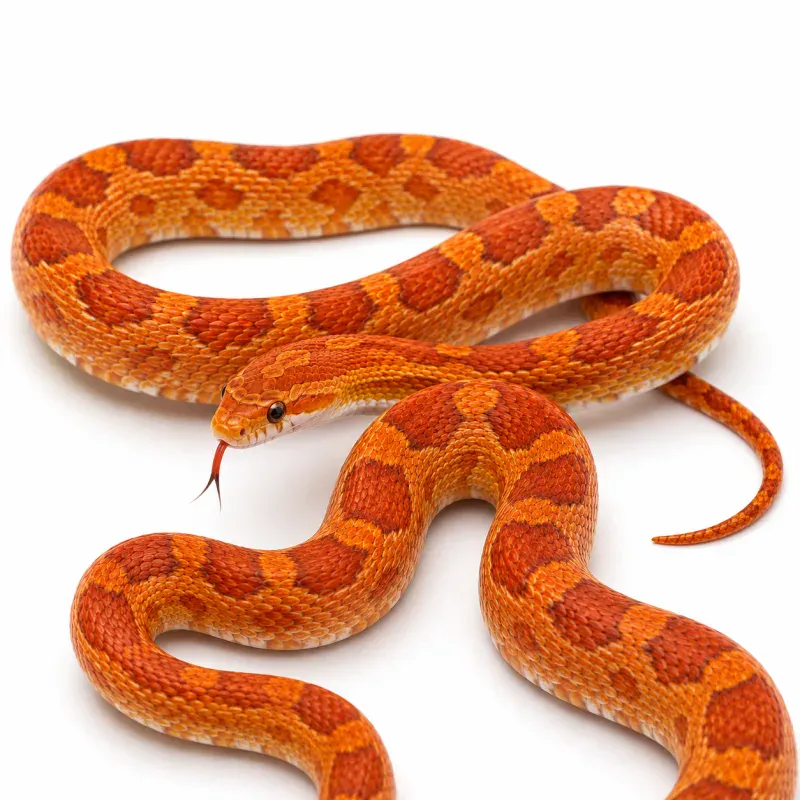
Corn snakes (Pantherophis guttatus) are among the most popular pet snakes, thanks to their docile temperament, manageable size, and incredible diversity of color morphs. With over 200 recognized morphs, the corn snake morph guide is a treasure trove for hobbyists and breeders alike. This comprehensive care guide covers 20+ key morphs—from Amelanistic to Bloodred—explains the genetics behind them, and provides pricing insights to help you choose the right snake for your budget and aesthetic preferences.
\n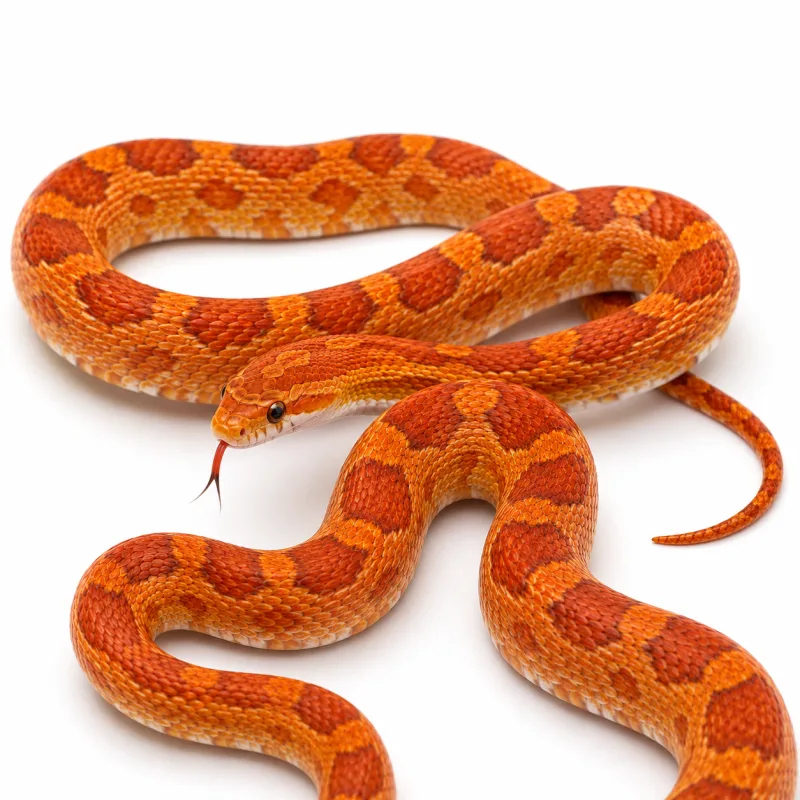
What Are Corn Snake Morphs?
A morph is a genetic mutation that alters a snake's color, pattern, or scale texture. Corn snake morphs are produced by selective breeding of recessive, dominant, or co-dominant genes. Understanding the basics of corn snake genetics—such as alleles, loci, and homozygous vs. heterozygous—is essential for predicting offspring outcomes.
Key Genetic Terms
- Gene: A unit of heredity that determines a trait.
- Allele: A variant form of a gene (e.g., normal vs. amelanistic).
- Recessive: Requires two copies of the mutant allele to express the morph.
- Dominant: Only one copy needed to express the morph.
- Co-dominant: Both alleles contribute to the phenotype (e.g., Motley).
- Homozygous: Two identical alleles (e.g., aa).
- Heterozygous: Two different alleles (e.g., Aa).
Top 20+ Corn Snake Morphs Explained
Below is a detailed breakdown of the most popular corn snake morphs, including their appearance, genetics, and typical price range.
1. Amelanistic (Albino)
Genetics: Recessive (aa). Removes all black pigment (melanin), leaving red, orange, and yellow. Eyes are red or pink. Price: $50–$100.
2. Anerythristic (Anery)
Genetics: Recessive (an an). Removes red pigment, resulting in a black, gray, and white snake. Eyes are dark. Price: $40–$80.
3. Snow
Genetics: Double recessive (amel + anery). A combination of Amelanistic and Anerythristic. Produces a white or cream snake with faint yellow or pink hues. Price: $60–$120.
4. Lavender
Genetics: Recessive (l l). Dilutes melanin, creating a soft lavender-to-pink base with darker purple saddles. Price: $100–$200.
5. Caramel
Genetics: Recessive (c c). Reduces red pigment and alters yellow to caramel brown. Price: $80–$150.
6. Bloodred (Diffused)
Genetics: Recessive (diff diff). Produces a solid red-orange snake with minimal pattern, often with a white belly. Price: $100–$250.
7. Motley
Genetics: Co-dominant (M m). Causes the dorsal pattern to fuse into a single, continuous stripe or a series of connected spots. Price: $60–$150.
8. Stripe
Genetics: Recessive (s s). Creates two parallel stripes down the back, often with a clean, patternless sides. Price: $80–$200.
9. Hypomelanistic (Hypo)
Genetics: Recessive (h h). Reduces melanin, resulting in brighter, cleaner colors. Price: $50–$100.
10. Okeetee
Genetics: Selective breeding (not a simple mutation). Intense orange-red with wide black borders around the saddles. Price: $80–$200.
11. Miami Phase
Genetics: Selective breeding. Gray or silver base with deep red-orange saddles. Price: $60–$150.
12. Sunkissed
Genetics: Recessive (sk sk). Warm, golden-orange pigment with a unique head pattern. Price: $100–$200.
13. Charcoal
Genetics: Recessive (ch ch). Similar to Anery but with a cooler, steel-gray tone. Price: $80–$150.
14. Cinder
Genetics: Recessive (ci ci). Produces a dusty, charcoal-gray base with muted orange saddles. Price: $90–$180.
15. Tessera
Genetics: Dominant (T t). Creates a striped or zigzag pattern along the spine. Price: $100–$300.
16. Scaleless
Genetics: Recessive (sc sc). Lacks most or all scales, revealing smooth skin. Price: $200–$500.
17. Palmetto
Genetics: Recessive (pa pa). White or cream base with scattered dark speckles and a dark head. Price: $150–$350.
18. Lava
Genetics: Recessive (lava lava). Dilutes melanin, producing a soft, muted gray-brown with orange highlights. Price: $100–$250.
19. Ultramel
Genetics: Co-dominant with Amelanistic. A lighter, pastel version of Amelanistic. Price: $80–$150.
20. Butter
Genetics: Double recessive (amel + caramel). A bright yellow snake with orange saddles and pink eyes. Price: $70–$140.
21. Mandarin
Genetics: Recessive (ma ma). Intense orange and red with dark borders. Price: $120–$250.
Genetics Basics for Corn Snake Morphs
Corn snake morphs follow simple Mendelian inheritance. Most are recessive, meaning both parents must carry the gene for the morph to appear visually. Co-dominant genes (like Motley) can be expressed in heterozygous form. Dominant genes (like Tessera) require only one copy. When breeding, use a Punnett square to predict ratios. For example, breeding two Amelanistic (aa × aa) yields 100% Amelanistic offspring. Breeding a normal (AA) with an Amelanistic (aa) yields 100% heterozygous (Aa) normals.
Pricing by Morph
| Morph | Genetics | Price Range (USD) |
|---|---|---|
| Amelanistic | Recessive | $50–$100 |
| Anerythristic | Recessive | $40–$80 |
| Snow | Double recessive | $60–$120 |
| Lavender | Recessive | $100–$200 |
| Caramel | Recessive | $80–$150 |
| Bloodred | Recessive | $100–$250 |
| Motley | Co-dominant | $60–$150 |
| Stripe | Recessive | $80–$200 |
| Hypomelanistic | Recessive | $50–$100 |
| Okeetee | Selective | $80–$200 |
| Miami Phase | Selective | $60–$150 |
| Sunkissed | Recessive | $100–$200 |
| Charcoal | Recessive | $80–$150 |
| Cinder | Recessive | $90–$180 |
| Tessera | Dominant | $100–$300 |
| Scaleless | Recessive | $200–$500 |
| Palmetto | Recessive | $150–$350 |
| Lava | Recessive | $100–$250 |
| Ultramel | Co-dominant | $80–$150 |
| Butter | Double recessive | $70–$140 |
| Mandarin | Recessive | $120–$250 |
Prices vary based on breeder reputation, lineage, and whether the snake is male or female. Rare combos (e.g., Scaleless Tessera) can cost $500+.
Enclosure Setup
Corn snakes need a secure, escape-proof enclosure. A 20-gallon long tank (30″ × 12″ × 12″) is suitable for juveniles; adults require at least a 40-gallon breeder (36″ × 18″ × 16″). Use a screen lid for ventilation. Substrate options include aspen shavings, cypress mulch, or paper towels (for quarantine). Avoid cedar or pine, which emit harmful oils. Provide at least two hides (warm side and cool side), a water dish large enough for soaking, and climbing branches.
Heating and Lighting
Corn snakes are ectothermic and need a thermal gradient. Use an under-tank heater (UTH) or ceramic heat emitter (CHE) on one side to create a hot spot of 85–90°F (29–32°C). The cool side should be 75–80°F (24–27°C). Nighttime temperatures can drop to 70°F (21°C). Use a thermostat to prevent overheating. UVB lighting is not essential but can benefit overall health—a low-output 2% UVB bulb for 8–10 hours daily is optional.
Humidity
Maintain humidity between 40–60%. Increase to 70% during shedding. Mist the enclosure lightly or provide a humid hide (damp sphagnum moss inside a hide box). Use a digital hygrometer to monitor levels. Excessive humidity can cause respiratory infections; too low leads to stuck shed.
Diet and Feeding
Feed frozen-thawed rodents, never live (risk of injury). Hatchlings eat pinky mice every 5–7 days; juveniles eat fuzzies every 7–10 days; adults eat adult mice or small rats every 10–14 days. Prey should be about 1–1.5 times the snake's girth. Use tongs to offer food. Handle only after 48 hours post-feeding to avoid regurgitation.
Handling and Temperament
Corn snakes are generally docile. Allow 1–2 weeks for acclimation before handling. Support the body fully; avoid sudden movements. Start with 5–10 minute sessions, gradually increasing. Never handle during shed or after feeding. Regular handling builds trust and reduces stress.
Step-by-Step: How to Choose Your First Corn Snake Morph
Selecting a morph can be overwhelming with so many options. Follow these steps to narrow down your choice based on your preferences and budget.
- Set a budget: Determine how much you're willing to spend. Remember that the snake's price is only a fraction of the total cost—enclosure, heating, and accessories add up.
- Consider the adult size: All corn snakes grow to roughly the same size (about 4–5 feet), so morph doesn't affect space needs. However, some morphs like Scaleless may have special skin-care requirements.
- Think about color preferences: Do you prefer bright reds (Amelanistic, Bloodred), subtle grays (Anery, Charcoal), or pastels (Ultramel, Lavender)? Browse photos to see what appeals to you.
- Check pattern preferences: If you like stripes, consider Motley, Stripe, or Tessera. If you prefer minimal pattern, Bloodred or Palmetto might be ideal.
- Evaluate care difficulty: Most morphs have identical care requirements, but Scaleless snakes need higher humidity and gentler handling due to lack of scales. If you're a beginner, stick to classic morphs like Amelanistic or Snow.
- Verify the breeder: Purchase from a reputable breeder who can provide lineage details and health guarantees. Avoid buying from unknown sources to reduce risk of genetic defects.
Comparison Table: Simple vs. Complex Morphs
Understanding the difference between single-gene and multi-gene morphs helps you anticipate price and breeding potential.
| Type | Examples | Genetics | Typical Price | Breeding Complexity |
|---|---|---|---|---|
| Simple recessive | Amelanistic, Anerythristic, Lavender | Single recessive gene | $40–$200 | Easy to predict (Punnett square) |
| Double recessive | Snow, Butter | Two recessive genes | $60–$140 | Moderate; need both genes in both parents |
| Co-dominant | Motley, Ultramel | One co-dominant gene | $60–$150 | Heterozygotes show the trait |
| Dominant | Tessera | One dominant gene | $100–$300 | Only one parent needs the gene |
| Selective breeding | Okeetee, Miami Phase | Polygenic (multiple genes) | $60–$200 | Requires line breeding over generations |
| Rare/complex combos | Scaleless Tessera, Palmetto Snow | Multiple genes combined | $500+ | High; requires careful planning |
Seasonal Care: Adjusting Husbandry Through the Year
Corn snakes experience natural seasonal changes that affect their behavior and health. Adjust your care routine accordingly.
Spring (Breeding Season)
- If you're not breeding, be aware that males may become more restless and may refuse food temporarily. This is normal.
- Maintain normal temperatures and humidity. Offer food as usual, but don't be alarmed if appetite decreases.
Summer
- Provide plenty of fresh water; evaporation increases in warmer weather.
- Monitor humidity—if it drops below 40%, mist more frequently or add a larger water dish.
- Avoid overheating: keep the enclosure out of direct sunlight and ensure the thermostat is working.
Autumn (Cooling Down)
- Some keepers simulate a mild cooling period (brumation) for breeding, but for pets, it's not necessary.
- If you don't brumate, keep temperatures stable. You may notice a slight decrease in activity as daylight hours shorten.
- Ensure the snake has had a full meal before any intended cooling period.
Winter
- Keep temperatures stable; avoid drafts. If your home gets cold at night, use a ceramic heat emitter to maintain the nighttime drop to 70°F.
- Humidity can drop due to heating systems; check the hygrometer regularly and add a humid hide if needed.
- Feeding frequency may decrease slightly as metabolism slows, but still follow the regular schedule.
Troubleshooting: Common Behavioral Issues and Solutions
Even docile corn snakes can exhibit concerning behaviors. Here's how to address them.
- Hissing or striking: Usually a sign of stress or fear. Give the snake space, avoid handling for a few days, and ensure it has plenty of hides. Never grab a hissing snake; use a hook or wait until it calms.
- Refusing food: Check temperatures—if the warm side is below 85°F, digestion slows and appetite may drop. Also, ensure prey size is appropriate. If the snake is in shed, it may refuse food; wait until after shed.
- Excessive hiding: While normal, if the snake never comes out, the enclosure may be too open or temperatures may be off. Provide more clutter and foliage.
- Regurgitation: If this happens, wait 10–14 days before offering a smaller meal. Review your handling schedule—never handle within 48 hours after feeding.
- Frequent escape attempts: Ensure the lid is secure and there are no gaps. Corn snakes are adept at pushing; use clips or locks.
Common Health Issues
- Respiratory Infections: Caused by low temperatures or high humidity. Symptoms: wheezing, bubbles from mouth. Treat by correcting husbandry; vet may prescribe antibiotics.
- Stuck Shed: Low humidity. Soak snake in lukewarm water (30 min) and gently rub off retained skin.
- Mites: Tiny black dots on skin. Use reptile-safe mite treatment and clean enclosure thoroughly.
- Regurgitation: Usually due to stress, handling too soon after feeding, or incorrect prey size. Withhold food for 10–14 days, then offer smaller prey.
- Mouth Rot (Stomatitis): Inflamed mouth, often from dirty conditions. Requires vet care.
Common Mistakes
- Overhandling: Causes stress and regurgitation.
- Improper Temperatures: No thermostat leading to burns or poor digestion.
- Using Live Prey: Risk of injury to snake.
- Incorrect Enclosure Size: Too small restricts movement; too large can stress juveniles.
- Ignoring Humidity: Leads to shedding problems.
- Not Quarantining New Snakes: Introduces diseases to existing collection.
Conclusion
Corn snake morphs offer endless variety, from the classic Amelanistic to the striking Scaleless. Understanding genetics helps you appreciate the science behind these beautiful animals and make informed breeding or purchasing decisions. By providing proper care—adequate enclosure, heating, humidity, diet, and handling—you'll enjoy a healthy, colorful companion for 15–20 years. Whether you're a beginner or an experienced keeper, the corn snake morph guide is your key to unlocking the rainbow of possibilities.
Frequently Asked Questions
What is the easiest corn snake morph to care for?
All corn snake morphs have essentially the same care requirements. However, classic morphs like Amelanistic or Snow are often recommended for beginners because they are hardy and widely available. Scaleless morphs may require extra humidity and gentler handling due to their lack of scales.
How much does a corn snake cost?
The price varies by morph. Common morphs like Anerythristic start at $40–$80, while rarer ones like Scaleless can cost $200–$500. Rare combinations can exceed $500. Prices also depend on breeder reputation and lineage.
Can I breed different morphs together?
Yes, you can breed any corn snake morphs together, but the offspring's appearance depends on the genetics. Use a Punnett square to predict ratios. For example, breeding two Amelanistic (aa × aa) yields 100% Amelanistic, while breeding a normal (AA) with an Amelanistic (aa) yields 100% heterozygous normals.
Do corn snake morphs have different lifespans?
No, all corn snake morphs have the same expected lifespan of 15–20 years when provided proper care. Morphs do not affect longevity; health is determined by husbandry, genetics, and overall care.
Are corn snakes good for beginners?
Yes, corn snakes are widely considered excellent beginner reptiles. They are docile, manageable in size (reaching about 4–5 feet), and have relatively simple care requirements compared to many other snakes. Their diverse morphs also make them appealing.
What size enclosure does an adult corn snake need?
Adults require at least a 40-gallon breeder tank (36″ × 18″ × 16″). Juveniles can start in a 20-gallon long (30″ × 12″ × 12″). Always provide a secure lid to prevent escapes.
How often should I feed my corn snake?
Feeding frequency depends on age: hatchlings eat pinky mice every 5–7 days, juveniles eat fuzzies every 7–10 days, and adults eat adult mice or small rats every 10–14 days. Prey should be about 1–1.5 times the snake's girth.
Related Reading
\\n\nCheck optimal temps, calculate feeding, and find your perfect species match.
🐾 Join the Community
See how other keepers set up their enclosures, ask questions, and share your experience.
🛠️ Apply What You Learned
Check optimal temps, calculate feeding schedules, and get calcium dosage — all personalized for your species.
Comments