Corn Snake Feeding Guide: Schedule & Mouse Sizes
Introduction
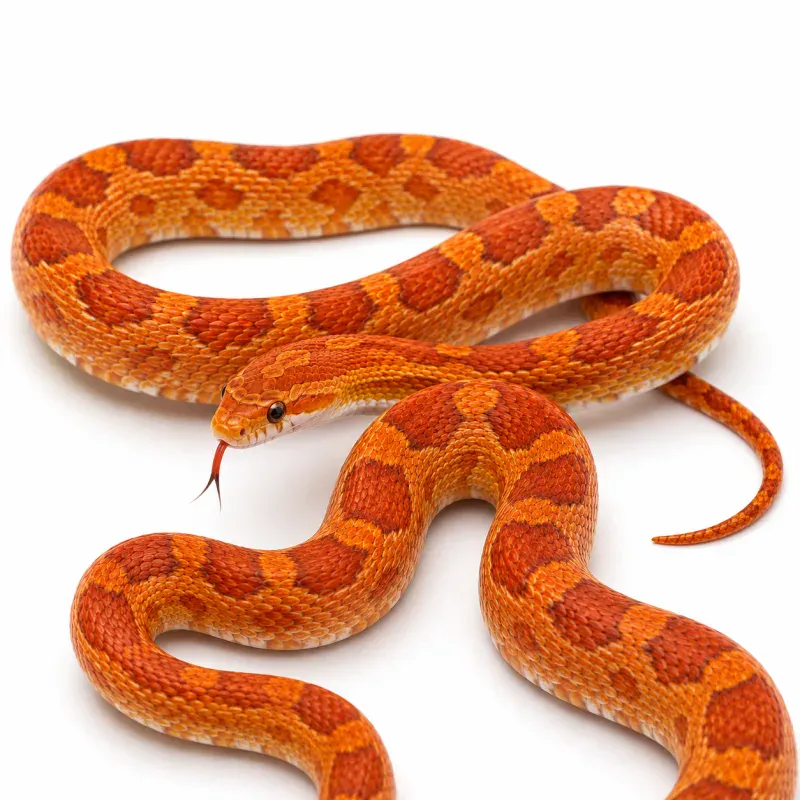
Corn snakes (Pantherophis guttatus) are one of the most popular pet snakes due to their docile nature, manageable size, and relatively simple care requirements. However, proper nutrition is the cornerstone of their health and longevity. A well-fed corn snake will thrive for 15–20 years in captivity, while poor feeding habits can lead to obesity, stunted growth, or regurgitation. This guide provides a complete feeding schedule, mouse sizing by age, expert tips on frozen-thawed feeding, and solutions to common feeding problems.
Understanding Corn Snake Nutrition
Corn snakes are obligate carnivores, meaning they require whole prey items to meet their nutritional needs. In the wild, they eat small rodents, birds, and lizards, but in captivity, frozen-thawed mice are the safest and most convenient option. Live prey can injure your snake, so frozen-thawed is strongly recommended. The key to a healthy diet is providing appropriately sized prey at the right intervals.
Why Frozen-Thawed?
- Safety: Live mice can bite or scratch your snake, causing serious injury or infection.
- Convenience: Frozen mice can be stored for months and thawed as needed.
- Humane: Pre-killed prey eliminates suffering for the feeder animal.
- Nutrition: Frozen-thawed mice retain all essential nutrients when properly stored.
Mouse Sizes by Age: A Complete Guide
Feeding the correct size prey is critical. A meal that is too large can cause regurgitation or impaction, while one that is too small will not satisfy your snake's nutritional needs. Use the rule of thumb: the prey item should be no wider than the widest part of your snake's body (usually the middle).
| Snake Age | Snake Weight | Prey Size | Prey Weight | Feeding Frequency |
|---|---|---|---|---|
| Hatchling (0–6 months) | 5–15 g | Pinkie mouse (newborn) | 1–2 g | Every 5–7 days |
| Juvenile (6–12 months) | 15–50 g | Fuzzy mouse (slightly furred) | 3–5 g | Every 7–10 days |
| Sub-adult (12–24 months) | 50–150 g | Hopper mouse (fully furred, small) | 7–12 g | Every 10–14 days |
| Adult (2+ years) | 150–400 g | Adult mouse (small to medium) | 15–25 g | Every 14–21 days |
| Large adult (3+ years) | 400–800 g | Jumbo mouse or small rat | 25–40 g | Every 21–28 days |
Always weigh your snake monthly to adjust prey size. A healthy corn snake should have a rounded, but not bulging, body shape. If you see a distinct waist or spine, increase prey size or frequency. If the snake appears overly plump, reduce either size or frequency.
Step-by-Step Feeding Procedure
Following a consistent, calm procedure helps your corn snake associate feeding with a positive experience and reduces stress. Here is a reliable sequence:
- Prepare the prey: Thaw the frozen mouse according to the instructions in the Frozen-Thawed Feeding Tips section. Ensure it is warmed to slightly above room temperature and dried with a paper towel.
- Set up the feeding area: If you feed inside the enclosure (recommended to reduce stress), place a paper towel or a small dish under the prey to prevent substrate ingestion. If you use a separate feeding container, make sure it is secure, ventilated, and has no escape routes.
- Present the prey: Using tongs, grasp the mouse by the tail and dangle it near your snake's head or in front of its hide. Gently wiggle it to mimic natural movement. Some snakes prefer the prey placed on the substrate and left for a few minutes.
- Allow the snake to strike and constrict: Once the snake strikes, release the prey from the tongs to avoid pulling it away. Let the snake constrict and swallow at its own pace. This can take 5–15 minutes for small prey, longer for large adults.
- Do not disturb: After the snake has swallowed, avoid handling and minimize noise and light for at least 48 hours. This prevents regurgitation and allows proper digestion.
- Clean up: Remove any uneaten prey after 24 hours. If the snake did not eat, check temperatures and stress factors, and try again in 5–7 days.
Seasonal Feeding Guide
Corn snakes in captivity may experience natural seasonal feeding changes, especially if they are exposed to slight temperature or light variations. Understanding these patterns helps you avoid unnecessary worry.
| Season | Typical Feeding Behavior | Recommended Action |
|---|---|---|
| Spring (breeding season) | Appetite increases; males may focus on mating and refuse food. | Offer food as usual; if refused, wait 5–7 days and try again. Ensure temperatures are within the normal range. |
| Summer | Active and hungry; growth may be rapid, especially in juveniles. | Stick to the regular schedule; monitor body condition and adjust prey size if needed. |
| Autumn | Appetite may gradually decrease as temperatures drop. | Continue feeding but be prepared for longer fasts. Offer smaller prey if the snake seems less interested. |
| Winter (cooler months) | Many corn snakes naturally reduce or stop eating, especially if temperatures are slightly lower. | If the snake is healthy and not losing weight, a fast of 4–8 weeks is normal. Do not force-feed. Ensure fresh water is always available. |
Note: If you intentionally brumate your corn snake (a cooling period for breeding), do not offer food during that time. Always consult a veterinarian if you are unsure about your snake's fasting behavior.
Cost Breakdown: Feeding Your Corn Snake for a Year
Budgeting for your corn snake's food helps you plan and ensures you always have appropriately sized prey on hand. Costs vary by region and supplier, but here is a general estimate based on typical retail prices for frozen mice.
| Life Stage | Prey Type | Average Cost per Mouse | Meals per Year | Estimated Annual Cost |
|---|---|---|---|---|
| Hatchling (first 6 months) | Pinkie (1–2 g) | $0.30–$0.50 | ~48 (every 5–7 days) | $15–$24 |
| Juvenile (6–12 months) | Fuzzy (3–5 g) | $0.50–$0.80 | ~40 (every 7–10 days) | $20–$32 |
| Sub-adult (12–24 months) | Hopper (7–12 g) | $0.80–$1.20 | ~30 (every 10–14 days) | $24–$36 |
| Adult (2+ years) | Adult mouse (15–25 g) | $1.20–$2.00 | ~20 (every 14–21 days) | $24–$40 |
| Large adult (3+ years) | Jumbo mouse (25–40 g) | $2.00–$3.00 | ~15 (every 21–28 days) | $30–$45 |
To save money, buy frozen mice in bulk from online suppliers that offer quantity discounts. Always store them in a dedicated freezer, not the one you use for human food, to prevent contamination. Rotate stock to use the oldest first.
Frozen-Thawed Feeding Tips: How to Do It Right
Many corn snakes readily accept frozen-thawed prey, but some may need encouragement. Follow these steps for success:
Thawing Instructions
- Remove the frozen mouse from the bag and place it in a sealed plastic bag (to prevent waterlogging).
- Thaw in warm water (not hot) at 100–105°F (38–41°C) for 15–30 minutes, depending on size. Never use a microwave, which can cook the mouse unevenly and create hot spots that could burn your snake.
- Check the temperature by touching the mouse's body. It should feel warm (slightly above room temperature) but not hot. A digital thermometer is helpful.
- Dry the mouse with a paper towel to remove excess moisture, which can cause substrate ingestion.
Presentation Tips
- Use tongs: Grasp the mouse by the tail and dangle it in front of your snake's hide or near its head. This mimics natural movement.
- Wiggle gently: A slight twitch can trigger a feeding response. If your snake ignores it, try leaving the mouse near the hide overnight.
- Scenting: For picky eaters, rub the mouse against a live mouse (if available) or use a commercial scenting product like lizard or frog scent.
- Braining: For very stubborn snakes, make a small incision in the mouse's skull to release brain matter. This can be highly enticing.
Feeding Schedule and Routine
Consistency is key. Feed your corn snake at the same time of day (evening is best, as they are crepuscular) and in the same location—preferably inside the enclosure to reduce stress. Always offer one prey item at a time; multiple items can overwhelm the snake.
Post-Feeding Care
- Do not handle for at least 48 hours after feeding to prevent regurgitation.
- Monitor for regurgitation: If the snake vomits within 24–48 hours, wait 10–14 days before offering a smaller meal. Check enclosure temperatures—regurgitation often results from low heat.
- Clean up any uneaten prey after 24 hours to avoid spoilage or bacterial growth.
Troubleshooting Feeding Problems
Even experienced keepers face feeding challenges. Here are common issues and solutions:
Snake Refuses to Eat
- Check temperatures: Cool side 75–80°F (24–27°C), warm side 85–90°F (29–32°C). Too cold suppresses appetite.
- Reduce stress: Ensure plenty of hides, no loud noises, and minimal handling. A stressed snake may fast.
- Seasonal fasting: During winter, some corn snakes naturally reduce food intake. If healthy and not losing weight, this is normal.
- Shedding: Snakes often refuse food during shedding. Wait until the shed is complete, then offer a meal.
Snake Strikes and Misses
- Use tongs to guide the prey directly toward the snake's mouth. Ensure the prey is warm enough to be detected by heat pits.
Snake Regurgitates
- Wait 10–14 days before feeding again. Offer a smaller prey item. Check that the warm side temperature is 90°F (32°C) to aid digestion. If regurgitation persists, consult a veterinarian.
Snake Eats Substrate
- Feed in a separate container or use paper towels as substrate during feeding. Ensure the mouse is dry.
Common Health Issues Related to Feeding
Improper feeding can lead to several health problems:
- Obesity: Overfeeding or oversized prey causes fatty liver disease and shortened lifespan. Signs: bulging sides, visible fat pads, lethargy.
- Malnutrition: Underfeeding or feeding prey too small leads to stunted growth, weak immune system, and poor shedding.
- Impaction: Ingesting substrate or undigested prey can block the digestive tract. Symptoms: lack of appetite, straining, lethargy. Immediate vet care needed.
- Regurgitation syndrome: Frequent vomiting damages the esophagus and leads to dehydration. Caused by stress, incorrect temperatures, or parasites.
Always maintain a clean water dish and provide a humid hide to aid shedding. Healthy snakes shed in one complete piece. If your snake has trouble shedding, increase humidity (40–60%) and offer a soak.
What to Avoid
- Feeding live prey: Unnecessary risk of injury to your snake.
- Feeding too frequently: Adults only need a meal every 2–3 weeks. Overfeeding is the #1 cause of obesity.
- Using a microwave to thaw: Creates dangerous hot spots and destroys nutrients.
- Handling after feeding: Always wait 48 hours to avoid regurgitation.
- Ignoring water quality: Change water daily; dehydration can suppress appetite.
- Feeding prey that is too large: Can cause impaction or regurgitation. Measure prey size against snake's body width.
Conclusion
A proper feeding regimen is the most important aspect of corn snake care. By following this guide—selecting the correct mouse size, using frozen-thawed prey, maintaining a consistent schedule, and troubleshooting problems early—you will ensure your corn snake remains healthy, active, and long-lived. Remember, each snake is an individual; observe your pet's body condition and adjust accordingly. With patience and attention, feeding will become a simple, rewarding part of your routine.
Frequently Asked Questions
How often should I feed a corn snake?
Hatchlings (0–6 months) eat a 1–2 g pinkie every 5–7 days; juveniles (6–12 months) eat a 3–5 g fuzzy every 7–10 days; subadults and adults follow the schedule in the guide, with prey size increasing to adult mice.
What size mouse should I feed my corn snake?
Prey should be about the same width as the snake''s thickest point — never larger. The guide''s mouse-size-by-age table shows exact prey weights from hatchling to adult.
Why does my corn snake refuse to eat?
Check temperature first — too cool is the #1 cause. Also avoid handling for 48 hours after feeding, do not offer food too often, and rule out shedding, stress, or prey that is too large. The troubleshooting section covers refusals, missed strikes, and regurgitation.
Frozen-thawed or live mice for corn snakes?
Frozen-thawed is safer and recommended: it removes any risk of the mouse injuring the snake. Thaw properly in warm water and present it with tongs — the guide has full thawing instructions.
How do I thaw a frozen mouse correctly?
Thaw in warm water at 100–105°F (38–41°C) for 15–30 minutes, never in a microwave. Check the temperature with your touch or a thermometer, and dry the mouse with a paper towel before feeding.
What should I do if my corn snake regurgitates its meal?
Wait 10–14 days before offering food again, and then give a smaller prey item. Check that the warm side temperature is 90°F (32°C) to help digestion. If regurgitation happens repeatedly, consult a veterinarian.
Is it normal for my corn snake to fast during winter?
Yes, many corn snakes naturally reduce or stop eating in winter, especially if temperatures are slightly lower. If your snake is healthy and not losing weight, a fast of 4–8 weeks is normal. Always provide fresh water.
How can I tell if my corn snake is overweight?
An overweight corn snake will have bulging sides, visible fat pads, and may be lethargic. Overfeeding is the #1 cause of obesity. Reduce prey size or feeding frequency, and consult the guide''s body condition advice.
Can I feed my corn snake a rat instead of a mouse?
Yes, but only for large adults (3+ years, 400–800 g) that can handle a small rat (25–40 g). Rats are higher in fat, so monitor body condition closely. For smaller snakes, stick to mice to avoid obesity.
How long can a corn snake go without eating?
Healthy adult corn snakes can fast for 4–8 weeks during winter without issues, as long as they are not losing weight. Hatchlings and juveniles should not go more than 2–3 weeks without food, as they need nutrients for growth.
Should I feed my corn snake inside its enclosure or in a separate container?
Feeding inside the enclosure is recommended to reduce stress, but always place a paper towel or dish under the prey to prevent substrate ingestion. If you use a separate container, ensure it is secure and ventilated.
How do I know if the prey is too large for my corn snake?
If the prey is wider than the snake''s thickest point, it is too large. Oversized prey can cause regurgitation or impaction. Use the mouse-size-by-age table as a guide and adjust based on your snake's body condition.
What should I do if my corn snake strikes and misses the prey?
Use tongs to guide the prey directly toward the snake''s mouth. Ensure the prey is warm enough to be detected by heat pits. If the snake continues to miss, offer the prey again after a few minutes.
Can I handle my corn snake after feeding?
No, wait at least 48 hours after feeding to handle your snake. Handling too soon can cause regurgitation, which is stressful and harmful to your snake''s health.
Related Reading
Check optimal temps, calculate feeding, and find your perfect species match.
References
- Barker, D. G., & Barker, T. M. (2006). The Corn Snake Manual. Advanced Vivarium Systems.
- Klingenberg, R. (1996). Understanding Reptile Parasites. Advanced Vivarium Systems.
- Rossi, J. V., & Rossi, R. (2000). What's Wrong with My Snake? Advanced Vivarium Systems.
🐾 Join the Community
See how other keepers set up their enclosures, ask questions, and share your experience.
🛠️ Apply What You Learned
Check optimal temps, calculate feeding schedules, and get calcium dosage — all personalized for your species.
Comments