Pacman Frog Feeding Guide: Schedule & Food Chart
Introduction: The Ambush Predator's Diet
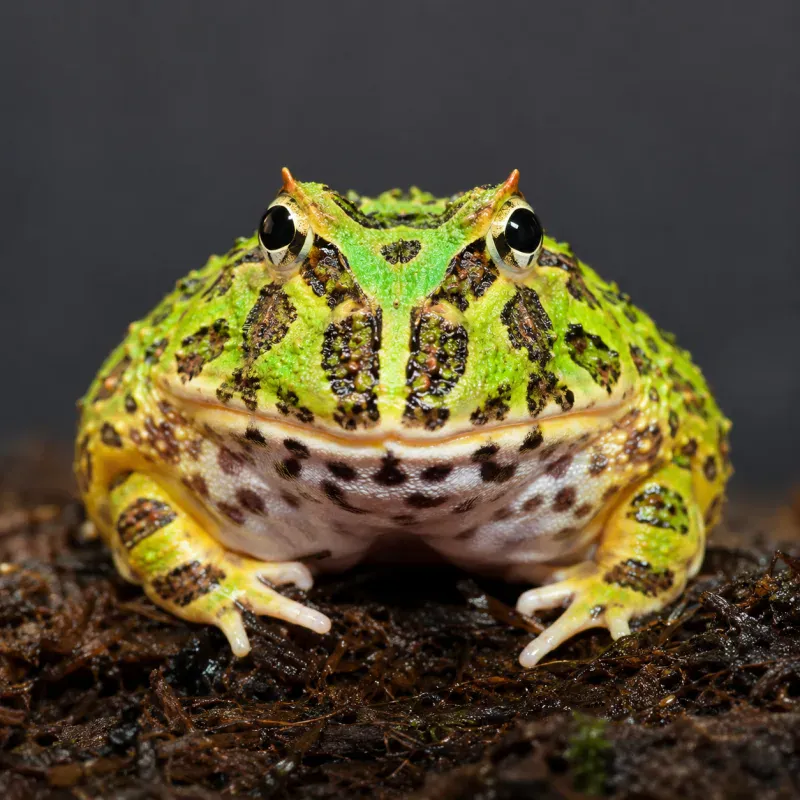
Pacman frogs (Ceratophrys ornata) are opportunistic ambush predators with enormous mouths — they'll attempt to eat anything that moves, and often succeed. In the wild, they consume a varied diet of insects, small rodents, and even other frogs. In captivity, however, their diet must be carefully managed to prevent obesity, nutritional deficiencies, and other health issues. This guide covers everything you need to know about feeding your Pacman frog, from staple feeders to supplementation schedules.
\n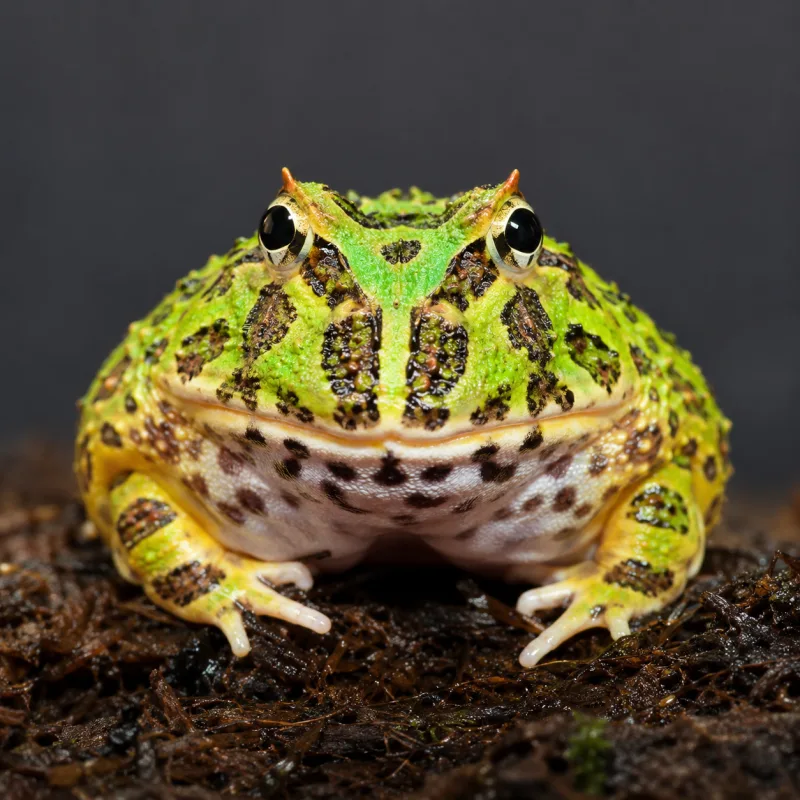
As a responsible keeper, you must balance your frog's natural feeding drive with their actual nutritional needs. Overfeeding is a common mistake, but underfeeding or feeding the wrong prey can be just as harmful. Let's dive into the specifics.
Staple Feeders
Pacman frogs are not picky eaters, but that doesn't mean every prey item is suitable. Stick to nutritionally appropriate staples that provide the right balance of protein, calcium, and moisture.
Top Staples
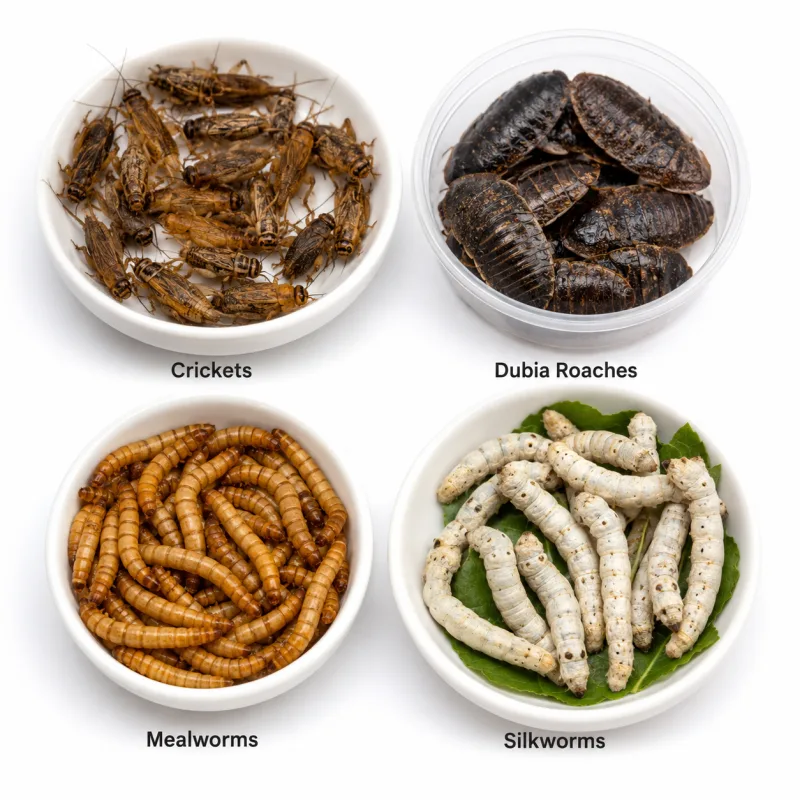
- Nightcrawlers (earthworms) — the #1 best staple. High calcium, soft-bodied, easy to digest. Cut into pieces for juveniles. They are also high in moisture, which helps with hydration.
- Dubia roaches — nutritionally superior to crickets. They are high in protein, low in fat, and cannot climb smooth surfaces, making them easy to manage. Ideal for sub-adults and adults.
- Crickets — acceptable staple but less nutritious than dubia. They are high in protein but have a poor calcium-to-phosphorus ratio. Gut-load for 24 hours before feeding to boost their nutritional value.
- Hornworms — high moisture, good for hydration. They are soft-bodied and easy to digest, but low in calcium and high in fat. Treat only, not a staple.
- Silkworms — excellent nutrition, soft-bodied. They have a great calcium-to-phosphorus ratio and are low in fat. Harder to source but worth it if you can find them.
Feeders to Avoid
Never feed: Wild-caught insects (pesticides, parasites), pinky mice (too fatty for routine feeding; at most 1×/month for adults), goldfish or minnows (thiaminase risk — thiaminase destroys vitamin B1, leading to neurological issues).
Additionally, avoid mealworms and superworms as staples — they have a hard exoskeleton that can cause impaction, especially in juveniles.
Prey Size by Age
Prey size must match the frog's mouth and digestive capacity. A good rule of thumb: prey should be no wider than the distance between the frog's eyes. Oversized prey causes regurgitation and impaction, which can be fatal.
| Age | Feeder Size | Examples |
|---|---|---|
| Juvenile (<3") | ¼" crickets, small earthworm pieces, fruit flies | Pinhead crickets, chopped nightcrawlers, Drosophila melanogaster |
| Sub-adult (3–5") | ½" crickets, whole small earthworms, small dubia nymphs | Small dubia roaches, red wigglers, medium crickets |
| Adult (5"+) | Full-size nightcrawlers, adult crickets, large dubia, occasional hornworm | Whole nightcrawlers, adult dubia roaches, large crickets |
As your frog grows, you'll need to adjust the size of prey. A common mistake is sticking to the same size for too long. Monitor your frog's body condition and increase prey size gradually.
Feeding Frequency
Pacman frogs are sedentary and have a slow metabolism. Overfeeding is more common than underfeeding. Follow these guidelines based on age:
- Juveniles (under 3"): Daily — 2–4 small feeders. They are growing rapidly and need more frequent meals.
- Sub-adults (3–5"): Every 2 days — 3–5 medium feeders. Growth slows, so reduce frequency.
- Adults (5"+): 2–3× per week — 4–6 large feeders. Maintain body weight, not growth.
Feed in the evening when Pacman frogs are naturally more active. Use soft-tipped feeding tongs — their bite reflex is lightning-fast and can draw blood. Never use your bare hands, as the frog may mistake your finger for food.
How to Feed: Step-by-Step
- Thaw frozen feeders (if using) in warm water for 10–15 minutes.
- Gut-load crickets or dubia roaches 24 hours before feeding (see below).
- Dust feeders with supplements (see next section).
- Use tongs to hold the feeder near the frog's mouth. Wiggle it slightly to trigger the strike.
- Allow the frog to swallow. Do not pull the prey away once the frog has latched on.
- Observe for any signs of regurgitation or distress after feeding.
Gut-Loading
Gut-loading means feeding your insects a nutritious diet before offering them to your frog. This enhances their nutritional value. Use commercial gut-load diets or fresh vegetables like carrots, sweet potatoes, and leafy greens. Avoid feeding insects only oatmeal or bread, which have low nutritional value.
Calcium & Supplementation
Dust feeders with calcium + D3 2× per week and multivitamin 1× per week for all life stages. Pacman frogs housed without UVB rely entirely on dietary D3 for calcium absorption — skipping supplementation leads to MBD (metabolic bone disease) within months. MBD is characterized by soft bones, tremors, and deformities.
If you provide UVB lighting (a 5.0 T5 bulb), you can reduce calcium + D3 to 1× per week, but still use multivitamin weekly. However, most keepers opt for no UVB and rely on supplements.
How to Dust Feeders
- Place the feeder (e.g., cricket) in a small plastic bag or container.
- Add a pinch of calcium powder (enough to coat the feeder lightly).
- Shake gently to coat. Avoid clumping.
- Offer immediately to the frog.
Do not dust more than recommended — too much calcium can cause hypercalcemia, which is also harmful.
Hydration & Moisture
Pacman frogs absorb water through their skin, so a shallow water dish is essential. However, they also get moisture from food. Hornworms are particularly hydrating, so offering them occasionally can help prevent dehydration, especially in drier climates.
Ensure the substrate is moist but not waterlogged. A humidity level of 70–85% is ideal. If your frog is looking wrinkled or dry, increase misting and offer a hornworm.
Common Feeding Mistakes
- Overfeeding: Pacman frogs will eat until they physically cannot fit more food. Obesity is epidemic in captive frogs and leads to fatty liver disease, prolapse, and shortened lifespan. An adult Pacman frog should be slightly plump but not spherical. If the frog looks like a tennis ball with legs, reduce feeding immediately.
- Feeding wild-caught insects: Risk of pesticide exposure and parasites. Always buy from reputable breeders.
- Feeding pinky mice too often: Pinkies are high in fat and can cause obesity and liver issues. Limit to once a month for adults only.
- Feeding prey that's too large: This can cause regurgitation and impaction. Follow the eye-width rule.
- Skipping supplements: Even with a varied diet, calcium and vitamins are necessary in captivity.
- Feeding in the morning: Pacman frogs are nocturnal; feeding in the evening matches their natural activity.
Troubleshooting Feeding Issues
Frog Refuses to Eat
This can be due to stress, improper temperature (should be 75–85°F), or breeding season (males may fast). Wait 2–3 days and try again. If the frog loses weight, consult a vet.
Regurgitation
Usually caused by oversized prey or handling too soon after eating. Wait 48 hours after feeding before handling. If regurgitation persists, check temperatures.
Impaction
Symptoms include lethargy and no bowel movements. Caused by hard-bodied feeders or substrate ingestion. Soak the frog in warm, shallow water for 15 minutes and offer a small amount of vegetable oil (via a dropper) to lubricate the gut. If severe, see a vet.
Feeding Schedule Chart: How Often to Feed (By Age)
\\nThis is the short answer for keepers who want a single pacman frog feeding schedule to pin above the enclosure. Increase prey size as the frog grows, and adjust frequency only if body condition drifts.
\\n| Age / Size | Prey size | How often | Typical items per feeding |
|---|---|---|---|
| Froglet (1–2 in) | Pinhead to 1/4 in crickets | Daily | 3–5 small feeders |
| Juvenile (2–3 in) | 1/4–1/2 in | Every other day | 3–4 feeders |
| Sub-adult (3–4 in) | 1/2–3/4 in | Every 2–3 days | 2–4 feeders |
| Adult (4+ in) | Large crickets, roaches, nightcrawlers; occasional pinky mouse | Every 5–10 days | 1–3 large feeders |
How often do pacman frogs eat? Adults typically eat every 5–10 days — far less often than beginners expect. A healthy adult does not need daily feeding, and overfeeding is one of the most common husbandry mistakes. Keep the frog roughly as wide as it is long; if it starts looking like a balloon, stretch the interval by a day or two.
\\nSample Feeding Schedule
| Day | Juvenile | Sub-adult | Adult |
|---|---|---|---|
| Monday | 2–4 small crickets (dusted) | 3–5 medium crickets (dusted) | 4–6 large crickets (dusted) |
| Tuesday | 2–4 small earthworm pieces | Fast | Fast |
| Wednesday | 2–4 small dubia nymphs | 3–5 medium dubia (dusted) | 4–6 large dubia (dusted) |
| Thursday | 2–4 small crickets | Fast | Fast |
| Friday | 2–4 small hornworm pieces | 3–5 medium earthworms | 4–6 full nightcrawlers |
| Saturday | 2–4 small crickets (multivitamin) | 3–5 medium crickets (multivitamin) | 4–6 large crickets (multivitamin) |
| Sunday | Fast | Fast | Fast |
Adjust portions based on your frog's body condition. If the frog is gaining too much weight, reduce the number of feeders or frequency.
Seasonal Feeding Adjustments
Pacman frogs may experience seasonal changes in appetite, especially related to breeding and temperature. During the cooler months, many keepers observe a natural slowdown in activity and feeding. If your frog's enclosure temperature drops below 75°F, reduce feeding frequency by about one meal per week, as digestion slows. In contrast, during warmer months when temperatures are at the higher end of the 75–85°F range, you may notice a slight increase in appetite; you can offer the same number of feeders, but keep a close eye on body condition to avoid overfeeding. Breeding season, typically in the spring, may cause males to fast entirely; this is normal as long as the frog does not lose significant weight. Always prioritize the frog's body condition over a strict schedule.
Cost Breakdown: Feeding Your Pacman Frog
Understanding the financial commitment of feeding a Pacman frog helps you plan and budget effectively. Costs vary by feeder type and your frog's age. Below is an estimated monthly cost based on typical feeder prices. Note that these are estimates and may vary by region and supplier.
| Feeder Type | Juvenile Monthly Cost | Sub-adult Monthly Cost | Adult Monthly Cost |
|---|---|---|---|
| Crickets (bulk purchase) | $5–$10 | $10–$15 | $15–$20 |
| Dubia roaches (bulk) | $10–$15 | $15–$20 | $20–$30 |
| Nightcrawlers (pack of 50) | $8–$12 | $10–$15 | $15–$20 |
| Hornworms (treat only) | $5–$10 (occasional) | $5–$10 (occasional) | $5–$10 (occasional) |
| Supplements (calcium + multivitamin) | $5–$8 (per month, amortized) | $5–$8 | $5–$8 |
To save money, buy feeders in bulk from online suppliers, gut-load them yourself, and freeze excess feeders (like nightcrawlers) for later use. Avoid buying more than you can use within a few weeks, as dead or spoiled feeders lose nutritional value.
Feeding Methods: Tongs vs. Free-Feeding
There are two main ways to offer food to your Pacman frog: using tongs or free-feeding (placing the prey directly in the enclosure). Each has pros and cons.
| Method | Pros | Cons |
|---|---|---|
| Tongs | Allows you to monitor intake, prevents substrate ingestion, reduces stress by not having prey crawl on the frog, and is safer for the frog (no accidental bites). | Requires careful handling to avoid startling the frog; may take time for the frog to associate tongs with food. |
| Free-feeding | Mimics natural hunting behavior, less human interaction, easier for shy frogs. | Risk of substrate ingestion (leading to impaction), prey may hide and die, harder to track exactly how much the frog eats, and uneaten prey can stress the frog. |
For most keepers, tong feeding is recommended, especially for juveniles and sub-adults, to ensure they eat the right amount and avoid substrate ingestion. If you free-feed, always remove uneaten prey after 15–20 minutes to prevent it from burrowing or biting the frog.
Frequently Asked Questions
How often should I feed my Pacman frog?
Juveniles (under 3 inches) should be fed daily with 2–4 small feeders. Sub-adults (3–5 inches) every 2 days with 3–5 medium feeders. Adults (5 inches and up) 2–3 times per week with 4–6 large feeders. Adjust based on body condition.
Can Pacman frogs eat pinky mice?
Pinky mice are too fatty for routine feeding. They should be offered at most once a month for adults only. Frequent feeding can lead to obesity, fatty liver disease, and shortened lifespan.
Do I need to dust feeders with calcium?
Yes, dust feeders with calcium + D3 2× per week and a multivitamin 1× per week. Pacman frogs housed without UVB rely entirely on dietary D3 for calcium absorption. Skipping supplementation can lead to metabolic bone disease within months.
What should I do if my Pacman frog stops eating?
First, check temperatures (should be 75–85°F) and stress levels. Some frogs may fast during breeding season. Wait 2–3 days and try again. If the frog loses weight or continues refusing food, consult a veterinarian.
How do I know if I'm overfeeding my Pacman frog?
An adult Pacman frog should be slightly plump but not spherical. If the frog looks like a tennis ball with legs, reduce feeding immediately. Overfeeding can lead to obesity, fatty liver disease, and shortened lifespan.
Can I feed my Pacman frog wild-caught insects?
No, never feed wild-caught insects. They may carry pesticides or parasites that can harm your frog. Always buy from reputable breeders.
Is it okay to feed my Pacman frog in the morning?
No, Pacman frogs are nocturnal; feeding in the evening matches their natural activity. Feeding in the morning may stress the frog and reduce feeding response.
How often do pacman frogs eat?
\\nAdult pacman frogs eat every 5–10 days. Froglets and juveniles eat far more often (daily to every other day) because they are growing; see the feeding schedule chart above for the full breakdown by age.
\\nRelated Reading
Check optimal temps, calculate feeding, and find your perfect species match.
References
- De Vosjoli, P. (2016). The Art of Keeping Snakes and Amphibians. Advanced Vivarium Systems.
- Barten, S. (2019). Amphibian Medicine and Captive Husbandry. Krieger Publishing.
🐾 Join the Community
See how other keepers set up their enclosures, ask questions, and share your experience.
🛠️ Apply What You Learned
Check optimal temps, calculate feeding schedules, and get calcium dosage — all personalized for your species.
Comments