White's Tree Frog Diet & Feeding Guide
Introduction
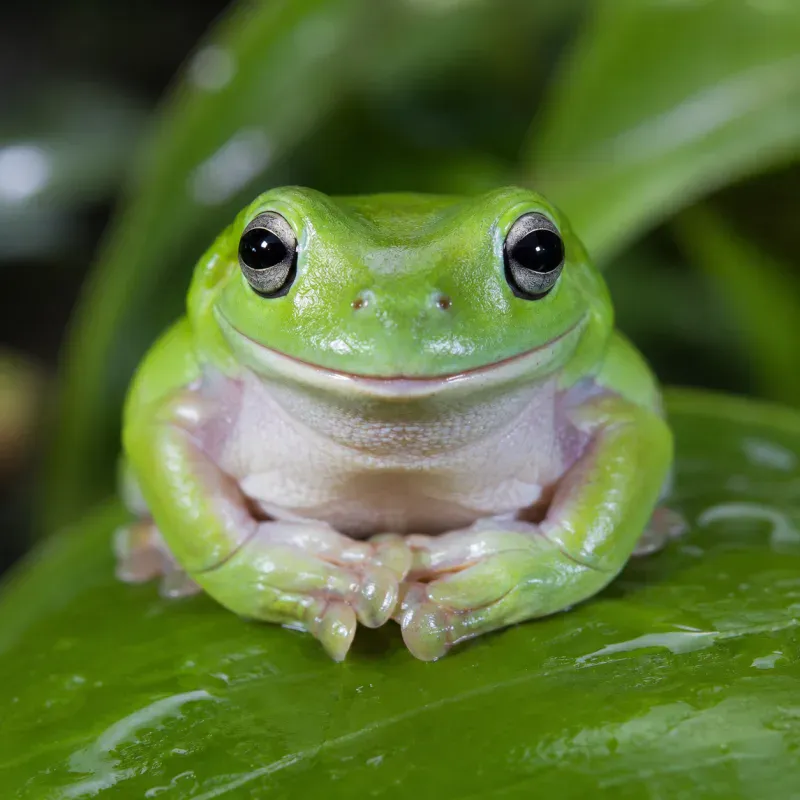
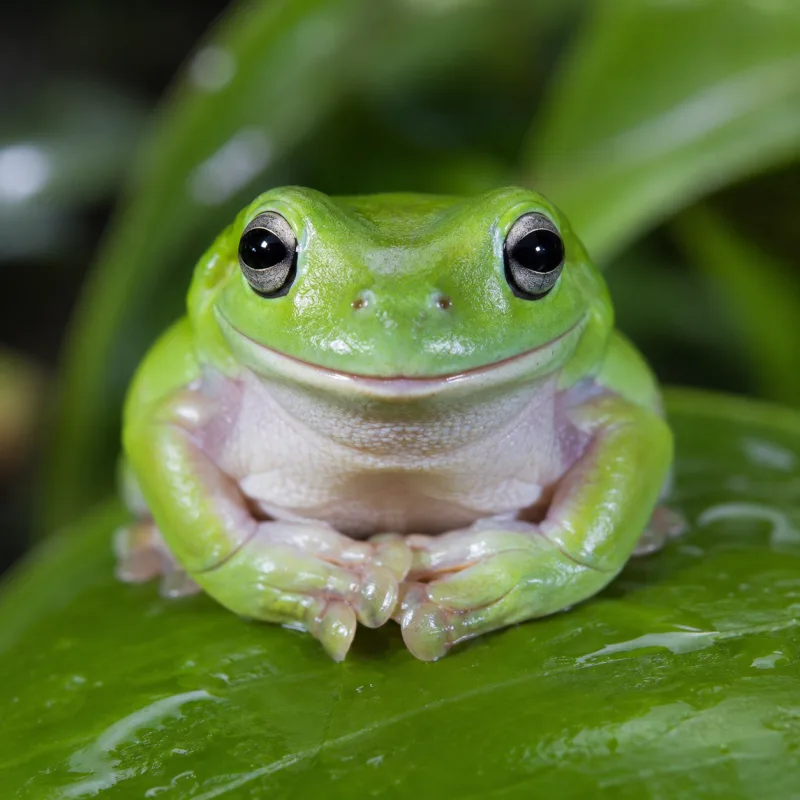
White's Tree Frogs (Litoria caerulea), also known as dumpy frogs, are one of the most popular pet amphibians due to their docile nature and distinctive, pudgy appearance. However, their laid-back demeanor and hearty appetite make them prone to obesity, a common and preventable health issue. This guide provides a detailed, evidence-backed diet and feeding schedule, including cricket, roach, and worm options, proper calcium dusting methods, and strategies to keep your frog at a healthy weight. Whether you're a beginner or an experienced keeper, these tips will help your White's Tree Frog thrive.
In this expanded guide, you'll find step-by-step feeding instructions, troubleshooting advice, common mistakes to avoid, and a detailed FAQ section—all grounded in the latest herpetological research and keeper experience.
Enclosure Setup
Before diving into diet, it's essential to set up the right environment. White's Tree Frogs are arboreal and need vertical space. A minimum enclosure size for one adult frog is 18" x 18" x 24" (45 x 45 x 60 cm). Use a glass or PVC terrarium with a screen top for ventilation. Include plenty of branches, vines, and large-leafed plants (live or silk) for climbing. Provide a shallow water dish for soaking and hydration. Substrate options include coconut fiber, sphagnum moss, or paper towels for easy cleaning. Avoid loose substrates that can be ingested.
Step-by-Step Enclosure Setup
- Choose the enclosure: A glass or PVC terrarium with front-opening doors is ideal for easy access and maintaining humidity. Screen top ensures ventilation.
- Add substrate: Use a 2-3 inch layer of coconut fiber or sphagnum moss. For quarantine or medical care, use paper towels.
- Install climbing structures: Place sturdy branches, cork bark, or PVC pipes vertically. Add silk or live plants with broad leaves (e.g., pothos, ficus) for hiding spots.
- Provide a water dish: Use a shallow, heavy dish that cannot be tipped over. Change water daily with dechlorinated water.
- Add a humid hide: Fill a small container with moist sphagnum moss and place it in a cooler area of the enclosure.
Substrate Comparison
| Substrate | Pros | Cons | Best Use |
|---|---|---|---|
| Coconut Fiber | Retains humidity, natural look | Can be ingested if not packed | Standard setup |
| Sphagnum Moss | Excellent humidity retention | Can harbor bacteria if not replaced | Humid hides |
| Paper Towels | Easy to clean, safe for quarantine | Not aesthetically pleasing | Quarantine, medical care |
Heating and Lighting
White's Tree Frogs are nocturnal and do not require intense UVB lighting, but low-level UVB (2-5%) can be beneficial for vitamin D synthesis and calcium absorption. Provide a temperature gradient: ambient daytime temperature 75-82°F (24-28°C) with a basking spot of 85°F (29°C). Nighttime temperatures can drop to 65-70°F (18-21°C). Use a low-wattage heat bulb or ceramic heat emitter. Avoid heat rocks, which can cause burns. A 12-hour light cycle is sufficient.
Heating Equipment Options
- Low-wattage basking bulb: Provides a localized basking spot. Use a thermostat to regulate.
- Ceramic heat emitter (CHE): Emits heat without light, ideal for nighttime use. Must be used with a thermostat.
- Under-tank heater (UTH): Not recommended for arboreal species as they may not benefit from floor heat.
UVB Lighting
While not strictly required, a 2-5% UVB bulb (e.g., ReptiSun 5.0) placed 12-18 inches from the basking spot can help prevent metabolic bone disease. Replace UVB bulbs every 6-12 months, as output diminishes over time.
Humidity
These frogs require moderate to high humidity, ideally 50-70%. Mist the enclosure daily with dechlorinated water. A hygrometer is essential for monitoring. Humidity can be maintained with a fogger or manual misting. Ensure good ventilation to prevent bacterial or fungal growth. Provide a humid hide (e.g., a moss-filled container) for shedding.
Maintaining Humidity: Step-by-Step
- Install a hygrometer at mid-height in the enclosure.
- Mist the enclosure once or twice daily with dechlorinated water, focusing on plants and substrate.
- Monitor humidity levels after misting—target 50-70%.
- Use a fogger if humidity drops too quickly, but ensure ventilation to prevent stagnant air.
- Replace substrate if it becomes waterlogged or moldy.
Troubleshooting Humidity Issues
- Humidity too low: Increase misting frequency, use a fogger, or add a larger water dish.
- Humidity too high: Increase ventilation by using a screen top or adding a small fan.
- Mold growth: Remove affected substrate, improve airflow, and reduce misting temporarily.
Diet and Feeding Schedule
White's Tree Frogs are insectivores. A varied diet is crucial for nutritional balance. Feed juveniles daily, adults every 2-3 days. Offer 3-6 appropriately sized insects per feeding. The prey should be no larger than the space between the frog's eyes.
Feeding by Age
| Age | Frequency | Prey Size | Number per Feeding |
|---|---|---|---|
| Froglet (under 3 months) | Daily | 1/4" pinhead crickets or 1/8" roaches | 3-4 |
| Juvenile (3-12 months) | Daily | 1/2" crickets or 1/2" roaches | 4-6 |
| Adult (over 12 months) | Every 2-3 days | 3/4" crickets or 3/4" roaches | 3-6 |
Step-by-Step Feeding Routine
- Prepare feeder insects: Gut-load crickets or roaches 24 hours before feeding with nutritious foods like leafy greens, carrots, or commercial gut-load.
- Dust with supplements: Place insects in a container with calcium powder (without D3) and shake gently to coat. For juveniles, use calcium with D3 twice a week.
- Offer food: Use feeding tongs or release insects into the enclosure. Remove any uneaten insects after 15-20 minutes to prevent stress or injury to the frog.
- Monitor intake: Observe your frog's body condition and adjust portions accordingly.
Crickets
Crickets are a staple. Gut-load them 24 hours before feeding with nutritious foods like leafy greens, carrots, or commercial gut-load. Dust with calcium powder (without D3) at every feeding for adults, and with calcium plus D3 twice a week for juveniles. Size options: 1/4" pinheads for froglets, 1/2" for juveniles, and 3/4" for adults.
Gut-Loading Crickets: Step-by-Step
- Place crickets in a ventilated container with a shallow dish of water gel or moist sponge.
- Add gut-load food (e.g., dark leafy greens, sweet potato, or commercial gut-load) for 24-48 hours before feeding.
- Remove any uneaten food after 48 hours to prevent mold.
Roaches
Dubia roaches are an excellent alternative to crickets. They are high in protein, low in fat, and less likely to escape. Feed them in similar sizes to crickets. Gut-load and dust with calcium. Roaches can be offered 2-3 times per week as part of a rotation.
Why Dubia Roaches?
- Nutrition: Higher calcium-to-phosphorus ratio than crickets.
- Low escape risk: Cannot climb smooth surfaces.
- Long lifespan: Can be kept in a colony for continuous supply.
Worms
Worms should be occasional treats due to higher fat content. Offer waxworms, mealworms, or butterworms once a week or less. Silkworms and hornworms are lower in fat and can be offered more frequently. Always dust worms with calcium. Avoid feeding wild-caught insects due to pesticide risk.
Worm Feeding Guidelines
- Waxworms: High fat—offer only as a treat once a week or less.
- Mealworms: Medium fat—offer once a week, but they have hard exoskeletons that may be hard to digest.
- Butterworms: High fat—treat only.
- Silkworms: Low fat, high calcium—can be offered 1-2 times per week.
- Hornworms: Low fat, high moisture—offer 1-2 times per week, but they grow quickly.
Calcium Dusting and Supplements
Dust all feeder insects with a calcium supplement (without D3) at every feeding. Once a week, use a multivitamin powder. For juveniles, use a calcium powder with D3 twice a week. Over-supplementation can cause health issues, so follow dosing instructions. Store supplements in a cool, dry place.
Supplementation Schedule
| Life Stage | Calcium (without D3) | Calcium with D3 | Multivitamin |
|---|---|---|---|
| Juveniles | Every feeding | 2 times/week | 1 time/week |
| Adults | Every feeding | Not needed (if UVB provided) | 1 time/week |
How to Dust Insects
- Place insects in a clean plastic bag or container.
- Add a small amount of calcium powder (just enough to coat lightly).
- Gently shake for 10-15 seconds until insects are evenly coated.
- Feed immediately to avoid powder being groomed off.
Obesity Prevention
White's Tree Frogs are prone to obesity due to their sedentary nature. Signs include a rounded back, fat pads over the eyes, and difficulty moving. Prevent obesity by: feeding appropriate portion sizes, limiting high-fat treats (waxworms, butterworms), providing climbing opportunities for exercise, and monitoring weight monthly. If your frog is overweight, reduce feeding frequency to every 3-4 days and offer smaller prey. Consult a vet if obesity persists.
Body Condition Score
- Ideal: Smooth, straight back; no visible fat pads over eyes.
- Overweight: Rounded back, fat pads over eyes, skin folds.
- Obese: Difficulty moving, excessive fat over limbs.
Weight Monitoring
- Use a digital kitchen scale to weigh your frog monthly.
- Record weight in a log to track trends.
- Adult frogs typically weigh 40-60 grams, but this varies by individual.
Comparison Table: Feeder Insects
| Insect | Protein | Fat | Calcium | Feeding Frequency | Size Options |
|---|---|---|---|---|---|
| Cricket | High | Low | Low | Staple (daily for juv., every 2-3 days for adults) | 1/4" - 3/4" |
| Dubia Roach | High | Low | Medium | 2-3 times/week | 1/4" - 1" |
| Waxworm | Low | High | Low | Treat (once a week) | 1/2" - 1" |
| Mealworm | Medium | Medium | Low | Treat (once a week) | 1/2" - 1" |
| Silkworm | High | Low | High | 1-2 times/week | 1/2" - 1" |
| Hornworm | Medium | Low | Medium | 1-2 times/week | 1/2" - 2" |
Handling
White's Tree Frogs tolerate occasional handling but are delicate. Always wash hands thoroughly before and after handling to avoid transferring oils or bacteria. Use a gentle, two-handed scooping motion. Limit handling to a few minutes to reduce stress. Avoid handling during shedding (when the frog appears dull or cloudy).
Step-by-Step Safe Handling
- Wash hands with fragrance-free soap and rinse thoroughly.
- Wet your hands with dechlorinated water to avoid removing the frog's protective skin mucus.
- Gently scoop the frog from underneath, supporting its body with both hands.
- Keep handling sessions short (under 5 minutes) and infrequent.
- Wash hands again after handling.
When Not to Handle
- During shedding (frog appears dull or cloudy).
- Within 48 hours after feeding (to avoid regurgitation).
- If the frog shows signs of stress (e.g., dark coloration, excessive jumping).
Common Health Issues
Obesity is the most common issue, but other problems include metabolic bone disease (MBD) from insufficient calcium or UVB, bacterial infections from poor hygiene, and red-leg syndrome (a bacterial infection). Signs of MBD include lethargy, tremors, and soft jaw. Prevent MBD with proper supplementation and UVB. Maintain clean water and substrate to avoid infections. Quarantine new frogs for 30 days.
Metabolic Bone Disease (MBD)
- Causes: Lack of calcium supplementation, no UVB, or high-phosphorus diet.
- Symptoms: Tremors, soft jaw, deformed limbs, lethargy.
- Prevention: Dust insects with calcium at every feeding, provide UVB (2-5%), and ensure a varied diet.
Red-Leg Syndrome
- Causes: Bacterial infection (often Aeromonas) from poor hygiene.
- Symptoms: Reddening of the legs, lethargy, loss of appetite.
- Prevention: Clean water dish daily, spot-clean substrate, and maintain proper humidity.
Quarantine Protocol for New Frogs
- Keep new frogs in a separate enclosure for 30 days.
- Use paper towels as substrate for easy monitoring.
- Monitor for signs of illness (e.g., weight loss, abnormal feces).
- Wash hands between enclosures to prevent cross-contamination.
Lessons From Experienced Keepers
Common keeper errors include overfeeding (leading to obesity), using incorrect supplements (e.g., calcium with D3 too often), neglecting UVB, handling too frequently, and providing inadequate humidity. Another mistake is feeding only one type of insect—variety is key. Always research and follow a balanced feeding schedule.
Top 5 Feeding Mistakes to Avoid
- Overfeeding: Offering too many insects or feeding too often leads to obesity. Stick to the schedule.
- Incorrect prey size: Feeding prey too large can cause impaction. Use the rule: no larger than the space between the frog's eyes.
- Skipping calcium dusting: Leads to MBD. Dust every feeding.
- Feeding only one insect type: Causes nutritional imbalances. Rotate crickets, roaches, and worms.
- Offering wild-caught insects: Risk of pesticides and parasites. Only use commercially raised feeders.
Success Tips from Keepers
- Keep a feeding log to track portions and weight.
- Use feeding tongs to avoid accidental bites (frogs may mistake fingers for food).
- Provide a shallow water dish large enough for soaking, but not deep enough to drown.
- Observe your frog's behavior after feeding—if it refuses food, check temperature and humidity.
Frequently Asked Questions
How often should I feed my adult White's Tree Frog?
Adult White's Tree Frogs should be fed every 2-3 days, offering 3-6 appropriately sized insects per feeding. The prey should be no larger than the space between the frog's eyes. Overfeeding can lead to obesity, so stick to this schedule and monitor weight monthly.
What are the best feeder insects for a White's Tree Frog?
Crickets and Dubia roaches are excellent staples due to their high protein and low fat content. Silkworms and hornworms are also good options because they are low in fat and high in calcium. Waxworms, mealworms, and butterworms should be offered only as occasional treats due to their high fat content.
Do I need to dust feeder insects with calcium?
Yes, dust all feeder insects with a calcium supplement (without D3) at every feeding. Once a week, use a multivitamin powder. For juveniles, use a calcium powder with D3 twice a week. Over-supplementation can cause health issues, so follow dosing instructions carefully.
How can I tell if my White's Tree Frog is overweight?
Signs of obesity include a rounded back, fat pads over the eyes, and difficulty moving. To prevent obesity, feed appropriate portion sizes, limit high-fat treats, provide climbing opportunities for exercise, and monitor weight monthly. If your frog is overweight, reduce feeding frequency to every 3-4 days and offer smaller prey.
Conclusion
With a proper diet, appropriate supplementation, and mindful feeding habits, your White's Tree Frog can live a long, healthy life (up to 16 years in captivity). Remember to rotate feeder insects, dust with calcium, and monitor weight regularly. By avoiding overfeeding and providing an enriching environment, you'll prevent obesity and ensure your dumpy frog remains active and vibrant. For more detailed care, consult a reptile veterinarian.
Related Reading
- White Tree Frog Care Guide — Complete husbandry manual.
- White Tree Frog Morph Guide — Blue phase, snowflake variants.
- Pacman Frog Feeding Guide — Compare amphibian diets.
Check optimal temps, calculate feeding, and find your perfect species match.
References
- Browne, R. K., & Zippel, K. (2007). Reproduction and larval rearing of amphibians. ILAR Journal, 48(3), 214-234.
- de Vosjoli, P., & Mailloux, R. (2010). The Art of Keeping Tree Frogs. Advanced Vivarium Systems.
- Johnson, J. D. (2015). Amphibian Medicine and Husbandry. CRC Press.
- Kaplan, M. (2019). White's Tree Frog Care: A Comprehensive Guide. Herpetological Press.
🐾 Join the Community
See how other keepers set up their enclosures, ask questions, and share your experience.
🛠️ Apply What You Learned
Check optimal temps, calculate feeding schedules, and get calcium dosage — all personalized for your species.
Comments
No account needed — corrections, updates and questions are all welcome. For a full question with photos, the community Q&A is the better place.