Pacman Frog Morphs & Colors (With Prices)
Introduction to Pacman Frog Morphs
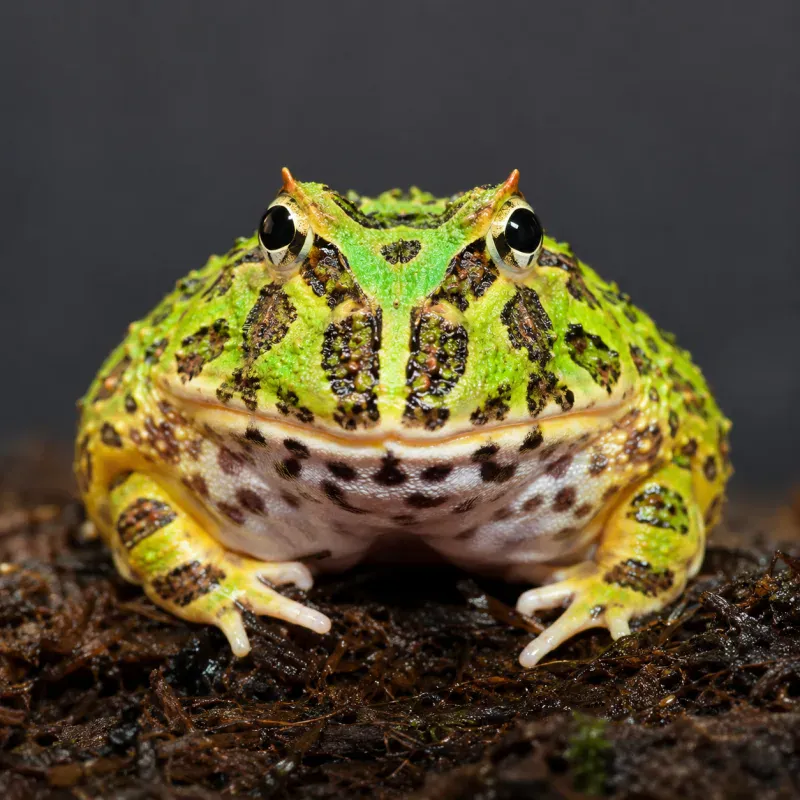
Pacman frogs (Ceratophrys ornata) are beloved for their round bodies, massive mouths, and vibrant color variations. Over the years, selective breeding has produced a stunning array of morphs—from the classic green-and-brown wild type to eye-catching albino, strawberry, apricot, and mint variants. Each morph not only offers a unique aesthetic but can also influence price, availability, and even subtle care considerations. This guide dives into the most popular Pacman frog color morphs, their typical pricing, and how to provide optimal husbandry for these captivating amphibians.
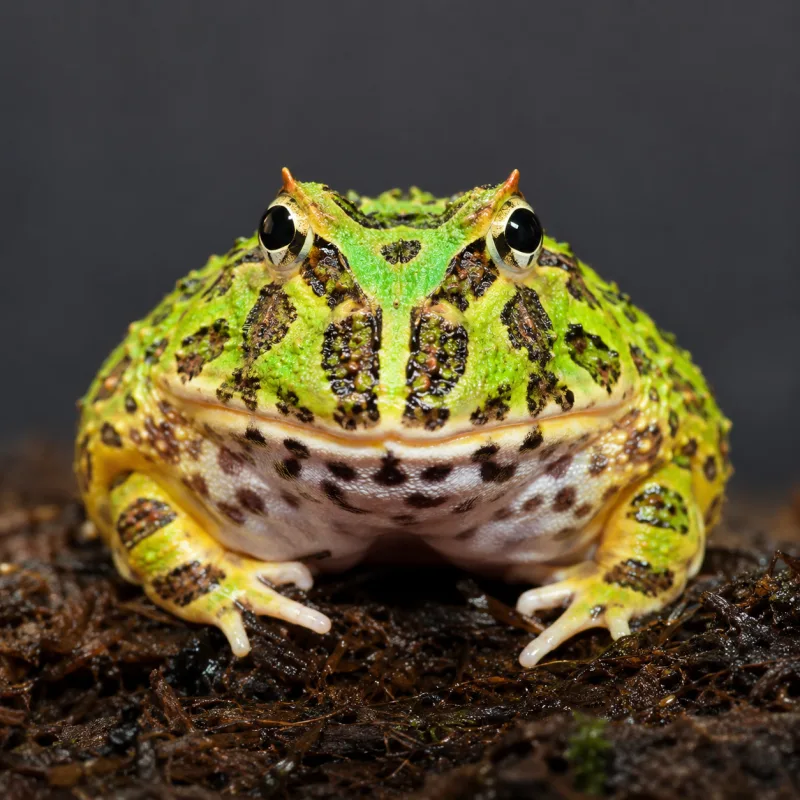
Understanding morphs is essential for both new and experienced keepers. Morphs are genetic variations that affect color, pattern, and sometimes eye color. While all Pacman frogs share similar care requirements, certain morphs like albinos may have heightened sensitivity to light. This guide will help you choose the right morph for your experience level and budget, and ensure you provide the best possible care.
Popular Pacman Frog Morphs and Colors
Pacman Frog Colors at a Glance
Four colour morphs dominate the trade, and they are easy to tell apart once you know what to look for. Prices are typical US hobby ranges for captive-bred animals; size, sex and the breeder's line move them.
| Morph | What it looks like | Typical price | Availability |
|---|---|---|---|
| Albino | Pale yellow to creamy white body, red or orange eyes, no dark pigment | $30–$60 | Very common |
| Apricot | Warm peach-orange wash over a light ground, dark eyes | $50–$100 | Uncommon, increasing |
| Strawberry | Pink-red to strawberry tones, often with a lighter belly | $100–$250 | Moderate |
| Mint | Green-tinged body with reduced pattern — the newest line | $200–$500 | Rare |
So "how many Pacman frog colours are there?" has two answers: four mainstream colour morphs in captivity, plus the natural greens and browns that wild-type Cranwell's and ornate animals still show. Profiles for each morph follow below.
Albino Pacman Frog
Albino Pacman frogs lack melanin, resulting in a pale yellow or cream body with bright red or orange eyes. They are among the most common captive-bred morphs, making them affordable and widely available. Their light coloration can make them more sensitive to bright light, so provide plenty of shaded hides.
- Appearance: Pale yellow to creamy white with red/orange eyes
- Price Range: $30–$60
- Availability: Very common
Care considerations: Because albinos have no melanin, they are more prone to stress under intense lighting. Use low-wattage LEDs and ensure the enclosure has multiple hides, such as cork bark or live plants, to create dim microclimates. Avoid UVB lighting, as it can cause photokeratitis and discomfort.
Strawberry Pacman Frog
The Strawberry morph features a bright red or pinkish-red base color with darker spots, resembling a strawberry. This morph is highly sought after for its striking contrast. Strawberry Pacmans often command higher prices due to their rarity and visual appeal.
- Appearance: Bright red/pink body with dark spots
- Price Range: $100–$250
- Availability: Moderate; popular among collectors
Care considerations: Strawberry morphs are generally hardy, but their bright coloration can fade if they are stressed or kept in poor conditions. Maintain stable temperatures and humidity to preserve their vivid hues. Some breeders note that Strawberry morphs may have slightly more sensitive skin, so handle them even less than other morphs.
Apricot Pacman Frog
Apricot morphs display a warm, orange-peach hue with subtle patterning. They are a variation of the albino line, often with lighter eyes and a softer overall tone. Apricot Pacmans are less common than standard albinos but more affordable than Strawberry.
- Appearance: Orange-peach body with faint spots
- Price Range: $50–$100
- Availability: Uncommon but increasing
Care considerations: Similar to albinos, apricot morphs are light-sensitive. Use dim lighting and provide ample leaf litter or moss for them to burrow under. Their light coloration also makes them more visible to potential predators, but in captivity this is not an issue. Ensure the substrate is deep enough for burrowing to help them feel secure.
Mint Pacman Frog
Mint Pacman frogs exhibit a cool, pale green or blue-green coloration, often with a powdery finish. This morph is relatively new and highly prized for its pastel-like appearance. Mint specimens are rare and can be expensive.
- Appearance: Pale green to blue-green with minimal spotting
- Price Range: $200–$500+
- Availability: Rare; often from specialized breeders
Care considerations: Mint morphs are often produced from lines that may carry recessive traits. While their care is identical to other morphs, their rarity means you should buy from a breeder who provides lineage documentation. Because they are expensive, it's wise to quarantine them longer (30–45 days) and have a vet check-up upon arrival.
Other Notable Morphs
Other color variants include High Red (intense red/orange), Samurai (dark patterns on orange), Green (vibrant emerald), and Chocolate (brown with dark markings). Prices vary widely based on rarity and lineage.
| Morph | Base Color | Eye Color | Price Range | Rarity |
|---|---|---|---|---|
| Albino | Pale yellow/cream | Red/orange | $30–$60 | Common |
| Strawberry | Bright red/pink | Dark | $100–$250 | Moderate |
| Apricot | Orange-peach | Light | $50–$100 | Uncommon |
| Mint | Pale green/blue-green | Dark | $200–$500+ | Rare |
| High Red | Intense red/orange | Dark | $80–$200 | Moderate |
When selecting a morph, consider not only the price but also the breeder's reputation. Reputable breeders prioritize health and genetic diversity over color extremes, which reduces the risk of inherited health issues.
Enclosure Setup for Pacman Frogs
A 10-gallon tank is the minimum for one adult Pacman frog (10–20 gallons recommended). Use a secure mesh lid to prevent escape and allow ventilation. Substrate should be moisture-retentive and safe for burrowing, such as coconut fiber (Eco Earth), sphagnum moss, or organic topsoil. Provide 4–6 inches of substrate for burrowing. Include a shallow water dish (dechlorinated water) and several hides (cork bark, half-logs, or live plants). Avoid sharp decorations.
Step-by-Step Enclosure Setup
- Choose the tank: A 10-gallon glass terrarium (20" x 10" x 12") is ideal for one adult. For juveniles, a 5-gallon can suffice temporarily, but upgrading to 10 gallons by 6 months avoids stress.
- Add the substrate: Rinse coconut fiber or topsoil thoroughly to remove dust. Dampen it with dechlorinated water until it holds shape when squeezed but doesn't drip. Fill to a depth of 4–6 inches, sloping it higher at the back for a natural look.
- Install heating: Place an under-tank heater (UTH) on one side, covering no more than one-third of the bottom. Connect it to a thermostat set to 78°F. Alternatively, use a low-wattage ceramic heat emitter above the warm side, but never use heat lamps as they dry the enclosure.
- Set up lighting: Use a low-wattage LED strip on a 12-hour timer. For albino and apricot morphs, choose a dimmer LED or add a layer of floating plants to diffuse light.
- Add hides and water dish: Place a shallow water dish (no more than 1 inch deep for juveniles, 2 inches for adults) on the cool side. Add cork bark, half-logs, or live plants like pothos or bromeliads. Ensure hides are stable and cannot collapse.
- Monitor humidity: Install a digital hygrometer on the cool side. Mist the enclosure 1–2 times daily with dechlorinated water to maintain 70–85% humidity. Adjust misting frequency based on your ambient humidity.
Substrate Comparison
| Substrate | Pros | Cons | Best Use |
|---|---|---|---|
| Coconut fiber (Eco Earth) | Retains moisture well, easy to burrow | Can be dusty if dry | Most recommended |
| Sphagnum moss | High moisture retention, soft | May harbor mold if not ventilated | Humidity boost, nesting areas |
| Organic topsoil | Natural, good for burrowing | Must be free of fertilizers | Alternative to coconut fiber |
| Gravel or sand | Easy to clean | High impaction risk, low moisture retention | Avoid entirely |
Common mistake: Using a substrate that is too shallow. Pacman frogs love to burrow, and insufficient depth causes stress and skin issues. Always provide at least 4 inches.
Heating, Lighting, and Humidity
Temperature
Maintain a thermal gradient: 75–80°F (24–27°C) on the warm side and 70–75°F (21–24°C) on the cool side. Use an under-tank heater (UTH) or low-wattage ceramic heat emitter. Avoid heat lamps that dry out the enclosure. Use a thermostat to prevent overheating.
How to measure: Place digital thermometers at both ends of the tank, at substrate level. Check daily. If the warm side exceeds 82°F, reduce the UTH wattage or use a dimmer. If it drops below 70°F, add a low-wattage heat mat on the side.
Lighting
Pacman frogs are nocturnal and do not require UVB lighting, but a low-level LED day/night cycle (12 hours on/off) helps regulate circadian rhythms. For albino morphs, reduce light intensity to prevent stress.
Troubleshooting: If your frog is staying hidden more than usual, the lighting may be too bright. Use a timer to ensure consistent cycles, and avoid leaving lights on at night. Some keepers use a red or blue night light to observe without disturbing the frog.
Humidity
Maintain 70–85% humidity. Mist the enclosure 1–2 times daily with dechlorinated water. Use a digital hygrometer to monitor. Substrate should be damp but not waterlogged. Good ventilation prevents mold and bacterial growth.
Adjusting humidity: In dry climates, mist more frequently or use a fogger for short bursts. In humid climates, increase ventilation by using a screen lid with more mesh. If you notice condensation on the glass, reduce misting and open the lid slightly.
Diet and Feeding
Pacman frogs are voracious eaters. Offer appropriately sized prey every 2–3 days for juveniles, and every 4–7 days for adults. Staple feeders include crickets, dubia roaches, nightcrawlers, and silkworms. Occasional treats: hornworms (hydration) and pinky mice (adults only, once a month). Dust feeders with calcium + D3 powder at every feeding, and a multivitamin once weekly. Avoid overfeeding—obesity is common.
Feeding Schedule by Age
| Age | Frequency | Prey Size | Examples |
|---|---|---|---|
| Juvenile (under 6 months) | Every 2–3 days | 1/4 inch crickets, small dubia nymphs | 2–4 crickets per feeding |
| Sub-adult (6–12 months) | Every 3–4 days | 1/2 inch crickets, medium roaches | 4–6 crickets or 2–3 roaches |
| Adult (over 1 year) | Every 4–7 days | Large crickets, nightcrawlers, pinky mice | 6–8 crickets or 1–2 nightcrawlers |
Supplementation tips: Use a calcium powder with vitamin D3 for every feeding. For adults, reduce to every other feeding if they are prone to obesity. Multivitamins should be given once a week, but avoid over-supplementing as it can cause toxicity. Always dust feeders just before offering them, as the powder can fall off.
Common feeding mistakes:
- Overfeeding: Pacman frogs will eat until they are obese. Stick to the schedule and monitor body condition. A healthy frog should have a rounded but not bloated appearance.
- Wrong prey size: Prey should be no larger than the space between the frog's eyes. Too large prey can cause impaction or regurgitation.
- Feeding pinky mice too often: Pinky mice are high in fat and should be a monthly treat for adults only. Frequent feeding can lead to obesity and liver issues.
- Ignoring gut-loading: Feed your crickets and roaches a nutritious diet (carrots, leafy greens) for 24 hours before offering them to your frog.
Handling and Temperament
Pacman frogs are not handleable pets. They have a strong bite and can become stressed by handling. Always wash hands before and after any contact. If you must move your frog (e.g., for cleaning), use a soft, damp cloth or scoop gently. Never grab from above (predator instinct). Young frogs may be more skittish; adults often remain still but can bite if provoked.
Safe Handling Techniques
- Wash hands thoroughly with fragrance-free soap and rinse well to remove any chemicals.
- Moisten your hands with dechlorinated water to avoid removing their protective skin mucus.
- Scoop from underneath: Gently slide your hand under the frog's belly, supporting its weight. Avoid touching its back or head.
- Keep handling to a minimum: Limit to necessary maintenance, no more than once a week. Each handling session should be under 5 minutes.
- After handling, wash your hands again to avoid transferring any bacteria.
Signs of stress: If your frog tries to inflate its body, hisses, or attempts to bite, return it to its enclosure immediately. Chronic stress can lead to appetite loss and weakened immunity.
Bite safety: Pacman frogs have powerful jaws. If bitten, do not pull away—gently run the frog's head under cool water to encourage it to release. Seek medical attention if the skin is broken, as their mouths harbor bacteria.
Common Health Issues
- Obesity: From overfeeding; reduce prey size and frequency.
- Metabolic Bone Disease (MBD): Caused by calcium deficiency or lack of UVB; supplement with calcium + D3.
- Red-Leg Syndrome: Bacterial infection causing reddening of limbs; requires veterinary antibiotics.
- Fungal Infections: From high humidity with poor ventilation; improve airflow and reduce moisture.
- Impaction: From ingesting substrate; use large, smooth particles and avoid loose materials.
Detailed Symptom Check
| Condition | Symptoms | Prevention | Treatment |
|---|---|---|---|
| Obesity | Excessive fat pads, lethargy | Stick to feeding schedule | Reduce feeding frequency, offer smaller prey |
| MBD | Soft jaw, tremors, bent limbs | Calcium + D3 supplementation | Vet-prescribed calcium injections, UVB therapy |
| Red-Leg Syndrome | Reddening of thighs, lethargy, loss of appetite | Clean enclosure, quarantine new frogs | Veterinary antibiotics, improve hygiene |
| Fungal Infection | White patches, shedding issues | Proper ventilation, avoid waterlogging | Antifungal treatment, reduce humidity |
| Impaction | Lethargy, no bowel movements, bloating | Use safe substrate, avoid loose particles | Warm soaks, vet if severe |
Quarantine protocol: Always quarantine new frogs for 30 days in a separate enclosure with minimal decoration. Monitor for signs of illness before introducing them to your main collection. This prevents the spread of parasites and diseases.
What Not to Do
- Overhandling: Stresses the frog and can lead to injury.
- Improper Substrate: Gravel or sand can cause impaction; use coconut fiber or topsoil.
- Inconsistent Humidity: Fluctuations cause shedding problems and respiratory issues.
- Feeding Incorrect Prey Size: Prey should be no larger than the space between the frog's eyes.
- Ignoring Quarantine: Always quarantine new frogs for 30 days to prevent disease spread.
Additional Mistakes to Avoid
- Using tap water without dechlorinator: Chlorine and chloramine can be toxic. Always treat water with a dechlorinating solution.
- Placing the tank in direct sunlight: This can cause temperature spikes and algae growth. Use artificial lighting instead.
- Feeding wild-caught insects: They may carry pesticides or parasites. Stick to captive-bred feeders.
- Ignoring skin shedding: If your frog has trouble shedding, increase humidity and provide a rough surface like cork bark to rub against.
- Keeping multiple Pacman frogs together: They are cannibalistic. Always house them singly.
By understanding the unique traits of each morph and providing consistent care, you can enjoy a healthy, colorful Pacman frog for years to come. Always buy from reputable breeders who prioritize health over color.
Related Reading
- Pacman Frog Care
- Pacman Frog Feeding
- White Tree Frog Morphs
- Pacman Frog Temperature & Humidity Guide — the thermal targets that apply to every Ceratophrys morph.
More Morph Guides
Every species has its own vocabulary of morphs, lines and price tiers. These guides cover the ones we track:
- Rosy Boa Morphs — coastal, desert and Mexican localities plus albino lines.
- Milk Snake Morphs — Pueblan, Honduran, Nelson's and Sinaloan.
- King Snake Morphs — California, Mexican black, Florida and Brooks.
- Ball Python Morphs — 30 of the most popular, with genetics and prices.
- Uromastyx Types — five species compared by size and heat.
Frequently Asked Questions
What are the price ranges and rarity levels for the main Pacman frog morphs?
Albino morphs are common and cost $30–$60. Strawberry morphs are moderately available and cost $100–$250. Apricot morphs are uncommon and cost $50–$100. Mint morphs are rare and cost $200–$500 or more.
What are the recommended temperature and humidity ranges for Pacman frogs?
Maintain a thermal gradient of 75–80°F on the warm side and 70–75°F on the cool side. Humidity should be kept at 70–85%, with the enclosure misted 1–2 times daily using dechlorinated water.
How often should juvenile and adult Pacman frogs be fed, and what are staple feeders?
Juveniles should be offered appropriately sized prey every 2–3 days, while adults should be fed every 4–7 days. Staple feeders include crickets, dubia roaches, nightcrawlers, and silkworms.
What are common health issues for Pacman frogs and their causes?
Common issues include obesity from overfeeding, metabolic bone disease from calcium deficiency, red-leg syndrome from bacterial infection, fungal infections from high humidity with poor ventilation, and impaction from ingesting substrate like gravel or sand.
Check optimal temps, calculate feeding, and find your perfect species match.
References
- Baxter, J. (2020). Pacman Frog Care Guide. Herpetological Publishing.
- Smith, R. (2019). Morphs and Genetics of Ceratophrys. Amphibian Breeder Quarterly.
🐾 Join the Community
See how other keepers set up their enclosures, ask questions, and share your experience.
🛠️ Apply What You Learned
Check optimal temps, calculate feeding schedules, and get calcium dosage — all personalized for your species.
Comments
No account needed — corrections, updates and questions are all welcome. For a full question with photos, the community Q&A is the better place.