King Snake Morphs: Mexican Black & California
Introduction
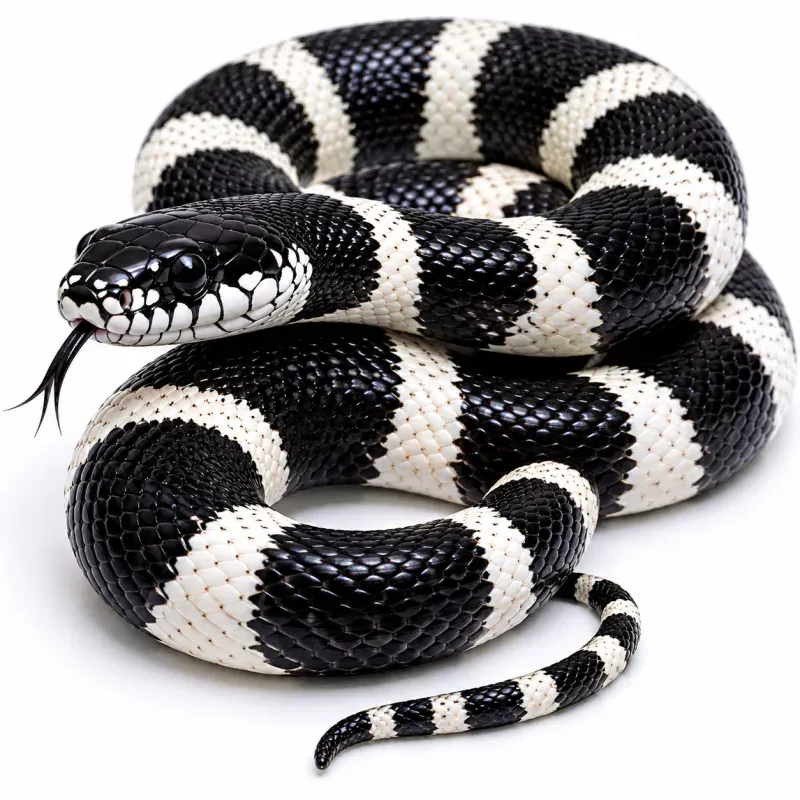
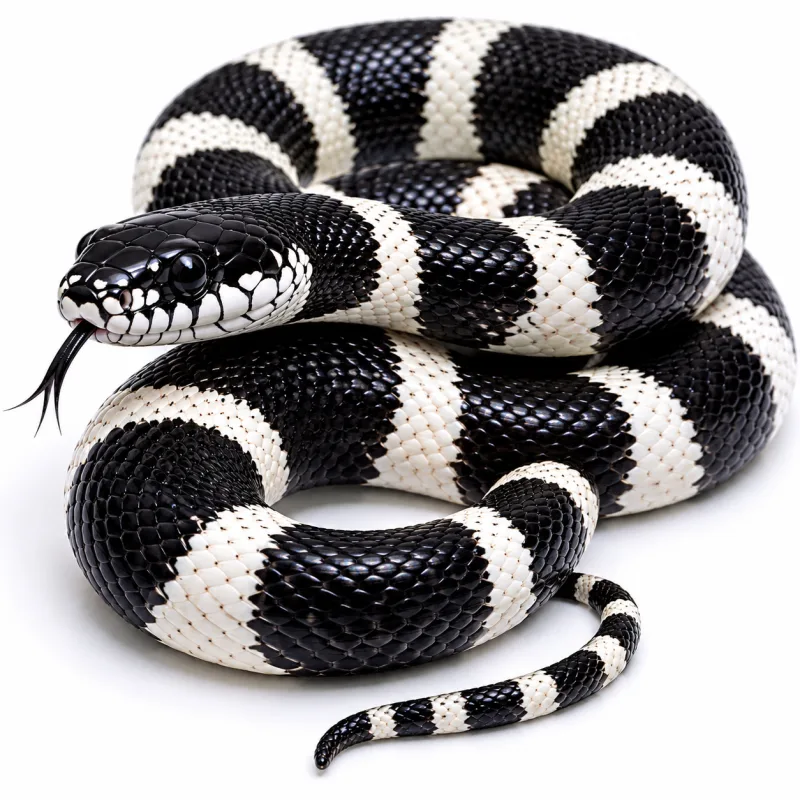
King snakes (Lampropeltis spp.) are among the most popular pet snakes for beginners and experienced keepers alike. Their docile temperament, manageable size, and stunning color variations make them a joy to keep. This guide covers four of the most sought-after morphs: the California King (Lampropeltis californiae), Mexican Black King (Lampropeltis getula nigrita), Florida King (Lampropeltis getula floridana), and Brooks King (Lampropeltis getula brooksi). We’ll dive into their pattern genetics, price ranges, and provide a complete care roadmap.
Morph Overview: Genetics, Patterns, and Prices
Each king snake morph arises from selective breeding of naturally occurring color and pattern variations. Below is a comparative breakdown of the four morphs.
| Morph | Pattern Genetics | Base Color | Pattern | Typical Price Range (Juvenile) |
|---|---|---|---|---|
| California King | Wild-type (dominant) for banded; recessive for striped/melanistic | Black or dark brown | White or yellow bands (banded), or solid black with white stripes (striped) | $50–$150 |
| Mexican Black King | Recessive melanistic (lacks pattern); solid black | Jet black (iridescent sheen) | None (solid) | $100–$300 |
| Florida King | Wild-type; variable banding and speckling | Brown or black | Yellow or white bands with speckling; often lighter overall | $60–$180 |
| Brooks King | Recessive for reduced pattern; often banded or speckled | Dark brown to black | Narrow, irregular white or yellow bands; may have speckling | $80–$250 |
Prices vary based on lineage, color intensity, and rarity. High-end specimens (e.g., extreme red or hypo melanistic) can exceed $500.
How to Choose a Morph
When selecting a morph, consider your experience level and aesthetic preference. California Kings are widely available and affordable, making them great for beginners. Mexican Black Kings are striking but slightly pricier; their solid black appearance is unique. Florida and Brooks Kings offer subtle variations in banding and speckling. Always buy from a reputable breeder who can provide genetic history and health records.
Morph Comparison: Which One Fits Your Lifestyle?
While all four morphs share similar care requirements, subtle differences in temperament, activity, and availability might influence your choice. The table below summarizes key considerations beyond price.
| Morph | Typical Temperament | Activity Level | Availability | Best For |
|---|---|---|---|---|
| California King | Docile, rarely musks | Moderate | Very common | Beginners |
| Mexican Black King | Calm, curious | Moderate to high | Common | Enthusiasts wanting a unique look |
| Florida King | Can be slightly more defensive | Moderate | Less common | Keepers interested in natural variation |
| Brooks King | Generally docile | Moderate | Less common | Collectors |
Regardless of morph, individual personality varies. Always handle new snakes gently and consistently to build trust.
California King Snake Morphs (The Beginner Favorites)
California kingsnakes (Lampropeltis californiae) are the most commonly kept king snakes, and they carry most of the hobby's available morphs. If you are searching for "california king snake morphs," these are the ones seen for sale most often:
| Morph | Type | Look |
|---|---|---|
| Albino | Recessive | Lacks black pigment — white and flushed-yellow bands with red or orange eyes |
| Banana | Dominant | Pale, washed-out appearance that develops with age |
| High White / Striped | Line-bred | Wide white bands, or a clean stripe down the back |
| Blizzard | Line-bred | White with faint pattern and dark eyes |
| Hypomelanistic | Recessive | Reduced black; brighter yellows and whites |
A quick buying tip: "high white" is a gradient, not a fixed morph — ask for photos of the individual animal, not just the label. For price bands by morph and what to look for in a healthy juvenile, compare with the overview table above.
Enclosure Setup
King snakes are active, ground-dwelling snakes that require a secure, spacious enclosure. A proper setup mimics their natural habitat and reduces stress.
Enclosure Size by Life Stage
| Life Stage | Length | Minimum Tank Size | Dimensions (LxWxH) |
|---|---|---|---|
| Hatchling | Up to 18 inches | 10-gallon | 20x10x12 inches |
| Juvenile | 18–30 inches | 20-gallon | 30x12x12 inches |
| Adult | 3–5 feet | 40-gallon breeder or 4x2x2-foot PVC | 36x18x16 inches or 48x24x24 inches |
PVC cages are excellent for adults because they retain heat and humidity better than glass tanks and are easier to clean.
Substrate Options
- Aspen shavings: Safe, absorbent, and easy to spot-clean. Avoid if you live in a very dry climate as it can become dusty.
- Cypress mulch: Retains humidity well, good for shedding. Ensure it's free of pests.
- Paper towels: Best for quarantine or hatchlings; easy to monitor health.
- Avoid: Cedar or pine (toxic), sand (can cause impaction), and reptile carpet (harbors bacteria).
Furniture and Enrichment
- Hides: Provide at least two hides—one on the warm end, one on the cool end. Cork bark, half-logs, or commercial reptile caves work well.
- Climbing & Enrichment: Add sturdy branches, fake plants, or low ledges. King snakes are not strong climbers but appreciate vertical elements.
- Water Bowl: A heavy ceramic bowl large enough for soaking, placed on the cool end.
Setting Up Step-by-Step
- Clean the enclosure with a reptile-safe disinfectant and rinse thoroughly.
- Place the substrate, 2–3 inches deep.
- Install the heating element (heat mat or CHE) on one side, connected to a thermostat.
- Add hides, branches, and water bowl.
- Set up the thermometer and hygrometer on opposite ends.
- Allow the enclosure to reach target temperatures before introducing your snake.
Step-by-Step: Setting Up a Bioactive Enclosure
For advanced keepers, a bioactive setup can provide naturalistic enrichment and reduce cleaning frequency. Follow these steps:
- Drainage layer: Add 1–2 inches of clay balls or pebbles at the bottom to prevent waterlogging.
- Separation mesh: Place a weed barrier or screen over the drainage layer to keep substrate separate.
- Substrate mix: Use a blend of organic topsoil, cypress mulch, and sphagnum moss (3:1:1 ratio) for moisture retention and burrowing.
- Clean-up crew: Introduce springtails and isopods to break down waste.
- Live plants: Choose hardy species like pothos or snake plant; ensure they are non-toxic and can tolerate low light.
- Leaf litter: Add dried oak or magnolia leaves for cover and to support the clean-up crew.
- Monitor: Check humidity and temperature regularly; bioactive setups may require slight adjustments to maintain 40–60% humidity.
Bioactive enclosures are not necessary for king snakes but can enhance their environment. Always quarantine new plants and substrates to avoid introducing pests.
Heating and Lighting
King snakes are ectothermic and require a thermal gradient to regulate body temperature. Proper heating is critical for digestion and immune function.
Temperature Zones
| Zone | Temperature (°F) | Temperature (°C) |
|---|---|---|
| Basking Spot | 88–92 | 31–33 |
| Cool Side | 70–75 | 21–24 |
| Night Drop | 65–70 | 18–21 |
Use a ceramic heat emitter (CHE) or heat mat regulated by a thermostat. Avoid heat rocks—they can cause severe burns.
Lighting
No UVB is strictly required if they receive a natural day/night cycle (12 hours light, 12 dark). However, low-level UVB (2–5% bulb) can promote overall health and vitamin D synthesis. Provide a consistent photoperiod using a timer.
Troubleshooting Temperature Issues
- Too hot: Check thermostat settings; move heat source further away; increase ventilation.
- Too cold: Increase wattage or add a secondary heat source; insulate the enclosure.
- Fluctuations: Ensure the room has stable ambient temperature; avoid placing near drafts or direct sunlight.
Seasonal Temperature Adjustments
As seasons change, room temperatures can affect your enclosure. Here’s how to adapt:
- Winter: If your home gets cold, increase the wattage of your heat source or add a second heat mat. Insulate the enclosure with foam panels on the sides and back, but never block ventilation.
- Summer: If your room overheats, reduce heat source wattage or raise the thermostat setpoint. Ensure the enclosure is not in direct sunlight, and increase ventilation by opening vents or using a small fan.
- Spring/Fall: Monitor temperatures daily as ambient conditions fluctuate. Adjust the thermostat gradually to maintain the target gradient.
Always use a digital thermometer with a probe to verify temperatures at the basking spot and cool side, not just rely on the thermostat reading.
Humidity and Hydration
King snakes thrive at moderate humidity (40–60%). Proper humidity supports healthy shedding and respiratory function.
Measuring and Adjusting
- Measurement: Use a digital hygrometer placed on the cool side.
- Adjustments: In dry climates, mist the enclosure lightly once a day or use a larger water bowl. In humid climates, ensure ventilation to prevent mold.
- Shedding: When in shed, increase humidity to 60–70% by misting the enclosure or providing a humid hide (damp sphagnum moss in a hide).
Common Humidity Problems
- Too dry: Causes stuck shed, especially around eyes and tail. Increase misting and add a humid hide.
- Too wet: Leads to scale rot and respiratory issues. Improve ventilation and remove wet substrate.
Troubleshooting Humidity Imbalances
If you encounter persistent humidity issues, consider these solutions:
- Low humidity: Use a mister or fogger set on a timer for short bursts. Alternatively, place a shallow dish of water on the warm side to increase evaporation. For a humid hide, fill a container with damp sphagnum moss and place it over the warm end.
- High humidity: Switch to a less moisture-retentive substrate like aspen shavings. Increase air circulation with a small, low-speed fan placed outside the enclosure. Remove any standing water or wet substrate immediately.
- Inconsistent readings: Calibrate your hygrometer by placing it in a sealed bag with a damp paper towel for an hour; it should read around 75%. If not, replace it.
Regularly check the substrate moisture by feel—it should be slightly damp but not soggy. Adjust misting frequency based on your local climate.
Diet and Feeding
King snakes are opportunistic predators and will eat frozen-thawed rodents exclusively. A proper diet ensures growth and longevity.
Feeding Schedule and Prey Size
| Life Stage | Prey Type | Frequency |
|---|---|---|
| Hatchling | Pinky mice | Every 5–7 days |
| Juvenile | Fuzzies or hoppers | Every 7–10 days |
| Adult | Adult mice or small rats | Every 10–14 days |
Feeding Method
- Thaw frozen prey in the refrigerator overnight or in a sealed bag in warm water.
- Warm the prey to slightly above room temperature using warm water (not boiling).
- Use tongs to offer the prey near the snake's head.
- Allow the snake to strike and constrict before releasing the prey.
- Never feed live—live rodents can injure your snake.
Post-Feeding Care
Avoid handling for 48 hours to prevent regurgitation. Ensure the enclosure is at proper temperatures to aid digestion.
Supplementation
Not necessary for king snakes on a whole-prey diet. The prey provides all essential nutrients.
Troubleshooting Feeding Refusals
Occasionally, a king snake may refuse food. Here’s how to address common causes:
- Stress: New snakes may not eat for the first week. Ensure the enclosure has secure hides and minimal handling. Wait 5–7 days before offering again.
- Temperature: If the enclosure is too cold, digestion slows and appetite decreases. Verify the basking spot is 88–92°F (31–33°C).
- Prey size: Offering prey that is too large can intimidate the snake. Choose prey roughly 1–1.5 times the width of the snake’s thickest body part.
- Prey type: Some individuals prefer mice over rats or vice versa. Try switching if your snake consistently refuses.
- Shedding: Many snakes refuse food when in blue. Wait until after the shed completes before offering.
If your snake refuses food for more than 2–3 weeks or shows weight loss, consult a reptile veterinarian.
Handling and Temperament
King snakes are generally calm but may musk (release a mild-smelling fluid) when stressed. With regular handling, they become quite tame.
First Steps
Wait 1–2 weeks after bringing your snake home before handling. This allows it to acclimate to its new environment.
Technique
- Support the body fully; let the snake move through your hands.
- Avoid grabbing the tail or head.
- Use slow, confident movements.
Frequency and Duration
Handle 2–3 times per week for 10–15 minutes. Overhandling can cause stress.
Signs of Stress
- Hissing
- Tail vibration
- Musking
- Hiding excessively
If observed, return the snake to its enclosure and try later.
Step-by-Step: First Handling Session
- Choose the right time: Pick a calm time of day, ideally during the evening when your snake is naturally active. Avoid handling right after feeding or during shed.
- Wash your hands: Wash with warm water and unscented soap to remove any food odors that might trigger a feeding response.
- Approach slowly: Open the enclosure gently and place your hand inside, allowing the snake to see and smell you. Do not reach directly from above—this mimics a predator.
- Lift from underneath: Use one hand to support the front third of the body and the other to support the rest. Slide your hands under the snake rather than grabbing it.
- Let the snake move: Allow it to explore your hands and arms. Keep movements slow and steady; if it tries to flee, gently guide it back to your hands.
- Keep sessions short: For the first few handling sessions, limit to 5–10 minutes. Gradually increase to 10–15 minutes as your snake becomes comfortable.
- End on a positive note: Place the snake back in its enclosure calmly. If it remains relaxed, you can offer a gentle stroke before returning it.
Remember, patience is key. Each snake has its own personality, and regular, gentle handling will build trust over time.
Common Health Issues
With proper care, king snakes are hardy. However, watch for:
- Respiratory Infections: Symptoms include wheezing, open-mouth breathing, or mucus. Cause: low temperatures or high humidity. Treatment: increase heat, clean enclosure, and consult a vet.
- Scale Rot: Caused by wet substrate. Prevent by keeping the enclosure dry and spot-cleaning regularly.
- Mites: Tiny black or red dots on the skin. Treat with reptile-safe mite spray and thoroughly clean the enclosure.
- Regurgitation: Usually due to handling too soon after feeding or incorrect prey size. Withhold food for 10 days, then offer a smaller meal.
When to See a Vet
Consult a reptile veterinarian if you notice persistent symptoms, weight loss, or abnormal behavior. Annual check-ups are recommended.
Troubleshooting Common Health Concerns
Here’s a quick reference for addressing minor issues before they escalate:
- Minor scale abrasions: Clean with diluted betadine and keep the substrate clean. They usually heal with proper husbandry.
- Stuck shed: Soak the snake in shallow, lukewarm water (80–85°F) for 15–20 minutes, then gently rub the skin with a damp cloth. Increase humidity to prevent recurrence.
- Loss of appetite: Check temperatures and stress factors. If the snake is otherwise active and alert, wait a week before offering food again.
- Lethargy: If your snake is unusually inactive, verify the temperature gradient and check for signs of respiratory distress. Lethargy can indicate an underlying issue.
Always quarantine new snakes for at least 30 days to prevent introducing diseases to existing pets.
Pitfalls to Watch For
- Overfeeding: Leads to obesity. Stick to the feeding schedule and prey size guidelines.
- Improper Temperatures: Too cold causes poor digestion; too hot can be fatal. Always use a thermostat.
- Poor Humidity Management: Too dry leads to shedding problems; too wet causes scale rot.
- Handling Immediately After Feeding: Increases risk of regurgitation. Wait 48 hours.
- Using Inappropriate Substrate: Cedar or pine can cause respiratory issues. Aspen or cypress are safe.
Cost Breakdown: Initial Setup vs. Ongoing Care
Understanding the financial commitment helps you plan. Below is a realistic estimate for a king snake's first year, based on typical prices for a juvenile (excluding the snake itself).
| Item | Initial Cost (USD) | Notes |
|---|---|---|
| Enclosure (20-gallon for juvenile) | $50–$100 | Glass tank or PVC; used tanks can be cheaper. |
| Heating (heat mat or CHE + thermostat) | $40–$80 | Thermostat is essential. |
| Lighting (timer + low UVB if used) | $20–$50 | Optional; a simple timer for day/night cycle. |
| Substrate (aspen or cypress) | $15–$30 | Initial purchase; replace every 2–3 months. |
| Hides, water bowl, decor | $30–$60 | Can repurpose household items. |
| Thermometer/hygrometer | $10–$20 | Digital with probes recommended. |
| Feeding (frozen-thawed mice) | $20–$40 per month | Bulk buying online reduces cost. |
| Vet check-up (annual) | $50–$100 | Not always needed but recommended. |
In total, expect to spend $200–$400 initially, with ongoing costs of $30–$60 per month for food and substrate. Investing in quality equipment upfront reduces long-term issues.
Conclusion
King snakes are rewarding pets that thrive with consistent care. Whether you choose a striking Mexican Black, a classic California King, a colorful Florida King, or a unique Brooks King, you’ll enjoy a beautiful, interactive companion. By following this guide—especially the enclosure, heating, and feeding recommendations—you’ll set your king snake up for a long, healthy life. Always purchase from reputable breeders who prioritize genetic health and temperament.
Frequently Asked Questions
What are the typical price ranges for juvenile California King, Mexican Black King, Florida King, and Brooks King snakes?
Juvenile California Kings typically cost $50–$150, Mexican Black Kings $100–$300, Florida Kings $60–$180, and Brooks Kings $80–$250. Prices vary based on lineage, color intensity, and rarity, with high-end specimens potentially exceeding $500.
What enclosure size and substrate are recommended for adult king snakes?
Adults (3–5 feet) need at least a 40-gallon breeder tank (36x18x16 inches) or a 4x2x2-foot PVC cage. Safe substrates include aspen shavings, cypress mulch, or paper towels, while cedar and pine should be avoided as they are toxic.
What are the recommended temperature ranges for a king snake's enclosure?
The basking spot should be 88–92°F (31–33°C), the cool side 70–75°F (21–24°C), and the night temperature can safely drop to 65–70°F (18–21°C). A thermostat is essential to prevent overheating.
How should you handle a king snake to minimize stress?
Wait 1–2 weeks after bringing the snake home before handling. Support the body fully and avoid grabbing the tail or head. Handle 2–3 times per week for 10–15 minutes, and if the snake shows signs of stress like hissing, tail vibration, or musking, return it to its enclosure.
What are the signs of a respiratory infection in king snakes?
Symptoms include wheezing, open-mouth breathing, or mucus. This is often caused by low temperatures or high humidity. Treatment involves increasing heat, cleaning the enclosure, and consulting a vet.
How often should you clean a king snake's enclosure?
Spot-clean daily by removing feces and soiled substrate. Perform a full substrate change and thorough cleaning every 2–3 months, or more often if using a bioactive setup. Always disinfect with a reptile-safe cleaner and rinse well.
Can king snakes be housed together?
No, king snakes are solitary and cannibalistic. They should always be housed separately to prevent injury or death. This applies to all four morphs discussed in this article.
What are the most common king snake morphs?
For California kingsnakes the everyday lineup is albino, banana, high-white/striped, blizzard and hypomelanistic. Other species such as the Mexican black kingsnake and Florida kingsnake are usually kept for their natural pattern rather than morphs.
Related Reading
- King Snake Care Guide: Setup, Feeding & Morphs — Get a full overview of king snake care, including enclosure, feeding, and morphs.
- King Snake Feeding Guide: Schedule & Prey Size — Learn proper feeding schedules and prey sizes to keep your king snake healthy.
- King Snake Temperature Guide: Heat Gradient & UTH — Discover the ideal heat gradient and under-tank heater setup for your king snake.
- King Snake Health: Diseases & Prevention — Identify common king snake diseases and learn prevention tips for a thriving pet.
- King Snake Enclosure: Tank Setup & Heating — Find out how to set up the perfect king snake enclosure with proper heating.
Check optimal temps, calculate feeding, and find your perfect species match.
References
- Bartlett, R. D., & Bartlett, P. (2006). Kingsnakes and Milk Snakes. Barron's Educational Series.
- Rossi, J. V. (1992). Snakes of the United States and Canada. Krieger Publishing.
- de Vosjoli, P. (2004). The Herpetoculture of King Snakes. Advanced Vivarium Systems.
🐾 Join the Community
See how other keepers set up their enclosures, ask questions, and share your experience.
🛠️ Apply What You Learned
Check optimal temps, calculate feeding schedules, and get calcium dosage — all personalized for your species.
Comments
No account needed — corrections, updates and questions are all welcome. For a full question with photos, the community Q&A is the better place.