King Snake Enclosure: Tank Setup & Heating
Introduction
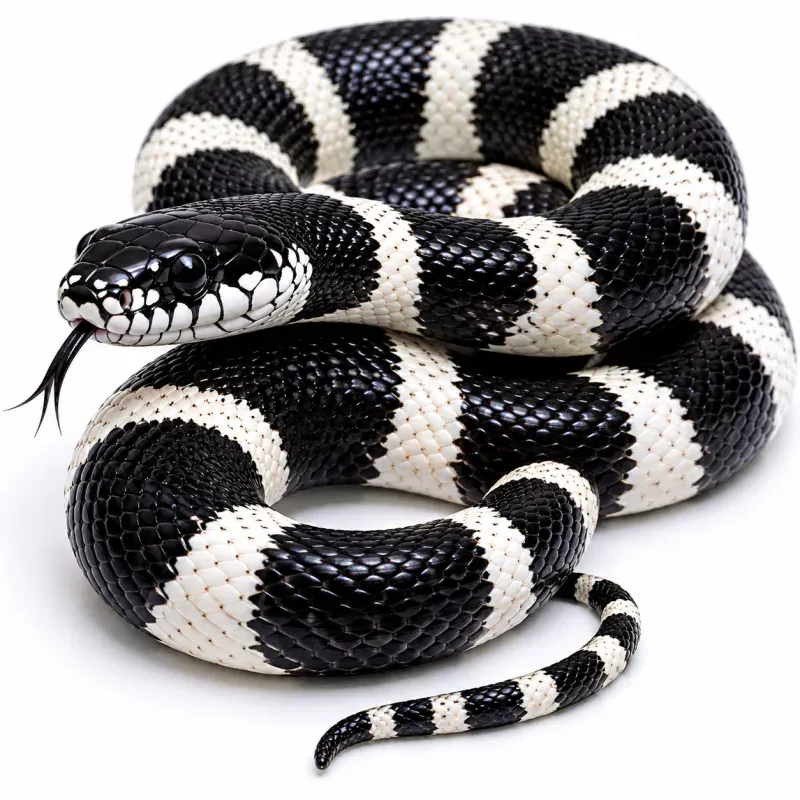
The common king snake (Lampropeltis getula) is one of the most popular pet snakes due to its striking patterns, docile temperament, and manageable size. However, providing the correct enclosure is essential for its health and longevity. This guide covers every aspect of setting up a king snake tank, from choosing the right size to heating, lighting, substrate, and decor. Follow these evidence-backed recommendations to create a thriving habitat.
Enclosure Size and Type
King snakes are active, terrestrial snakes that require ample floor space. A 40-gallon (36″ x 18″) breeder tank is the minimum for an adult, while juveniles can start in a 20-gallon long. Larger enclosures (e.g., 4×2×2 feet) are even better for enrichment. Glass terrariums with front-opening doors are ideal for easy access and heat retention. Avoid tall enclosures—king snakes are not climbers and may stress in vertical spaces.
Key dimensions:
- Juvenile: 20-gallon long (30″ x 12″ x 12″)
- Adult: 40-gallon breeder (36″ x 18″ x 16″) or larger
- Minimum floor area: 4–6 square feet for an adult
Choosing the Right Enclosure Type
While glass terrariums are the most common, you can also use PVC reptile enclosures or modified plastic tubs for better heat retention and humidity control. PVC enclosures are lightweight, durable, and easier to clean, but they can be more expensive. Plastic tubs are budget-friendly and excellent for juveniles, but they lack visibility and ventilation. Ensure any enclosure has a secure, lockable lid to prevent escapes, as king snakes are known escape artists.
Enclosure Size Comparison Table
| Life Stage | Minimum Enclosure | Dimensions (L x W x H) | Floor Area |
|---|---|---|---|
| Hatchling | 10-gallon | 20″ x 10″ x 12″ | ~1.4 sq ft |
| Juvenile | 20-gallon long | 30″ x 12″ x 12″ | ~2.5 sq ft |
| Adult | 40-gallon breeder | 36″ x 18″ x 16″ | ~4.5 sq ft |
| Large Adult (over 4 ft) | 4x2x2 ft (120-gallon) | 48″ x 24″ x 24″ | ~8 sq ft |
Setting Up the Enclosure Step-by-Step
- Clean the tank with a reptile-safe disinfectant and rinse thoroughly.
- Place the tank in a quiet, low-traffic area away from direct sunlight and drafts.
- Install heating equipment (heat mat or ceramic heat emitter) on one side, connected to a thermostat.
- Add substrate to a depth of 2–4 inches for adults, 1–2 inches for juveniles.
- Place hides on both the warm and cool sides.
- Add decor such as branches, fake plants, and a water dish.
- Set up thermometers on both ends and a hygrometer in the middle.
- Run the enclosure for 24–48 hours to stabilize temperatures before introducing the snake.
Heating and Thermoregulation
King snakes are ectotherms and require a thermal gradient to regulate their body temperature. Use a heat mat or heat tape under one side of the enclosure (never inside) connected to a thermostat. The warm side should be 85–90°F (29–32°C), the cool side 70–75°F (21–24°C). A basking spot of 88–92°F (31–33°C) can be provided with a low-wattage ceramic heat emitter or deep heat projector. Avoid heat rocks, which can cause burns. Monitor temperatures with digital thermometers on both ends.
Note: King snakes do not require UVB lighting if fed whole prey (rodents provide vitamin D3). However, a low-level UVB (2–5%) can support natural behaviors and is optional. Provide a 12-hour day/night cycle using a simple LED light for day and a ceramic heat emitter at night if needed.
Choosing the Right Heating Equipment
Heat mats are best for belly heat, which aids digestion, but they must be placed under the tank and regulated by a thermostat. Ceramic heat emitters (CHEs) provide overhead heat without light, ideal for nighttime warmth. Deep heat projectors (DHPs) penetrate deeper into the substrate and mimic natural sunlight. Avoid heat rocks entirely, as they can cause severe burns. For a 40-gallon tank, a 50-watt heat mat or a 100-watt CHE is usually sufficient, but always check with a thermometer.
Temperature Gradient Table
| Zone | Temperature Range | How to Achieve |
|---|---|---|
| Basking spot | 88–92°F (31–33°C) | Overhead CHE or DHP |
| Warm side | 85–90°F (29–32°C) | Heat mat under tank |
| Cool side | 70–75°F (21–24°C) | No heating equipment |
| Nighttime (optional) | 65–70°F (18–21°C) | Turn off heat or use low-watt CHE |
Thermostat Setup and Safety
A thermostat is non-negotiable. Set the thermostat probe directly on the substrate surface above the heat mat, and set the maximum temperature to 95°F (35°C) to prevent overheating. Test the setup for 24 hours before adding the snake. Unregulated heat mats can reach 120°F+ (49°C) and cause fatal burns. Also, use a timer for lights to maintain a consistent day/night cycle.
Substrate and Humidity
Choose a substrate that maintains moderate humidity (40–60%) and allows burrowing. Aspen shavings, cypress mulch, or a soil-sand mix (60/40) work well. Avoid cedar or pine (toxic) and sand alone (impaction risk). For high-humidity species like the California king snake, mist the substrate lightly once a week or provide a humid hide with damp sphagnum moss. Use a hygrometer to monitor levels; too much moisture can cause scale rot.
Substrate depth: 2–4 inches for adults, 1–2 inches for juveniles.
Substrate Comparison Table
| Substrate | Pros | Cons | Best For |
|---|---|---|---|
| Aspen shavings | Burrow-friendly, low dust, easy to spot-clean | Can mold if wet | Most king snakes |
| Cypress mulch | Retains humidity well | Can be dusty, may harbor mites | California king snakes, humid environments |
| Soil-sand mix (60/40) | Naturalistic, good for burrowing | Heavy, needs replacing often | Bioactive setups |
| Reptile carpet | Easy to clean, reusable | Doesn't allow burrowing | Quarantine or simple setups |
| Paper towels | Cheap, sterile, easy to monitor health | Not naturalistic, no burrowing | Quarantine, sick snakes |
Humidity Management Tips
Aim for 40–60% humidity. Use a hygrometer to monitor. If humidity is too low, mist the substrate lightly or place a larger water dish on the warm side. If too high, increase ventilation by adding a mesh top or reducing misting. A humid hide (a plastic container with damp sphagnum moss) is essential during shedding. Place it in the middle of the enclosure, and check it weekly to ensure the moss stays moist but not soaking wet.
Decor and Enrichment
King snakes are curious and benefit from a cluttered environment that mimics their natural habitat. Provide at least two hides (one on the warm side, one on the cool side) made of cork bark, half-logs, or plastic caves. Add branches, fake plants, and rocks for climbing and exploration, but ensure they are secure to prevent crushing. A water dish large enough for soaking should be placed on the cool side; change water daily. Avoid sharp or heavy objects that could injure the snake.
Enrichment ideas:
- Climbing branches (securely anchored)
- Leaf litter or fake vines
- Dig box with moist sphagnum moss
- Novel scents (e.g., rodent bedding) during supervised exploration
How to Arrange Hides and Decor
Place the warm hide directly over the heat mat (or under the basking spot) so the snake can thermoregulate while feeling secure. The cool hide should be on the opposite end. Add a water dish large enough for the snake to soak in, but not too deep to cause drowning. Use heavy ceramic bowls that won't tip over. Arrange branches and plants to create a cluttered but open layout, allowing the snake to move freely. Secure all decor with silicone or heavy bases to prevent collapse.
Diet and Feeding
King snakes are opportunistic predators that eat rodents, birds, eggs, and other reptiles in the wild. In captivity, feed pre-killed frozen-thawed mice or rats (size equal to the snake’s widest body part). Juveniles eat every 5–7 days; adults every 7–14 days. Use tongs to avoid accidental bites. Never feed live prey, as it can injure the snake. Provide a separate feeding container to prevent substrate ingestion, though many king snakes feed well in their enclosure if the substrate is safe.
| Age | Prey Size | Frequency |
|---|---|---|
| Hatchling | Pinky mouse | Every 5 days |
| Juvenile (6–12 months) | Fuzzy mouse | Every 7 days |
| Adult (1+ year) | Adult mouse or small rat | Every 10–14 days |
Feeding Troubleshooting
If your king snake refuses food, check enclosure temperatures—too cold can suppress appetite. Also, avoid handling for 48 hours after feeding to prevent regurgitation. If using a separate feeding container, ensure it is a dark, quiet place. Some king snakes may be picky; try warming the frozen-thawed prey to 100°F (38°C) and wiggling it with tongs. Never offer live prey, as a rodent can bite and seriously injure your snake.
Handling and Temperament
King snakes are generally docile but may musk or bite when stressed. Wait 1–2 weeks after setup to let the snake acclimate. Start handling sessions short (5–10 minutes) and gradually increase. Support the body fully; never grab the tail. Signs of stress include hissing, tail rattling, or musking. If the snake is in shed or has just eaten, avoid handling. Regular, gentle handling builds trust and makes vet visits easier.
Step-by-Step Handling Guide
- Wait 1–2 weeks after bringing your snake home before handling.
- Start with short sessions of 5–10 minutes, once every 2–3 days.
- Use a hook or your hand to gently lift the snake from the middle of its body.
- Support the body with both hands, allowing the snake to move freely.
- Gradually increase duration to 15–20 minutes as the snake becomes comfortable.
- Watch for stress signals (hissing, tail rattling) and end the session if they occur.
- Never handle during shedding or within 48 hours after feeding.
Common Health Issues
King snakes are hardy but can develop issues if husbandry is off. Watch for:
- Respiratory infections: Wheezing, mucus, open-mouth breathing—often from low temperatures or high humidity. Raise warm-side temps and consult a vet.
- Scale rot: Blisters or discoloration from wet substrate. Improve ventilation and switch to dry substrate.
- Mites: Tiny black dots on scales, causing itching. Treat with reptile-safe mite spray and deep-clean enclosure.
- Impaction: Lethargy, lack of appetite from substrate ingestion. Use safe substrate and feed in a separate container.
- Dysecdysis (bad shed): Retained eye caps or skin patches from low humidity. Provide a humid hide.
Preventive Health Checklist
- Monitor temperatures and humidity weekly.
- Spot-clean substrate daily; deep-clean monthly.
- Provide fresh water daily.
- Check for mites or skin issues during handling.
- Maintain a consistent feeding schedule.
- Schedule annual vet check-ups.
Avoid These Problems
Even experienced keepers can slip. Avoid these pitfalls:
- Overheating: Always use a thermostat; unregulated heat mats can reach 120°F+ and kill.
- Small enclosures: King snakes need room to stretch; a 20-gallon is too small for adults.
- Live prey: Rodents can bite and injure or kill your snake.
- Poor humidity: Too dry causes bad sheds; too wet causes scale rot.
- Handling after feeding: Wait 48 hours to avoid regurgitation.
- Using toxic substrates: Cedar and pine contain phenols harmful to reptiles.
Frequently Asked Questions
What size tank does a king snake need?
A juvenile can start in a 20-gallon long (30″ x 12″ x 12″), while an adult needs a minimum of a 40-gallon breeder (36″ x 18″ x 16″) or larger, such as a 4×2×2 feet enclosure. The minimum floor area for an adult is 4–6 square feet.
What temperature should the warm side of a king snake tank be?
The warm side should be 85–90°F (29–32°C), with a basking spot of 88–92°F (31–33°C). The cool side should be 70–75°F (21–24°C). Always use a thermostat to regulate heat sources and prevent overheating.
How often should I feed my king snake?
Hatchlings should be fed a pinky mouse every 5 days, juveniles (6–12 months) a fuzzy mouse every 7 days, and adults (1+ year) an adult mouse or small rat every 10–14 days. Always feed pre-killed frozen-thawed prey.
What substrate is safe for king snakes?
Safe substrates include aspen shavings, cypress mulch, or a 60/40 soil-sand mix. Avoid cedar or pine (toxic) and sand alone (impaction risk). Substrate depth should be 2–4 inches for adults and 1–2 inches for juveniles.
Conclusion
Setting up a king snake enclosure correctly ensures a long, healthy life for your pet. Focus on providing a spacious tank, proper thermal gradient, safe substrate, and plenty of hides. Monitor temperatures and humidity weekly, and adjust as needed. With this guide, you’ll create a secure, enriching home that mimics the king snake’s natural environment. Happy herping!
Related Reading
Check optimal temps, calculate feeding, and find your perfect species match.
References
- McCurley, K. (2019). The Complete Ball Python: A Comprehensive Guide to Care, Breeding, and Genetic Mutations. Eco Publishing.
- Rossi, J. (2006). The Reptile Keepers Handbook. Krieger Publishing.
- Barten, S. L. (2003). Reptile Medicine and Surgery. Saunders.
- de Vosjoli, P. (2004). The Art of Keeping Snakes. Advanced Vivarium Systems.
🐾 Join the Community
See how other keepers set up their enclosures, ask questions, and share your experience.
🛠️ Apply What You Learned
Check optimal temps, calculate feeding schedules, and get calcium dosage — all personalized for your species.
Comments