King Snake Feeding Guide: Prey Size Chart by Age
Introduction
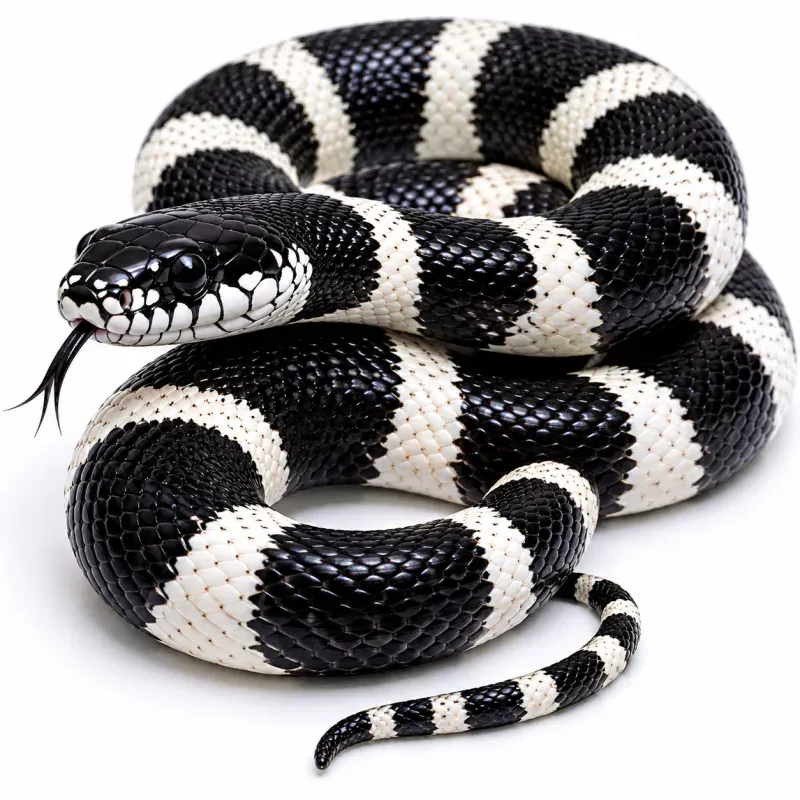
King snakes (Lampropeltis spp.) are among the most popular pet snakes due to their manageable size, striking patterns, and generally docile temperament. However, proper nutrition is critical to their health and longevity. This guide covers every aspect of feeding your king snake, from prey selection and size to frequency and frozen-thawed techniques. Whether you're a beginner or experienced keeper, these evidence-based recommendations will help you maintain a healthy, thriving snake.
King snakes are opportunistic carnivores that eat a variety of prey in the wild, including rodents, lizards, birds, and even other snakes (hence their name). In captivity, a balanced diet of appropriately sized frozen-thawed rodents is ideal for safety and nutrition. This expanded guide dives deeper into each feeding aspect, with step-by-step instructions, troubleshooting, and expert tips.
Diet and Nutrition
King snakes are carnivorous and require a diet rich in protein and fat. In the wild, they consume rodents, birds, lizards, and occasionally other snakes. In captivity, frozen-thawed rodents are the gold standard because they are nutritionally balanced, free of parasites, and safe for your snake.
Staple Prey Items
- Mice – Best for most king snakes; choose sizes from pinkies for hatchlings to adult mice for large adults. Mice offer a good balance of protein and fat.
- Rats – Suitable for larger species or individuals (e.g., California king snakes over 4 feet). Rats are higher in fat, so use sparingly to avoid obesity.
- Quail or chicks – Occasional variety for large adults, but not a staple. They can be offered once a month as a treat, but they are lower in calcium than rodents.
Some keepers also offer chicks or quail to mimic natural variety, but these should never replace rodents as the primary food source.
Prey Size Chart
| Snake Age/Size | Prey Type | Prey Weight | Prey Size (approx.) |
|---|---|---|---|
| Hatchling (0–6 months) | Pinky mouse | 2–4 g | 1–2 inches |
| Juvenile (6–12 months) | Fuzzy mouse | 5–10 g | 2–3 inches |
| Sub-adult (1–2 years) | Hopper/weanling mouse | 10–20 g | 3–4 inches |
| Adult (2+ years) | Adult mouse or small rat | 20–40 g | 4–6 inches |
Rule of thumb: Prey should be no wider than 1.5 times the snake's thickest body diameter. Overly large prey can cause regurgitation or injury. To measure, gently compare the prey's girth to the snake's widest point. If in doubt, choose a smaller prey item—it's safer.
Frozen-Thawed vs. Live Prey
Always use frozen-thawed rodents. Live prey can injure or kill your snake through bites or scratches. Frozen-thawed is safer, more humane, and easier to store. Live prey also carries parasites and can be stressful for the snake.
Step-by-Step Thawing Instructions
- Remove the frozen rodent from the freezer and place it in a sealed plastic bag.
- Fill a clean container with warm water (around 100°F/38°C, but not boiling).
- Submerge the bagged rodent in the warm water for 20–30 minutes until it is soft and warm to the touch.
- Pat the rodent dry with a paper towel to remove excess moisture (this helps the snake grip and reduces bacterial transfer).
- Offer the prey using long tongs, wiggling it gently to mimic live movement.
Never microwave frozen prey—this can create hot spots that burn your snake's mouth. Also, never thaw at room temperature for more than 30 minutes, as bacteria can multiply rapidly.
Troubleshooting Thawing Issues
- Prey still cold in the middle: Thaw longer, but check the water temperature; if it drops below 90°F, replace with fresh warm water.
- Prey too dry: Pat dry, but if the skin is cracked, it may be old; discard and use a fresh rodent.
- Prey smells off: If there is any foul odor, discard immediately—it may be spoiled and cause illness.
Cost Breakdown: Feeding Your King Snake
Understanding the financial commitment of feeding your king snake helps you budget effectively and avoid surprises. Costs vary by prey size, frequency, and whether you buy in bulk. Below is an estimated monthly and annual cost based on typical feeding schedules.
| Age Group | Prey Type | Cost per Prey (USD) | Monthly Frequency | Estimated Monthly Cost | Estimated Annual Cost |
|---|---|---|---|---|---|
| Hatchling | Pinky mouse | $0.30–$0.50 | 4–5 | $1.20–$2.50 | $15–$30 |
| Juvenile | Fuzzy mouse | $0.50–$0.80 | 3–4 | $1.50–$3.20 | $18–$38 |
| Sub-adult | Hopper/weanling | $0.80–$1.20 | 2–3 | $1.60–$3.60 | $19–$43 |
| Adult | Adult mouse | $1.20–$2.00 | 1–2 | $1.20–$4.00 | $14–$48 |
Tips to Save Money: Buy frozen rodents in bulk from reputable online suppliers to reduce per-item cost. Look for local reptile expos, where you can often find better prices. Always check the quality of prey upon arrival—discard any that show signs of freezer burn or damage.
Feeding Schedule by Age
Feeding frequency depends on age, size, and metabolism. Overfeeding leads to obesity and health issues; underfeeding causes stunted growth. The table below provides a baseline schedule, but always adjust based on your snake's body condition.
| Age Group | Feeding Frequency | Prey Size | Notes |
|---|---|---|---|
| Hatchlings (0–6 months) | Every 5–7 days | Pinky mouse | Growth is rapid; monitor body condition. |
| Juveniles (6–12 months) | Every 7–10 days | Fuzzy mouse | Reduce frequency slightly as growth slows. |
| Sub-adults (1–2 years) | Every 10–14 days | Hopper/weanling | Transition to adult schedule gradually. |
| Adults (2+ years) | Every 14–21 days | Adult mouse | Maintain healthy weight; adjust if overweight. |
Seasonal Adjustments
During winter (brumation), reduce feeding frequency or skip meals entirely if the snake is inactive. In breeding season, males may eat less; females may eat more if gravid. Always monitor your snake's weight and body condition—if it looks overweight, extend the interval by a few days; if underweight, shorten it.
How to Assess Body Condition
A healthy king snake should have a rounded, but not bulging, back. You should be able to feel the ribs gently when running your fingers along the body, but they shouldn't be visible or sharp. If the snake looks like a loaf of bread with a flat back, it's overweight. If the spine is prominent, it's underweight.
Body Condition Score (BCS) Guide
| Score | Description | Action |
|---|---|---|
| 1 (Underweight) | Spine and ribs are prominent, body appears triangular. | Increase prey size or frequency; consult vet if no improvement. |
| 2 (Ideal) | Ribs are felt but not seen; body is rounded but not flat. | Maintain current schedule. |
| 3 (Overweight) | Back is flat, ribs cannot be felt, fat deposits along spine. | Extend feeding interval by 3–5 days and reduce prey size. |
Enclosure Setup for Healthy Feeding
A proper enclosure supports digestion and reduces stress during feeding. Use a 20-gallon long tank for juveniles, and a 40-gallon breeder for adults. Larger enclosures are fine, but ensure there are plenty of hides and clutter to make the snake feel secure.
Temperature Gradient
- Basking spot: 88–92°F (31–33°C) – essential for digestion.
- Cool side: 75–80°F (24–27°C).
- Night drop: 70–75°F (21–24°C) – no heat needed if room stays above 70°F.
Use a thermostat with an under-tank heater or ceramic heat emitter. Avoid heat rocks, which can cause burns. Place the heating element on one side of the tank to create a gradient, and always use a digital thermometer to monitor temperatures.
Troubleshooting Temperature Issues
- Basking spot too hot: If the surface exceeds 95°F, reduce the wattage of the heat source or raise it higher above the enclosure.
- Cool side too cold: If the cool side drops below 70°F, add a low-wattage heat mat or move the enclosure to a warmer room.
- Inconsistent temperatures: Use a thermostat to regulate; check the probe placement to ensure accurate readings.
Lighting
King snakes are crepuscular; a 12-hour day/night cycle with low-level UVB (2–5%) is beneficial for vitamin D synthesis but not strictly required if using a calcium supplement. Provide hides on both warm and cool ends. If you choose to use UVB, ensure it's a low-output bulb designed for forest-dwelling reptiles, and replace it every 6–12 months as output diminishes.
Humidity
Maintain humidity at 40–60%. Increase to 70% during shedding. Use a hygrometer and mist the enclosure lightly if needed. A humid hide (with damp sphagnum moss) aids shedding. Place the humid hide in the middle of the enclosure so the snake can access it from either side.
Seasonal Care and Brumation
King snakes experience natural seasonal rhythms that affect their appetite and activity. Understanding these cycles helps you adjust feeding appropriately and recognize when a lack of appetite is normal.
Winter (Brumation)
During the cooler months, many king snakes enter a period of reduced activity called brumation. In captivity, you can choose to allow a mild brumation by gradually lowering temperatures and reducing daylight hours over several weeks. However, this is optional for pets. If you do not brumate, keep temperatures and feeding on a normal schedule. If you notice your snake becoming less active and refusing food in winter, it may be a natural response. Reduce feeding frequency or skip meals entirely if the snake is inactive. Always ensure fresh water is available.
Spring and Summer
As temperatures rise, your snake's metabolism increases. This is the primary growth period for juveniles. Stick to the regular feeding schedule and monitor body condition closely. In breeding season (typically spring), males may eat less due to mating instincts; females may eat more if gravid. Adjust prey size and frequency based on body condition.
Autumn
Gradually transition back to the normal schedule if you reduced feeding during winter. Watch for any signs of weight loss and increase prey size if needed. This is also a good time to do a health check, including weighing your snake.
Handling and Feeding
Proper handling reduces stress and prevents feeding-related aggression. King snakes are generally docile, but they can be food-responsive, especially if they associate your hand with food.
When to Handle
- Wait 48 hours after feeding before handling to prevent regurgitation.
- Avoid handling during shedding (cloudy eyes). The snake is stressed and more likely to strike.
- Handle gently and briefly (5–10 minutes) for juveniles; adults can tolerate longer sessions. Never handle if the snake is in shed or has just eaten.
Feeding Techniques
- Use long tongs to offer prey – this avoids accidental bites and mimics natural movement.
- Feed in the enclosure (not a separate container) to reduce stress. Moving the snake to a separate container increases the risk of regurgitation and can cause defensive strikes.
- If snake refuses food, wait 5–7 days before trying again. Check temperatures and health.
Step-by-Step Feeding in the Enclosure
- Warm the frozen-thawed prey as described above.
- Use long tongs to pick up the prey by the tail or back.
- Open the enclosure gently, avoiding sudden movements.
- Present the prey near the snake's head, wiggling it slightly to simulate live prey.
- Once the snake strikes and coils, release the prey and close the enclosure.
- Do not handle the snake for at least 48 hours to allow digestion.
What to Do If Your Snake Refuses Food
- Check temperatures: ensure the basking spot is 88–92°F. Low temps slow digestion and reduce appetite.
- Check for signs of shedding: cloudy eyes and dull skin mean the snake will likely refuse food.
- Try a different prey size: sometimes the prey is too large or too small.
- Offer the prey at night: king snakes are crepuscular, so they may be more willing to eat in low light.
- If the snake still refuses, wait another week and try again. If it refuses for more than 3–4 weeks, consult a vet.
Advanced Tips for Picky Eaters
- Scenting: If the snake refuses mice, try scenting the prey with a lizard or bird scent (available from some suppliers) to entice it.
- Braining: As a last resort, make a small incision in the prey's skull to release scent. This is effective but should be used sparingly.
- Feeding at dusk: Turn off bright lights and feed during the evening when the snake is naturally more active.
Common Health Issues Related to Feeding
Feeding-related issues are the most common health problems in captive king snakes. Here's how to identify and address them.
Obesity
Cause: Overfeeding or offering prey too frequently. Symptoms: Fat deposits along the spine, lethargy, reduced activity. Prevention: Stick to the feeding schedule and monitor body condition. If your snake is overweight, extend the feeding interval by 3–5 days and switch to smaller prey.
Regurgitation
Cause: Handling too soon after feeding, too-large prey, or low temperatures. Symptoms: Undigested prey is vomited up within 48 hours of feeding. Action: Wait 2 weeks before feeding again to let the digestive tract heal. Check temperatures and prey size. If regurgitation occurs more than once, consult a vet.
Preventing Regurgitation
- Wait at least 48 hours after feeding before handling.
- Always measure prey size against the snake's girth.
- Ensure the basking spot is within the recommended range.
- Do not disturb the snake while it is digesting.
Anorexia
Cause: Stress, illness, improper temperatures, or seasonal changes. Symptoms: Refusal to eat for weeks. Action: Check enclosure parameters, reduce handling, and ensure hides are available. If the snake loses significant weight or refuses food for more than a month, seek veterinary care.
Impaction
Cause: Ingesting substrate (e.g., wood chips, sand) along with prey. Symptoms: Lethargy, swelling in the abdomen, inability to defecate. Prevention: Use paper towels or reptile carpet for young snakes, and avoid loose substrates until the snake is large enough to avoid ingestion. If impaction is suspected, soak the snake in shallow warm water and consult a vet.
Steer Clear of These
Avoid these common mistakes to keep your king snake healthy:
- Feeding live prey: Unnecessary risk of injury. Always use frozen-thawed.
- Overhandling after feeding: Leads to regurgitation. Wait 48 hours.
- Ignoring prey size: Too-large prey causes digestive issues; too-small prey leads to malnutrition.
- Skipping supplements: While rodents are nutritionally complete, dusting with calcium powder (without D3 if UVB is used) once a month helps. For breeding females, calcium supplementation is more critical.
- Improper thawing: Thaw in warm water, not microwave or hot water, to avoid bacterial growth.
- Feeding too frequently: Overfeeding leads to obesity and shortens lifespan.
- Feeding in a separate container: This increases stress and regurgitation risk.
- Using loose substrate for juveniles: Risk of impaction; use paper towels or reptile carpet.
- Ignoring humidity during shed: Low humidity can cause stuck shed, which may lead to feeding issues.
Frequently Asked Questions
How often should I feed my baby king snake?
Hatchlings (0–6 months) should be fed every 5–7 days with a pinky mouse (2–4 g). This frequency supports rapid growth, but always monitor body condition to avoid overfeeding.
Can I feed my king snake live mice?
No, always use frozen-thawed rodents. Live prey can injure or kill your snake through bites or scratches, and they may carry parasites. Frozen-thawed is safer, more humane, and easier to store.
What should I do if my king snake regurgitates its meal?
Regurgitation is a sign of stress, too-large prey, or low temperatures. Wait 2 weeks before feeding again to let the digestive tract heal. Check enclosure temperatures and prey size, and if it happens repeatedly, consult a veterinarian.
How do I know if my king snake is overweight?
A healthy king snake has a rounded but not bulging back. If you can see a distinct spine or the snake has a flat, loaf-like appearance, it may be overweight. Adjust the feeding interval and prey size accordingly.
Can I feed my king snake rats?
Yes, rats are suitable for larger species or individuals (e.g., California king snakes over 4 feet). However, rats are higher in fat, so use them sparingly to avoid obesity. Adult mice are generally the best staple for most king snakes.
How long can a king snake go without eating?
Adult king snakes can go several weeks without food, especially during winter brumation. However, if your snake refuses food for more than 3–4 weeks outside of brumation, consult a vet to rule out health issues.
Do king snakes need supplements?
Rodents are nutritionally complete, but dusting with calcium powder (without D3 if UVB is used) once a month is recommended. For breeding females, calcium supplementation is more critical.
Conclusion
Feeding your king snake correctly is the cornerstone of its health and happiness. By following a schedule based on age, using appropriately sized frozen-thawed prey, and maintaining proper enclosure conditions, you will ensure your snake thrives for 15–20 years. Always observe your snake's body condition and adjust as needed. When in doubt, consult a reptile veterinarian.
Related Reading
- King Snake Care Guide — Complete species manual: enclosure, heating, handling.
- Corn Snake Care Guide — The best first snake for beginners. Compare feeding schedules.
- Milk Snake Care Guide — Similar colubrid with overlapping diet and care requirements.
Check optimal temps, calculate feeding, and find your perfect species match.
References
- de Vosjoli, P. (2004). The King Snake Manual. Advanced Vivarium Systems.
- Rossi, J. V., & Rossi, R. (2003). What's Wrong with My Snake? Advanced Vivarium Systems.
- McCurley, K. (2014). The Complete Ball Python: A Comprehensive Guide to Care, Breeding, and Genetic Mutations. Eco Herpetological Publishing & Distribution.
🐾 Join the Community
See how other keepers set up their enclosures, ask questions, and share your experience.
🛠️ Apply What You Learned
Check optimal temps, calculate feeding schedules, and get calcium dosage — all personalized for your species.
Comments
No account needed — corrections, updates and questions are all welcome. For a full question with photos, the community Q&A is the better place.