Corn Snake Escape-Proofing: Lid Locks & Gaps
Introduction
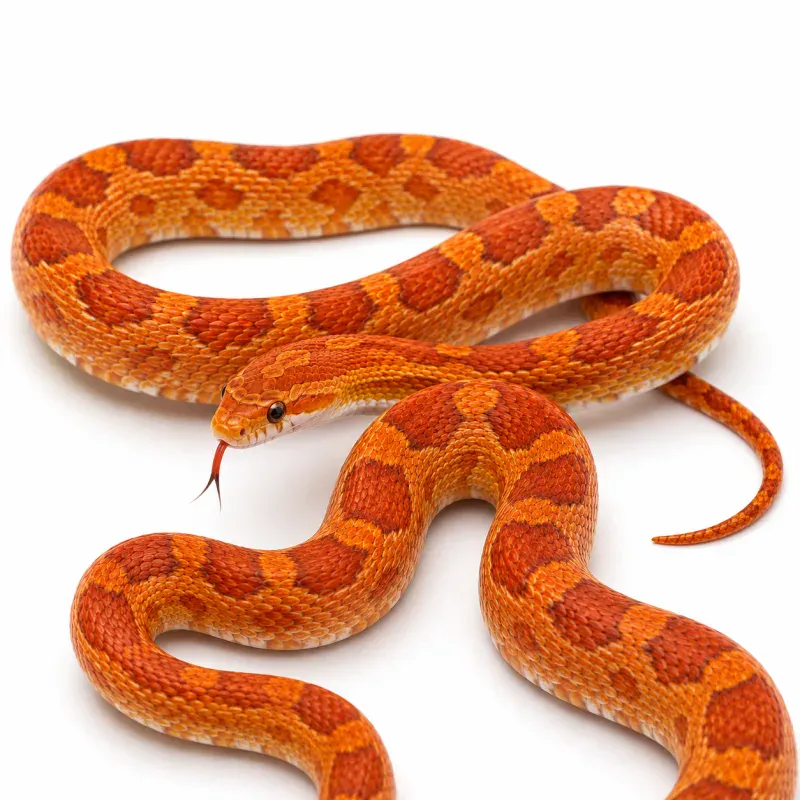
Corn snakes (Pantherophis guttatus) are among the most popular pet snakes due to their docile nature, manageable size, and striking colors. However, they are also notorious escape artists. A corn snake can squeeze through a gap as small as its own head, and once loose, it can hide in walls, furniture, or even outdoors. This comprehensive guide covers every aspect of escape-proofing your corn snake enclosure, from choosing the right tank to reinforcing lids and sealing gaps. Whether you're a beginner or an experienced keeper, these evidence-backed strategies will help you keep your snake safe and secure.
1. Understanding Corn Snake Escape Behavior
Corn snakes are naturally curious and persistent. In the wild, they explore crevices, burrows, and tree hollows in search of prey. In captivity, this instinct drives them to test enclosure boundaries. Common escape triggers include hunger, improper temperature, overcrowding, or stress. Signs that your snake may attempt escape include rubbing its nose along the lid, pushing at corners, or coiling around the latch. Understanding these behaviors helps you anticipate weak points.
Scientific research on snake behavior (e.g., studies on spatial cognition) suggests that snakes can learn to identify escape routes after repeated attempts. Therefore, proactive securing is far more effective than reactive fixes.
2. Choosing the Right Enclosure
Material Matters
Glass terrariums with screen tops are common but often leaky. PVC enclosures, front-opening vivariums, or solid plastic bins (e.g., Sterilite) offer better security because they have fewer seams. For a 4×2×2 ft enclosure (minimum for adult corn snakes), choose a model with a locking mechanism built-in.
Size and Fit
An enclosure that is too small can increase escape attempts due to stress. The minimum floor space for an adult corn snake is 36″×18″ (90×45 cm). Ensure the lid fits flush with no gaps. Check corners and hinge areas for any opening wider than the snake's head (usually 0.5–1 inch).
Comparison Table: Enclosure Types for Escape-Proofing
| Enclosure Type | Escape Risk | Best For | Recommended Modifications |
|---|---|---|---|
| Glass tank with screen lid | High (lid lifts, corners gap) | Budget setups | Lid locks, corner clips, silicone sealing |
| Front-opening PVC vivarium | Low (locking doors, tight seals) | Premium setups | Check door hinges; add extra latch |
| Plastic bin (e.g., Sterilite) | Medium (lid can warp) | Quarantine or juveniles | Drill ventilation holes; use binder clips |
| Custom-built wood enclosure | Low if sealed properly | Advanced keepers | Seal seams with silicone; use glass sliding doors |
3. Lid and Latch Reinforcement
The most common escape point is the lid. Screen tops can be lifted by a determined snake. Use these proven methods:
- Lid Locks: Cam locks, sliding bolts, or padlock hasps. For glass tanks, attach a hasp to the frame and lid.
- Binder Clips: Heavy-duty binder clips (2-inch or larger) along the lid perimeter. Use at least 6–8 clips for a 40-gallon tank.
- Weighted Objects: Place books or reptile-safe weights on top, but ensure they don't block ventilation.
- Stretch Cords: Bungee cords from lid to tank stand can prevent lifting.
Test each latch by gently pulling. If you can open it with moderate force, so can your snake.
4. Sealing Gaps and Weak Points
Corn snakes can exploit gaps as small as 1/4 inch. Inspect these areas:
- Corners: Where glass panels meet, use aquarium-safe silicone to fill gaps.
- Ventilation Slots: In plastic bins, drill holes only on the sides (not the lid) and sand edges smooth. Cover with fine mesh if needed.
- Cable Passages: For heating cables or thermostat probes, use grommets or seal around the wire with non-toxic putty (e.g., Sugru).
- Door Tracks: In sliding-glass enclosures, install rubber weatherstripping to close the gap.
5. Environmental Factors That Reduce Escape Attempts
A content snake is less likely to escape. Optimize the enclosure to meet its needs:
Temperature and Humidity
Corn snakes need a thermal gradient of 75–85°F (24–29°C) with a basking spot of 88–92°F (31–33°C). Use a thermostat-controlled heat mat or ceramic heat emitter. Low humidity (below 40%) can cause dehydration, making the snake seek moisture outside. Aim for 40–60% humidity; use a hygrometer to monitor.
Hides and Enrichment
Provide at least two hides (one warm, one cool), branches for climbing, and leaf litter. A bored snake will test its enclosure. Rotate decor monthly to stimulate exploration.
Feeding Schedule
Hunger is a major escape motivator. Feed appropriately sized prey (e.g., adult mice every 7–10 days) and never handle your snake for 48 hours after feeding.
6. Daily and Weekly Security Checks
Incorporate these checks into your routine:
- Daily: Run your finger along all seams and corners. If you feel a gap, it's big enough for a snake.
- Weekly: Tighten all screws and latches. Inspect silicone seals for cracks. Test locks.
- Monthly: Remove all substrate and inspect the enclosure floor for warping or damage. Replace any worn parts.
Keep a log of any escapes or near-misses. This helps identify recurring weak points.
7. What to Do If Your Corn Snake Escapes
Despite best efforts, escapes can happen. Act quickly:
- Close doors to limit the snake to one room.
- Search warm, dark places (behind appliances, under furniture, inside shoes, along baseboards).
- Use a heat source (e.g., a heating pad) to lure the snake out.
- Set up a trap with a hide box and a warm, scented mouse (e.g., a used mouse bedding).
- Check at night when snakes are most active.
If the snake is gone more than 24 hours, place flour or talcum powder along doorways to track movement. Never use glue traps—they can injure your snake.
8. Common Mistakes in Escape-Proofing
- Underestimating snake strength: Corn snakes can push open lids that seem heavy. Use multiple locking mechanisms.
- Ignoring ventilation holes: Uncovered holes are open invitations. Always cover with mesh and secure with silicone.
- Using tape or Velcro: Snakes can peel off tape, and adhesive can harm their scales. Use mechanical fasteners only.
- Not checking after cleaning: Removing substrate or decor can loosen seals. Always recheck after maintenance.
- Assuming a new enclosure is safe: Test any new tank before introducing your snake.
Conclusion
Escape-proofing a corn snake enclosure requires vigilance, quality equipment, and an understanding of snake behavior. By choosing the right enclosure, reinforcing all potential exit points, and maintaining optimal conditions, you can drastically reduce the risk of your snake going missing. Remember: a secure enclosure is not just about keeping the snake in—it's about keeping it safe from household hazards, predators, and extreme temperatures. Invest time now to save heartache later.
Related Reading
- Corn Snake Care Guide: The Best First Snake
- African Fat — Tailed Gecko Care: Complete Guide
- Corn Snake Morphs: 15 Popular Colors & Patterns Expl...
- Corn Snake Temperature & Heating Guide: Heat Gradien...
- Corn Snake Feeding Guide: Complete Diet Schedule, Mo...
- Corn Snake Health Guide: Common Issues, Respiratory ...
Check optimal temps, calculate feeding, and find your perfect species match.
References
- Bartlett, R. D., & Bartlett, P. (2006). Corn Snakes and Other Rat Snakes. Barron's Educational Series.
- Hedley, J. (2018). Reptile Medicine and Surgery in Clinical Practice. Wiley-Blackwell.
- Mader, D. R. (2006). Reptile Medicine and Surgery. Saunders Elsevier.
- Rossi, J. V., & Rossi, R. (2002). The Corn Snake Manual. Advanced Vivarium Systems.
🐾 Join the Community
See how other keepers set up their enclosures, ask questions, and share your experience.
🛠️ Apply What You Learned
Check optimal temps, calculate feeding schedules, and get calcium dosage — all personalized for your species.
Comments