Garter Snake Diet: Safe Fish, Worms & Schedule
Introduction
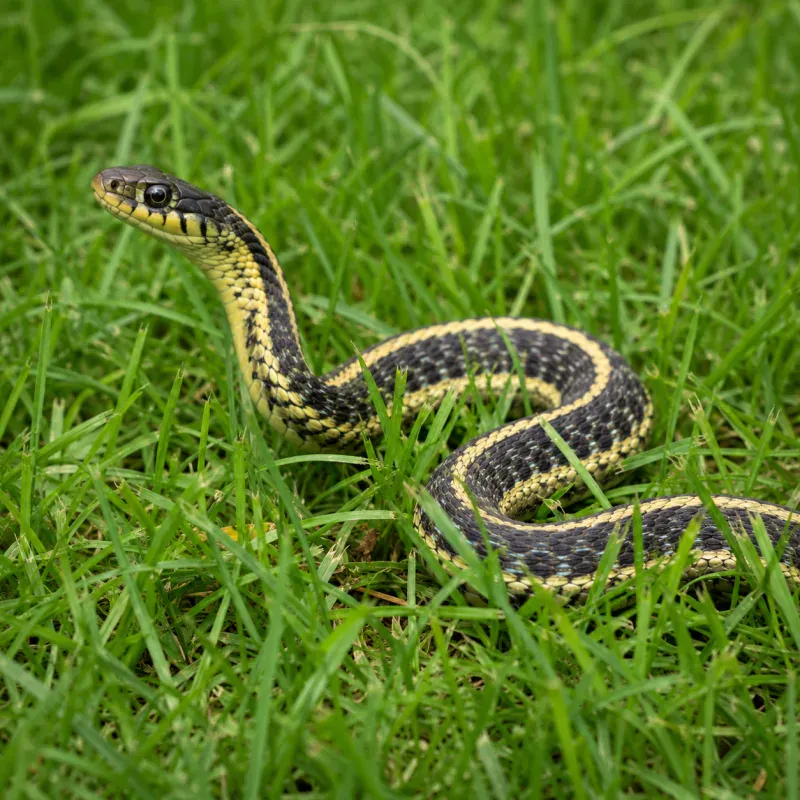
Garter snakes (genus Thamnophis) are among the most popular beginner reptiles due to their manageable size, active behavior, and relatively simple care requirements. However, their diet is unique among colubrids: they are natural piscivores and vermivores, meaning they thrive on fish and earthworms. Unlike many snakes, garter snakes cannot subsist solely on rodents; a varied diet with proper supplementation is essential to prevent nutritional deficiencies, particularly thiamine (vitamin B1) deficiency, which can cause neurological damage and death. This comprehensive guide covers everything you need to know about feeding your garter snake, including safe food items, vitamin B1 supplementation, feeding frequency, and common pitfalls.
Dietary Needs: What Garter Snakes Eat in the Wild and Captivity
In the wild, garter snakes consume a wide variety of prey: earthworms, slugs, small fish, amphibians, and occasionally small rodents. Captive diets should mimic this variety to ensure balanced nutrition. The primary food items for captive garter snakes include:
- Earthworms (nightcrawlers, red wigglers) – excellent staple, but must be from pesticide-free sources.
- Whole fish (smelt, silversides, feeder guppies, tilapia fillet strips) – rich in nutrients but require vitamin B1 supplementation.
- Pinky mice (for larger adults) – high in fat, should be fed sparingly.
- Amphibians (frogs, toads) – not recommended due to risk of parasites and toxins.
- Commercial reptile diets (e.g., Mazuri carnivore diet) – can be used as occasional supplement.
Important: Never feed wild-caught fish or amphibians, as they may carry parasites, pesticides, or thiaminase (an enzyme that breaks down vitamin B1).
Step-by-Step: How to Supplement Fish Meals with Vitamin B1
To safely offer fish as part of your garter snake’s diet, follow this simple protocol every time you feed fish:
- Prepare the B1 solution: Mix 100 mg of liquid vitamin B1 (thiamine) into 100 mL of water. Use a clean glass or plastic container.
- Soak the fish: Place the frozen-thawed fish or fish strips into the solution. Ensure they are fully submerged.
- Wait 10–15 minutes: This allows the B1 to penetrate the fish tissue and neutralize thiaminase activity.
- Rinse briefly (optional): Some keepers prefer to rinse the fish with fresh water to remove excess B1, though this is not required.
- Offer to your snake: Present the fish with tongs as you normally would. Discard any uneaten fish after 24 hours.
Pro tip: You can prepare a larger batch of B1 solution and store it in the refrigerator for up to one week. Label it clearly and keep it away from human food.
Prey Size Chart: Matching Food to Body Width
Feeding prey that is too large can cause regurgitation or injury. Use this quick reference to select the right prey size for your garter snake. As a rule, prey should be no wider than the widest part of the snake’s body.
| Snake Body Width (approx.) | Recommended Prey Size | Examples |
|---|---|---|
| Finger-width (hatchlings) | Small strips or tiny worms | 1/2 nightcrawler, 1 small guppy |
| Pencil-width (juveniles) | Medium strips or whole worms | 1 whole nightcrawler, 1 silverside |
| Thumb-width (subadults) | Large strips or multiple worms | 2 nightcrawlers, 2–3 silversides |
| Two-thumb-width (adults) | Large prey items | 3 nightcrawlers, tilapia strips, or pinky mouse |
If you are unsure, start with a smaller size and observe how easily your snake swallows. A garter snake should be able to swallow without excessive stretching or struggling.
Vitamin B1 Supplementation: Why It’s Critical
Many fish species (e.g., goldfish, minnows, smelt) contain thiaminase, an enzyme that destroys thiamine (vitamin B1). If fed exclusively, these fish can cause a thiamine deficiency, leading to neurological symptoms such as muscle twitching, loss of coordination, and seizures. To prevent this:
- Supplement fish-based meals with vitamin B1. Use a liquid B1 supplement (available at pet stores or online) and soak the fish in a solution of 100 mg B1 per 100 mL water for 10–15 minutes before feeding.
- Rotate prey items. Feed earthworms or pinky mice on alternate days to reduce reliance on fish.
- Use “safe” fish. Feeder guppies, tilapia, and salmon have lower thiaminase activity than goldfish or smelt.
Avoid commercial “thiaminase-free” fish diets unless you verify the processing method. The safest approach is to always supplement fish meals with B1.
Feeding Frequency by Age and Size
Garter snakes have high metabolisms compared to other snakes and need more frequent meals. Use the following guidelines:
| Life Stage | Frequency | Prey Size | Example Meal |
|---|---|---|---|
| Hatchling (0–6 months) | Every 3–4 days | Small earthworm or tiny fish strip | 1/2 nightcrawler or 1 guppy |
| Juvenile (6–12 months) | Every 4–5 days | Medium earthworm or 1–2 small fish | 1 whole nightcrawler or 2 silversides |
| Subadult (1–2 years) | Every 5–7 days | Large earthworm or 2–3 fish strips | 2 nightcrawlers or 3 silversides |
| Adult (2+ years) | Every 7–10 days | Large earthworm, fish fillet, or pinky mouse | 3 nightcrawlers or 1 pinky mouse + fish |
Note: Garter snakes are prone to obesity if overfed. Monitor body condition: a healthy snake should have a rounded but not bulging body, with a visible spine but not ribs.
Seasonal Feeding Adjustments
Garter snakes experience seasonal changes in appetite and metabolism, especially if you simulate natural light and temperature cycles. Here’s how to adjust feeding throughout the year:
- Spring (breeding season): Adults may eat more frequently as they recover from winter brumation. Offer meals every 5–7 days, but monitor body condition.
- Summer (active season): Maintain normal feeding schedules as listed above. Ensure fresh water is always available, as snakes drink more in warmer weather.
- Autumn (pre-brumation): Gradually reduce feeding frequency and stop feeding 2–3 weeks before brumation to allow digestion. If you do not brumate, you can continue feeding but reduce portion sizes slightly.
- Winter (brumation): If brumating, do not feed at all. If keeping active, feed less frequently (every 10–14 days) and offer smaller meals.
Important: Hatchlings and juveniles should not be brumated in their first year; feed them year-round to support growth.
Feeding Methods: Live vs. Frozen-Thawed
Always offer frozen-thawed prey to avoid injury to the snake and to prevent the spread of parasites. To thaw: place frozen prey in a sealed bag and submerge in warm (not hot) water for 10–15 minutes. Never microwave, as it can cook the prey and destroy nutrients.
Use tongs to present the food. Garter snakes are visual hunters and may strike at moving objects. If your snake refuses food, try:
- Scenting the prey with fish juice or earthworm slime.
- Wiggling the prey with tongs to simulate movement.
- Feeding in a separate container to reduce stress.
Most garter snakes will readily accept earthworms and fish. If you need to switch to a new food item, mix it with a familiar one over several feedings.
Troubleshooting: When Your Garter Snake Refuses to Eat
It’s not uncommon for garter snakes to go off food temporarily. Here are the most likely reasons and solutions:
| Symptom | Possible Cause | Solution |
|---|---|---|
| Refuses food for 1–2 weeks | Stress from new environment | Give the snake 5–7 days to acclimate before offering food again. |
| Refuses fish but eats worms | Fish may be too large or not scented enough | Cut fish into smaller strips and scent with earthworm slime. |
| Refuses worms but eats fish | Worms may be too large or from a new source | Offer smaller worms or try red wigglers instead of nightcrawlers. |
| Refuses all food for >3 weeks | Possible brumation response or illness | Check temperatures and consult a reptile veterinarian if other symptoms appear. |
Remember: Never handle your snake for 48 hours after a meal, as this can cause regurgitation.
Common Feeding Mistakes
- Feeding only fish without B1 supplementation. This is the most common cause of thiamine deficiency. Always supplement fish meals.
- Using wild-caught prey. Wild earthworms may contain pesticides; wild fish can carry parasites. Buy from reputable sources.
- Overfeeding pinky mice. Mice are high in fat and can lead to obesity and fatty liver disease. Limit to once every 2–3 weeks for adults.
- Feeding too large prey. Garter snakes have small heads; prey should be no wider than the widest part of the snake’s body.
- Skipping water. Always provide a clean water dish large enough for soaking, as garter snakes drink frequently and may defecate in it.
Health Issues Related to Diet
Proper feeding prevents many health problems. Watch for these signs:
- Regurgitation – caused by handling too soon after feeding, prey too large, or low temperatures. Wait 48 hours after feeding before handling.
- Obesity – reduce feeding frequency and replace high-fat items (mice) with earthworms.
- Thiamine deficiency – symptoms include head tilting, twitching, and lethargy. Treat by supplementing B1 in food and consulting a vet.
- Parasites – often from wild-caught prey. Quarantine new snakes and use only captive-bred feeders.
Comparison of Common Prey Items
| Prey Type | Nutritional Profile | Thiaminase Risk | Best For | Frequency |
|---|---|---|---|---|
| Earthworms (nightcrawlers) | High protein, low fat | None | Staple for all ages | Every feeding |
| Silversides (fish) | Moderate protein, moderate fat | Moderate | Variety, growth | 1–2 times/week (with B1) |
| Feeder guppies | Low fat, high moisture | Low | Hatchlings, enrichment | Occasional |
| Pinky mice | High fat, high protein | None | Adults, weight gain | Every 2–3 weeks |
| Tilapia fillet strips | Lean protein | Low | Adults, low-fat option | 1–2 times/week (with B1) |
Cost Breakdown: Feeding a Garter Snake for a Month
Knowing the monthly cost helps you budget for your pet. The following estimates are based on typical retail prices for captive-bred feeders (prices may vary by region and source):
| Food Item | Typical Cost per Unit | Monthly Quantity (Adult) | Monthly Cost |
|---|---|---|---|
| Nightcrawlers (pack of 10) | $4–6 | ~12 worms (3 per feeding, 4 feedings) | $5–7 |
| Silversides (frozen, 100g) | $8–12 | ~30 strips (2–3 per feeding) | $8–12 |
| Pinky mice (frozen, pack of 10) | $10–15 | ~2 mice (once every 2–3 weeks) | $2–3 |
| Vitamin B1 supplement (liquid) | $8–15 per bottle | 1 bottle lasts 2–3 months | $3–5 |
Total estimated monthly cost: $18–27 for an adult garter snake. Hatchlings and juveniles will cost less due to smaller prey and lower quantities.
Conclusion
Feeding a garter snake a balanced, varied diet with proper vitamin B1 supplementation is the cornerstone of good health. By offering earthworms, fish, and occasional pinky mice, and by rotating prey items, you can prevent nutritional deficiencies and keep your snake active and thriving. Always source prey from reputable breeders, thaw frozen food safely, and monitor your snake’s body condition. With these guidelines, your garter snake will enjoy a long, healthy life.
Related Reading
- Garter Snake Care Guide — The complete husbandry manual for this underrated diurnal colubrid. Enclosure setup, social housing, and temperature requirements.
- Corn Snake Care Guide — The best first snake for beginners. Compare Corn Snake feeding schedules and prey sizes with Garter Snake requirements.
- Feeder Insect Nutrition Guide — Complete nutrition comparison of crickets, dubia roaches, and worms, including gut-loading and dusting schedules.
- Feeding calculator — portion size by weight for small colubrids.
- Find your perfect reptile — quiz matching 8 species to your setup.
- Garter snake enclosure setup — water features that support a fish-and-worm diet.
Frequently Asked Questions
Why is vitamin B1 supplementation critical for garter snakes fed fish?
Many fish species like goldfish, minnows, and smelt contain thiaminase, an enzyme that destroys thiamine (vitamin B1). If fed exclusively, these fish can cause a thiamine deficiency, leading to neurological symptoms such as muscle twitching, loss of coordination, and seizures. To prevent this, supplement fish-based meals with a liquid B1 supplement by soaking the fish in a solution of 100 mg B1 per 100 mL water for 10–15 minutes before feeding.
How often should adult garter snakes be fed?
Adult garter snakes (2+ years) should be fed every 7–10 days. A suitable meal for an adult includes 3 nightcrawlers or 1 pinky mouse plus fish. Garter snakes are prone to obesity if overfed, so monitor body condition to ensure the snake has a rounded but not bulging body with a visible spine but not ribs.
What is the proper method for thawing frozen prey for garter snakes?
Always offer frozen-thawed prey to avoid injury and prevent the spread of parasites. To thaw, place frozen prey in a sealed bag and submerge it in warm (not hot) water for 10–15 minutes. Never microwave the prey, as it can cook the food and destroy nutrients.
What are the common feeding mistakes to avoid with garter snakes?
Common mistakes include feeding only fish without B1 supplementation, using wild-caught prey that may contain pesticides or parasites, overfeeding pinky mice which are high in fat, feeding prey too large (prey should be no wider than the widest part of the snake's body), and skipping a clean water dish large enough for soaking. Pinky mice should be limited to once every 2–3 weeks for adults.
How do I prepare a vitamin B1 solution for soaking fish?
Mix 100 mg of liquid vitamin B1 into 100 mL of water. Soak the fish in this solution for 10–15 minutes before feeding. You can prepare a larger batch and store it in the refrigerator for up to one week, but be sure to label it clearly.
What should I do if my garter snake refuses to eat?
First, check for stress from a new environment—give the snake 5–7 days to acclimate. If it still refuses, try scenting the prey with fish juice or earthworm slime, wiggling the prey with tongs, or feeding in a separate container. If refusal lasts more than 3 weeks, consult a reptile veterinarian.
Can I feed wild-caught earthworms to my garter snake?
No, wild-caught earthworms may contain pesticides or parasites. Always buy earthworms from reputable sources that guarantee they are pesticide-free. The same applies to fish; never feed wild-caught fish due to the risk of parasites and thiaminase.
How can I tell if my garter snake is overweight?
An overweight garter snake will have a bulging body shape with no visible spine, and the ribs may not be palpable. In contrast, a healthy snake should have a rounded but not bulging body with a visible spine but not ribs. If you suspect obesity, reduce feeding frequency and replace high-fat items like pinky mice with earthworms.
Can garter snakes eat pinky mice as a staple diet?
No, pinky mice should not be a staple. They are high in fat and can lead to obesity and fatty liver disease if fed too often. Limit pinky mice to once every 2–3 weeks for adults, and rely on earthworms and fish for regular meals.
Is it safe to feed feeder guppies to hatchling garter snakes?
Yes, feeder guppies are a good occasional food for hatchlings because they are low in fat and high in moisture. However, they still contain some thiaminase, so they should be supplemented with vitamin B1 if fed regularly. Offer them occasionally as part of a varied diet.
Check optimal temps, calculate feeding, and find your perfect species match.
References
- Rossi, J. V., & Rossi, R. (2000). The Garter Snake: A Complete Guide to Care and Breeding. TFH Publications.
- Boyer, T. H., & Boyer, D. M. (2015). Reptile Medicine and Surgery. Elsevier.
- Mader, D. R. (2006). Reptile Medicine and Surgery. Saunders Elsevier.
🐾 Join the Community
See how other keepers set up their enclosures, ask questions, and share your experience.
🛠️ Apply What You Learned
Check optimal temps, calculate feeding schedules, and get calcium dosage — all personalized for your species.
Comments
No account needed — corrections, updates and questions are all welcome. For a full question with photos, the community Q&A is the better place.