Corn Snake Health: Common Issues & Treatment
Introduction
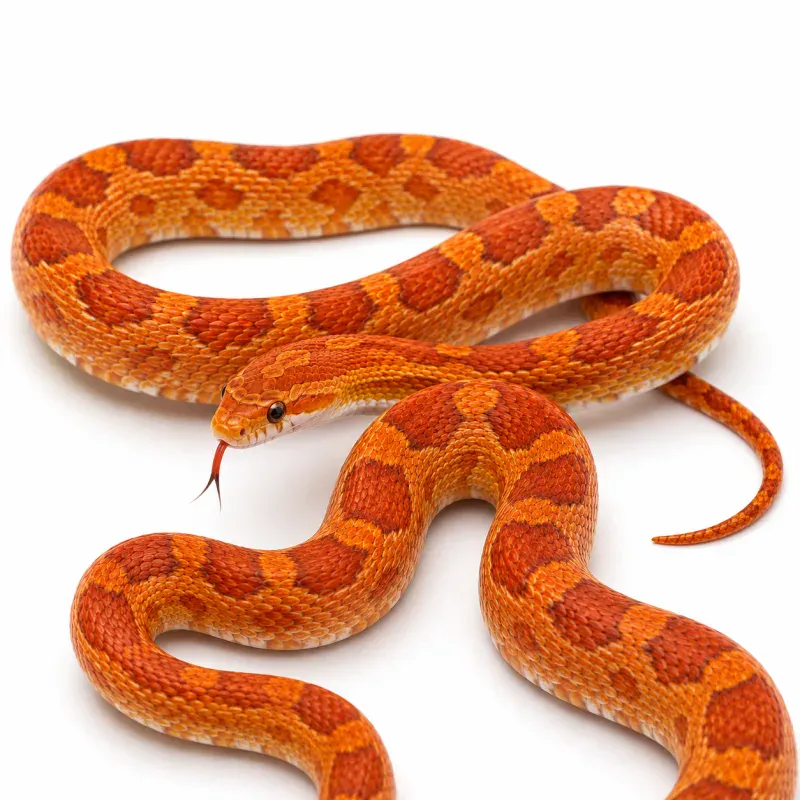
Corn snakes (Pantherophis guttatus) are among the most popular pet snakes due to their docile nature, manageable size, and striking color morphs. However, like all reptiles, they are susceptible to specific health issues that require attentive care. This guide covers the most common health problems—respiratory infections, mites, scale rot, and shedding difficulties—along with preventative measures to keep your corn snake thriving. Whether you are a new owner or an experienced keeper, understanding these conditions is key to early detection and successful treatment.
Enclosure Setup for Optimal Health
A proper enclosure is the foundation of your corn snake's health. Corn snakes are terrestrial and require a secure, well-ventilated habitat that mimics their natural environment.
Minimum Size Requirements
- Hatchling to juvenile: 10–20 gallon terrarium (30–60 L)
- Adult (over 3 feet / 90 cm): 40–50 gallon terrarium (150–190 L) or larger
- Floor space over height: Corn snakes are not climbers, but they appreciate low branches and hides
Essential Furnishings
- Two hides: One on the warm side, one on the cool side, both snug-fitting to make the snake feel secure
- Water dish: Large enough to soak in, placed on the cool side
- Substrate: Aspen shavings, cypress mulch, or paper towels (avoid cedar or pine due to respiratory irritants)
- Clutter: Fake plants, cork bark, and branches for enrichment
Heating and Lighting
Proper thermoregulation is critical for digestion, immune function, and overall health. Corn snakes are ectothermic and rely on external heat sources.
Temperature Gradient
| Zone | Temperature (°F) | Temperature (°C) |
|---|---|---|
| Warm side (basking spot) | 85–90°F | 29–32°C |
| Cool side | 75–80°F | 24–27°C |
| Nighttime drop (optional) | 65–70°F | 18–21°C |
Heating Methods
- Under-tank heater (UTH): Placed on one side, regulated by a thermostat to prevent burns
- Ceramic heat emitter (CHE): For ambient heat, especially at night
- Thermostat required: Always use a thermostat to avoid overheating
Lighting
Corn snakes do not require UVB lighting if they receive a proper diet with vitamin D3 supplementation (though UVB can still be beneficial). Provide a 12-hour light/dark cycle using a low-wattage LED or ambient room light.
Humidity and Hydration
Corn snakes need moderate humidity—between 40% and 60%—with a slight increase during shedding. Humidity that is too low can cause shedding problems; too high can lead to scale rot or respiratory infections.
Maintaining Proper Humidity
- Measure humidity: Use a digital hygrometer placed on the cool side
- Misting: Lightly mist the enclosure once or twice daily, especially around shedding
- Humidity box: Provide a hide filled with damp sphagnum moss during shed cycles
- Ventilation: Ensure adequate air flow to prevent stagnant, overly humid conditions
Diet and Feeding
A balanced diet directly impacts your snake's immune system and overall health. Corn snakes are carnivorous and eat appropriately sized rodents.
Feeding Schedule
- Hatchlings: Pinky mice every 5–7 days
- Juveniles: Fuzzy or hopper mice every 7–10 days
- Adults: Adult mice or small rats every 10–14 days
Prey Size Rule
The prey item should be no wider than 1.5 times the snake's widest body part. Overfeeding can lead to obesity, which stresses the heart and liver.
Important Feeding Tips
- Feed frozen-thawed: Kills parasites and prevents injury from live prey
- Warm prey: Thaw in warm water to 95–100°F (35–38°C)
- No handling: Wait 48 hours after feeding before handling to avoid regurgitation
Handling and Stress Reduction
Stress weakens the immune system, making your corn snake more vulnerable to illness. Gentle, regular handling builds trust and reduces stress.
How to Handle Your Corn Snake
- Start slow: Let the snake settle in for 1–2 weeks before first handling
- Support the body: Use both hands to support the full length
- Short sessions: 5–10 minutes initially, gradually increasing to 15–20 minutes
- Avoid when: The snake is in shed, has just eaten, or shows signs of illness
Signs of Stress
- Hissing, tail rattling, or musking
- Refusing food
- Excessive hiding or erratic movements
- Regurgitation
Common Health Issues and Their Prevention
Even with excellent care, corn snakes can develop health problems. Early detection is crucial. Below are the most common issues.
Respiratory Infections (RI)
Causes: Low temperatures, high humidity, poor ventilation, or bacterial/fungal infections.
Symptoms: Open-mouth breathing, wheezing, bubbles of mucus from the mouth or nostrils, lethargy, loss of appetite.
Prevention: Maintain proper temperature gradient (85–90°F warm side), keep humidity at 40–60%, ensure good ventilation, and avoid drafts.
Treatment: Consult a reptile veterinarian immediately. Treatment typically involves antibiotics, increased warmth, and supportive care. Do not attempt home remedies.
Mites (Ophionyssus natricis)
Causes: Introduction from infected snakes, substrate, or equipment. Mites are tiny external parasites that feed on blood.
Symptoms: Small black or red dots on the snake's skin (especially under scales), excessive soaking, rubbing against objects, and visible mites in the water dish.
Prevention: Quarantine new snakes for 30–90 days, use mite-free substrate, and disinfect all equipment regularly.
Treatment: Remove the snake and clean the enclosure thoroughly with a reptile-safe disinfectant. Use a reptile-safe mite spray or treatment (e.g., Frontline spray—consult a vet). Repeat treatment every 5–7 days for three cycles.
Scale Rot (Dermatitis)
Causes: Prolonged exposure to wet, dirty substrate; bacterial or fungal infection.
Symptoms: Discolored, raised, or blistered scales; red or inflamed skin; foul odor; loss of appetite.
Prevention: Keep substrate dry, spot-clean waste daily, and provide a dry hide. Replace substrate monthly.
Treatment: Isolate the snake, clean the affected area with a diluted povidone-iodine solution, and apply a reptile-safe antibiotic ointment. Severe cases require veterinary intervention (oral antibiotics or antifungals).
Shedding Problems (Dyscedysis)
Causes: Low humidity, dehydration, lack of rough surfaces, or underlying illness.
Symptoms: Incomplete shed (retained eye caps, stuck skin on tail tip), flaky patches, and difficulty eating (if eye caps retained).
Prevention: Maintain humidity at 50–60% during shed cycles, provide a humidity box, and offer rough surfaces like cork bark or rocks.
Treatment: Soak the snake in lukewarm water (85°F / 29°C) for 15–20 minutes, then gently rub the stuck skin with a damp cloth. Never pull forcefully; repeated soaking usually works. For retained eye caps, consult a vet.
Other Common Issues
- Obesity: Caused by overfeeding; leads to fatty liver disease. Feed appropriate prey sizes and frequencies.
- Mouth Rot (Stomatitis): Caused by injury or poor hygiene; symptoms include swollen mouth, cheesy discharge, and refusal to eat. Requires veterinary antibiotics.
- Burns: From unregulated heat sources. Always use a thermostat and check temperatures with an infrared thermometer.
- Impaction: From ingesting substrate like sand or wood chips. Use large-particle substrates or feed in a separate container.
What to Avoid
Even experienced keepers make errors. Avoid these pitfalls to keep your corn snake healthy.
- Incorrect temperature gradient: Allowing the warm side to exceed 90°F or the cool side to drop below 70°F can cause metabolic problems and RIs.
- Overhandling: Handling too soon after feeding or during shed causes stress and regurgitation.
- Using unregulated heat mats: Can cause severe burns. Always use a thermostat.
- Neglecting humidity: Too low leads to shedding issues; too high invites scale rot and RIs.
- Feeding live prey: Live rodents can injure or kill your snake. Always use frozen-thawed.
- Skipping quarantine: New snakes should be isolated for at least 30 days to prevent introducing mites or diseases.
- Using unsafe substrates: Cedar and pine emit toxic oils; sand can cause impaction.
Preventative Care Checklist
Prevention is the best medicine. Follow this checklist to maintain your corn snake's health.
| Task | Frequency |
|---|---|
| Check temperatures (warm and cool side) | Daily |
| Check humidity | Daily |
| Spot-clean waste | As needed (daily recommended) |
| Replace water | Daily |
| Full substrate change | Monthly |
| Disinfect enclosure and decor | Monthly |
| Weigh your snake | Monthly |
| Inspect for mites, scale rot, or retained shed | Weekly |
| Veterinary check-up | Annually (or if symptoms appear) |
Step-by-Step: How to Assess Your Corn Snake's Health at Home
Regular at-home health checks can catch problems early. Follow this simple routine once a week, ideally when your snake is calm and not in shed.
- Observe behavior: Note activity level, appetite, and any unusual actions like excessive soaking or rubbing.
- Check the skin: Look for mites (small black/red dots), scale rot (discolored, raised, blistered scales), or retained shed.
- Inspect the mouth: Gently open the mouth with a soft tool (like a blunt spatula) to check for swelling, discharge, or cheesy buildup.
- Listen to breathing: Hold the snake near your ear and listen for wheezing or clicking sounds.
- Weigh regularly: Use a digital scale and record the weight monthly; sudden loss or gain can indicate illness.
- Check the vent: Ensure it is clean and free of swelling or discharge.
If you notice any abnormalities, consult a reptile veterinarian promptly.
Troubleshooting Common Health Problems
Even with prevention, issues can arise. Here's a quick reference for what to do if you spot a problem.
| Symptom | Likely Cause | Immediate Action |
|---|---|---|
| Open-mouth breathing, wheezing | Respiratory infection | Check temperatures and humidity; consult a vet immediately. |
| Black/red dots on skin, excessive soaking | Mites | Quarantine the snake, clean enclosure, and treat with reptile-safe mite spray. |
| Discolored, blistered scales | Scale rot | Clean affected area with diluted povidone-iodine; dry substrate; vet if severe. |
| Incomplete shed, retained eye caps | Low humidity | Soak in lukewarm water (85°F/29°C) for 15–20 minutes; provide humidity box. |
| Refusing food | Stress, illness, or improper temps | Check husbandry; avoid handling; if persists, consult a vet. |
Seasonal Care Considerations
Corn snakes may experience seasonal changes in behavior and health needs.
Winter
- Temperature: Ensure the warm side stays at 85–90°F, especially if room temps drop.
- Humidity: Heating can dry the air; monitor humidity and mist more if needed.
- Feeding: Some snakes eat less in winter; don't force feed if they refuse, but monitor weight.
Summer
- Temperature: Watch for overheating; keep the cool side below 80°F.
- Humidity: Higher ambient humidity may require less misting; ensure ventilation to prevent scale rot.
- Hydration: Always provide fresh water; snakes may drink more in heat.
Cost Breakdown: Treating Common Corn Snake Health Issues
Understanding potential costs helps you prepare for emergencies.
| Issue | Typical Treatment | Estimated Cost (USD) |
|---|---|---|
| Mites | Reptile-safe mite spray, enclosure cleaning | $20–$50 |
| Scale rot (mild) | Povidone-iodine solution, antibiotic ointment | $15–$30 |
| Respiratory infection | Vet visit, antibiotics | $100–$300 |
| Retained eye caps | Soaking, possible vet assistance | $50–$150 (vet) |
Preventative care—proper setup, hygiene, and quarantine—is far more cost-effective than treatment.
Conclusion
Corn snakes are hardy, long-lived reptiles that thrive with proper care. By understanding the common health issues—respiratory infections, mites, scale rot, and shedding problems—and implementing preventative measures, you can ensure your snake enjoys a healthy, stress-free life. Remember that early intervention is key: if you notice any symptoms, consult a reptile veterinarian without delay. With the right setup, diet, and handling, your corn snake can be a rewarding companion for 15–20 years or more.
Related Reading
- Corn Snake Care Guide: The Best First Snake
- African Fat — Tailed Gecko Care: Complete Guide
- Corn Snake Morphs: 15 Popular Colors & Patterns Expl...
- Corn Snake Temperature & Heating Guide: Heat Gradien...
- Corn Snake Feeding Guide: Complete Diet Schedule, Mo...
Frequently Asked Questions
What are the common causes and symptoms of respiratory infections in corn snakes?
Respiratory infections are caused by low temperatures, high humidity, poor ventilation, or bacterial/fungal infections. Symptoms include open-mouth breathing, wheezing, bubbles of mucus from the mouth or nostrils, lethargy, and loss of appetite.
How should mites on a corn snake be treated?
Treatment involves removing the snake and cleaning the enclosure thoroughly with a reptile-safe disinfectant. Use a reptile-safe mite spray or treatment, such as Frontline spray, but consult a vet first. Repeat the treatment every 5–7 days for three cycles.
What is the recommended treatment for scale rot in corn snakes?
Isolate the snake, clean the affected area with a diluted povidone-iodine solution, and apply a reptile-safe antibiotic ointment. Severe cases require veterinary intervention, such as oral antibiotics or antifungals.
How should shedding problems like retained eye caps be handled?
Soak the snake in lukewarm water at 85°F (29°C) for 15–20 minutes, then gently rub the stuck skin with a damp cloth. Never pull forcefully, as repeated soaking usually works. For retained eye caps, consult a vet.
What is the ideal temperature gradient for a corn snake?
The warm side should be 85–90°F (29–32°C) and the cool side 75–80°F (24–27°C), with an optional nighttime drop to 65–70°F (18–21°C).
How often should I feed my adult corn snake?
Adults should be fed adult mice or small rats every 10–14 days. Always use frozen-thawed prey and wait 48 hours after feeding before handling.
What are the signs of stress in a corn snake?
Signs include hissing, tail rattling, musking, refusing food, excessive hiding, erratic movements, and regurgitation.
Check optimal temps, calculate feeding, and find your perfect species match.
References
- Barten, S. L. (2016). Reptile Medicine and Surgery. Elsevier.
- Mitchell, M. A., & Tully, T. N. (2009). Manual of Exotic Pet Practice. Saunders.
- de Vosjoli, P. (2006). The Corn Snake Manual. Advanced Vivarium Systems.
- Rossi, J. V. (2015). Clinical Anatomy and Physiology of Exotic Species. Wiley-Blackwell.
- Mader, D. R. (2006). Reptile Medicine and Surgery. Saunders Elsevier.
🐾 Join the Community
See how other keepers set up their enclosures, ask questions, and share your experience.
🛠️ Apply What You Learned
Check optimal temps, calculate feeding schedules, and get calcium dosage — all personalized for your species.
Comments