Uromastyx Diet Guide: Safe Greens & Seed Mixes
Introduction to Uromastyx Diet
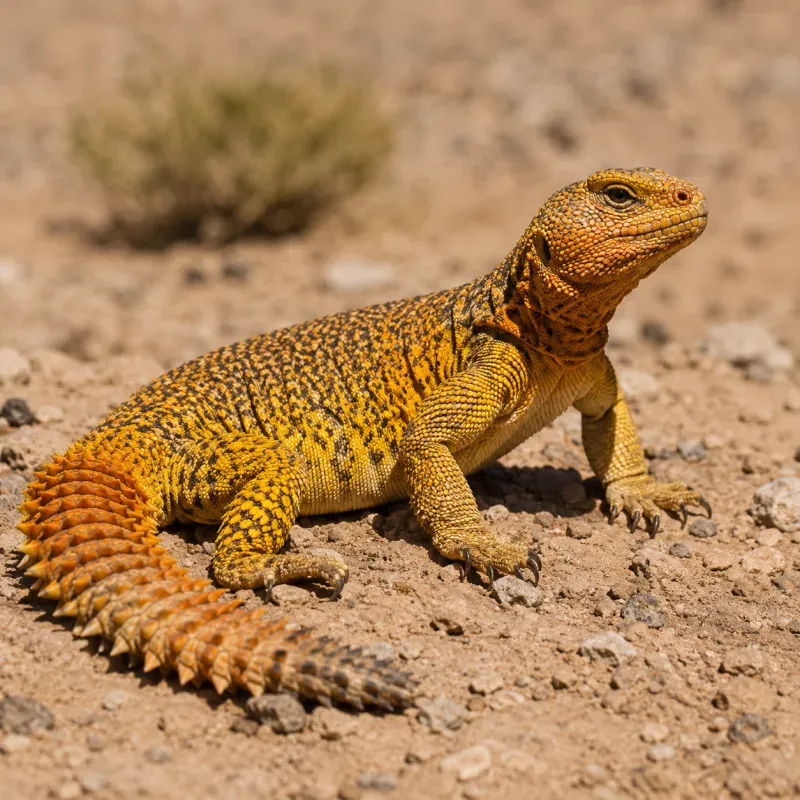
Uromastyx (Uromastyx spp.), also known as spiny-tailed lizards, are strict herbivores native to arid regions of North Africa and the Middle East. Unlike many other reptiles, they require a high-fiber, low-protein, and low-moisture diet to thrive. In the wild, they feed on tough desert plants, seeds, and occasional insects (though captive studies show they do best on a plant-only diet). This guide provides a complete, evidence-based feeding plan for Uromastyx, covering safe foods, supplementation, and age-specific schedules.
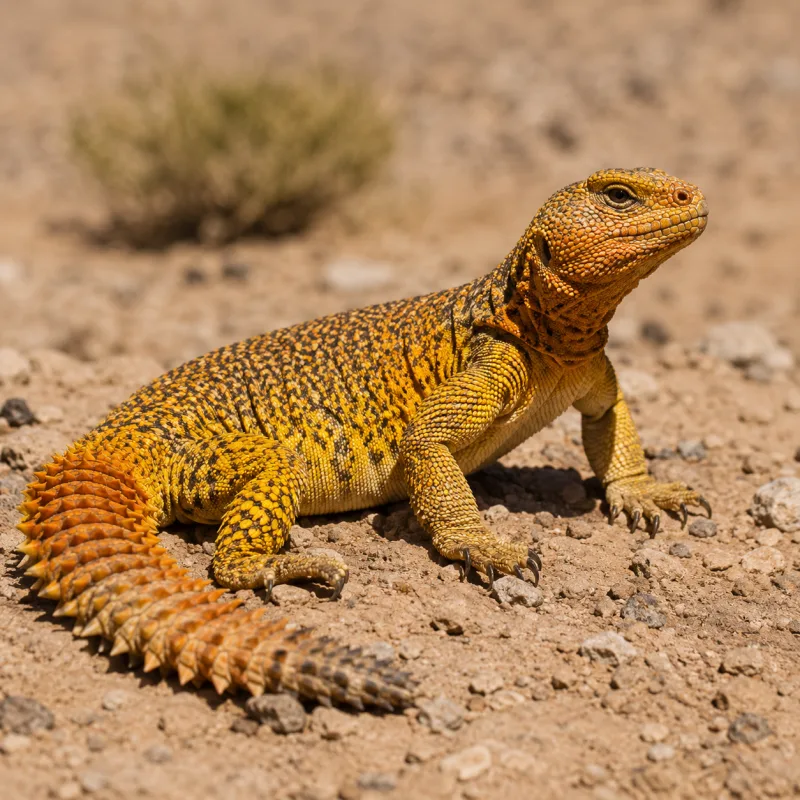
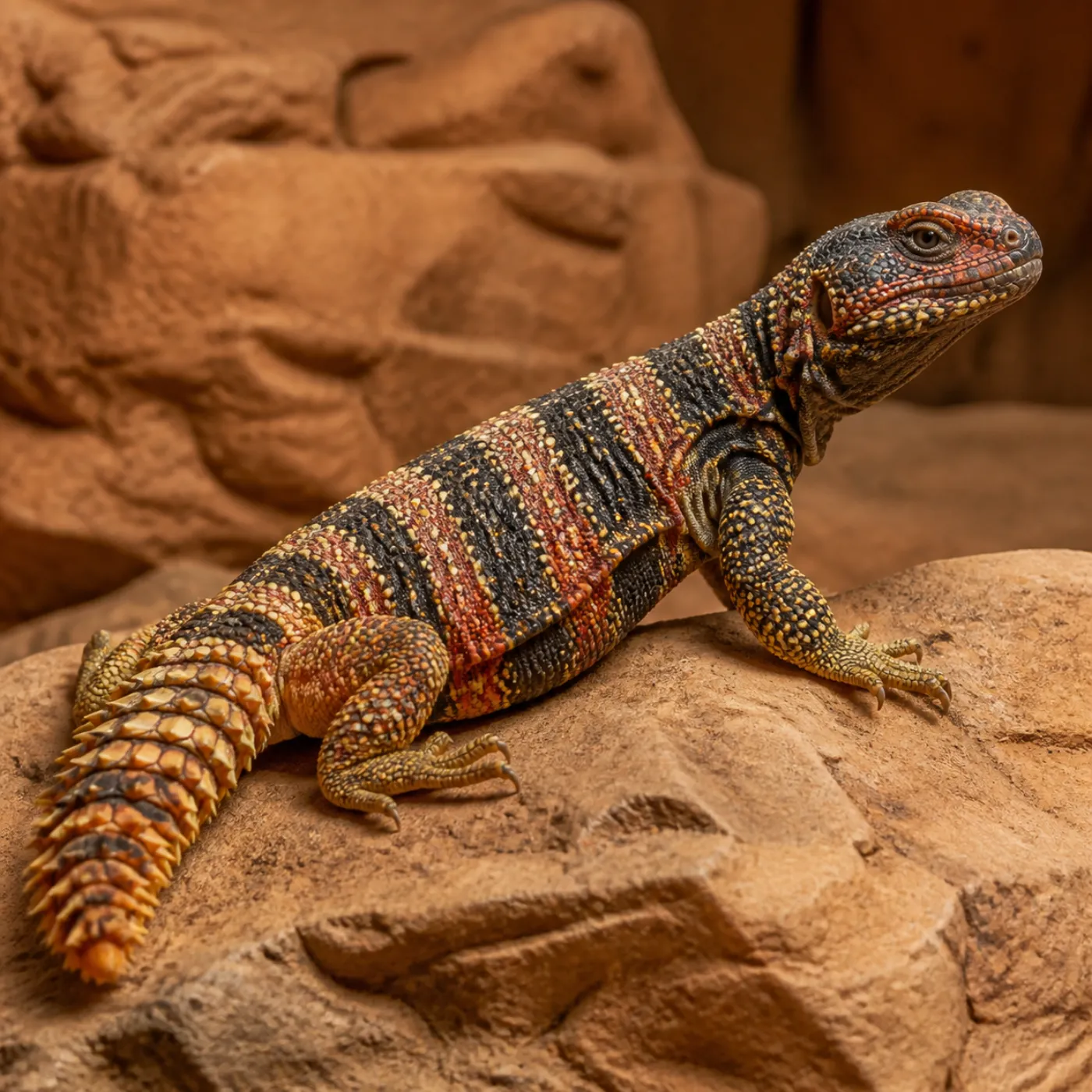
Understanding the natural history of Uromastyx is key to replicating their diet in captivity. These lizards are adapted to survive on sparse, fibrous vegetation and can go days without food in the wild. In captivity, they often overeat if given unlimited access to rich foods, leading to obesity and metabolic disorders. Therefore, portion control and careful food selection are critical.
Nutritional Overview: What Uromastyx Need
Uromastyx have unique nutritional requirements that differ from most other reptiles. Their diet should be:
- High fiber: 15–25% crude fiber, which aids digestion and prevents obesity.
- Low protein: Less than 5% protein from plant sources; excess protein can cause gout and kidney damage.
- Low moisture: Around 70–80% water content in food; too much water can cause diarrhea.
- Calcium-rich: Calcium-to-phosphorus ratio should be at least 2:1 to prevent metabolic bone disease.
In the wild, Uromastyx consume a variety of desert plants, including leaves, flowers, and seeds. They are opportunistic feeders, but their digestive systems are specialized for fibrous plant material. This means that high-protein animal foods (like insects) are not only unnecessary but harmful.
Safe Greens, Vegetables & Seeds
The foundation of a Uromastyx diet should be dark leafy greens and fibrous vegetables. Avoid high-oxalate greens like spinach and high-protein legumes. Below is a table of safe and unsafe foods.
| Category | Safe Options | Unsafe Options |
|---|---|---|
| Leafy Greens | Collard greens, dandelion greens, endive, escarole, mustard greens, turnip greens, bok choy, kale (limit due to goitrogens), watercress | Spinach, Swiss chard, romaine (low nutrition), iceberg lettuce |
| Vegetables | Butternut squash, acorn squash, pumpkin, bell peppers (all colors), green beans, carrots (shredded), zucchini, cucumber (peeled, seeded) | Broccoli, cauliflower, cabbage (gas-producing), avocado (toxic), rhubarb |
| Seeds & Legumes | Millet, quinoa (cooked), lentils (cooked), sunflower seeds (unsalted, crushed), pumpkin seeds, flax seeds (ground), chia seeds | Beans (raw), peanuts, soybeans, high-fat seeds like sesame |
| Fruits (treats only) | Berries (strawberries, blueberries), melon (small amounts), figs, papaya | Citrus (high acid), grapes (high sugar), bananas (high potassium) |
| Supplements | Calcium with D3 (5 days/week for juveniles, 3-4 days/week for adults), multivitamin (once weekly) | Phosphorus-heavy supplements, unlabeled products |
How to Prepare Greens and Vegetables
Proper preparation ensures your Uromastyx can eat and digest food easily:
- Wash thoroughly: Rinse all produce to remove pesticides and contaminants.
- Chop finely: For juveniles, chop greens into small pieces (1/4 inch). Adults can handle larger pieces but still benefit from chopping to prevent choking.
- Shred hard vegetables: Carrots, squash, and zucchini should be shredded or grated to make them easier to eat.
- Peel and seed cucumbers: The skin and seeds are hard to digest and can cause impaction.
- Soak dry seeds: Soaking seeds in water for 2–4 hours softens them and reduces the risk of impaction.
Understanding Oxalates and Goitrogens
Some safe greens contain compounds that can be problematic in excess. Oxalates (in spinach, Swiss chard) bind calcium and can cause kidney stones. Goitrogens (in kale, cabbage) interfere with thyroid function. That's why these greens are listed as 'limit' or 'unsafe'. Rotate greens to avoid overexposure to any single compound.
Feeding Schedule by Age
Uromastyx have different nutritional needs at different life stages. Juveniles (under 1 year) need more protein and calcium for growth, while adults require higher fiber to prevent obesity and renal issues.
Juveniles (0–12 months)
- Frequency: Offer food daily, leaving fresh greens available for 6–8 hours.
- Portion: A pile of chopped greens the size of the lizard's head, plus a pinch of seeds (1/4 teaspoon).
- Protein: Include cooked lentils or quinoa once weekly (5% of diet).
- Calcium: Dust food with calcium + D3 powder 5 days per week.
Sub-Adults (1–2 years)
- Frequency: Feed every other day, with fresh water available daily.
- Portion: Greens pile the size of the lizard's body, seeds 1/2 teaspoon every 3 days.
- Protein: Reduce to once every 2 weeks.
- Calcium: Dust with calcium + D3 4 days per week.
Adults (2+ years)
- Frequency: Feed 3–4 times per week, with a large pile of greens each time.
- Portion: Greens pile the size of the lizard's body, seeds 1 teaspoon once weekly.
- Protein: Eliminate legumes; rely on seeds for trace protein.
- Calcium: Dust with calcium + D3 3 days per week.
- Multivitamin: Once weekly for all ages, using a reptile-specific multivitamin (e.g., Repashy SuperVite).
Why Fasting Days Matter
Fasting days (no food) are essential for adult Uromastyx. In the wild, they don't eat every day. Fasting mimics natural conditions, prevents obesity, and gives the digestive system time to process fibrous material. For juveniles, fasting is not recommended because they need constant nutrition for growth.
Calcium & D3 Supplementation
Uromastyx require calcium for bone health and egg production (females). Without adequate UVB lighting, they cannot synthesize vitamin D3, leading to metabolic bone disease (MBD). However, over-supplementation with D3 can cause toxicity. Follow these guidelines:
- UVB Lighting: Use a linear T5 UVB bulb (5.0 or 6% for low basking areas; 10.0 or 12% for high basking areas) placed 12–18 inches from the basking spot. Replace bulbs every 6 months.
- Calcium Powder: Use calcium carbonate or calcium gluconate without D3 for one feeding per week, and with D3 for the rest. Avoid phosphorus-rich calcium sources.
- D3 Schedule: Juveniles: 5 days/week with D3; Adults: 3 days/week with D3. If using a D3-free calcium, supplement with a high-quality UVB bulb only.
- Signs of Deficiency: Soft jaw, tremors, lethargy, swollen limbs. If observed, increase D3 and UVB exposure immediately and consult a vet.
Choosing the Right Calcium Powder
Not all calcium powders are equal. Look for:
- Calcium carbonate or calcium gluconate — these are well-absorbed.
- No added phosphorus — phosphorus interferes with calcium absorption.
- D3 vs. no D3: If your UVB is strong, you can use no D3. If UVB is weak, use D3.
Always check the label for the calcium-to-phosphorus ratio. A ratio of 2:1 or higher is ideal.
How to Dust Food Properly
Dusting is simple but must be done correctly:
- Place the greens in a plastic bag or container.
- Add a small amount of calcium powder (a pinch per serving).
- Shake gently to coat the greens evenly. You should see a light dusting, not clumps.
- Feed immediately. Do not store dusted greens — the powder degrades over time.
Water & Hydration
Uromastyx get most of their water from their food. In the wild, they drink morning dew. In captivity, provide a shallow water dish (changed daily) and mist the greens lightly before feeding. Avoid high-humidity enclosures (above 40%) as they can cause respiratory infections. Signs of dehydration: wrinkled skin, sunken eyes, thick urates. Increase misting and offer water via syringe if needed.
Misting Techniques
Misting serves two purposes: providing water and increasing humidity briefly. Here's how to do it effectively:
- Use a spray bottle with dechlorinated water.
- Mist the greens lightly before feeding — this adds moisture without making them soggy.
- Mist the enclosure walls in the morning to simulate dew. This encourages drinking.
- Do not mist heavily or keep the substrate wet, as this raises humidity and risks respiratory infections.
Signs of Dehydration and Overhydration
Dehydration is common, but overhydration can also occur. Know the signs:
- Dehydration: Wrinkled skin, sunken eyes, thick urates (white part of waste), lethargy. Solution: Increase misting, offer water via syringe, and soak the lizard in shallow warm water for 10–15 minutes.
- Overhydration: Loose, watery stools, frequent urination. Solution: Reduce misting, remove the water dish temporarily, and ensure greens are not overly wet.
Common Diet Mistakes
- Overfeeding protein: Too many insects, legumes, or seeds cause gout and kidney failure. Stick to <5% protein.
- Feeding fruit as staple: High sugar leads to obesity, fatty liver, and dental issues. Offer fruit only as a treat once a month.
- Using iceberg lettuce: Zero nutrition; water content can cause diarrhea. Use nutrient-dense greens.
- Skipping calcium: Especially in young or gravid females, MBD is irreversible.
- Ignoring UVB: Without proper UVB, D3 supplementation alone may not prevent MBD. Replace bulbs regularly.
Mistake: Feeding Insects
Many new owners mistakenly offer insects like crickets or mealworms. Uromastyx are herbivores, and their digestive systems cannot handle animal protein. Even occasional insects can cause kidney damage. Stick to a plant-only diet.
Mistake: Over-supplementing D3
While D3 is essential, too much can cause hypervitaminosis D, leading to calcification of soft tissues. Follow the schedule strictly and use D3-free calcium on at least one day per week.
Mistake: Feeding Only One Type of Green
Variety is crucial. Feeding only collard greens, for example, can lead to goitrogen buildup. Rotate at least 3–4 different greens weekly.
Sample Weekly Menu (Adult)
| Day | Food | Supplement |
|---|---|---|
| Monday | Collard greens + shredded butternut squash + millet (1 tsp) | Calcium + D3 |
| Tuesday | No food (fasting day) | None |
| Wednesday | Dandelion greens + bell pepper strips + pumpkin seeds (crushed) | Calcium + D3 |
| Thursday | No food | None |
| Friday | Endive + green beans + quinoa (cooked, 1 tbsp) | Calcium (no D3) + multivitamin |
| Saturday | No food | None |
| Sunday | Mustard greens + zucchini + sunflower seeds (crushed) | Calcium + D3 |
How to Modify for Juveniles
For juveniles, feed daily instead of every other day. Use smaller portions (head-sized) and add a pinch of seeds daily. Include cooked lentils or quinoa once a week. Dust with calcium + D3 5 days a week.
How to Modify for Sub-Adults
Sub-adults can follow the adult menu but feed every other day instead of fasting two days. Increase seed frequency to every 3 days. Reduce protein to once every 2 weeks.
Health Issues Related to Diet
- Metabolic Bone Disease (MBD): Caused by calcium deficiency or poor UVB. Symptoms: soft jaw, tremors, inability to lift body. Treatment: calcium injections, UVB correction, supportive care.
- Gout: From high protein. Symptoms: swollen joints, lethargy. Prevent by limiting protein to <5%.
- Obesity: From high sugar/fat seeds. Prevent by limiting seeds to 1 tsp/week for adults.
- Impaction: From ingesting sand or too much dry fiber. Use reptile-safe substrate (tile, paper towels) and soak dry seeds before feeding.
- Parasites: Wild-caught Uromastyx may carry coccidia. Quarantine new animals and have fecal exams done.
Preventing Impaction
Impaction is a common issue, especially with loose substrates like sand. To prevent it:
- Use solid substrates: tile, paper towels, or reptile carpet.
- If you use a loose substrate, ensure it's not ingested (e.g., using a feeding dish).
- Soak seeds before feeding to soften them.
- Provide a basking spot of 100–110°F (38–43°C) to aid digestion.
Recognizing Gout Early
Gout is painful and can be fatal. Early signs include:
- Swollen joints (especially toes and ankles)
- Lethargy
- Reduced appetite
- Difficulty walking
If you notice these, stop all protein sources immediately and consult a vet. Gout is often irreversible, so prevention is key.
Dealing with Parasites
Wild-caught Uromastyx often carry parasites. Even captive-bred can get them from contaminated food. Signs include weight loss, diarrhea, and poor appetite. Have a fecal exam done annually and quarantine new animals for 30–60 days.
Troubleshooting Feeding Problems
My Uromastyx Won't Eat
Loss of appetite can be due to:
- Stress: New environment, handling, or noise. Give them time to acclimate.
- Temperature: If the basking spot is too cool (<100°F), digestion slows. Check temperatures.
- Illness: Parasites, infections, or organ issues. Consult a vet if it persists.
- Breeding season: Some adults fast during breeding. This is normal if they maintain weight.
My Uromastyx Only Eats Seeds
Some Uromastyx become seed-picky. This can lead to obesity and nutritional imbalance. To fix:
- Reduce seed portions and offer them as a topping, not mixed in.
- Offer a variety of greens to find what they like.
- Try different textures: shredded, chopped, whole leaves.
- Be patient — it may take weeks to change preferences.
My Uromastyx Has Diarrhea
Diarrhea is often caused by:
- Too much water in food (e.g., watery vegetables like cucumber).
- Feeding fruit too often.
- Parasites.
- Sudden diet changes.
Solution: Remove watery foods, increase fiber, and have a fecal exam done. If it persists, see a vet.
Frequently Asked Questions
Can Uromastyx eat fruits?
Yes, but only as a treat. Fruits are high in sugar and can cause obesity, fatty liver, and dental issues if fed regularly. Offer small amounts (e.g., one berry or a small piece of melon) no more than once a month. Safe fruit options include berries, melon, figs, and papaya. Avoid citrus fruits, grapes, and bananas due to high acid, sugar, or potassium content.
How often should I feed my adult Uromastyx?
Adult Uromastyx (2+ years) should be fed 3–4 times per week, with a large pile of greens each time. They also require fasting days to mimic natural conditions and prevent obesity. On feeding days, provide a greens pile the size of the lizard's body, plus 1 teaspoon of seeds once weekly. Calcium with D3 should be dusted 3 days per week, and a multivitamin once weekly.
Do Uromastyx need UVB lighting if I give calcium with D3?
Yes, UVB lighting is essential even if you supplement with D3. UVB allows Uromastyx to synthesize vitamin D3 naturally, which is more effective than oral supplementation. Without UVB, they cannot metabolize calcium properly, leading to metabolic bone disease (MBD). Use a linear T5 UVB bulb (5.0 or 6% for low basking areas; 10.0 or 12% for high basking areas) placed 12–18 inches from the basking spot, and replace the bulb every 6 months as UVB output diminishes over time.
What are the signs of metabolic bone disease in Uromastyx?
Metabolic bone disease (MBD) is caused by calcium deficiency or poor UVB exposure. Early signs include a soft jaw, tremors, lethargy, swollen limbs, and an inability to lift the body off the ground. If you notice these symptoms, increase D3 and UVB exposure immediately and consult a reptile veterinarian. MBD can be irreversible if not treated early, so prevention through proper calcium supplementation and UVB lighting is crucial.
Conclusion
Feeding a Uromastyx a species-appropriate herbivorous diet is key to a long, healthy life. Focus on high-fiber greens, low-protein vegetables, and occasional seeds. Supplement with calcium and D3 based on age and UVB exposure. Avoid common mistakes like overfeeding protein or fruit. With proper diet and husbandry, your Uromastyx can live 15–25 years. Always consult a reptile veterinarian for individual health concerns.
Related Reading
- Uromastyx Care Guide
- Bearded Dragon Care — Similar Diurnal Lizard
- Feeding Calculator
- Types of uromastyx — diet, size and temperature needs by locale.
Check optimal temps, calculate feeding, and find your perfect species match.
References
- Wilke, H. (2020). Uromastyx: Natural History, Care, and Breeding. Herpetological Publishing.
- Vosjoli, P. de (2019). The Uromastyx Manual. Advanced Vivarium Systems.
- McKeown, S. (2018). Reptile Nutrition: A Guide to Feeding Herbivorous Lizards. CRC Press.
🐾 Join the Community
See how other keepers set up their enclosures, ask questions, and share your experience.
🛠️ Apply What You Learned
Check optimal temps, calculate feeding schedules, and get calcium dosage — all personalized for your species.
Comments
No account needed — corrections, updates and questions are all welcome. For a full question with photos, the community Q&A is the better place.