Uromastyx Morphs: Red, Orange & Yellow Varieties
Introduction
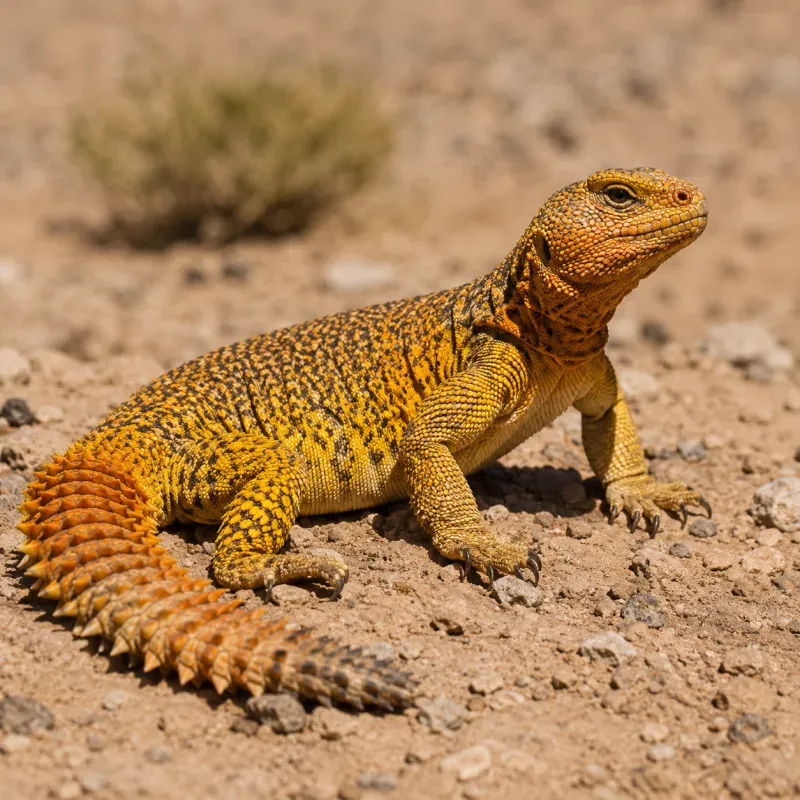
Uromastyx, often called spiny-tailed lizards or dabb lizards, are desert-dwelling reptiles prized for their unique appearance and docile temperament. While the genus Uromastyx includes several species, hobbyists frequently focus on color variations that arise from different geographic locales and selective breeding. This guide explores the most sought-after morphs and color varieties, emphasizing red, orange, and yellow forms that captivate enthusiasts worldwide.
Popular Uromastyx Color Varieties (With Pictures)
\nHere are the most popular color forms in their typical adult appearance.
\n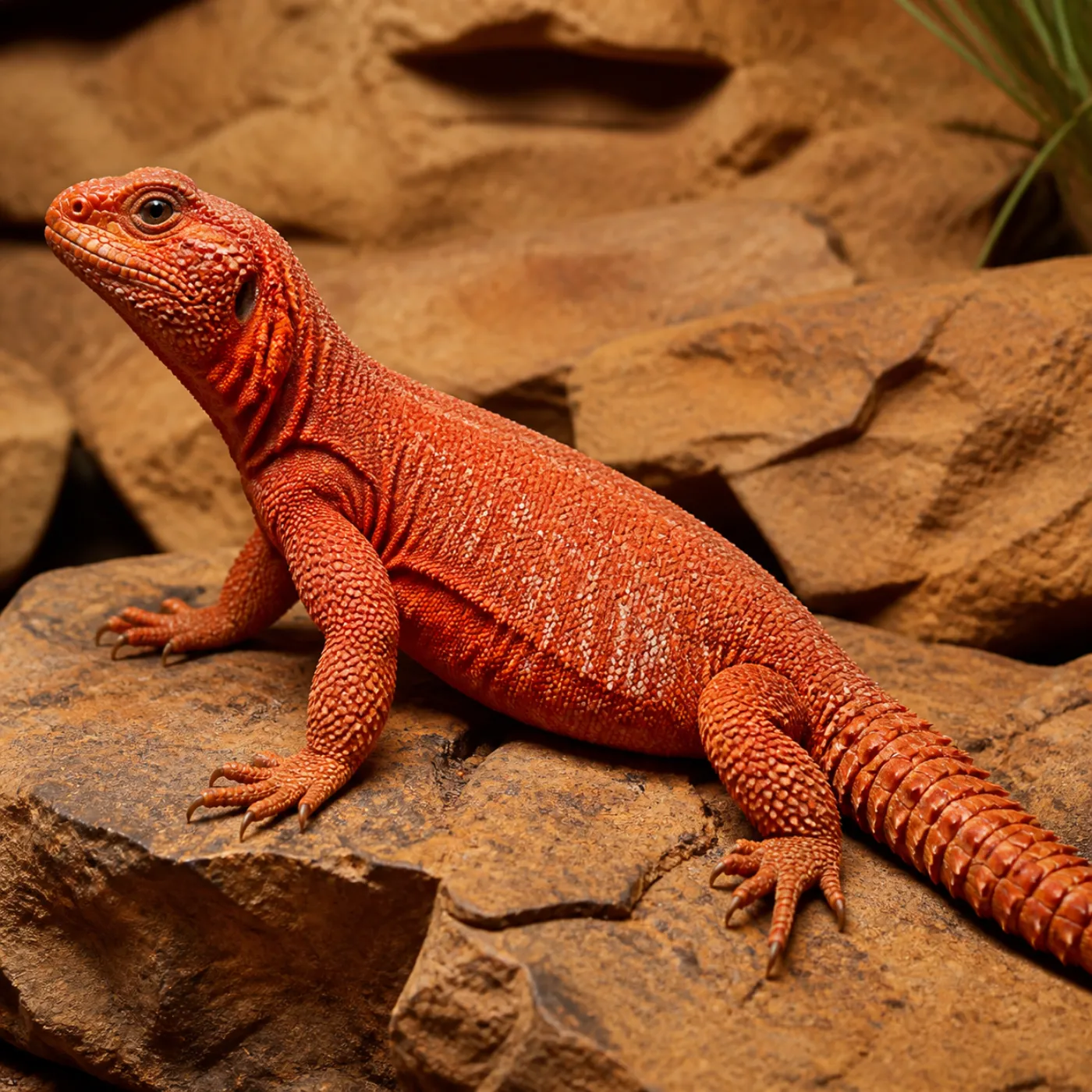 Red (Moroccan) | 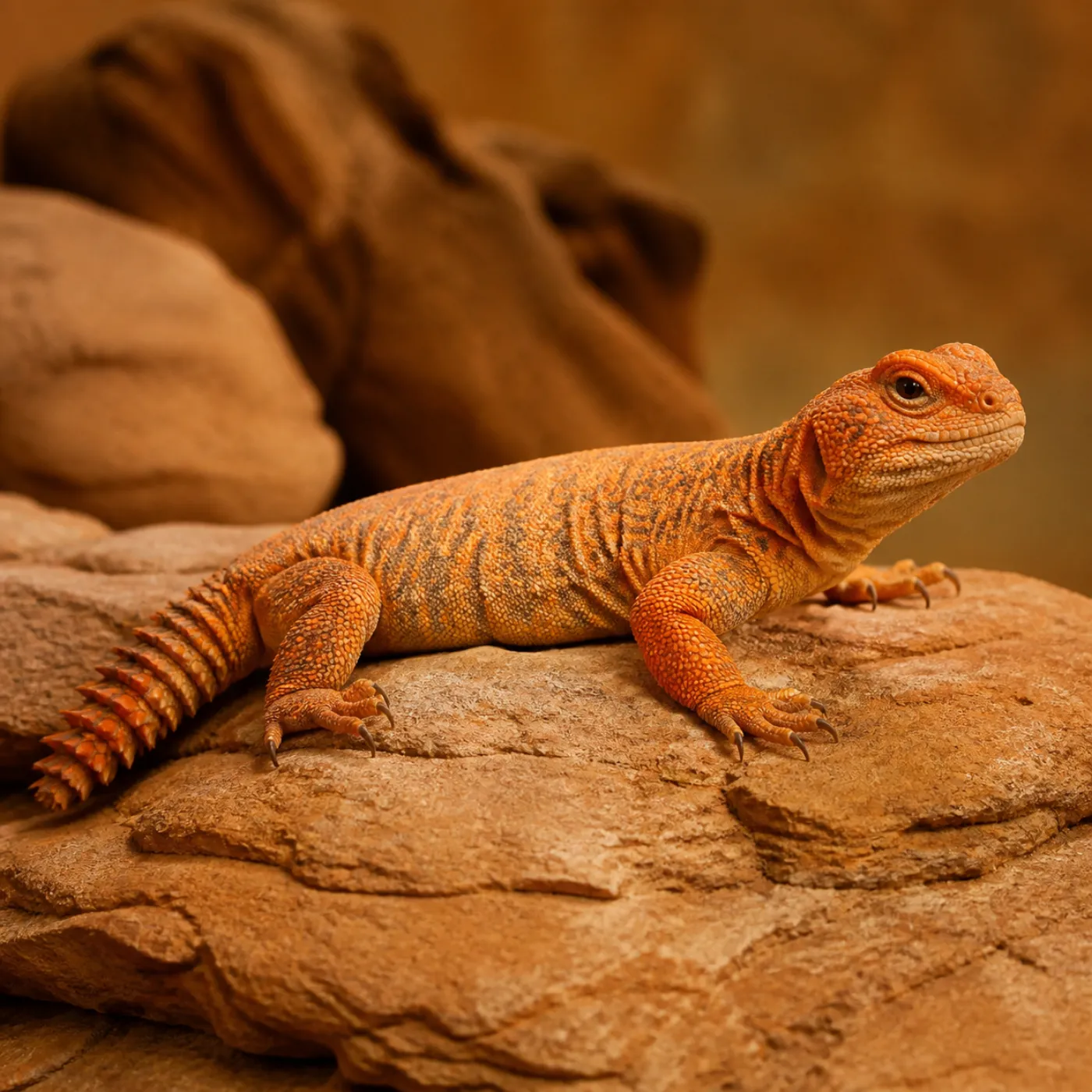 Orange (Egyptian) |
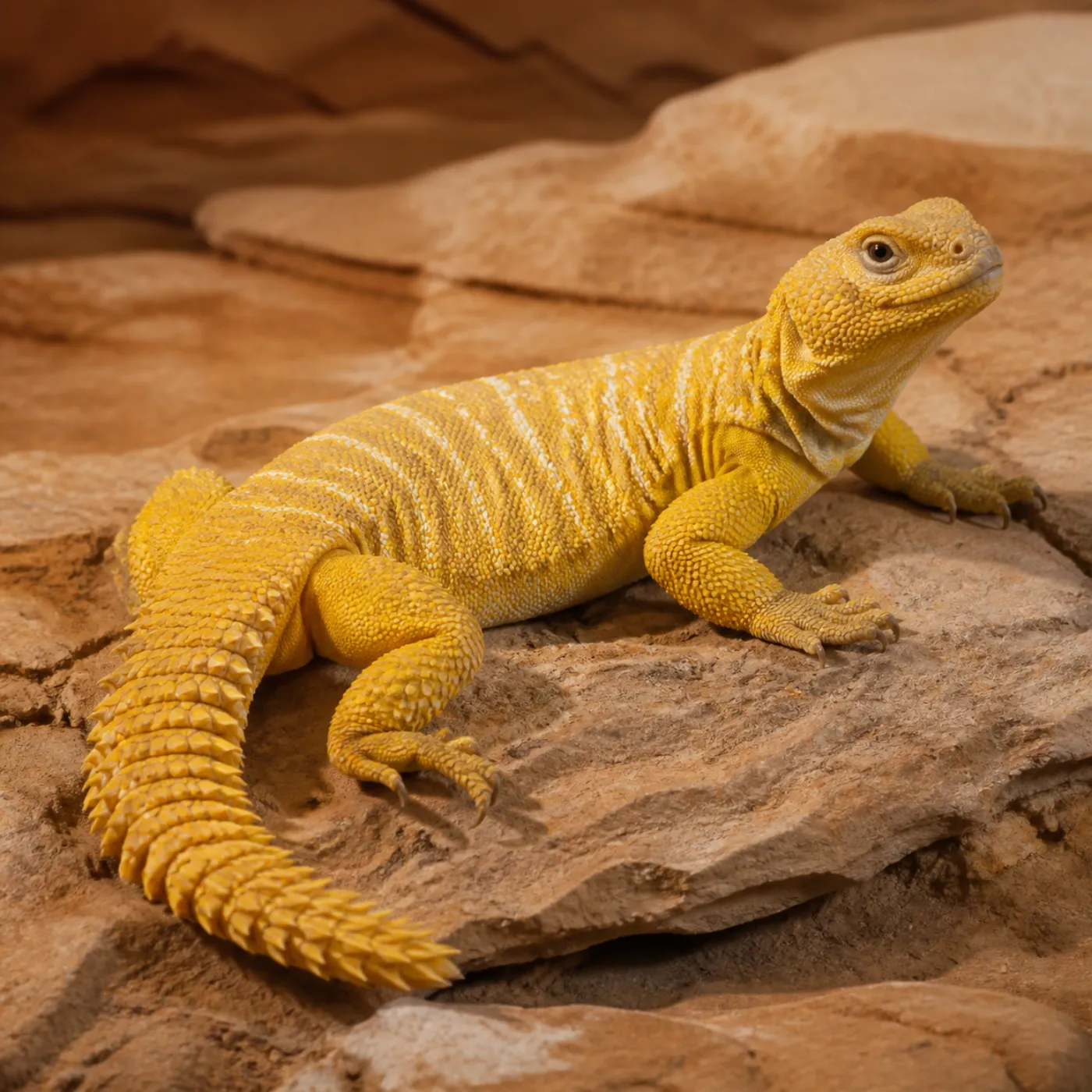 Yellow (Mali) | 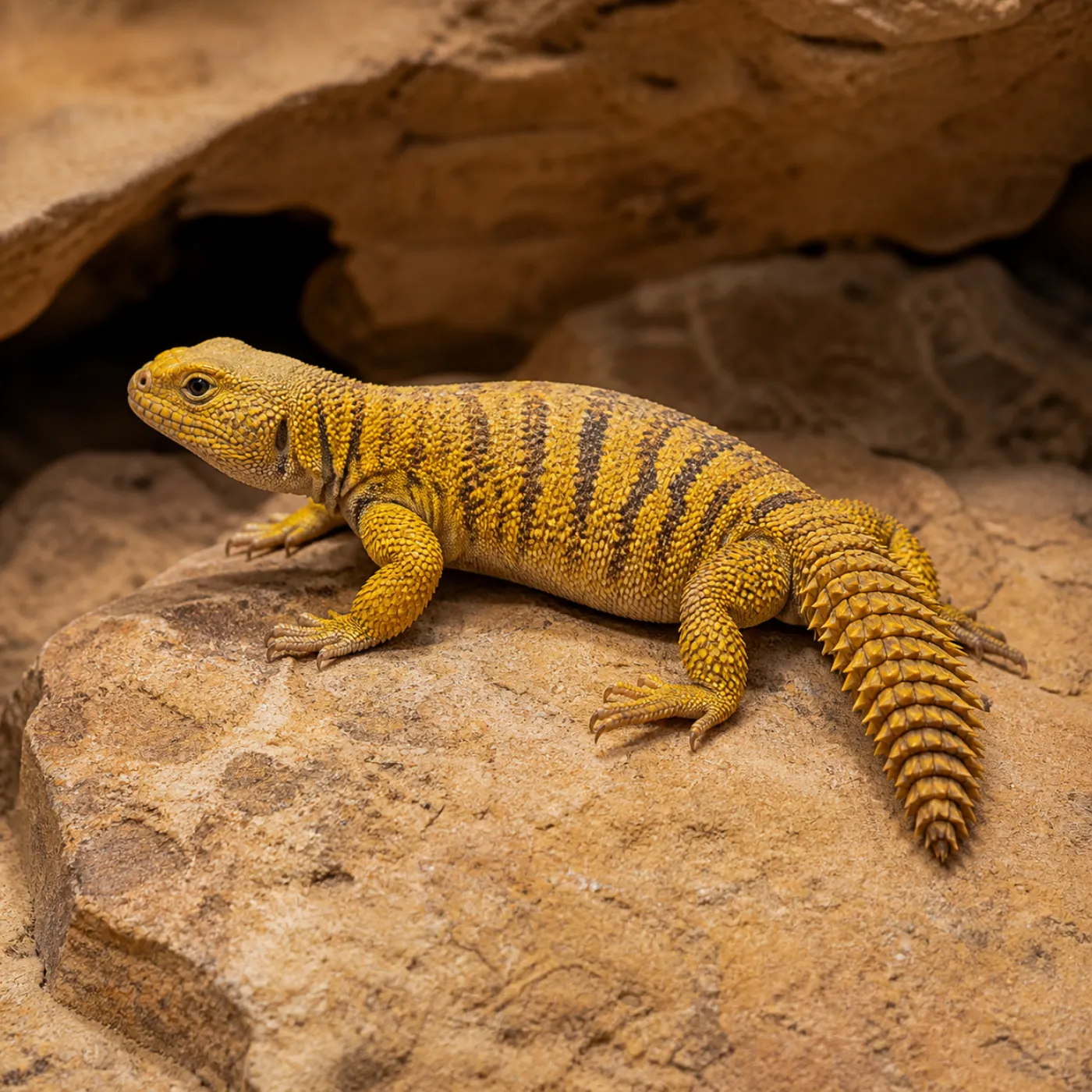 Mali Locale |
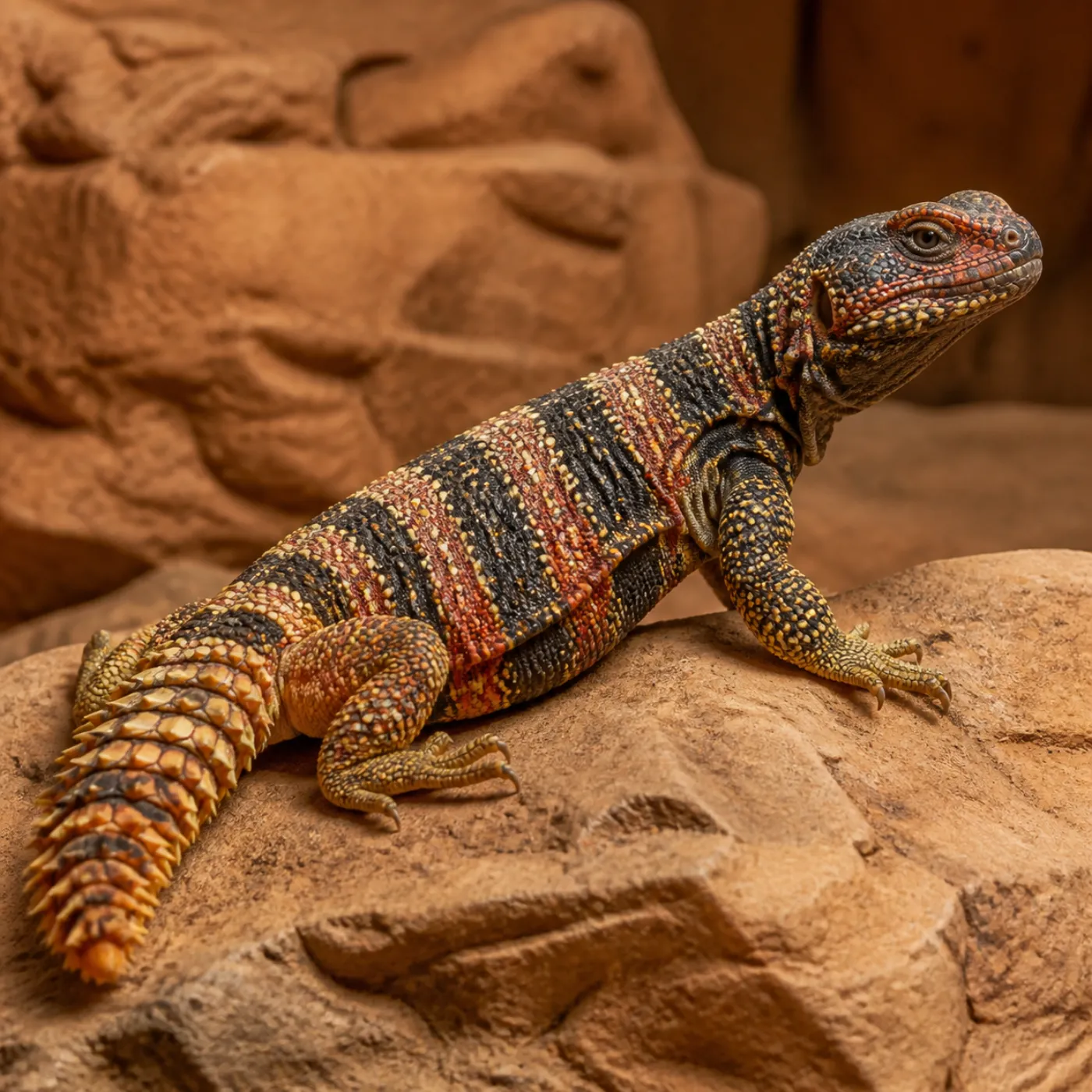 Ornate |
What Morphs Exist for This Species?
Unlike ball pythons or leopard geckos, Uromastyx do not have a vast array of recessive genetic morphs. Instead, their color diversity stems from two primary sources: locality-based variations (wild populations from specific regions) and selective breeding for enhanced color traits. The most popular species in the pet trade include Uromastyx geyri (Saharan Uromastyx), Uromastyx ornata (Ornate Uromastyx), and Uromastyx acanthinurus (Bell's Dabb Lizard), each offering a palette of reds, oranges, yellows, and even blues.
Below, we profile 14 notable morphs and locale forms, detailing their appearance, rarity, and typical price range in USD.
Full Morph Profiles
1. Red Saharan (Uromastyx geyri)
Appearance: Vivid brick-red to deep crimson body with scattered yellow speckles and a lighter ventral side. Males often exhibit more intense red during breeding season.
Rarity: Common in captivity due to long-term breeding programs.
Price: $150–$300
2. Orange Saharan (Uromastyx geyri)
Appearance: Bright tangerine to burnt orange with subtle yellow banding. Juveniles may appear more yellowish, darkening to orange as they mature.
Rarity: Common; widely available.
Price: $150–$250
3. Yellow Saharan (Uromastyx geyri)
Appearance: Lemon-yellow to golden with faint dorsal patterns. Some individuals exhibit a pale yellow, almost cream, base.
Rarity: Common.
Price: $120–$200
4. Red Niger (Uromastyx geyri locale)
Appearance: Deep maroon-red with minimal speckling, originating from the Niger region. The red is often darker and more uniform than other Saharan reds.
Rarity: Uncommon; fewer breeders maintain pure Niger lines.
Price: $250–$400
5. Orange Niger (Uromastyx geyri locale)
Appearance: Rich orange with a hint of red, similar to a sunset. Sometimes called 'Sunset Orange' in the trade.
Rarity: Uncommon.
Price: $200–$350
6. Yellow Niger (Uromastyx geyri locale)
Appearance: Bright yellow with minimal pattern; often called 'Lemon Niger' by breeders.
Rarity: Uncommon.
Price: $180–$300
7. Red Ornate (Uromastyx ornata)
Appearance: Striking red head and limbs with a yellow-green body covered in dark reticulations. The red intensifies on the head, especially in males.
Rarity: Moderately common; popular for their dramatic contrast.
Price: $200–$350
8. Orange Ornate (Uromastyx ornata)
Appearance: Similar to Red Ornate but with orange replacing red, giving a warmer look. The body retains the greenish-yellow base.
Rarity: Moderately common.
Price: $180–$300
9. Yellow Ornate (Uromastyx ornata)
Appearance: Predominantly yellow with faint orange head markings; the body pattern is less contrasting than in red or orange forms.
Rarity: Uncommon; yellow ornates are less frequently produced.
Price: $220–$350
10. Red Bell's Dabb (Uromastyx acanthinurus)
Appearance: Large-bodied with a reddish-brown to brick-red base, often with darker banding. This species is more robust than geyri.
Rarity: Uncommon in the pet trade due to larger size and more specific care needs.
Price: $300–$500
11. Yellow Bell's Dabb (Uromastyx acanthinurus)
Appearance: Yellow-tan base with darker brown bands; less vibrant than geyri yellows but still attractive.
Rarity: Rare; few breeders focus on this species.
Price: $350–$550
12. Orange Mali (Uromastyx maliensis)
Appearance: Bright orange with a fine black speckling pattern. The head is often lighter, and males develop a distinct orange flush during breeding.
Rarity: Moderately common; Mali Uromastyx are popular pets.
Price: $200–$350
13. Yellow Mali (Uromastyx maliensis)
Appearance: Soft yellow with subtle speckles; some individuals show a creamier tone.
Rarity: Common.
Price: $150–$250
14. Red Yemen (Uromastyx yemenensis)
Appearance: A rare species with a reddish-orange body and a distinct spiny tail. The red is often mixed with brown, giving a rusted appearance.
Rarity: Very rare; limited availability due to import restrictions and challenging captive breeding.
Price: $500–$800
Comparison Table
| Morph | Appearance | Rarity | Price Range (USD) |
|---|---|---|---|
| Red Saharan | Brick-red with yellow speckles | Common | $150–$300 |
| Orange Saharan | Tangerine to burnt orange | Common | $150–$250 |
| Yellow Saharan | Lemon-yellow to golden | Common | $120–$200 |
| Red Niger | Deep maroon-red, minimal speckling | Uncommon | $250–$400 |
| Orange Niger | Sunset orange | Uncommon | $200–$350 |
| Yellow Niger | Bright lemon yellow | Uncommon | $180–$300 |
| Red Ornate | Red head/limbs, yellow-green body | Moderately common | $200–$350 |
| Orange Ornate | Orange head/limbs, yellow-green body | Moderately common | $180–$300 |
| Yellow Ornate | Mostly yellow, faint orange head | Uncommon | $220–$350 |
| Red Bell's Dabb | Reddish-brown, robust body | Uncommon | $300–$500 |
| Yellow Bell's Dabb | Yellow-tan with brown bands | Rare | $350–$550 |
| Orange Mali | Bright orange with black speckles | Moderately common | $200–$350 |
| Yellow Mali | Soft yellow with subtle speckles | Common | $150–$250 |
| Red Yemen | Reddish-orange with brown, spiny tail | Very rare | $500–$800 |
Genetics & Heredity Basics
Unlike simple recessive morphs in other reptiles, Uromastyx color variations are primarily polygenic and influenced by locale. This means multiple genes contribute to the final color, and offspring often show a range of shades. Breeding a red Saharan to a yellow Saharan, for example, may produce a mix of reds, oranges, and yellows in the clutch. Some breeders attempt to refine colors by line-breeding, selecting individuals with the most intense hues to produce progressively more vivid offspring.
It's important to note that true 'morphs' with predictable inheritance are rare in Uromastyx. The term 'locale' is more accurate for wild-caught lines, while 'color variety' is used for selectively bred traits. There is no known albino or leucistic Uromastyx in the pet trade, and claims of such are usually misidentified or digitally altered.
How to Choose a Morph
When selecting a Uromastyx, consider the following:
- Species vs. Morph: Different species have different care requirements. For instance, Bell's Dabb Uromastyx grow larger and need more space than Saharan Uromastyx. Choose a species that fits your setup.
- Color Preference: Decide if you prefer reds, oranges, or yellows. Keep in mind that colors can change with age, stress, and breeding season.
- Rarity and Budget: Rarer locales like Red Yemen command higher prices. Set a budget and be prepared for potential waitlists from reputable breeders.
- Health: Always inspect the lizard for signs of illness (clear eyes, healthy skin, no discharge). A vivid color does not guarantee good health.
Care Notes Relevant to Morphs
Color varieties do not require different care; all Uromastyx share similar needs. However, some species are more sensitive than others. For example, Yemen Uromastyx are known to be more delicate and require precise temperature gradients. Regardless of morph, ensure:
- High Temperatures: Basking spot of 120–130°F (49–54°C) and a cool side around 85°F (29°C).
- UVB Lighting: Strong UVB (10-12% desert) for 12 hours daily to synthesize vitamin D3.
- Diet: Herbivorous; provide a mix of dark leafy greens, lentils, and occasional seeds. Avoid insects entirely.
- Substrate: Use sand or a sand-soil mix to allow burrowing. Avoid calcium sand.
Some breeders note that lighter-colored morphs (e.g., yellow) may show stress more easily through darkening, but this is not a universal rule. Always monitor your lizard's behavior and adjust husbandry accordingly.
Common Mistakes
- Assuming Morph Affects Care: Some owners buy a rare morph and think it needs extra pampering. In reality, all Uromastyx require the same high heat and UVB.
- Overfeeding Protein: Feeding insects or dog food can cause kidney failure. Stick to a plant-based diet.
- Inadequate UVB: Without proper UVB, Uromastyx develop metabolic bone disease, leading to deformities and dull coloration.
- Handling Too Much: Excessive handling can stress your lizard, causing color fading and refusal to eat.
- Ignoring Humidity: While desert species need low humidity, a shallow water dish and occasional misting can help with shedding.
Frequently Asked Questions
1. What is the difference between a morph and a locale?
A locale refers to a wild population from a specific geographic region, such as the Niger locale of Uromastyx geyri. A morph is a selectively bred color or pattern variation. In Uromastyx, most 'morphs' are actually locale-based or line-bred colors, not simple genetic mutations.
2. Are red Uromastyx more aggressive than yellow ones?
No, color does not affect temperament. Aggression is typically related to individual personality, handling history, and species. For example, Bell's Dabb Uromastyx are often more flighty than Saharan Uromastyx, but this is not linked to their red or yellow coloration.
3. How much does a rare Uromastyx morph cost?
Prices vary widely. Common yellow Saharans can cost $120–$200, while very rare forms like the Red Yemen can reach $500–$800. Rarity, demand, and breeder reputation all influence price.
4. Can I breed a red Saharan with a yellow Saharan to get orange babies?
Yes, because color is polygenic, crossing red and yellow often produces a range of orange shades in the offspring. However, results are not predictable, and you may get reds, yellows, and oranges in the same clutch.
5. Do Uromastyx change color as they age?
Yes, juveniles often have duller colors that intensify as they mature. Males may also become more vibrant during breeding season. Stress or illness can cause temporary darkening.
6. Are there any albino or blue Uromastyx morphs?
No verified albino or blue Uromastyx exist in the pet trade. Some species, like Uromastyx ornata, have blue-green body hues, but true blue morphs are not documented. Be wary of sellers claiming rare colors without photographic evidence.
7. What is the best morph for a beginner?
Yellow or orange Saharan Uromastyx (Uromastyx geyri) are ideal for beginners due to their hardiness, manageable size, and reasonable price. They are also widely available from captive breeders.
\n\nRelated Reading
\n- \n
- Uromastyx Species Guide: Ornate, Mali & Egyptian Locales — Learn how different Uromastyx species and locales influence natural color variations. \n
- Uromastyx Care Guide: The 100% Vegetarian Agamid — Discover essential husbandry tips to keep your colorful Uromastyx healthy and thriving. \n
- Uromastyx Diet: Greens, Vegetables & Seeds — Find out which plant-based foods best support vibrant colors and overall wellness. \n
- Uromastyx Enclosure: Desert Terrarium Setup — See how a proper desert setup with heat and UVB enhances your Uromastyx's coloration. \n
- Reptile UVB Lighting Guide: Ferguson Zones & Bulb Selection — Understand UVB requirements that help Uromastyx metabolize nutrients and maintain bright morphs. \n
Check optimal temps, calculate feeding, and find your perfect species match.
References
- Wilke, H. (2020). Uromastyx: A Complete Guide to Spiny-Tailed Lizards. Herpeton Press.
- Vosjoli, P. de (2019). The Uromastyx Care Manual. Advanced Vivarium Systems.
- McLeod, L. (2021). Uromastyx as Pets: Facts and Care. The Spruce Pets.
🐾 Join the Community
See how other keepers set up their enclosures, ask questions, and share your experience.
🛠️ Apply What You Learned
Check optimal temps, calculate feeding schedules, and get calcium dosage — all personalized for your species.
Comments