Tarantula Enclosure: Terrestrial vs Arboreal
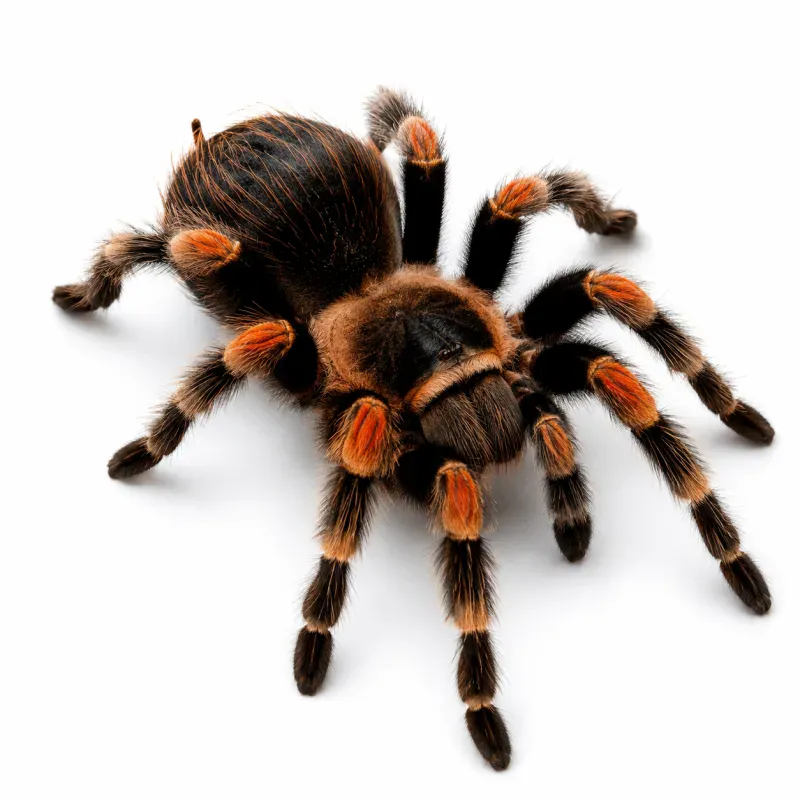
Enclosure Setup: Terrestrial vs Arboreal
Choosing the right enclosure is the foundation of successful tarantula husbandry. The two primary types—terrestrial and arboreal—require vastly different setups to mimic natural habitats. Getting this wrong is one of the most common causes of stress, injury, or even death in captivity. This guide will walk you through every aspect of enclosure design, from tank dimensions to ventilation and decor, so your tarantula thrives.
Terrestrial Enclosures
Terrestrial tarantulas (e.g., Brachypelma hamorii, Grammostola rosea) are ground-dwellers that need horizontal space. Use a low, wide tank (e.g., 10-gallon) with a length at least 2–3 times the spider's leg span. Substrate depth of 4–6 inches allows burrowing. A secure mesh lid is essential, as many species are escape artists. Terrestrial species often create burrows or use existing hides on the ground. The floor area is more important than height. A 10-gallon tank (20″L x 10″W x 12″H) works for most adult terrestrials. For slings, a small deli cup or kritter keeper is sufficient until they reach 2–3 inches.
Arboreal Enclosures
Arboreal species (e.g., Avicularia avicularia, Poecilotheria regalis) are tree-dwellers that require vertical space. Use a tall tank (e.g., Exo Terra 12x12x18) with a height at least 2–3 times the leg span. Substrate depth can be shallower (2–3 inches), but provide vertical cork bark or branches for climbing. Cross-ventilation is critical—drill small holes on opposite sides to prevent stagnant air. Arboreal tarantulas spend most of their time off the ground, often constructing web tubes high in the enclosure. A taller tank (18 inches or more) is ideal. Ensure the top is secure, as these species are agile and can escape quickly when opened.
| Feature | Terrestrial | Arboreal |
|---|---|---|
| Shape | Low and wide | Tall and narrow |
| Substrate depth | 4–6 inches | 2–3 inches |
| Decor | Flat hides, cork flats | Vertical cork bark, branches |
| Ventilation | Top mesh + side vents | Cross-ventilation (multiple sides) |
| Example species | Brachypelma, Grammostola | Avicularia, Poecilotheria |
Substrate Depth and Composition
Substrate depth varies by species behavior. For burrowers (e.g., Ceratogyrus darlingi), provide at least 6–8 inches. For minimal burrowers, 3–4 inches suffices. Use a mix of coconut coir, peat moss, and vermiculite for moisture retention and burrow stability. Avoid sand or gravel, which can cause impaction. Test moisture by squeezing a handful—it should hold shape but not drip water.
Substrate is more than just floor covering; it affects humidity, burrowing, and molting. For fossorial species (obligate burrowers), depth is critical. A deep substrate allows them to dig natural burrows and reduces stress. For terrestrial species that don't burrow much, a shallower layer is fine. Always use a substrate that holds moisture without becoming waterlogged. A mix of 70% coconut coir and 30% peat moss is a good starting point. Vermiculite can be added for extra moisture retention. Avoid substrates with fertilizers, pesticides, or sharp particles. Replace substrate every 4–6 months to prevent mold and bacteria buildup.
Step-by-Step Enclosure Setup
Follow this sequence to set up either type of enclosure correctly the first time. It prevents common mistakes like poor ventilation or unstable decor.
- Choose the correct tank shape based on your species: low and wide for terrestrials, tall for arboreals. Use the leg-span rule (length or height at least 2–3 times the leg span).
- Clean the tank with hot water and mild soap; rinse thoroughly. Never use harsh chemicals that could harm your tarantula.
- Add substrate to the recommended depth (4–6 inches for terrestrials, 2–3 inches for arboreals). Moisten it slightly so it holds shape but doesn't drip.
- Install ventilation: for arboreals, drill 1/8-inch holes on two opposite sides, spaced 1–2 inches apart. For terrestrials, ensure the mesh top is secure and add side vents near substrate level if needed.
- Place hides and decor: for terrestrials, bury a hide partially in the substrate; for arboreals, attach cork bark vertically to the back wall. Anchor all decor securely so it cannot fall.
- Add a water dish (shallow, like a bottle cap) and any additional enrichment (silk plants, branches).
- Check temperatures with a thermometer and adjust using a side heat mat with a thermostat if needed. Aim for 75–85°F.
- Introduce your tarantula gently, using a catch cup if necessary. Let it acclimate for a few days before offering food.
Ventilation and Airflow
Proper ventilation prevents mold and respiratory issues. Terrestrial enclosures benefit from a mesh top and a few side holes. Arboreal enclosures require cross-ventilation: drill 1/8-inch holes on two opposite sides, spaced 1–2 inches apart. Ensure no drafts directly hit the tarantula. For slings, use a deli cup with pinholes to maintain high humidity without stagnation.
Ventilation is especially important for arboreal species that come from humid environments—stagnant air can lead to bacterial and fungal growth. For terrestrial enclosures, a mesh top provides good airflow, but you may also add side vents near the substrate level to prevent stagnant air at ground level. Use a soldering iron or drill to make smooth holes. Avoid large gaps that could allow the spider to squeeze through. For slings, pinhole-sized ventilation is enough; too many large holes can dry out the enclosure quickly. Monitor humidity levels after adjusting ventilation.
Hide Design and Placement
Every tarantula needs a secure hide to reduce stress. For terrestrials, use a half-log, cork bark flat, or overturned plant pot with an entrance cut. Bury the hide partially in substrate so it feels like a burrow. For arboreals, attach cork bark vertically to the back wall, creating a tube-like retreat. Ensure the hide is dark, snug, and has only one entrance—tarantulas feel safest when they can block the opening with webbing.
A hide is not optional; it's essential for the spider's psychological well-being. Without one, a tarantula may become chronically stressed, refuse food, and be more prone to defensive behavior. For terrestrial species, place the hide on the substrate and partially bury it to mimic a natural burrow. For arboreal species, cork bark tubes or hollow branches placed vertically give them a secure retreat. You can also use silk plants to create a canopy. The hide should be just large enough for the spider to turn around inside. If it's too big, the spider may not feel secure.
Decor and Enrichment
Decor should be functional and safe. Use only natural materials: cork bark, driftwood, silk plants (avoid sharp plastic), and smooth rocks. Avoid items with sharp edges or toxic resins. Provide a shallow water dish (e.g., bottle cap) for all species. For arboreals, add a vertical branch or fake vine for climbing. Minimalist decor is fine—too much clutter can stress the spider or hide prey.
Enrichment is not just for mammals; tarantulas benefit from a varied environment that encourages natural behaviors like climbing, webbing, and burrowing. For terrestrial species, a flat piece of cork bark or a smooth stone gives them something to explore. For arboreals, several branches or vines at different heights provide a three-dimensional environment. Always ensure decor is securely anchored so it doesn't fall and injure the spider. Avoid sharp edges or rough surfaces that could damage the exoskeleton. Silk plants are safe and easy to clean, but avoid plastic plants with sharp tips.
Heating and Lighting
Tarantulas do not require UVB or bright lights. Maintain temperatures of 75–85°F (24–29°C) using a low-wattage heat mat on the side of the enclosure (never under, as they burrow to cool). Use a thermostat to prevent overheating. For lighting, a low-LED strip on a 12-hour cycle mimics day/night. Avoid direct sunlight, which can cause fatal overheating.
Temperature stability is more important than reaching a specific number. Room temperatures in most homes are acceptable, but if you need supplemental heat, use a heat mat attached to the side of the tank, never the bottom. Heat mats under the tank can cause burns and prevent the spider from burrowing to cool down. Always use a thermostat to regulate the heat mat—unregulated heat can easily reach lethal temperatures. For lighting, a simple LED strip on a timer is enough. Tarantulas are nocturnal, so bright lights are not needed. Avoid heat lamps, as they dry out the enclosure and can cause dehydration.
Humidity and Water
Humidity needs vary: desert species (e.g., Grammostola rosea) need 50–60%, while tropical species (e.g., Avicularia) need 70–80%. Measure with a hygrometer. Maintain by misting the substrate (not the spider) every 2–3 days. Always provide a shallow water dish—clean and refill weekly. Over-humidity causes fungal infections; under-humidity leads to dehydration and molting issues.
Humidity is critical for molting. If the air is too dry, the old exoskeleton may stick, leading to a stuck molt which can be fatal. Use a digital hygrometer to monitor levels accurately. For desert species, mist lightly once a week; for tropical species, mist every 2–3 days. Always mist the substrate, not the spider directly, as water droplets on the abdomen can cause stress. A water dish is essential for all species, even desert ones. Use a shallow dish that the spider can easily climb out of—a bottle cap or a small petri dish works well. Clean and refill the dish weekly to prevent bacteria.
Seasonal Care Adjustments
Tarantula care isn't static—you'll need to tweak your routine as seasons change. These adjustments help maintain stable conditions year-round.
| Season | Temperature | Humidity | Feeding |
|---|---|---|---|
| Winter | Room temps may drop; use a side heat mat with thermostat to maintain 75–85°F. | Heating can dry air; mist slightly more often for tropical species. | Metabolism may slow; reduce feeding frequency slightly if the spider is less active. |
| Summer | Avoid overheating; keep enclosure out of direct sunlight and ensure good ventilation. | Higher ambient humidity may reduce misting needs; monitor with hygrometer. | Active season; feed according to normal schedule. |
| Spring/Autumn | Fluctuations common; check temperatures regularly. | Adjust misting based on hygrometer readings. | Normal feeding schedule. |
During winter, if your home gets cold at night, a heat mat with a thermostat is critical. In summer, never place the enclosure in a sunny window—it can overheat quickly. Always adjust gradually; sudden changes stress tarantulas.
Diet and Feeding
Feed appropriately sized prey: crickets, dubia roaches, or mealworms. Prey should be no larger than the tarantula's carapace. Slings eat pinhead crickets or flightless fruit flies every 2–3 days; juveniles eat 2–3 crickets weekly; adults eat 1–2 large crickets every 1–2 weeks. Remove uneaten prey after 24 hours to prevent stress or injury. Gut-load prey with calcium-rich vegetables 24 hours before feeding.
Feeding schedules vary by age and species. Slings (spiderlings) need small prey frequently—every 2–3 days—to support rapid growth. Juveniles can be fed every 5–7 days, and adults every 10–14 days. Always feed prey that is appropriately sized; overly large prey can injure the spider. Crickets and dubia roaches are excellent staples. Mealworms are okay as an occasional treat but are high in fat. Remove uneaten prey after 24 hours to prevent them from molesting the tarantula or causing stress. Gut-loading prey with nutritious vegetables (e.g., carrots, leafy greens) enhances the nutritional value for your spider.
Handling and Safety
Handling is generally discouraged for most tarantulas. They are fragile—a fall of just a few inches can rupture the abdomen. If necessary, use a catch cup method: gently coax the spider into a container with a soft brush. Never handle defensively aggressive species (e.g., Poecilotheria). Always wash hands before and after to avoid transferring oils or mites. For beginners, observe rather than handle.
Even the most docile tarantula can become unpredictable. They are delicate creatures with a fragile abdomen that can burst from a fall of just a few inches. Handling also causes stress, which can lead to refusal to eat, defensive behavior, or even death. If you must move your tarantula (e.g., for cleaning), use the catch cup method: place a cup over the spider, slide a piece of cardboard underneath, and gently lift. Never grab or pinch the spider. Always wash your hands before and after to avoid transferring oils, lotions, or mites. For beginners, it's best to enjoy your tarantula from a distance—observe its fascinating behaviors without handling.
Common Health Issues
Dyskinetic syndrome (wobbly gait) often indicates dehydration or temperature shock. Fix by adjusting humidity and temperature. Mites appear as tiny dots on the substrate—reduce humidity and change substrate. Molting problems (e.g., stuck molt) require increased humidity—never pull the molt. Dehydration causes wrinkled abdomen—offer water and mist. Always quarantine new tarantulas for 30 days to prevent disease spread.
Tarantulas are relatively hardy, but they can suffer from a few common issues. Dyskinetic syndrome is a neurological disorder often caused by dehydration or temperature stress. If you notice a wobbly gait or twitching, check your husbandry immediately. Mites are a sign of excessive humidity or dirty substrate—remove the spider, change the substrate, and reduce moisture. Stuck molts are a serious emergency; increase humidity and do not pull the molt, as this can tear the abdomen. Dehydration is indicated by a wrinkled, shriveled abdomen—provide a water dish and mist more frequently. Always quarantine new tarantulas for at least 30 days to prevent introducing diseases or parasites to your existing collection.
Troubleshooting Common Enclosure Issues
Even experienced keepers run into problems. Here's how to diagnose and fix the most frequent issues quickly.
| Symptom | Likely Cause | Solution |
|---|---|---|
| Mold growing on substrate | Excessive humidity or poor ventilation | Increase ventilation, reduce misting, and spot-clean mold. Change substrate if widespread. |
| Tarantula stays hidden all the time | Stress, improper temperature, or too much light | Check temperatures (75–85°F), ensure hide is snug, and reduce light exposure. |
| Refusing food for weeks | Premolt, stress, or temperature too low | Wait if premolt (check for dull abdomen), adjust temperature, and reduce handling. |
| Water dish empty quickly | Low humidity causing evaporation | Mist more frequently and consider a larger dish. |
| Webbing only at the top | Arboreal species doing natural behavior | No action needed—it's normal for arboreals. |
Always observe your tarantula's behavior first. Many issues are temporary and resolve with simple adjustments. If a problem persists, consult a veterinarian experienced with invertebrates.
Steer Clear of These
- Overfeeding: leads to obesity and shortened lifespan. Stick to schedule.
- Poor ventilation: causes mold and respiratory infections. Drill adequate holes.
- Incorrect substrate: sand or gravel causes injury. Use coconut coir.
- Handling too much: stress can kill. Observe from a distance.
- Ignoring humidity: both too high and too low are dangerous. Use a hygrometer.
- Using heat lamps: desiccate the enclosure. Use side heat mats with thermostat.
- Placing enclosure in direct sunlight: can cause fatal overheating. Keep in a shaded, stable spot.
- Skipping quarantine for new tarantulas: risks introducing disease to your collection. Always quarantine for 30 days.
Frequently Asked Questions
Can I keep a terrestrial tarantula in a tall enclosure?
It's not recommended. Terrestrial tarantulas are ground-dwellers and prefer horizontal space. A tall enclosure increases the risk of falls, which can be fatal. Stick to a low, wide tank.
How often should I clean the enclosure?
Spot-clean weekly (remove uneaten prey, feces, and moldy substrate). A full substrate change is needed every 4–6 months, or sooner if mites or mold appear. Always use fresh substrate.
What is the best substrate for a tarantula?
A mix of coconut coir, peat moss, and vermiculite is ideal. It holds moisture well, allows burrowing, and is free of sharp particles. Avoid sand, gravel, and wood shavings.
Do tarantulas need a heat lamp?
No. Heat lamps dry out the enclosure and can cause overheating. Use a low-wattage heat mat on the side of the tank, regulated by a thermostat, to maintain 75–85°F.
How do I know if my tarantula is about to molt?
Common signs include a dull, darkened abdomen, reduced appetite, and increased webbing (for arboreals). Do not handle or feed during this time. Increase humidity slightly to aid the molt.
Can I house two tarantulas together?
No, tarantulas are solitary and cannibalistic. Never house them together, as one will likely kill and eat the other. Keep each in its own enclosure.
What should I do if my tarantula escapes?
Stay calm and close the room. Search dark, warm places like under furniture. Use a catch cup to gently capture it. Check the enclosure for gaps and secure it after recapture.
Related Reading
- Tarantula Care Guide: Beginner-Friendly Species & Setup
- Tarantula Molting Guide: Premolt Signs, Molting Proc...
- Tarantula Species and Color Guide: Beginner-Friendly...
- Tarantula Beginner Species Comparison Guide: Best Fi...
- Tarantula Feeding Guide: Complete Diet Schedule, Fee...
Check optimal temps, calculate feeding, and find your perfect species match.
References
- Tarantula Care Guide: Beginner-Friendly Species & Setup
- Tarantula Molting Guide: Premolt Signs, Molting Proc...
- Tarantula Species and Color Guide: Beginner-Friendly...
- Tarantula Beginner Species Comparison Guide: Best Fi...
- Tarantula Feeding Guide: Complete Diet Schedule, Fee...
🐾 Join the Community
See how other keepers set up their enclosures, ask questions, and share your experience.
🛠️ Apply What You Learned
Check optimal temps, calculate feeding schedules, and get calcium dosage — all personalized for your species.
Comments