Tarantula Species for Beginners: Color Guide
Introduction
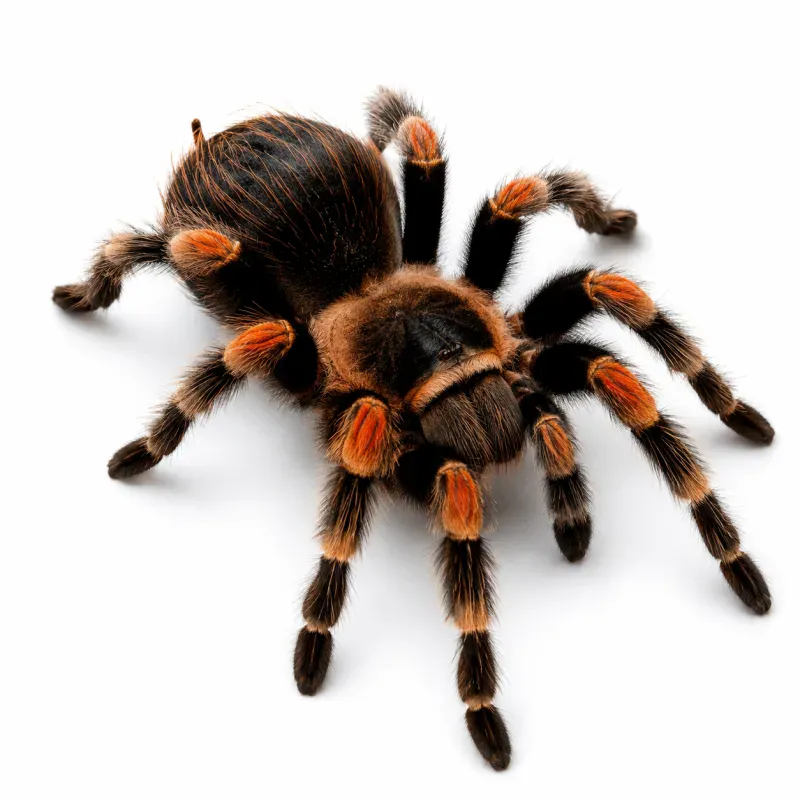
Tarantulas are increasingly popular exotic pets, prized for their striking colors, fascinating behaviors, and relatively low-maintenance care. For beginners, choosing the right species is critical to a positive experience. This guide compares four beginner-friendly tarantulas: the Brazilian Black (Grammostola pulchra), Mexican Red Knee (Brachypelma hamorii), Green Bottle Blue (Chromatopelma cyaneopubescens), and Antilles Pink Toe (Caribena versicolor). Each species has unique care requirements, temperaments, and color patterns. Understanding these differences will help you select the perfect tarantula for your lifestyle.
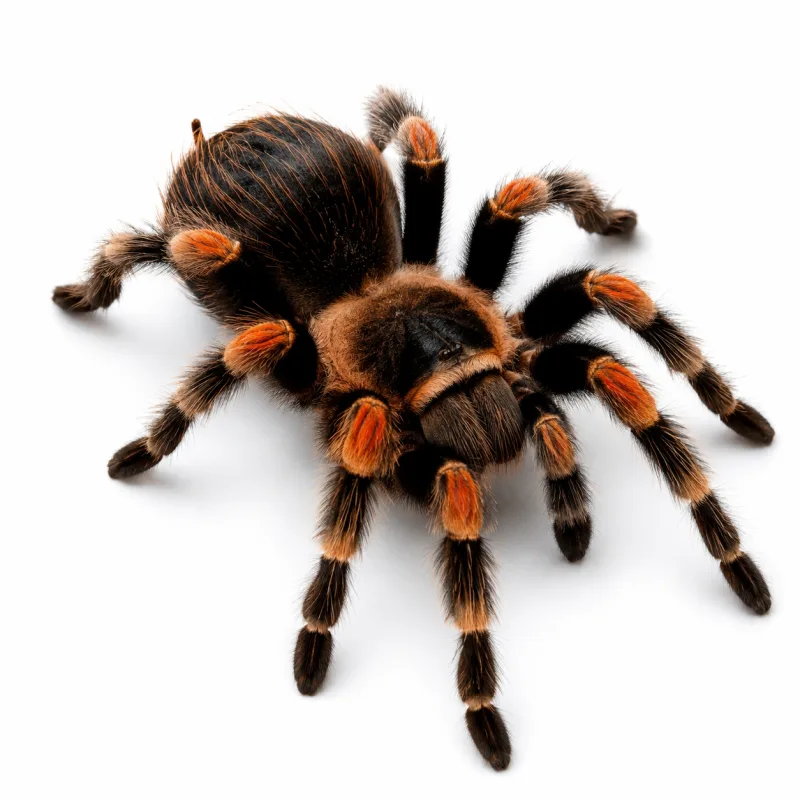
Whether you are drawn to the velvety black Brazilian Black or the vibrant blue-green Antilles Pink Toe, this guide provides the essential knowledge to get started. We will cover enclosure setup, heating, humidity, diet, handling, and common health issues, along with troubleshooting tips and a detailed FAQ to answer your most pressing questions.
Species Overview and Color Comparison
These four species represent a spectrum of colors, sizes, and temperaments. Below is a quick reference table for key differences.
| Species | Common Name | Adult Size (Leg Span) | Color | Temperament | Activity | Care Difficulty |
|---|---|---|---|---|---|---|
| Grammostola pulchra | Brazilian Black | 6–8 in (15–20 cm) | Solid black with velvety sheen | Docile, rarely kicks hairs | Nocturnal, calm | Beginner |
| Brachypelma hamorii | Mexican Red Knee | 5–6 in (12–15 cm) | Black body with orange-red knees | Docile but may kick hairs | Nocturnal, moderate | Beginner |
| Chromatopelma cyaneopubescens | Green Bottle Blue | 4–5 in (10–12 cm) | Blue body, green carapace, orange abdomen | Skittish, fast, may bite | Diurnal, active | Intermediate |
| Caribena versicolor | Antilles Pink Toe | 5–6 in (12–15 cm) | Blue-green body, pinkish toes (juveniles have blue) | Docile, arboreal, fast | Nocturnal, arboreal | Beginner–Intermediate |
The Brazilian Black is the most docile, while the Green Bottle Blue is more active but skittish. The Antilles Pink Toe requires vertical space as an arboreal species.
Color and Appearance Details
Each species undergoes color changes as they mature. Brazilian Black slings are a lighter gray-brown and darken to deep black with each molt. Mexican Red Knee juveniles have the same pattern but with less contrast; the orange-red knees become more vibrant with age. Green Bottle Blue slings are often metallic blue with a greenish carapace, and the abdomen turns orange as they mature. Antilles Pink Toe slings are bright blue with black markings, and as adults they shift to a blue-green body with pinkish toes.
Enclosure Setup
Proper housing is foundational for tarantula health. All species need a secure lid, adequate ventilation, and a substrate that retains humidity without becoming waterlogged.
Terrestrial vs. Arboreal Setup
Terrestrial species (Brazilian Black, Mexican Red Knee, Green Bottle Blue) need a horizontal enclosure with at least 3–4 inches of substrate for burrowing. A 10-gallon tank or equivalent (12x12x12 inches) works well. Arboreal species (Antilles Pink Toe) require vertical space—a tall enclosure (12x12x18 inches) with cork bark or branches for climbing.
For terrestrial species, the floor space is more important than height. A 10-gallon tank (20 inches long by 10 inches wide) is ideal. For arboreal species, height is crucial; a 12x12x18 inch enclosure is the minimum, but taller is better. Always ensure the lid is secure—tarantulas are escape artists.
Substrate
Use a mix of organic topsoil, coconut coir, and vermiculite. For terrestrial species, provide 4–6 inches depth. For arboreal species, 2–3 inches is sufficient. Avoid cedar or pine, which release toxic oils.
Substrate should be kept slightly moist but not wet. A good test is to squeeze a handful—it should hold together but not drip water. For burrowing species, deeper substrate allows natural tunneling. For arboreal species, a thinner layer is fine, but it should still retain some humidity.
Decor and Hides
All tarantulas need a hide (e.g., cork bark half-log, overturned plant pot). Green Bottle Blues and Mexican Red Knees benefit from a water dish and a shallow hide. Antilles Pink Toes need vertical hides like hollow cork tubes. Live or artificial plants add humidity and enrichment.
For terrestrial species, a half-log or a small clay pot works well. For arboreal species, attach cork bark tubes vertically to the enclosure walls. Adding fake vines and leaves provides climbing surfaces and hiding spots. Ensure any decor is stable and cannot fall and injure the tarantula.
Heating and Lighting
Tarantulas are ectothermic and require a temperature gradient. Use a heat mat on the side of the enclosure (never under, as burrowing species may overheat). A thermostat is essential to prevent temperature spikes.
- Ideal temperature range: 75–85°F (24–29°C) for all four species. Nighttime drops to 65°F (18°C) are tolerated.
- Lighting: No special lighting needed. Ambient room light or a low-wattage LED on a 12-hour cycle is fine. Avoid direct sunlight.
- Species note: Green Bottle Blues are more heat-tolerant but still need a gradient. Antilles Pink Toes prefer slightly warmer, 78–82°F (25–28°C).
Setting Up a Heat Mat
Place the heat mat on one side of the enclosure, covering no more than one-third of the side. This creates a temperature gradient from warm to cool. Use a thermostat with a probe placed near the substrate on the warm side. Set the thermostat to 80°F (27°C) and monitor. Never place the mat under the enclosure, as burrowing species can overheat if they dig down to the glass.
Lighting Tips
Tarantulas do not require UVB lighting. A simple LED strip on a timer for 12 hours a day helps maintain a day/night cycle. Avoid bright, intense lights that stress the tarantula. If you use a heat lamp, it will dry out the enclosure; heat mats are preferred.
Humidity and Water
Humidity requirements vary by species. Use a hygrometer to monitor levels.
- Brazilian Black: 60–70% humidity. Mist substrate lightly once a week; provide a shallow water dish.
- Mexican Red Knee: 60–70% humidity. Similar to Brazilian Black but allow substrate to dry slightly between misting.
- Green Bottle Blue: 50–60% humidity (drier). Over-misting can cause respiratory issues. A water dish is sufficient.
- Antilles Pink Toe: 70–80% humidity (higher). Mist daily, but ensure ventilation to prevent mold. Provide a water dish and mist the sides for drinking.
All species need a clean water dish. Change water every 2–3 days to prevent bacterial growth.
Maintaining Humidity
Use a hygrometer to monitor humidity. For terrestrial species, mist one side of the enclosure, leaving the other side drier. For arboreal species, mist the entire enclosure daily but ensure cross-ventilation. If humidity is too low, add a larger water dish or mist more frequently. If too high, increase ventilation by adding more holes or a small fan.
Diet and Feeding
Feed appropriately sized prey—generally no larger than the tarantula's carapace. Offer 2–3 feeder insects per week for adults; juveniles eat every 2–3 days.
- Staples: Crickets, roaches (Dubia, discoid), mealworms (in moderation).
- Treats: Hornworms, waxworms (high fat, feed sparingly).
- Gut-loading: Feed prey nutritious vegetables 24 hours before offering.
- Calcium/vitamin supplements: Dust prey once a week with calcium powder (without D3 for adults).
Species notes: Green Bottle Blues are enthusiastic eaters; avoid overfeeding. Antilles Pink Toes may drop prey if disturbed—feed in a calm environment.
Feeding Schedule by Age
| Age | Frequency | Prey Size |
|---|---|---|
| Slings (under 1 inch) | Every 2–3 days | Flightless fruit flies, pinhead crickets |
| Juveniles (1–3 inches) | Every 3–4 days | Small crickets, roaches |
| Sub-adults (3–5 inches) | Twice a week | Medium crickets, roaches |
| Adults (5+ inches) | Once every 7–10 days | Large crickets, roaches |
Always remove uneaten prey after 24 hours to prevent stress and mite infestations. During pre-molt, tarantulas may refuse food; this is normal. Do not offer prey during molting or immediately after—wait at least 5–7 days.
Handling and Temperament
Tarantulas are not pets that enjoy handling; they tolerate it at best. Each species has a different tolerance level.
- Brazilian Black: Very docile, rarely kicks hairs or bites. Best for handling with gentle, low-stress techniques.
- Mexican Red Knee: Docile but may kick urticating hairs if startled. Use a soft brush to coax onto your hand.
- Green Bottle Blue: Skittish and fast. Avoid handling; if necessary, use a catch cup. They may bite if threatened.
- Antilles Pink Toe: Docile but fast and arboreal. Handle only over a soft surface (e.g., bed) to prevent injury from falls. They rarely bite.
Always wash hands before and after handling. Never handle during molting or after feeding (wait 2–3 days).
Step-by-Step Handling Technique
- Wash your hands thoroughly with unscented soap to remove any residues.
- Open the enclosure lid slowly, avoiding sudden movements.
- Gently coax the tarantula onto your open palm using a soft brush or a piece of cork bark placed in front of it.
- Keep your hand low to the ground or over a soft surface, never standing.
- Limit handling to 5–10 minutes maximum, and return the tarantula to its enclosure.
- Wash your hands again after handling.
Signs of Stress
Watch for these signs: raised front legs (defensive posture), flicking urticating hairs, or a fast retreat. If you see these, return the tarantula to its enclosure immediately. Never handle a tarantula that is in pre-molt, molting, or has just molted—they are vulnerable and stressed.
Common Health Issues
With proper care, tarantulas are hardy. Common issues include:
- Dehydration: Symptoms include shriveled abdomen, lethargy. Provide water and raise humidity.
- Molt problems (dyscdysis): Caused by low humidity or poor nutrition. Ensure proper humidity during pre-molt and never disturb a molting tarantula.
- Mites: Often from dirty substrate or prey. Remove uneaten prey and spot-clean regularly.
- Fungal infections: From excessive moisture. Improve ventilation and reduce misting.
- Injuries from falls: Arboreal species are prone to falls. Provide soft substrate and secure climbing structures.
Quarantine new tarantulas for 30 days. If you suspect illness, consult an exotic veterinarian.
Troubleshooting Common Issues
Dehydration
If the abdomen appears shriveled and the tarantula is lethargic, it may be dehydrated. Provide a shallow water dish and mist the enclosure more frequently. For terrestrial species, place a few drops of water directly in front of the tarantula. Monitor improvement over 24 hours.
Molting Problems
If a molt fails (e.g., legs stuck), do not intervene unless absolutely necessary. Gently increase humidity by misting the enclosure (avoid spraying the tarantula directly). If the tarantula is stuck for more than 12 hours, consult a vet. Never pull on the molt—you can injure the tarantula.
Mite Infestations
Mites appear as tiny moving dots on the substrate or the tarantula. Remove the tarantula to a temporary enclosure, clean the main enclosure thoroughly, and replace the substrate. Reduce feeding frequency and remove uneaten prey immediately. Dry out the enclosure slightly to discourage mites.
What to Avoid
Beginners often make these errors:
- Over-handling: Stresses the tarantula, leading to hair-kicking or bites. Limit handling to necessary moves.
- Improper humidity: Too high for Green Bottle Blues causes respiratory issues; too low for Antilles Pink Toes causes dehydration.
- Overfeeding: Can cause obesity and molt problems. Stick to a schedule.
- Using heat lamps: They dry out the enclosure and can overheat. Use heat mats with thermostats.
- Ignoring ventilation: Stagnant air promotes mold and mites. Ensure cross-ventilation.
- Choosing the wrong species for your experience: Green Bottle Blues are intermediate; start with Brazilian Black or Mexican Red Knee if new.
By avoiding these pitfalls, you'll enjoy a healthy, long-lived tarantula.
Final Thoughts
Each of these four tarantula species offers unique beauty and personality. The Brazilian Black is ideal for beginners seeking a calm pet, while the Mexican Red Knee provides stunning colors with moderate care. The Green Bottle Blue is for those who want an active, colorful display, and the Antilles Pink Toe is perfect for arboreal enthusiasts. Research thoroughly, set up the enclosure before purchase, and enjoy the fascinating world of tarantula keeping.
Related Reading
- Tarantula Care Guide — Beginner-friendly species and setup.
- Tarantula Molting Guide — Premolt signs and post-molt care.
- Tarantula Beginner Guide — Best first tarantulas ranked.
Frequently Asked Questions
What is the best tarantula species for a complete beginner?
The Brazilian Black (Grammostola pulchra) is the best choice for beginners due to its docile temperament, rarely kicking hairs or biting, and its calm nature. It is a terrestrial species that is easy to care for, making it ideal for those new to tarantula keeping.
How often should I feed my tarantula?
Adult tarantulas should be fed 2–3 feeder insects per week, while juveniles eat every 2–3 days. Always ensure prey is no larger than the tarantula's carapace. Green Bottle Blues are enthusiastic eaters, so avoid overfeeding, and Antilles Pink Toes may drop prey if disturbed, so feed them in a calm environment.
Do tarantulas need special lighting?
No, tarantulas do not require special lighting. Ambient room light or a low-wattage LED on a 12-hour cycle is sufficient. Avoid direct sunlight and heat lamps, as they can dry out the enclosure and cause overheating. Use a heat mat with a thermostat for temperature control.
How can I prevent molting problems in my tarantula?
Molting problems (dyscdysis) are usually caused by low humidity or poor nutrition. Ensure the humidity is within the recommended range for your species (e.g., 60–70% for Brazilian Black, 70–80% for Antilles Pink Toe). Never disturb a molting tarantula, and provide a nutritious diet with calcium dusting once a week to support healthy molts.
Check optimal temps, calculate feeding, and find your perfect species match.
References
- Schultz, S. & Schultz, M. (2009). The Tarantula Keeper's Guide. Barron's Educational Series.
- Hillyard, P. (2005). The Private Life of Spiders. Princeton University Press.
- Breed, M. (2018). Tarantulas: A Complete Pet Owner's Manual. TFH Publications.
🐾 Join the Community
See how other keepers set up their enclosures, ask questions, and share your experience.
🛠️ Apply What You Learned
Check optimal temps, calculate feeding schedules, and get calcium dosage — all personalized for your species.
Comments
No account needed — corrections, updates and questions are all welcome. For a full question with photos, the community Q&A is the better place.