Best Pet Tarantulas for Beginners
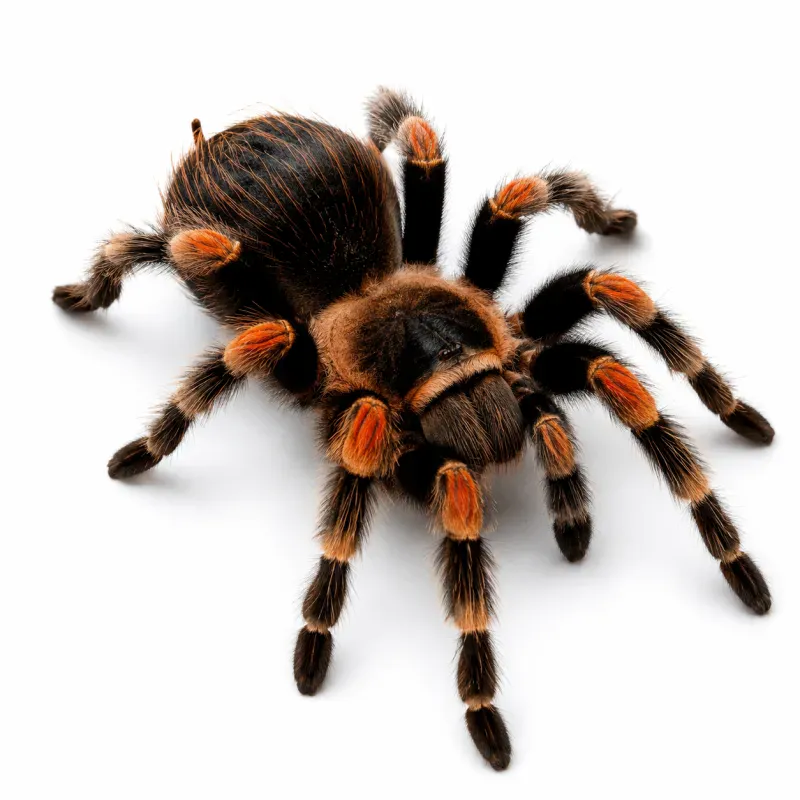
Introduction to Beginner Tarantulas
Tarantulas are fascinating, low-maintenance pets that have gained popularity among exotic pet enthusiasts. For beginners, selecting the right species is crucial for a positive experience. This guide focuses on New World tarantulas from the genera Brachypelma, Grammostola, Aphonopelma, and Caribena, which are known for their docile temperaments, manageable sizes, and relatively low cost. We'll compare them with Old World species to help you make an informed decision.
New World tarantulas (from the Americas) are generally recommended for beginners because they have urticating hairs (which they kick as a defense) rather than potent venom. Old World tarantulas (from Africa, Asia, and Europe) lack these hairs but have stronger venom and are often more defensive. For this reason, we focus on New World species in this guide.
Species Comparison: Top Beginner Tarantulas
| Species | Genus | Origin | Size (Legspan) | Color | Temperament | Price Range |
|---|---|---|---|---|---|---|
| Mexican Redknee | Brachypelma hamorii | Mexico | 5–6 inches (12–15 cm) | Black with orange-red knees | Docile, calm | $50–$100 |
| Chilean Rose | Grammostola rosea | Chile | 4.5–5.5 inches (11–14 cm) | Tan to reddish-brown | Very docile, slow-moving | $20–$40 |
| Curly Hair | Tliltocatl albopilosus (formerly Brachypelma) | Central America | 5–6 inches (12–15 cm) | Black with curly golden-brown hairs | Docile, hardy | $25–$50 |
| Arizona Blonde | Aphonopelma chalcodes | USA (Arizona) | 4–5 inches (10–13 cm) | Tan to blonde | Very docile, slow-growing | $30–$60 |
| Pink Toe | Caribena versicolor (formerly Avicularia) | Martinique | 4–5 inches (10–13 cm) | Juveniles: blue/green; adults: green/red | Docile, arboreal, skittish | $40–$80 |
Note: Tliltocatl albopilosus was reclassified from Brachypelma in 2017, but it is still commonly sold under the old name. All these species are terrestrial except Caribena versicolor, which is arboreal.
New World vs. Old World: Key Differences
New World Tarantulas (recommended for beginners):
- Have urticating hairs that cause skin irritation
- Generally milder venom (comparable to a bee sting)
- More docile and less defensive
- Slower-moving
- Examples: Brachypelma, Grammostola, Aphonopelma, Caribena
Old World Tarantulas (advanced keepers only):
- No urticating hairs
- Stronger venom that can cause severe pain and muscle cramps
- More defensive and faster-moving
- Examples: Poecilotheria, Heteroscodra, Pterinochilus
For beginners, always choose a New World species.
Enclosure Setup
Proper housing is essential for tarantula health. For terrestrial species (like Brachypelma, Grammostola, Aphonopelma), use a horizontal enclosure with more floor space than height. For arboreal species (like Caribena versicolor), use a vertical enclosure with climbing structures.
Enclosure Sizes
- Slings (spiderlings): 4×4×4 inches (10×10×10 cm) deli cup with ventilation
- Juveniles: 5×5×8 inches (12×12×20 cm) for terrestrial, 5×5×10 inches (12×12×25 cm) for arboreal
- Adults: 10×10×8 inches (25×25×20 cm) for terrestrial, 10×10×12 inches (25×25×30 cm) for arboreal
Substrate
Use 4–6 inches (10–15 cm) of coconut fiber, peat moss, or organic topsoil. This allows burrowing and maintains humidity. Avoid wood shavings or sand, which can cause impaction.
Decor
- Provide a hide (cork bark, half-log, or clay pot on its side)
- For arboreal species: add vertical cork bark, branches, and fake plants
- Water dish: shallow, with pebbles to prevent drowning
Heating, Lighting, and Humidity
Temperature
Tarantulas are ectothermic and need a temperature gradient. Aim for 75–85°F (24–29°C) for most beginner species. Use a low-wattage heat mat on the side of the enclosure (never under) regulated by a thermostat. Avoid heat lamps, which can dry out the enclosure and stress the spider.
Lighting
Tarantulas do not require UVB lighting. Provide ambient room light on a 12-hour cycle. Avoid bright lights; they prefer dim conditions.
Humidity
Maintain 60–70% humidity for most species. For Caribena versicolor, keep humidity higher (70–80%). Use a hygrometer to monitor. Mist the enclosure lightly every 2–3 days, but avoid soaking the substrate. Ensure good ventilation to prevent mold.
Diet and Feeding
Tarantulas are carnivorous and eat live prey. Feed them appropriately sized insects:
- Slings: flightless fruit flies, pinhead crickets (1–2 per week)
- Juveniles: small crickets, roaches, mealworms (2–3 per week)
- Adults: large crickets, dubia roaches, superworms (1–2 every 1–2 weeks)
Remove uneaten prey after 24 hours to prevent stress or injury. Always offer pre-killed prey if the tarantula is in premolt (refusing food, dull color). Provide a shallow water dish with fresh water daily.
Handling and Temperament
Handling tarantulas is controversial. While some species tolerate it, tarantulas are delicate and can be injured by falls. For beginners, minimal handling is recommended. If you choose to handle, follow these guidelines:
- Only handle docile New World species like Brachypelma hamorii or Grammostola rosea
- Always sit on the floor to minimize fall distance
- Use a soft brush to gently coax the tarantula onto your hand
- Never handle during premolt or within a week after molting
- Wash hands before and after to avoid transferring chemicals
Remember: tarantulas can kick urticating hairs, causing skin irritation. Some individuals are more skittish than others.
Common Health Issues
- Dehydration: Signs include wrinkled abdomen and lethargy. Increase humidity and provide water.
- Molt problems: If a tarantula gets stuck in its molt, carefully assist with a damp paintbrush. Never pull.
- Injuries from falls: Can cause a ruptured abdomen (fatal). Always handle safely.
- Parasites: Mites can infest enclosures. Keep substrate dry and remove prey remains.
- Impaction: Avoid loose substrates like sand.
Monitor your tarantula for changes in appetite, activity, or appearance. Most issues are preventable with proper husbandry.
Common Mistakes to Avoid
- Overhandling: Stresses the tarantula and increases injury risk.
- Improper enclosure size: Too large can stress slings; too small restricts growth.
- Wrong humidity: Too dry causes dehydration; too wet causes mold and respiratory issues.
- Using heat lamps: Can desiccate the enclosure and burn the tarantula.
- Feeding too large prey: Prey should be no larger than the tarantula's abdomen.
- Forgetting to remove uneaten prey: Crickets can bite and injure a molting tarantula.
- Buying an Old World species as a first tarantula: Leads to stress and potential bites.
Cost Breakdown for Beginners
| Item | Estimated Cost |
|---|---|
| Tarantula (slings or juvenile) | $20–$80 |
| Enclosure (terrestrial or arboreal) | $15–$40 |
| Substrate (coconut fiber, 1 block) | $5–$10 |
| Heat mat with thermostat | $20–$40 |
| Hygrometer/thermometer | $10–$20 |
| Decor (hide, water dish) | $10–$20 |
| Food (crickets/roaches, monthly) | $5–$15 |
| Total initial setup | $85–$225 |
Conclusion
Choosing the right beginner tarantula is the key to a rewarding experience. Stick with New World species like Brachypelma hamorii, Grammostola rosea, Tliltocatl albopilosus, Aphonopelma chalcodes, or Caribena versicolor. These species are docile, hardy, and affordable. Provide a proper enclosure with appropriate temperature, humidity, and diet, and avoid common mistakes like overhandling or using heat lamps. With patience and proper care, your tarantula can live for 10–30 years (females) and become a fascinating companion.
For more detailed care guides for each species, visit ScalyPal.com.
Related Reading
Frequently Asked Questions
Why are New World tarantulas recommended for beginners over Old World species?
New World tarantulas from the Americas are recommended because they have urticating hairs for defense rather than potent venom, and they are generally more docile, less defensive, and slower-moving. Old World tarantulas lack these hairs but have stronger venom that can cause severe pain and muscle cramps, making them suitable only for advanced keepers.
What are the recommended temperature and humidity ranges for most beginner tarantula species?
For most beginner species, aim for a temperature of 75–85°F (24–29°C) using a low-wattage heat mat on the side of the enclosure, never a heat lamp. Maintain 60–70% humidity for most species, but keep humidity higher at 70–80% for Caribena versicolor, using a hygrometer to monitor and misting lightly every 2–3 days.
What are the key differences in enclosure setup for terrestrial versus arboreal tarantulas?
Terrestrial species like Brachypelma, Grammostola, and Aphonopelma need a horizontal enclosure with more floor space than height, while arboreal species like Caribena versicolor need a vertical enclosure with climbing structures. Adult terrestrial enclosures are 10×10×8 inches, and adult arboreal enclosures are 10×10×12 inches, with 4–6 inches of substrate for burrowing.
What are some common mistakes to avoid when keeping a beginner tarantula?
Common mistakes include overhandling, which stresses the tarantula and increases injury risk, using heat lamps that can desiccate the enclosure, feeding prey larger than the tarantula's abdomen, and forgetting to remove uneaten prey that can bite a molting tarantula. Also avoid buying an Old World species as a first tarantula and using improper humidity levels that cause dehydration or mold.
Check optimal temps, calculate feeding, and find your perfect species match.
References
- Schultz, S. A., & Schultz, M. J. (2009). The Tarantula Keeper's Guide. Barron's Educational Series.
- Henderson, A. (2020). Tarantulas: A Complete Guide to Care and Husbandry. TFH Publications.
- Hillyard, P. (2005). The Private Life of Spiders. Princeton University Press.
🐾 Join the Community
See how other keepers set up their enclosures, ask questions, and share your experience.
🛠️ Apply What You Learned
Check optimal temps, calculate feeding schedules, and get calcium dosage — all personalized for your species.
Comments
No account needed — corrections, updates and questions are all welcome. For a full question with photos, the community Q&A is the better place.