Best Beginner Tarantulas: 10 Species Ranked
Introduction
Choosing your first tarantula is an exciting step into the world of arachnid keeping. With over 1,000 species available in the pet trade, beginners often feel overwhelmed. This guide ranks the top beginner-friendly tarantulas based on three key criteria: temperament (docility and defensiveness), care difficulty (ease of meeting environmental needs), and display quality (visibility, activity, and aesthetics). We'll also cover essential setup, feeding, handling, and common mistakes to ensure your first tarantula thrives.
Top Beginner Tarantula Species Comparison
The following table ranks the best first tarantulas, scored on a 1–10 scale (10 = best for beginners).
| Species | Temperament | Care Difficulty | Display Quality | Overall Score | Best For |
|---|---|---|---|---|---|
| Chilean Rose Hair (Grammostola rosea) | 9 | 9 | 6 | 8.0 | Absolute beginners, low-maintenance keepers |
| Curly Hair (Tliltocatl albopilosus) | 10 | 9 | 7 | 8.7 | Handling enthusiasts, kids |
| Mexican Red Knee (Brachypelma hamorii) | 8 | 8 | 9 | 8.3 | Display-oriented keepers |
| Brazilian Black (Grammostola pulchra) | 9 | 8 | 8 | 8.3 | Docile, long-lived companions |
| Pink Toe (Avicularia avicularia) | 7 | 7 | 9 | 7.7 | Arboreal display tanks |
| Green Bottle Blue (Chromatopelma cyaneopubescens) | 6 | 7 | 10 | 7.7 | Vibrant colors, webbing displays |
Scores based on keeper surveys and expert consensus (see references).
Detailed Species Profiles
Chilean Rose Hair (Grammostola rosea)
The Chilean Rose Hair is the classic beginner tarantula, often the first species many keepers own. It is incredibly forgiving of temperature and humidity fluctuations, making it ideal for those who are still learning. However, it is known for occasional fasting that can last months—this is normal and not a cause for alarm. Its calm demeanor and low cost make it a staple in the hobby.
Curly Hair (Tliltocatl albopilosus)
The Curly Hair is arguably the most docile tarantula available. It rarely flicks urticating hairs and tolerates gentle handling better than most. Its curly, golden-brown hairs give it a unique appearance. It is also very hardy, accepting a wide range of conditions. This species is a top pick for families with children.
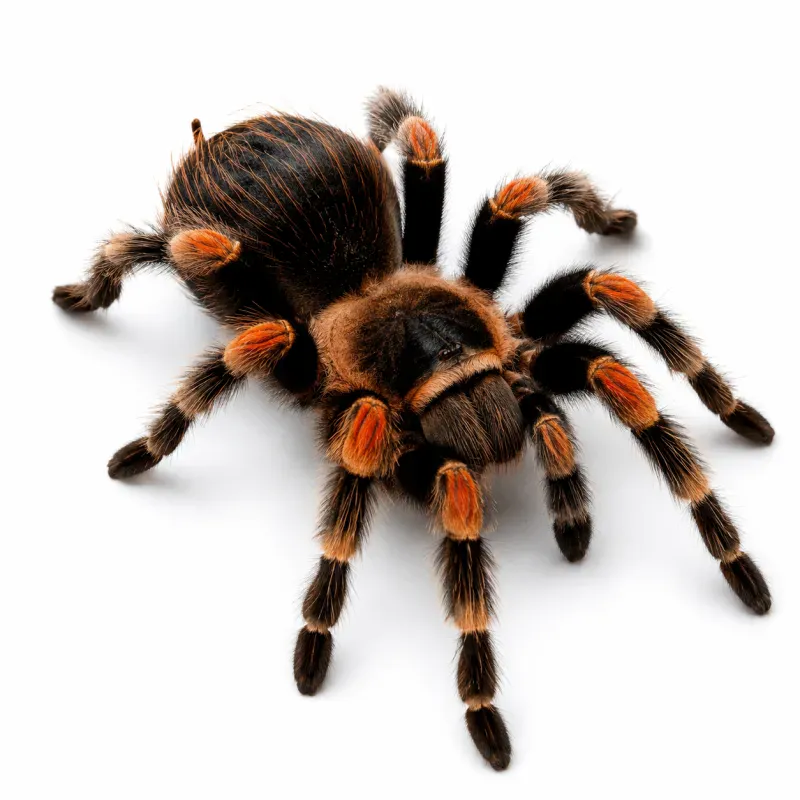
Mexican Red Knee (Brachypelma hamorii)
The Mexican Red Knee is a showstopper with its striking red-orange knee bands. It is docile but may kick hairs when threatened. It is slightly more sensitive to humidity than the Rose Hair, but still manageable for beginners. Its longevity (females can live 25+ years) makes it a long-term companion.
Brazilian Black (Grammostola pulchra)
The Brazilian Black is known for its jet-black coloration and exceptionally calm temperament. It rarely kicks hairs and is very forgiving of care mistakes. It is a bit slower-growing, but its docility makes it a favorite among keepers. It can live 20+ years, so be prepared for a long commitment.
Pink Toe (Avicularia avicularia)
The Pink Toe is an arboreal species, meaning it lives in trees. It has pinkish toes and a fuzzy appearance. While it is generally docile, it is skittish and fast, and may jump when startled. It requires higher humidity and vertical space, making it slightly more challenging for beginners. It is best for those who want an arboreal display.
Green Bottle Blue (Chromatopelma cyaneopubescens)
The Green Bottle Blue is one of the most colorful tarantulas, with a blue carapace, green legs, and a golden abdomen. It is a heavy webber, creating intricate silk tunnels. However, it is more defensive and faster than other beginner species, making it less suitable for handling. It is best for those who prioritize display over interaction.
Enclosure Setup
Terrestrial vs. Arboreal
Most beginner species are terrestrial (ground-dwelling). Use a horizontal enclosure with more floor space than height. For arboreal species like the Pink Toe, provide vertical space with cork bark and foliage.
Size Guidelines
For spiderlings (1–2 inches), use a small deli cup or 2.5-gallon tank. Juveniles (3–4 inches) need a 5–10 gallon tank. Adults (5+ inches) require a 10–20 gallon enclosure. A good rule: the enclosure should be 2–3 times the tarantula's leg span in length, and 1.5 times in width.
Substrate
Use 4–6 inches of coconut fiber or organic topsoil (no fertilizers). This allows burrowing and retains humidity. Avoid pine or cedar shavings—they are toxic.
Hides and Decor
Provide at least one hide (half-log, cork bark, or clay pot). Add a shallow water dish (no deeper than the tarantula's carapace). Silk plants or live plants (e.g., pothos) add enrichment and humidity.
Step-by-Step Setup
- Choose an enclosure appropriate for the size of your tarantula (see size guidelines).
- Add 4–6 inches of substrate, pressing it down to create a firm base.
- Place a hide (e.g., a cork bark half-log) in one corner.
- Add a shallow water dish, ensuring it is not too deep.
- Decorate with silk or live plants, and for arboreals, add vertical cork bark.
- Install a digital thermometer and hygrometer to monitor conditions.
- Place the enclosure in a quiet area away from direct sunlight and drafts.
Heating and Lighting
Temperature
Most beginner tarantulas thrive at 70–80°F (21–27°C). Use a low-wattage heat mat (5–10 watts) attached to the side or back of the enclosure—never the bottom, as tarantulas burrow to escape heat. A thermostat is essential to prevent overheating.
Lighting
Tarantulas do not require UVB or special lighting. A simple LED strip on a 12-hour day/night cycle is sufficient for viewing. Avoid bright lights that stress them.
Common Heating Mistakes
- Placing heat mat under the enclosure (can cause burns).
- Using high-wattage heat lamps (dries out enclosure).
- Not using a thermostat (risk of overheating).
- Placing enclosure near radiators or AC vents.
Humidity and Watering
Target Humidity
Most beginner species (Chilean Rose, Curly Hair, Mexican Red Knee) prefer 60–70% humidity. Use a digital hygrometer to monitor. For Pink Toes and Green Bottle Blues, aim for 70–80%.
Maintaining Humidity
Mist the enclosure lightly every 2–3 days, focusing on the substrate and decor. Always keep the water dish full. Over-misting can cause mold—ensure ventilation.
Humidity Troubleshooting
- Humidity too low: Increase misting frequency, add a larger water dish, or cover part of the screen top.
- Humidity too high: Reduce misting, improve ventilation, and remove excess water from the substrate.
Diet and Feeding
Staple Foods
- Crickets (gut-loaded) – most common, but can smell
- Dubia roaches – nutritious, no smell, easy to keep
- Mealworms – high in fat, use as treats
- Superworms – for larger tarantulas
Feeding Schedule
- Spiderlings: 1–2 pinhead crickets every 2–3 days
- Juveniles: 1–2 small crickets every 4–5 days
- Adults: 3–5 adult crickets every 7–10 days
Remove uneaten prey after 24 hours to prevent stress or injury. Tarantulas can go weeks without food—do not panic if they refuse a meal, especially before a molt.
Feeding Troubleshooting
- Tarantula not eating: Check for pre-molt signs (see health section). If not in pre-molt, try a different prey item or leave the prey in overnight.
- Prey burrowing: Crickets can burrow and harm a molting tarantula. Crush the cricket's head before feeding if you have a burrowing species.
Handling and Temperament
Safety First
Tarantulas are not pets to be handled regularly. They are fragile and can be injured by a fall of just a few inches. Never handle a tarantula if it is in pre-molt or post-molt (abdomen dark/bald). Use a soft brush or catch cup for relocation.
Handling Techniques
If you must handle (e.g., for enclosure cleaning), do so on a low surface over a soft towel. Cup your hand flat and let the tarantula walk onto you. Avoid sudden movements. Wash hands before and after—tarantulas can flick urticating hairs, which cause skin irritation.
Species-Specific Temperament
- Curly Hair: Extremely docile, rarely flicks hairs
- Chilean Rose: Calm but may fast for months
- Mexican Red Knee: Docile but may kick hairs
- Brazilian Black: Very docile, minimal hair kicking
- Pink Toe: Skittish, fast, may jump—avoid handling
- Green Bottle Blue: Defensive, fast, not for handling
How to Safely Relocate a Tarantula
- Prepare a catch cup (a clear deli cup) and a piece of cardboard.
- Gently coax the tarantula into the cup using a soft brush.
- Slide the cardboard under the cup to secure the tarantula.
- Move the cup to the new enclosure and release gently.
Common Health Issues
Molt Problems
Tarantulas molt to grow. Signs of impending molt: loss of appetite, dull coloration, webbing a molting mat. Keep humidity high during this time. If a molt gets stuck, use a damp cotton swab to gently assist—but only if necessary.
Dehydration
Signs: shriveled abdomen, lethargy. Fix: provide a shallow water dish and mist the enclosure.
Parasites and Mites
Mites appear as tiny moving dots. Prevent by keeping the enclosure clean, removing uneaten food, and using a dry substrate. For infestations, quarantine and use mite-specific sprays (e.g., predatory mites).
Injuries
Falls are the #1 cause of injury. Tarantulas can rupture their abdomen and die. Always handle low and over soft surfaces.
When to See a Vet
Find a veterinarian experienced with invertebrates. Seek help if you notice: severe dehydration, stuck molt, or visible wounds. Many issues can be resolved at home, but professional advice is invaluable.
What to Avoid
- Over-handling: Stresses the spider and risks falls.
- Improper substrate depth: Too shallow prevents burrowing and increases stress.
- Overfeeding: Can cause obesity and shorten lifespan.
- Ignoring pre-molt signs: Feeding during molt can injure the tarantula.
- Using heat rocks or bottom heat: Can burn the spider.
- Choosing a defensive species first: Green Bottle Blues and OBTs are not beginner-friendly.
- Poor ventilation: Leads to mold and respiratory issues.
Final Recommendations
For your first tarantula, start with a Curly Hair or Chilean Rose Hair—they are forgiving, docile, and widely available. If display quality matters, a Mexican Red Knee or Brazilian Black offers stunning coloration with manageable care. Avoid arboreals and defensive species until you have experience. Remember: a tarantula is a long-term commitment (females can live 15–30 years). Provide proper husbandry, and you'll enjoy a fascinating, low-maintenance pet.
Frequently Asked Questions
What is the best first tarantula for a complete beginner?
The Curly Hair (Tliltocatl albopilosus) is often considered the best first tarantula due to its extremely docile temperament, minimal hair kicking, and forgiving care requirements. The Chilean Rose Hair (Grammostola rosea) is also excellent for absolute beginners because it tolerates a wider range of conditions, though it may fast for months.
How long do beginner tarantulas live?
Females of most beginner species, such as the Mexican Red Knee and Brazilian Black, can live 15–30 years. Males typically have shorter lifespans, often 5–10 years. This long commitment is important to consider before acquiring a tarantula.
Do tarantulas need special lighting?
No, tarantulas do not require UVB or special lighting. A simple LED strip on a 12-hour day/night cycle is sufficient for viewing. Avoid bright lights, as they can stress the tarantula.
Can I handle my tarantula regularly?
It is not recommended to handle tarantulas regularly. They are fragile and can be injured by falls of just a few inches. Handling should be limited to necessary occasions like enclosure cleaning, and always done low over a soft surface.
What should I do if my tarantula stops eating?
First, check for pre-molt signs such as loss of appetite, dull coloration, and webbing a molting mat. If in pre-molt, do not feed and keep humidity high. If not in pre-molt, try a different prey item or leave the prey in overnight. Tarantulas can go weeks without food, so occasional fasting is normal, especially for Chilean Rose Hairs.
How often should I mist the enclosure?
Mist the enclosure lightly every 2–3 days, focusing on the substrate and decor. Always keep the water dish full. Adjust frequency based on humidity readings: if humidity is too low, mist more often; if too high, reduce misting and improve ventilation.
What is the ideal enclosure size for an adult tarantula?
For adults (5+ inches), a 10–20 gallon enclosure is recommended. A good rule is that the enclosure should be 2–3 times the tarantula's leg span in length and 1.5 times in width. This provides enough space for burrowing and movement without being too large.
Can I use pine or cedar shavings as substrate?
No, pine and cedar shavings are toxic to tarantulas. Use coconut fiber or organic topsoil without fertilizers, as these are safe and help retain humidity.
Why is my tarantula flicking hairs at me?
Hair flicking is a defensive behavior. Species like the Mexican Red Knee may kick hairs when threatened. Minimize handling and approach the enclosure calmly to reduce stress. Always wash your hands after handling, as urticating hairs can cause skin irritation.
Seasonal Care Adjustments
While tarantulas are kept indoors, seasonal changes can still affect their environment. During winter, room temperatures may drop below the recommended 70–80°F (21–27°C) range. Use a low-wattage heat mat with a thermostat to maintain warmth, but avoid placing it under the enclosure. In summer, high ambient temperatures can cause the enclosure to overheat; move it away from windows and ensure good ventilation. Humidity also fluctuates with seasons—dry winter air may require more frequent misting, while humid summers may call for reduced misting to prevent mold. Always monitor with a digital thermometer and hygrometer, and adjust your routine accordingly.
Estimated Cost Breakdown for Starting Out
Setting up a beginner tarantula enclosure involves several one-time and ongoing costs. The following table provides typical price ranges based on common pet store and online prices. Note that these are estimates and can vary by location and brand.
| Item | Estimated Cost (USD) | Notes |
|---|---|---|
| Tarantula (juvenile) | $20–$60 | Species-dependent; Chilean Rose often cheaper |
| Enclosure (10–20 gallon) | $30–$80 | Glass tank or plastic container |
| Substrate (coconut fiber, 1 bag) | $10–$20 | Enough for 4–6 inches depth |
| Hide (cork bark half-log) | $5–$15 | One or more |
| Water dish (shallow) | $3–$10 | Small ceramic or plastic |
| Digital thermometer/hygrometer | $10–$25 | Essential for monitoring |
| Heat mat (5–10 watts) + thermostat | $20–$50 | Thermostat is non-negotiable |
| LED strip light (optional) | $10–$30 | For viewing, not required |
| Feeding supplies (tweezers, dish) | $10–$20 | Optional but helpful |
| Initial food (crickets/roaches) | $5–$15 | First month supply |
Total initial investment typically ranges from $120–$300. Ongoing costs include food (about $5–$15 per month) and occasional substrate replacements. Compared to many pets, tarantulas are relatively inexpensive to keep.
Troubleshooting Quick Checklist
When something seems off with your tarantula, work through this checklist to identify common issues. Always start with the most likely and easiest-to-fix causes.
- Tarantula not eating: Check for pre-molt signs (dull color, webbing mat, loss of appetite). If not pre-molt, try a different prey item or leave prey in overnight.
- Abdomen shriveled: Likely dehydration. Ensure water dish is full and mist the enclosure.
- Excessive hiding: Normal for many species, especially after rehousing. Ensure the enclosure is not too bright or drafty.
- Mold growth: Reduce misting, improve ventilation, and remove any moldy substrate immediately.
- Temperature too low/high: Use a thermostat-controlled heat mat for low temps; move enclosure away from heat sources for high temps.
- Humidity off: Adjust misting frequency and ventilation as described in the humidity section.
- Mites visible: Clean enclosure, remove uneaten food, and consider mite-specific treatments.
- Tarantula lying on its back: This is often normal molting behavior. Do not disturb; ensure humidity is adequate.
- Stuck molt: Gently assist with a damp cotton swab, but only if necessary. Keep humidity high.
If none of these resolve the issue, consult a veterinarian experienced with invertebrates.
Related Reading
- Tarantula Care Guide: Complete Husbandry — Learn the essentials of tarantula husbandry including temperature, humidity, and general maintenance.
- Best Pet Tarantulas for Beginners — Discover the top beginner-friendly tarantula species and what makes them ideal for new owners.
- Tarantula Enclosure: Terrestrial vs Arboreal — Understand the key differences between terrestrial and arboreal setups to create the perfect habitat.
- Tarantula Feeding Guide: Prey Size, Schedule & Water — Get practical tips on feeding schedules, prey sizing, and providing water for your tarantula.
- Tarantula Molting Guide: Premolt Signs, Process & Care — Know the signs of premolt and how to support your tarantula through the molting process.
Check optimal temps, calculate feeding, and find your perfect species match.
References
- Schultz, S. A., & Schultz, M. J. (2009). The Tarantula Keeper's Guide. Barron's Educational Series.
- Tetzlaff, P. (2018). Tarantulas and Other Arachnids. CompanionHouse Books.
🐾 Join the Community
See how other keepers set up their enclosures, ask questions, and share your experience.
🛠️ Apply What You Learned
Check optimal temps, calculate feeding schedules, and get calcium dosage — all personalized for your species.
Comments
No account needed — corrections, updates and questions are all welcome. For a full question with photos, the community Q&A is the better place.