Tarantula Handling: Safe Technique & First Aid
Introduction
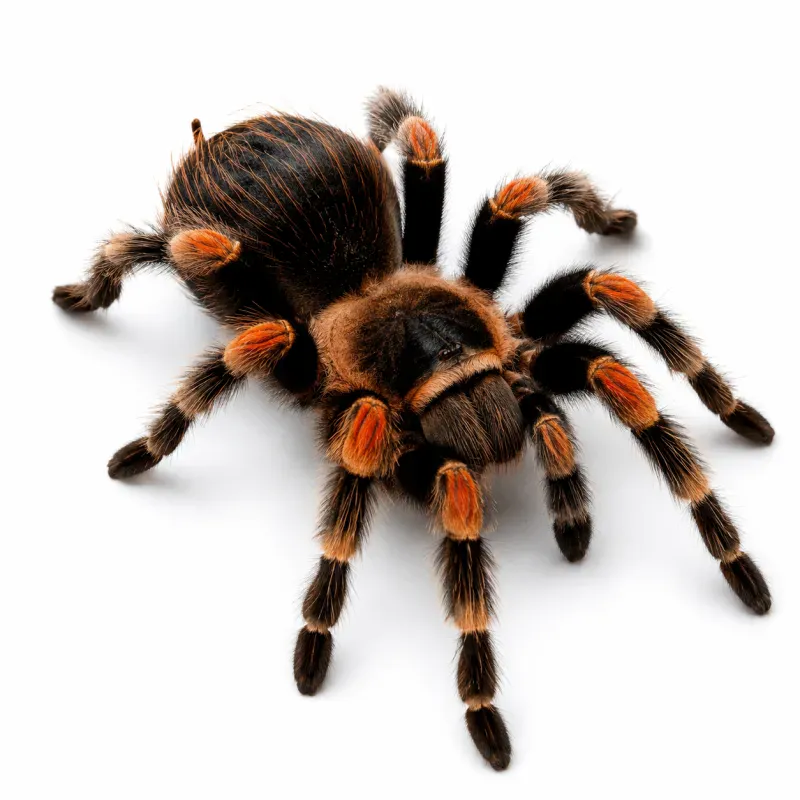
Tarantulas (family Theraphosidae) are fascinating arachnids that have become increasingly popular as exotic pets. However, handling them requires a deep understanding of their behavior, anatomy, and risk factors. This comprehensive guide covers everything you need to know about safely handling pet tarantulas, from New World vs Old World temperament differences to urticating hair prevention, bite risk, rehousing techniques, and first aid. Whether you're a beginner or an experienced keeper, this guide will help you build a safe, respectful relationship with your eight-legged companion.
Understanding Tarantula Temperament: New World vs Old World
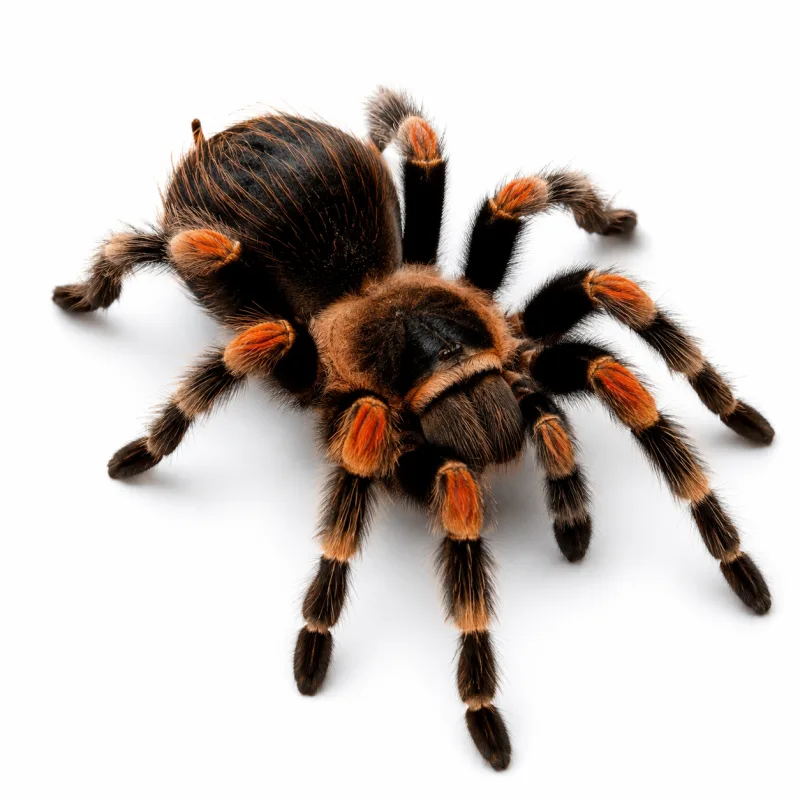
Tarantulas are broadly divided into two groups based on their geographic origin and defensive strategies. Understanding these differences is crucial for safe handling.
| Characteristic | New World Tarantulas (e.g., Brachypelma, Grammostola, Avicularia) | Old World Tarantulas (e.g., Poecilotheria, Pterinochilus, Haplopelma) |
|---|---|---|
| Defense mechanism | Urticating hairs (kickable bristles) + bite (rare) | Bite (venomous) + speed; no urticating hairs |
| Temperament | Generally docile, slower-moving, more tolerant of handling | More nervous, faster, defensive, prone to striking |
| Venom potency | Mild (bee-sting level for most) | Strong (medically significant, neurotoxic) |
| Handling suitability | Better for beginners with caution | Not recommended for handling; observe only |
Key takeaway: New World species are safer for handling, but even they should be handled sparingly. Old World species should never be handled unless absolutely necessary (e.g., emergency rehousing).
Behavioral Cues to Recognize
Before attempting to handle any tarantula, learn to read its body language. A relaxed tarantula stands still with legs spread, or moves slowly. A stressed or defensive tarantula may:
- Raise its front legs and show fangs (strike pose)
- Flick urticating hairs (New World only)
- Move rapidly or erratically
- Stridulate (make a hissing sound by rubbing legs)
- Assume a "threat posture" with abdomen raised
If you observe any of these signals, do not handle. Respect the spider's space.
Urticating Hairs: Prevention and First Aid
New World tarantulas flick urticating hairs from their abdomen when threatened. These microscopic barbed bristles can cause intense itching, rash, and eye irritation.
Prevention Tips
- Never blow on or startle your tarantula.
- Handle over a soft, flat surface (e.g., a table) to avoid falls.
- Wear nitrile gloves and long sleeves if you are sensitive.
- Keep handling sessions short (5–10 minutes).
- Wash hands thoroughly after handling (even if you didn't touch hairs).
- Use a spray bottle to mist the enclosure during cleaning to settle loose hairs.
- Wear safety goggles if you are prone to eye irritation.
What to Do If Exposed
- Skin: Apply tape to lift hairs, then wash with soap and water. Apply hydrocortisone cream for itching. If rash persists, use calamine lotion or an antihistamine.
- Eyes: Flush with copious water immediately. Do not rub. Seek medical attention if irritation persists or if you experience blurred vision.
- Inhaled: Move to fresh air. Seek medical help if breathing difficulty occurs. For mild irritation, use a saline nasal rinse.
Cleaning Up After Handling
Urticating hairs can linger on surfaces. After handling, wipe down your work area with a damp cloth. Wash any clothing that may have contacted the spider separately. Vacuum the area if hairs are visible.
Bite Risk and Venom Considerations
Tarantula bites are rare but possible. New World bites usually cause localized pain, swelling, and redness (similar to a bee sting). Old World bites can cause severe muscle cramps, nausea, and neurological symptoms.
How to Avoid Being Bitten
- Never handle a tarantula that is displaying defensive postures (raised front legs, showing fangs, or flicking hairs).
- Use a catch cup and soft brush for rehousing (see below).
- Keep handling to a minimum—tarantulas do not enjoy it.
- Always supervise children and pets around tarantulas.
- Never handle a tarantula when you are tired, distracted, or under the influence of alcohol or drugs.
- Keep your movements slow and deliberate; sudden movements can trigger a strike.
What to Do If Bitten
- Stay calm. Most bites are not life-threatening.
- Clean the wound with soap and water.
- Apply a cold pack to reduce swelling.
- Take antihistamines (e.g., diphenhydramine) for allergic reactions.
- Seek emergency medical care if you experience difficulty breathing, chest pain, severe swelling, or if you suspect an Old World envenomation.
When to Seek Immediate Medical Attention
- Bite from an Old World species (especially Poecilotheria, Pterinochilus, or Haplopelma)
- Signs of anaphylaxis (hives, wheezing, swelling of lips or throat)
- Severe pain lasting more than 24 hours
- Signs of infection (red streaks, pus, fever)
Safe Handling Techniques for Beginners
Handling should always be voluntary from the tarantula's perspective. Never grab or restrain your tarantula.
Step-by-Step Handling Guide
- Prepare the area: Choose a low, clutter-free surface (like a table) away from drafts and direct sunlight. Place a soft towel or pillowcase underneath as a safety net.
- Open the enclosure gently: Remove the lid slowly. Do not tap or vibrate the enclosure.
- Use a soft brush or your hand: Gently coax the tarantula onto your open palm by lightly touching its back legs. Let it walk onto you—never pick it up.
- Keep your hand flat: Tarantulas can fall easily. Keep your hand low and steady. Avoid raising your hand above chest height.
- Limit duration: 5–10 minutes maximum. Return the tarantula to its enclosure by guiding it onto a flat surface inside.
- Wash up: Always wash your hands with soap and water after handling.
When NOT to Handle
- After a molt (wait at least 1–2 weeks until the exoskeleton hardens).
- If the tarantula is gravid (pregnant) or recently fed (wait 48 hours).
- If the tarantula is showing stress signals (rapid movement, hair flicking, defensive posture).
- If the tarantula is in premolt (abdomen dark and shiny, reduced appetite).
- If you are sick or have open wounds on your hands.
Handling Children and Pets
Children should never handle tarantulas without direct, constant adult supervision. Even docile species can drop or bite if startled. Keep tarantulas away from cats, dogs, and other pets—a curious pet can injure the spider or be bitten.
Rehousing Techniques (Without Handling)
Rehousing is often necessary for cleaning or upgrading enclosures. Avoid direct handling when possible.
Method 1: Catch Cup and Brush
- Place a clear plastic cup over the tarantula.
- Slide a stiff piece of cardboard or plastic under the cup.
- Carefully lift the cup with the tarantula inside and transfer to the new enclosure.
- Remove the cardboard and let the tarantula walk out.
Method 2: Gentle Coaxing
For more docile New World species, you can use a soft paintbrush to gently guide the tarantula into a cup or onto your hand for transfer. Never poke or prod aggressively.
Method 3: The "Bag" Technique
For very defensive or fast tarantulas, place the entire enclosure inside a large plastic bag, open the lid, and let the spider walk out into the bag. Then carefully transfer it to the new enclosure using a catch cup. This minimizes escape risk.
Rehousing Checklist
- Prepare the new enclosure with substrate, hides, and water dish before starting.
- Work in a small, closed room (close doors and windows).
- Have a catch cup and brush ready.
- Wear gloves and long sleeves for protection.
- Work slowly and calmly; if the spider becomes defensive, stop and try later.
- After transfer, gently replace the lid and ensure it is secure.
Common Health Issues Related to Handling
- Falls: Even a short fall can rupture a tarantula's abdomen, leading to death. Always handle over a soft surface.
- Stress: Frequent handling can cause chronic stress, leading to refusal to eat, excessive hiding, or hair loss.
- Urticating hair irritation: Repeated exposure can cause dermatitis or respiratory issues in sensitive individuals.
- Bites and infections: Bite wounds can become infected if not cleaned properly.
Signs of Stress in Tarantulas
- Refusing food for extended periods (over 2–3 weeks)
- Excessive hiding or burrowing
- Hair loss patches on abdomen
- Pacing or rapid movements
- Defensive postures even when undisturbed
If you notice these signs, reduce handling frequency and ensure optimal enclosure conditions (temperature, humidity, hides).
Common Mistakes to Avoid
- Handling Old World species: They are not suitable for handling and can deliver painful, medically significant bites.
- Handling a tarantula in heavy molt: They are extremely vulnerable and may die if disturbed.
- Using bare hands on urticating hair species: Always wash hands immediately after contact.
- Allowing children to handle unsupervised: Children may drop or squeeze the tarantula.
- Handling after feeding: A tarantula in feeding mode may mistake your hand for prey.
- Forcing interaction: If the tarantula is defensive, back off. Handling should always be voluntary.
- Handling too frequently: Even docile species can become stressed with daily handling. Limit to once or twice a week at most.
- Ignoring enclosure security: A loose tarantula is dangerous to itself and others. Always secure lids after handling.
Emergency Response: What to Do If Your Tarantula Falls
If your tarantula falls, do not panic. Gently coax it back onto a flat surface. Check for any signs of injury, such as a ruptured abdomen (dark fluid leaking) or leg damage. If the abdomen is ruptured, it is often fatal, but you can try to seal the wound with cornstarch or flour and consult a veterinarian. For minor leg injuries, the tarantula may molt and regenerate the limb.
Final Thoughts
Tarantula handling is a privilege, not a right. While New World species like the Chilean Rose Hair (Grammostola rosea) or Mexican Red Knee (Brachypelma hamorii) can be handled with care, Old World species are best left as display animals. Always prioritize the tarantula's welfare over your desire to interact. With patience, respect, and the techniques outlined above, you can build a safe and rewarding relationship with your pet tarantula.
Frequently Asked Questions
1. Can I handle my tarantula every day?
No. Even docile tarantulas can become stressed with frequent handling. Limit handling to once or twice a week, and keep each session short (5–10 minutes). Observe your tarantula's behavior—if it shows signs of stress, reduce handling further.
2. What should I do if my tarantula flicks hairs at me?
Immediately stop the handling session and place the tarantula back in its enclosure. Wash your hands and any exposed skin. If hairs get in your eyes, flush with water and seek medical attention if irritation persists. The flicking is a clear sign that the tarantula is stressed, so give it time to calm down.
3. Are tarantula bites dangerous to humans?
Most New World tarantula bites are comparable to a bee sting—localized pain, swelling, and redness. Old World species have stronger venom that can cause muscle cramps, nausea, and neurological symptoms, and require immediate medical attention. Always treat any bite seriously and clean the wound thoroughly.
4. How long should I wait to handle my tarantula after it molts?
Wait at least 1–2 weeks after a molt before handling. The new exoskeleton is soft and vulnerable, and the tarantula is recovering. Check that the fangs have hardened and the spider is eating normally before attempting any handling.
Related Reading
Check optimal temps, calculate feeding, and find your perfect species match.
References
- Schultz, S. A., & Schultz, M. J. (2009). The Tarantula Keeper's Guide. Barron's Educational Series.
- Marshall, S. D. (2001). Tarantulas and Other Arachnids. Barron's Educational Series.
- Hillyard, P. (2004). The Private Life of Spiders. New Holland Publishers.
- Platnick, N. I. (2014). The World Spider Catalog, Version 15. American Museum of Natural History.
🐾 Join the Community
See how other keepers set up their enclosures, ask questions, and share your experience.
🛠️ Apply What You Learned
Check optimal temps, calculate feeding schedules, and get calcium dosage — all personalized for your species.
Comments
No account needed — corrections, updates and questions are all welcome. For a full question with photos, the community Q&A is the better place.