Best Reptiles for Kids: 10 Beginner Species
Introduction
Choosing the right reptile for your family is a big decision. Reptiles can teach kids responsibility, patience, and respect for animals, but not all species are suitable for young handlers. This guide ranks the top 10 beginner-friendly reptiles by handling tolerance, space requirements, and care complexity, along with essential safety tips for families. Whether you're looking for a low-maintenance lizard or a hardy snake, we've got you covered.
Before diving into the list, it's important to understand that reptiles are not cuddly pets—they have specific needs that must be met to thrive. Unlike dogs or cats, reptiles don't show affection in the same way, but they can become accustomed to handling and make fascinating, educational companions. The species below are chosen for their docile temperaments, manageable sizes, and forgiving care requirements, making them ideal for first-time reptile owners.
Top 10 Beginner-Friendly Reptiles for Kids
The following table summarizes the key traits of each recommended species. Use it as a quick reference, but read the detailed sections below for full care requirements.
| Species | Handling Tolerance | Space Requirements | Care Complexity | Lifespan | Best For |
|---|---|---|---|---|---|
| Leopard Gecko | High | Low (20-gallon tank) | Low | 15–20 years | Young kids (6+) |
| Bearded Dragon | High | Medium (40-gallon tank) | Medium | 8–12 years | Older kids (10+) |
| Crested Gecko | Medium | Low (18x18x24 tank) | Low | 15–20 years | Kids (8+) |
| Corn Snake | High | Medium (40-gallon tank) | Low | 15–20 years | Older kids (10+) |
| Blue-Tongued Skink | High | Medium (40-gallon tank) | Medium | 15–20 years | Older kids (12+) |
| Russian Tortoise | Medium | High (4x2 ft enclosure) | Medium | 40+ years | Families with space |
| African Fat-Tailed Gecko | High | Low (20-gallon tank) | Low | 15–20 years | Young kids (6+) |
| Green Anole | Low | Low (20-gallon tank) | Medium | 4–8 years | Observation only |
| Milk Snake | High | Medium (40-gallon tank) | Low | 15–20 years | Older kids (10+) |
| Gargoyle Gecko | Medium | Low (18x18x24 tank) | Low | 15–20 years | Kids (8+) |
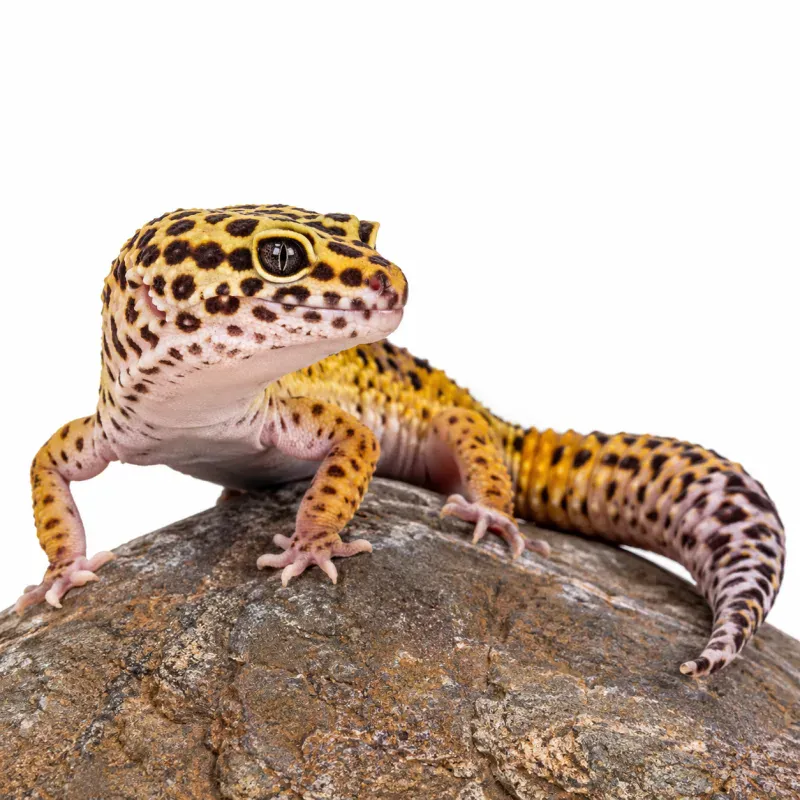
1. Leopard Gecko
The leopard gecko is the undisputed king of beginner reptiles. With a high handling tolerance, low space requirements, and a simple diet of live insects, it's perfect for children aged 6 and up. Their gentle nature and forgiving temperature requirements make them an excellent first pet. They are nocturnal, so they are active in the evening—a good fit for after-school handling.
2. Bearded Dragon
Bearded dragons are charismatic, diurnal lizards that enjoy interaction. They require a larger enclosure (40-gallon for juveniles, 120 gallons as adults) and a varied diet of greens and insects, making them better suited for older kids (10+) who can help with meal prep. Their calm demeanor and willingness to sit on a shoulder make them a favorite.
3. Crested Gecko
Crested geckos are arboreal, requiring a tall enclosure with climbing branches. They thrive on a powdered diet mixed with water, which is incredibly easy for kids to prepare. They have medium handling tolerance—they may jump, so gentle handling is essential. Ideal for kids 8+ who can learn to be patient.
4. Corn Snake
Corn snakes are hardy, docile snakes that rarely bite. They are excellent for older kids (10+) who can handle feeding frozen-thawed rodents. They require a 40-gallon tank and a simple temperature gradient. Their longevity (15–20 years) means they'll be a long-term family member.
5. Blue-Tongued Skink
Blue-tongued skinks are heavy-bodied, slow-moving lizards with a very high handling tolerance. They are omnivorous, eating a mix of vegetables, fruits, and insects. Due to their size and need for a varied diet, they are best for older kids (12+) who can take on more responsibility.
6. Russian Tortoise
Russian tortoises are hardy but require a large outdoor or indoor enclosure (4x2 ft minimum). They have a medium handling tolerance—they can be skittish. With a lifespan of 40+ years, they are a lifetime commitment, making them best for families with dedicated space and long-term planning.
7. African Fat-Tailed Gecko
Similar to leopard geckos, African fat-tailed geckos are docile, low-maintenance, and perfect for young kids (6+). They need a 20-gallon tank with a warm side (88–92°F) and cool side (75–80°F). They are nocturnal and have a calm disposition.
8. Green Anole
Green anoles are small, arboreal lizards best for observation only. They have low handling tolerance—they stress easily and may drop their tails. They require a 20-gallon tank with UVB lighting and humidity. Their short lifespan (4–8 years) makes them a less long-term commitment, but they are not ideal for handling.
9. Milk Snake
Milk snakes are colorful, docile snakes that are great for older kids (10+). They need a 40-gallon tank and feed on frozen-thawed rodents. They are hardy and rarely bite, making them a good first snake alternative to corn snakes.
10. Gargoyle Gecko
Gargoyle geckos are similar to crested geckos but slightly more robust. They have a medium handling tolerance and thrive in tall enclosures (18x18x24). They eat a powdered diet plus insects. They are a good choice for kids 8+ who want a slightly less common pet.
Enclosure Setup
Proper enclosure setup is crucial for your reptile's health and your child's success. For most beginner species, a glass terrarium with a secure mesh lid works well. The size and layout depend on the species' natural habitat—terrestrial, arboreal, or fossorial.
Terrestrial Species
Leopard geckos and African fat-tailed geckos need a 20-gallon long tank with a warm side (88–92°F) and cool side (75–80°F). Use a heat mat under the tank on one side, connected to a thermostat. Provide at least three hides: one on the warm side, one on the cool side, and a humid hide filled with sphagnum moss to aid shedding.
Arboreal Species
Crested geckos and gargoyle geckos thrive in tall enclosures (18x18x24 inches) with plenty of vertical climbing branches, vines, and foliage. Use a substrate that retains humidity, like coconut fiber or peat moss. A misting system or hand misting twice daily is essential.
Large Terrestrial Species
Bearded dragons require a 40-gallon breeder tank for juveniles, upgrading to 120 gallons as adults. Blue-tongued skinks also need 40-gallon tanks. These species need a basking spot with a heat lamp and a UVB tube light. Substrate can be reptile carpet, tile, or paper towels—avoid loose sand for young animals.
Snakes
Corn snakes and milk snakes need a 40-gallon tank with a secure lid. Provide a warm side (85°F) and cool side (75°F) using a heat mat or ceramic heat emitter. Include a water bowl large enough for soaking, and at least two hides—one on each end.
Safe Substrate Choices
Always use a substrate that is safe if ingested—avoid sand for young animals; paper towels, reptile carpet, or tile are better options. For tropical species, coconut fiber or sphagnum moss is safe, but monitor for accidental ingestion.
Heating and Lighting
Reptiles are ectothermic and rely on external heat sources. Proper temperature gradients are vital for digestion, immune function, and overall health.
Basking Bulbs
For diurnal species like bearded dragons, provide a basking bulb (100–150W) on one side to create a temperature gradient. Use a thermostat to prevent overheating. The basking spot should be 100–110°F for bearded dragons, while cool side stays around 75–80°F. For leopard geckos, a heat mat under the tank is sufficient, with a warm side of 88–92°F.
UVB Lighting
UVB lighting is essential for species that synthesize vitamin D3—without it, they can develop metabolic bone disease. For crested geckos, low UVB (5.0) is sufficient; for lizards like green anoles, a 5.0 or 10.0 UVB tube is needed. Bearded dragons require a 10.0 UVB tube. Replace UVB bulbs every 6–12 months, as they lose potency even if they still emit light.
Nighttime Temperatures
Nighttime temperatures can drop 5–10°F, but use a ceramic heat emitter if needed. Avoid red or blue bulbs at night, as they can disrupt the reptile's sleep cycle. Always measure temperatures with digital probes—stick-on thermometers are inaccurate.
Thermostats
Invest in a good thermostat for all heat sources. This prevents overheating and ensures a stable environment. For heat mats, a simple on/off thermostat works; for basking bulbs, a dimming thermostat is better.
Humidity
Humidity requirements vary by species. Maintaining proper humidity is critical for shedding and respiratory health.
Tropical Species
Tropical reptiles like crested geckos need 60–80% humidity, maintained by misting twice daily and using a hygrometer. Use a spray bottle to mist the enclosure, and allow it to dry out between mistings to prevent mold. A hygrometer will help you monitor levels.
Desert Species
Desert species like leopard geckos require 30–40% humidity, with a humid hide filled with sphagnum moss to aid shedding. Place the humid hide on the warm side of the tank. Monitor the humidity with a hygrometer.
Moderate Humidity
Corn snakes need moderate humidity (40–60%). Provide a large water bowl to increase local humidity, and mist lightly if the shed is incomplete. Too much humidity can cause respiratory infections; too little leads to stuck shed. Use a hygrometer to monitor levels and adjust misting or ventilation accordingly.
Troubleshooting Humidity
If humidity is too high, increase ventilation by using a mesh lid or adding a small fan. If too low, mist more frequently or use a humidifier. Always monitor with a digital hygrometer for accuracy.
Diet and Feeding
Feeding routines should be simple for kids to manage. Each species has specific dietary needs that must be met to prevent nutritional deficiencies.
Insectivorous Lizards
Leopard geckos eat live insects (crickets, dubia roaches) dusted with calcium powder every other feeding. For juveniles, feed daily; adults every other day. Provide a shallow dish of calcium powder (without D3) in the enclosure for self-regulation.
Omnivorous Lizards
Bearded dragons are omnivores—offer leafy greens (collard, mustard) daily and insects 2–3 times per week. Dust insects with calcium and multivitamin supplements. For juveniles, insects should make up 80% of the diet; for adults, 50%.
Powdered Diet Geckos
Crested geckos thrive on a powdered diet (Repashy, Pangea) mixed with water, plus occasional insects. Mix the powder to a ketchup-like consistency and offer fresh daily. Remove uneaten food after 24 hours.
Snakes
Corn snakes eat frozen-thawed rodents appropriate to their size (pinky mice for hatchlings). Never feed live prey to snakes—it can injure them. Feed snakes every 5–7 days for juveniles, every 10–14 days for adults. Use tongs to offer the prey, and avoid handling the snake for 48 hours after feeding to prevent regurgitation.
Feeding Safety
Always supervise feeding to ensure safety. Wash hands before and after feeding. For insect-eating lizards, never leave live prey in the enclosure unsupervised—crickets can bite the reptile. Provide a feeding dish to minimize escapes.
Handling
Handling tolerance is key for kids. Proper handling techniques prevent stress and injury to both the child and the reptile.
Best Species for Handling
Leopard geckos and bearded dragons are the most tolerant—they rarely bite and can be handled daily for 10–15 minutes. Always support the body fully; never grab the tail (geckos can drop it). For bearded dragons, let them walk onto your hand rather than scooping from above.
Handling Techniques
Wash hands before and after handling to prevent Salmonella transmission. For snakes, start with short sessions (5 minutes) and gradually increase. Support the snake's body with both hands. For geckos, use a flat palm and let them crawl. Avoid sudden movements.
When Not to Handle
For snakes, avoid handling after feeding (48 hours) to prevent regurgitation. Never handle a reptile during shedding—it can be painful and stressful. Also, wait 48 hours after bringing a new reptile home before handling to let it acclimate.
Supervision
Never let young children handle unsupervised—a startled reptile can scratch or bite. Teach kids to move slowly and avoid sudden movements. For children under 5, consider observation-only species like green anoles.
Common Health Issues
Understanding common health issues can help you catch problems early. Always consult a reptile vet for diagnosis and treatment.
Metabolic Bone Disease (MBD)
MBD is the most common issue in lizards from insufficient UVB or calcium. Signs include soft jaw, tremors, and lethargy. Prevent with proper UVB and calcium supplementation. If suspected, see a vet immediately.
Respiratory Infections
Respiratory infections occur from incorrect temperatures or humidity—look for wheezing, bubbles from nose, and lethargy. Adjust environmental parameters and consult a vet. Antibiotics may be prescribed.
Stuck Shed
Stuck shed results from low humidity—soak the reptile in shallow warm water for 15–20 minutes, then gently remove with a damp cloth. Ensure proper humidity levels going forward.
Parasites
Parasites (mites, worms) require a vet visit. Signs include weight loss, frequent scratching, or visible mites. Quarantine new animals for 30–60 days to prevent spread.
Annual Check-ups
Annual check-ups with a reptile vet are recommended. This helps catch issues early and ensures your pet is thriving.
Where Things Go Wrong
Beginners often make predictable mistakes. Here's how to avoid them.
Feeding Errors
Overfeeding or underfeeding is common—follow species-specific guidelines. For example, a leopard gecko that is overfed can become obese. Use a feeding schedule and stick to it.
Substrate Mistakes
Using incorrect substrate (sand causes impaction in young geckos) is dangerous. Choose paper towels, reptile carpet, or tile for juveniles. For adults, use safe loose substrates if appropriate.
Skipping UVB
Skipping UVB for diurnal species is dangerous. Always provide UVB for species that need it, and replace bulbs regularly.
Overhandling
Overhandling can stress reptiles—wait 48 hours after bringing them home before handling. Limit handling sessions to 10–15 minutes and observe for signs of stress (hissing, tail twitching, biting).
Not Quarantining
Not quarantining new animals can introduce disease. Always quarantine new reptiles for 30–60 days in a separate room with separate equipment.
Research and Support
Always research thoroughly before purchasing and join online communities for support. Reputable forums and local herpetological societies can provide invaluable advice.
Safety Tips for Families
Reptiles can be safe, educational pets if proper hygiene and supervision are maintained.
Supervision
Supervise all interactions between kids and reptiles. Never leave a child alone with a reptile, especially a snake or large lizard.
Hygiene
Teach children to wash hands thoroughly after handling. Never kiss reptiles or allow them near food preparation areas. Use hand sanitizer if soap and water are unavailable.
Enclosure Security
Keep enclosures secure to prevent escapes. Check lids and locks regularly. Escaped reptiles can be lost or injured.
Young Children
For families with very young children (under 5), consider observation-only species like green anoles or aquatic turtles. These pets are better viewed than handled.
Emergency Contacts
Always have a reptile vet's contact information handy. Know the nearest emergency vet that treats reptiles.
With proper care, a reptile can be a wonderful, educational family pet. The responsibility of daily feeding and cleaning teaches kids valuable life skills, and the bond they form with their scaly friend will last for years.
Frequently Asked Questions
What is the best reptile for a young child (6-8 years old)?
Leopard geckos and African fat-tailed geckos are the best for young children aged 6 and up. They have high handling tolerance, require a small 20-gallon tank, and have simple care requirements. Their gentle nature makes them ideal for supervised handling.
How much does it cost to set up a beginner reptile enclosure?
While this article doesn't specify exact costs, setting up a 20-gallon tank for a leopard gecko typically includes the tank, heat mat, thermostat, hides, and substrate. A 40-gallon setup for a bearded dragon or corn snake will cost more. Expect to invest in quality equipment upfront to ensure proper care.
Do all beginner reptiles need UVB lighting?
No, not all. Diurnal species like bearded dragons and green anoles require UVB to synthesize vitamin D3. However, crested geckos and gargoyle geckos only need low UVB (5.0), and some species like leopard geckos can survive without UVB if provided with supplemental vitamin D3 in their diet. Always research your specific species.
How often should a child handle a reptile?
For species like leopard geckos and bearded dragons, daily handling for 10–15 minutes is fine. However, wait 48 hours after bringing a new reptile home before handling to let it acclimate. Avoid handling snakes for 48 hours after feeding to prevent regurgitation.
Related Reading
- Leopard Gecko Care Guide — #1 beginner reptile.
- Corn Snake Care Guide — Best first snake for kids.
- Bearded Dragon Care Guide — Interactive family pet.
Check optimal temps, calculate feeding, and find your perfect species match.
References
- Barten, S. (2019). Reptile Medicine and Surgery. Elsevier.
- Kaplan, M. (2020). The Reptile House: A Guide to Captive Care. Herpetological Press.
- Vosjoli, P. (2018). The Leopard Gecko Manual. Advanced Vivarium Systems.
🐾 Join the Community
See how other keepers set up their enclosures, ask questions, and share your experience.
🛠️ Apply What You Learned
Check optimal temps, calculate feeding schedules, and get calcium dosage — all personalized for your species.
Comments