Leopard Gecko Health & Vitamin Guide
Introduction
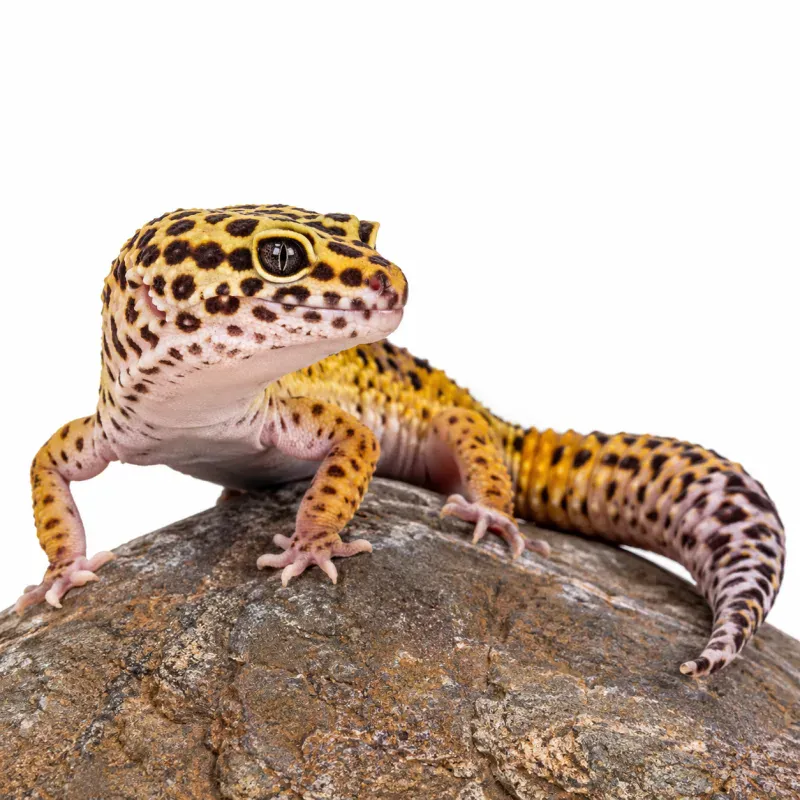
Leopard geckos (Eublepharis macularius) are among the most popular pet reptiles, thanks to their gentle nature and manageable care requirements. However, their health hinges on proper nutrition and supplementation. Deficiencies in calcium, vitamin D3, and vitamin A can lead to life-threatening conditions like metabolic bone disease (MBD), hypovitaminosis A, and poor immune function. This guide covers everything from identifying calcium sacs to designing a foolproof supplement schedule, backed by veterinary science.
In the wild, leopard geckos eat a varied diet of insects and occasionally small vertebrates, obtaining micronutrients from the gut contents of their prey. In captivity, we must replicate this nutritional diversity through careful feeder rotation, gut-loading, and supplementation. This expanded guide provides step-by-step protocols, troubleshooting tables, and preventive care strategies to keep your gecko thriving for 15–20 years.
Understanding Calcium Sacs and Why They Matter
What Are Calcium Sacs?
Leopard geckos have two small, oval-shaped calcium sacs located on either side of their neck, just behind the jaw. These sacs store calcium that the gecko can mobilize for egg production, bone maintenance, and nerve function. In healthy geckos, they appear as subtle bulges—often visible when the gecko is relaxed. In females, they may enlarge during egg development.
These sacs are unique to leopard geckos and a few other gecko species. They act as a buffer against short-term dietary calcium shortages. When calcium intake is adequate, the sacs remain plump and soft. When deficient, the body draws on these reserves, causing them to shrink. Conversely, over-supplementation can lead to calcium accumulation, making the sacs hard and enlarged.
How to Assess Calcium Sacs
Gently palpate the area behind the lower jaw. You should feel soft, pea-sized lumps. If the sacs feel hard, shrunken, or absent, your gecko may be calcium-deficient. Conversely, overly large, rock-hard sacs can indicate hypercalcemia (too much calcium), often from over-supplementation or kidney disease. Regular checks—once a month—help you catch imbalances early.
Step-by-step assessment:
- Place your gecko on a flat surface or in your cupped hand, allowing it to relax.
- Use your index finger and thumb to gently feel the area just behind the lower jawbone, on both sides.
- Compare the size and texture of both sacs—they should feel symmetrical.
- Note any changes from the previous month. Keep a simple log or photo for reference.
If you notice shrunken sacs, increase calcium supplementation immediately and check your feeder gut-loading. If sacs are hard or enlarged, reduce or stop D3 supplementation and consult an exotic vet, as this may signal kidney issues.
| Calcium Sac Condition | Possible Cause | Action Needed |
|---|---|---|
| Normal, soft pea-sized | Healthy calcium stores | Continue current supplement schedule |
| Shrunken or absent | Calcium deficiency, MBD risk | Increase calcium + D3 supplementation, check UVB |
| Hard, enlarged | Hypercalcemia, kidney issues | Reduce supplements, consult exotic vet |
Metabolic Bone Disease: Prevention and Early Signs
Metabolic bone disease is a common, painful condition caused by an imbalance of calcium, phosphorus, and vitamin D3. Leopard geckos are especially prone because they are nocturnal and don't require UVB light to synthesize D3—but they still need dietary D3. Without it, calcium absorption plummets.
MBD is not just a calcium deficiency; it's a complex disruption of bone metabolism. High phosphorus intake (common with feeder insects like crickets that have a poor calcium-to-phosphorus ratio) can bind to calcium and prevent absorption. Therefore, both calcium supplementation and feeder selection are critical.
Early Symptoms
- Soft, rubbery jaw (often the first sign)
- Bowed legs or difficulty walking
- Muscle tremors or twitching
- Decreased appetite and lethargy
- Spinal deformities (kinks or bumps)
If you observe any of these signs, act immediately. Early MBD can be reversed with aggressive calcium and D3 supplementation, but advanced cases may cause permanent deformities. A vet can provide oral calcium and injectable vitamin D3 for severe cases.
Prevention Strategies
- Provide a calcium dish (without D3) in the enclosure at all times.
- Dust feeder insects with a calcium + D3 supplement at every feeding for juveniles, and 2–3 times per week for adults.
- Use a phosphorus-free calcium powder (calcium carbonate or calcium gluconate).
- Offer a multivitamin with preformed vitamin A (retinol) once weekly—beta-carotene is poorly converted by reptiles.
- Feed a varied diet: rotate crickets, dubia roaches, black soldier fly larvae, and silkworms to improve natural calcium and vitamin intake.
- Gut-load feeders 24–48 hours before feeding them to your gecko. Use commercial gut-load diets or fresh vegetables like collard greens, carrots, and sweet potatoes.
Feeder Insect Calcium-to-Phosphorus Ratios
| Feeder Insect | Calcium:Phosphorus Ratio | Notes |
|---|---|---|
| Dubia roaches | 1:1 (gut-loaded can improve) | Excellent staple, low fat |
| Crickets | 1:4 (gut-loaded improves) | Requires dusting; common but less ideal |
| Black soldier fly larvae (BSFL) | 1.5:1 | Naturally high calcium, no dusting needed |
| Mealworms | 1:10 | High phosphorus, feed sparingly as treat |
| Silkworms | 1:1 | Great nutrition, but harder to source |
Vitamin A: The Overlooked Essential
Vitamin A deficiency (hypovitaminosis A) is rampant in captive leopard geckos, especially those fed only crickets or mealworms. Symptoms include eye swelling, respiratory infections, retained shed around eyes, and poor appetite. Unlike mammals, leopard geckos cannot efficiently convert beta-carotene from plants into retinol. You must provide preformed vitamin A (retinyl acetate or retinyl palmitate) through supplements or gut-loaded insects.
Vitamin A is crucial for vision, skin health, immune function, and reproduction. Deficiency can manifest as swollen eyelids (often mistaken for infection), discharge, and difficulty shedding. In severe cases, it can cause blindness or systemic infections.
How to Supplement Vitamin A
- Use a reptile multivitamin containing retinol (not just beta-carotene).
- Dust feeder insects with this multivitamin once per week.
- Rotate gut-loading ingredients: feed insects carrots, sweet potatoes, or commercial gut-load diets high in vitamin A.
- Consider occasional feeder insects like pinky mice (for breeding females) which are rich in preformed vitamin A.
Gut-loading recipe: Mix equal parts commercial gut-load (e.g., Repashy Bug Burger) with grated carrot and sweet potato. Feed this to insects 24 hours before offering them to your gecko. This boosts vitamin A and beta-carotene content in the feeder's gut.
Signs of Vitamin A Deficiency
- Swollen or crusty eyes
- Retained shed around eyes, toes, or tail
- Frequent respiratory infections
- Loss of appetite
- Dull, rough skin
If you see these signs, increase multivitamin frequency to twice weekly for two weeks, then return to weekly. If no improvement, consult a vet.
Vitamin D3: The Calcium Partner
Vitamin D3 enables calcium absorption from the gut. Without it, even a calcium-rich diet leads to deficiency. Leopard geckos can synthesize D3 from low-level UVB exposure, but most keepers rely on dietary D3. Overdosing D3 is rare but possible—stick to products with 2,000–4,000 IU D3 per kg of powder.
Vitamin D3 is fat-soluble, meaning excess is stored in fat and liver, not excreted quickly. Chronic over-supplementation can lead to hypercalcemia and kidney damage. Always follow dosing guidelines and avoid combining multiple D3 sources (e.g., UVB + high-D3 powder daily).
Supplement Options
- D3-only powder: Use for daily dusting if you also use a separate multivitamin.
- Calcium + D3 blend: Most common and convenient—use at every feeding for juveniles, 2–3 times/week for adults.
- UVB lighting: Optional but beneficial. Use a 2–5% UVB bulb (like Arcadia ShadeDweller) for 6–8 hours daily. Place hides so gecko can self-regulate exposure.
If you use UVB lighting, you can reduce dietary D3 supplementation to once weekly or eliminate it entirely, as the gecko will synthesize its own. However, monitor calcium sacs to ensure balance.
Choosing a Supplement
| Product Type | Example | Use Case |
|---|---|---|
| Calcium carbonate (no D3) | Rep-Cal Calcium (no D3) | Calcium dish in enclosure |
| Calcium + D3 blend | Repashy Calcium Plus | Dusting feeders |
| Multivitamin with retinol | Zoo Med Reptivite with D3 | Weekly dusting |
| UVB bulb (2–5%) | Arcadia ShadeDweller | Optional, for D3 synthesis |
Complete Supplement Schedule
Tailor this schedule to your gecko's life stage and health status. Always dust insects immediately before feeding—powder loses potency over time. Use a small plastic bag or container to shake insects with powder for even coating. Feed dusted insects within 15 minutes.
Dusting technique:
- Place feeder insects in a clean container.
- Add a pinch of supplement (enough to lightly coat insects, not clump).
- Gently shake for 10–15 seconds until insects are dusted.
- Immediately offer to your gecko.
| Life Stage | Calcium + D3 Dusting | Multivitamin (with A) | Calcium Dish (no D3) |
|---|---|---|---|
| Hatchling/Juvenile (0–6 months) | Every feeding | 1x weekly | Always available |
| Adult (6+ months) | 2–3x weekly | 1x weekly | Always available |
| Breeding female | Every feeding | 2x weekly | Always available |
| MBD recovery (vet-guided) | Every feeding + oral calcium | 2x weekly | Always available |
Feeding frequency: Juveniles should be fed daily (or every other day) with appropriately sized insects. Adults can be fed every 2–3 days. Always remove uneaten insects after 15–20 minutes to prevent stress and biting.
Calcium dish placement: Use a small, shallow dish (e.g., bottle cap) filled with plain calcium carbonate (no D3). Place it in a familiar spot, like near the warm hide. Some geckos will self-regulate; others won't touch it, so dusting remains essential.
Common Health Issues Beyond MBD
Eye Problems
Retained shed, vitamin A deficiency, and substrate irritation can cause swollen or crusty eyes. Soak the gecko in shallow warm water and gently remove stuck shed. If eyes remain closed, see a vet.
Treatment protocol:
- Prepare a shallow container with warm (85–90°F) dechlorinated water, deep enough to cover the vent.
- Let the gecko soak for 10–15 minutes.
- Using a cotton swab, gently roll over the eye area to loosen shed.
- If shed doesn't release, repeat daily for 3 days. If no improvement, seek veterinary care.
Prevent eye issues by maintaining proper humidity (40–60% during shedding) and providing a humid hide lined with moist sphagnum moss or paper towel.
Impaction
Loose substrates like sand can cause intestinal blockages. Use paper towels, tile, or reptile carpet for juveniles. For adults, use a safe loose substrate (e.g., excavator clay or organic topsoil) and feed in a dish to reduce ingestion.
Symptoms of impaction: Lethargy, loss of appetite, straining to defecate, or a swollen abdomen. If suspected, give a warm soak and gently massage the belly. If no improvement within 24 hours, see a vet—impaction can be fatal.
Safe substrate options:
- Paper towels (best for quarantine and juveniles)
- Ceramic tile or slate (easy to clean, retains heat)
- Reptile carpet (avoid loose threads)
- Excavator clay (for adults, allows burrowing)
- Organic topsoil (no additives, for adults)
Parasites
Cryptosporidiosis (crypto) and pinworms are common. Symptoms include weight loss, regurgitation, and foul-smelling stool. Quarantine new geckos for 90 days and have fecal exams performed by a vet.
Quarantine protocol:
- House new geckos in a separate enclosure with paper towels.
- Wash hands and change tools between enclosures.
- After 90 days, submit a fecal sample to a vet for parasite screening.
- If parasites are found, follow vet-prescribed treatment (e.g., fenbendazole for pinworms; there's no cure for crypto, but supportive care can extend life).
Dysecdysis (Abnormal Shedding)
Incomplete shedding is often due to low humidity or vitamin A deficiency. Ensure a humid hide and consider increasing multivitamin frequency. Soak the gecko in warm water to remove stuck shed, especially around toes and tail tip, to prevent constriction and necrosis.
Respiratory Infections
Wheezing, open-mouth breathing, or nasal discharge indicate a respiratory infection. Often caused by low temperatures or drafts. Maintain a thermal gradient of 88–92°F warm side, 75–80°F cool side. If symptoms persist, see a vet—antibiotics may be needed.
Pitfalls to Watch For
- Using calcium with D3 in the dish—geckos can overdose if they lick it excessively. Use plain calcium in the dish.
- Feeding only one insect species—crickets alone are low in calcium and vitamin A. Rotate with dubia roaches, black soldier fly larvae, and silkworms.
- Over-supplementing D3—stick to recommended frequencies. Too much D3 causes hypercalcemia and kidney damage.
- Ignoring UVB—while not mandatory, a low-level UVB bulb can boost D3 synthesis and improve overall health.
- Skipping multivitamins—vitamin A deficiency is silent until it's severe. Weekly multivitamin dusting is non-negotiable.
- Feeding oversized insects—insects larger than the space between the gecko's eyes can cause impaction or choking. Use appropriately sized prey.
- Not gut-loading feeders—feeder insects are only as nutritious as what they eat. Always gut-load for 24–48 hours before feeding.
- Forgetting to dust after thawing frozen insects—if you feed frozen-thawed insects, dust them thoroughly as freezing destroys some nutrients.
FAQ
How often should I dust leopard gecko food with calcium?
For juveniles (under 6 months), dust with calcium + D3 at every feeding. For adults, dust 2–3 times per week. Always keep a plain calcium dish (no D3) available at all times. If you use UVB lighting, you can reduce D3 dusting to once weekly.
Can leopard geckos get too much vitamin A?
Yes, hypervitaminosis A is possible if you over-supplement. Symptoms include lethargy, skin peeling, and appetite loss. Stick to the recommended weekly multivitamin dusting and avoid giving additional vitamin A supplements unless prescribed by a vet. Choose products with retinol at safe levels (not high-dose concentrates).
Do leopard geckos need UVB light for vitamin D3?
No, leopard geckos are nocturnal and can obtain all necessary vitamin D3 from dietary supplements. However, low-level UVB (2–5%) can be beneficial, especially for breeding females or geckos with health issues. If you provide UVB, place it on a timer for 6–8 hours daily and ensure shaded areas so the gecko can self-regulate.
What are the first signs of metabolic bone disease in leopard geckos?
The earliest signs include a soft or rubbery jaw, slight bowing of the legs, and muscle tremors. You may also notice reduced appetite and lethargy. Check the calcium sacs—if they feel shrunken or absent, MBD is likely. Immediate action: increase calcium + D3 dusting, provide a calcium dish, and consult a vet for advanced cases.
Related Reading
- Leopard Gecko Care Guide: Complete Beginner's Handbook
- Why Is My Leopard Gecko Not Eating? 7 Common Reasons
- Best Substrate for Leopard Geckos: Safe vs Unsafe Options
- Leopard Gecko Genetics & Morph Breeding: Dominant, R...
- Leopard Gecko Shedding Guide: Complete Shed Cycle, H...
- Leopard Gecko Breeding Guide: Pairing, Incubation, E...
Check optimal temps, calculate feeding, and find your perfect species match.
References
- Veterinary Clinics of North America: Exotic Animal Practice - Reptile Nutrition and Supplementation
- Reptile Medicine and Surgery (Mader, 2017)
- Journal of Herpetological Medicine and Surgery - Vitamin A deficiency in insectivorous lizards
- Arcadia Reptile - UVB lighting recommendations for nocturnal geckos
🐾 Join the Community
See how other keepers set up their enclosures, ask questions, and share your experience.
🛠️ Apply What You Learned
Check optimal temps, calculate feeding schedules, and get calcium dosage — all personalized for your species.
Comments