Leopard Gecko Genetics & Morph Breeding Guide
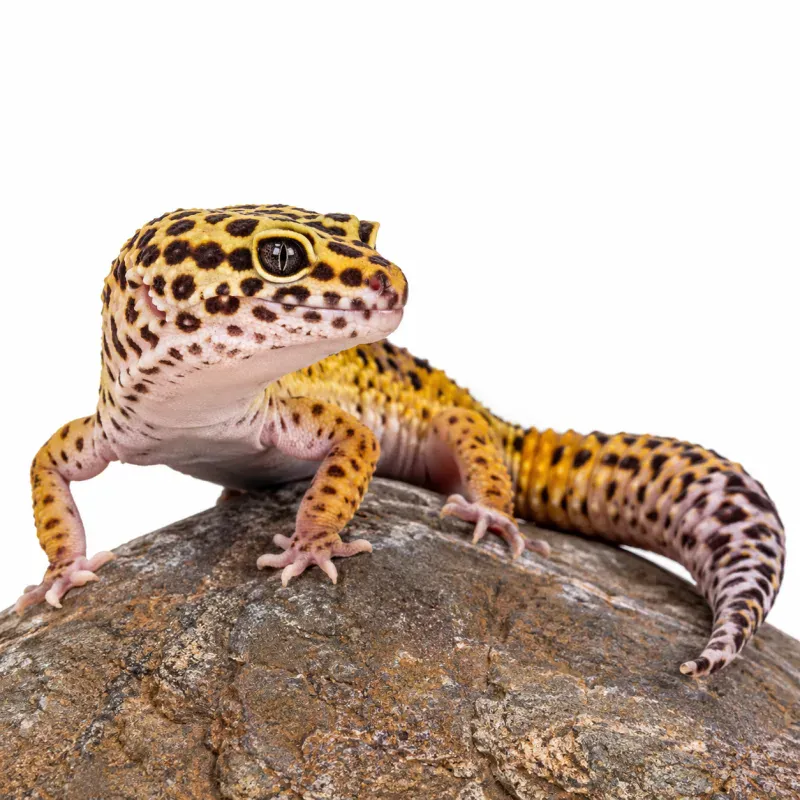
Introduction to Leopard Gecko Genetics
\nLeopard gecko morphs are the result of selective breeding for specific genetic traits that alter color, pattern, and physical features. Understanding the basics of genetics—dominant, recessive, and co-dominant traits—is essential for any breeder aiming to produce healthy, visually stunning animals. This guide covers the most common morphs, how they are inherited, and the ethical considerations every breeder must follow.
\nBefore diving into specific morphs, it's crucial to understand that every gecko carries thousands of genes, and only a handful are responsible for the traits we see. The phenotype (what you see) is the result of the genotype (the genetic makeup) interacting with environmental factors like temperature and nutrition. For example, a gecko with the genetic potential for vibrant orange may appear dull if kept at suboptimal temperatures or fed a poor diet. This guide will help you navigate the genetic landscape and make informed breeding decisions.
\n\nDominant vs Recessive Traits
\nIn leopard gecko genetics, traits are classified by how they are expressed. A dominant trait requires only one copy of the gene to be visible. For example, the Mack Snow morph is dominant—if a gecko inherits one Mack Snow allele, it will show the reduced black pigmentation and stark white background. A recessive trait, like the Albino strains, requires two copies (one from each parent) to be expressed. A gecko with only one copy is called a “het” (heterozygous) and looks normal but can pass the gene to offspring.
\nCo-dominant traits, such as Enigma or Giant, produce an intermediate phenotype when one copy is present, and a more extreme or “super” form when two copies are present. For example, a single Enigma gene causes the characteristic pattern and mild neurological wobble, while a double dose (Super Enigma) is often lethal or severely impaired.
\nHow to Determine Inheritance Patterns
\nTo identify whether a trait is dominant, recessive, or co-dominant, you can perform a simple test cross. For a suspected dominant trait, breed a visual gecko to a normal (wild-type) gecko. If roughly 50% of the offspring show the trait, it's likely dominant. For a recessive trait, breed a visual gecko to a normal; if all offspring are normal but carry the gene (hets), the trait is recessive. Co-dominant traits will show an intermediate phenotype in the F1 generation, and breeding two visuals will produce some “super” forms.
\n\nAlbino Strains
\nTrue albinism in leopard geckos is caused by a lack of tyrosinase, the enzyme needed to produce melanin. There are three distinct, non-compatible albino strains: Bell, Tremper, and Rainwater. Each strain is recessive and cannot cross-complement—breeding a Bell albino to a Tremper albino will produce only normal-looking het offspring, not visual albinos. Visually, Bell albinos have pinkish eyes and warm yellow/pink tones; Tremper albinos have greyish-pink eyes and cooler lavender/yellow tones; Rainwater albinos have pale pink eyes and soft cream/yellow coloration. When selecting breeders, always confirm the strain to avoid accidental outcrossing that wastes generations.
\nHow to Identify Each Albino Strain
\nDistinguishing between the strains can be challenging, especially in hatchlings. Here are some tips:
\n- \n
- Bell Albino: Look for a pinkish hue to the eyes, often described as “bubblegum pink.” Body tones lean warm, with yellows and pinks dominating. As they age, the contrast between yellow and pink becomes more pronounced. \n
- Tremper Albino: Eyes appear greyish-pink, sometimes with a bluish tint. The body has cooler lavender and yellow tones, and the pattern tends to be more muted compared to other strains. \n
- Rainwater Albino: Eyes are pale pink, almost translucent. The body is soft cream and yellow, with less contrast between pattern and background. They often have a “washed out” appearance. \n
If you're unsure, you can perform a test breeding: breed an unknown albino to a known Bell, Tremper, and Rainwater. If any pairing produces visual albinos, the unknown is the same strain as the known parent. This takes time but is the only definitive way to confirm.
\n\nPattern Mutations
\nPattern mutations affect the arrangement of spots, bands, and stripes on the gecko’s body. Common pattern morphs include:
\n- \n
- Jungle – irregular, broken bands that create a marbled or chaotic pattern; inherited as a dominant trait. \n
- Striped – two parallel stripes running down the back; often co-dominant with other pattern genes. \n
- Bold Stripe – thick, continuous stripes with minimal spotting; recessive. \n
- Reverse Stripe – a light stripe down the center of the back; recessive. \n
- Lavender – a purple/grey wash over the pattern; recessive and often combined with albino strains for pastel effects. \n
Combining pattern genes can produce stunning results, but breeders must track lineages carefully, as multiple pattern genes can interact unpredictably.
\nPattern Gene Interactions
\nWhen combining pattern mutations, the results can be surprising. For example, breeding a Jungle with a Striped can produce offspring with broken stripes, which may not fit either parent's phenotype. This is because pattern genes often have incomplete penetrance, meaning the expression can vary. To minimize surprises, keep detailed records and understand that each combination may produce a range of outcomes. It's also important to note that some pattern genes are linked to other traits; for instance, the Eclipse gene (often used in RAPTOR) affects both eye color and pattern, so breeding for pattern can inadvertently affect eye color.
\n\nCombo Morphs
\nCombo morphs combine multiple genetic traits into a single animal. Popular combos include:
\n| Combo Morph | Genes Involved | Appearance |
|---|---|---|
| Super Snow | Mack Snow (double dose) | Pure white body with black eyes and minimal pattern |
| Blizzard | Recessive albino strain + pattern modifier | Solid white, pink or yellow with no pattern |
| RAPTOR | Recessive albino + Patternless + Eclipse | Red eyes, orange body, no pattern |
| Enigma | Co-dominant pattern + color modifier | White body with orange spots, potential neurological issues |
Creating combo morphs requires patience, detailed record-keeping, and a deep understanding of how genes interact. Always start with healthy, unrelated stock to avoid inbreeding depression.
\nStep-by-Step: Planning a Combo Morph Project
\n- \n
- Define your goal: Choose the final phenotype you want to achieve. For example, a “Super Snow RAPTOR” would combine double-dose Mack Snow with the RAPTOR genes. \n
- Acquire breeders: Purchase unrelated geckos that carry the necessary genes. For recessive traits, you may need to buy hets if visuals are unavailable. \n
- Breed to produce heterozygotes: If you start with a visual and a het, you'll get 50% visuals and 50% hets. Use the visuals for the next step. \n
- Breed F1 visuals together: This will produce a mix of homo/hetero combinations. Select offspring that show the desired traits for further breeding. \n
- Stabilize the line: Continue breeding select offspring to establish a line that consistently produces the combo. This may take several generations. \n
Throughout the process, keep meticulous records of each gecko's genotype and phenotype. Use a spreadsheet or dedicated software to track lineage and predict outcomes.
\n\nEthical Breeding Practices
\nEthical breeding prioritizes animal welfare over profit. Key practices include:
\n- \n
- Genetic diversity: Avoid breeding closely related animals (e.g., siblings, parent-offspring) to prevent birth defects and reduced fertility. \n
- Health screening: Test for common issues like cryptosporidiosis, metabolic bone disease, and parasites before breeding. \n
- Neurological risks: Morphs like Enigma and White & Yellow are linked to neurological disorders (head tilting, circling, seizures). Ethical breeders avoid breeding these morphs or only do so with extreme caution and full disclosure. \n
- Age and weight: Females should be at least 1 year old and weigh 45+ grams before first breeding. Overbreeding (more than 2–3 clutches per year) can cause egg-binding and calcium depletion. \n
- Housing: Provide separate, enriched enclosures for each adult. Never cohabitate males, and only introduce females for brief supervised mating periods. \n
Setting Up a Breeding Enclosure
\nA proper breeding setup includes a laying box for females (a container filled with moist vermiculite or perlite), a temperature gradient of 88–92°F on the warm side and 75–80°F on the cool side, and multiple hides. Females should have access to a calcium dish at all times, especially when gravid. After mating, remove the male to prevent stress and potential injury to the female.
\nIncubation and Hatchling Care
\nIncubate eggs at the appropriate temperature for your desired sex ratio: 80–84°F for females, 88–92°F for males, and 85–87°F for a mix. Maintain humidity around 80% in the incubator. Eggs typically hatch in 45–60 days. Hatchlings should be housed separately in small enclosures with paper towel substrate and offered small insects (1/4-inch crickets or small mealworms) dusted with calcium.
\n\nBreeding Pitfalls to Avoid
\nEven experienced breeders make errors. Avoid these pitfalls:
\n- \n
- Mixing albino strains – results in het offspring that look normal, wasting a generation. \n
- Assuming dominant traits are always visible – some dominant genes (e.g., Enigma) can cause health issues even in heterozygotes. \n
- Overlooking temperature-dependent sex determination – incubation temperature (80–84°F for females, 88–92°F for males) affects sex ratios; incorrect temps can produce unhealthy offspring. \n
- Ignoring genetic load – stacking multiple recessive genes can increase the risk of hidden deformities. \n
- Failing to keep records – without detailed lineage charts, you cannot predict outcomes or avoid inbreeding. \n
Troubleshooting Common Problems
\n| Problem | Likely Cause | Solution |
|---|---|---|
| Hatchlings are not showing expected morph | Incorrect genotype in parents, or gene interaction | Review lineage records; perform test crosses to confirm genotype |
| Low fertility in eggs | Inbreeding, poor nutrition, or incorrect incubation temps | Introduce new bloodlines; ensure females are well-fed and calcium-supplemented; check incubator temps |
| Neurological symptoms in hatchlings | Enigma or White & Yellow genes present | Avoid breeding these morphs; if symptoms appear, cull or isolate and disclose to buyers |
| Female egg-binding | Overbreeding, too young, or calcium deficiency | Provide extra calcium; reduce clutch frequency; consult a vet |
Breeding Calendar and Seasonal Care
\nLeopard geckos have a natural breeding season that typically runs from January to September in the Northern Hemisphere. To maximize success and maintain health, align your breeding efforts with the seasons:
\n- \n
- Autumn (September–November): Begin cooling down. Gradually reduce temperatures and daylight hours over 4–6 weeks to simulate winter. Provide a brumation period of 6–8 weeks at 65–70°F, with no food but fresh water available. \n
- Winter (December–January): After brumation, slowly warm up to normal temperatures over 1–2 weeks. Introduce males to females for mating once females are active and eating well. \n
- Spring (February–May): Peak egg production. Females typically lay 2 eggs per clutch, every 2–4 weeks. Provide extra calcium and monitor for egg-binding. \n
- Summer (June–August): Continue breeding if females are healthy, but limit to 2–3 clutches per female per year. Stop breeding by late summer to allow females to regain weight before the next brumation. \n
Always adjust timing based on your local climate and the individual health of your geckos. Healthy females should not lose more than 10% of their body weight during the breeding season.
\n\nCost Breakdown for a Breeding Project
\nBreeding leopard geckos involves significant upfront and ongoing costs. Here is an estimated budget for a small-scale setup (one male, two females):
\n| Item | Estimated Cost (USD) | Notes |
|---|---|---|
| Breeder geckos (3) | $150–$300 | Varies by morph; rare combos cost more |
| Enclosures (3, 20-gallon) | $150–$300 | Include hides, substrate, and decor |
| Heating & lighting | $50–$100 | Heat mats, thermostats, timers |
| Incubator | $50–$150 | Can use a DIY setup with a cooler and heat mat |
| Egg-laying boxes | $20–$40 | Vermiculite/perlite and containers |
| Food (crickets, mealworms, supplements) | $30–$60/month | Includes calcium and vitamin D3 dusting |
| Vet check-ups | $50–$100/year | Fecal exams and health screenings |
| Miscellaneous (sprayers, thermometers) | $30–$50 | Hygrometer, temperature gun, etc. |
Total first-year costs can range from $500 to $1,000, not including unexpected veterinary emergencies. Breeding is rarely profitable at a small scale; prioritize the experience and conservation over income.
\n\nConclusion
\nLeopard gecko morph breeding is a rewarding blend of science and art. By mastering dominant, recessive, and co-dominant inheritance, respecting albino strain compatibility, and always putting ethics first, you can produce healthy, beautiful geckos that delight hobbyists and contribute to the species’ long-term welfare. Always research each morph’s known health risks and commit to transparency with buyers. Happy breeding!
\n\nFrequently Asked Questions
\nWhat is the difference between dominant and co-dominant traits in leopard geckos?
\nDominant traits require only one copy of the gene to be visible, and a single copy produces the full phenotype. Co-dominant traits also require only one copy to show an intermediate phenotype, but two copies produce a more extreme “super” form. For example, Mack Snow is dominant (one copy shows the trait), while Enigma is co-dominant (one copy causes the pattern and mild wobble, two copies are often lethal).
\nCan I breed a Bell albino to a Tremper albino to get visual albinos?
\nNo. The three albino strains (Bell, Tremper, and Rainwater) are non-compatible. Breeding a Bell albino to a Tremper albino will produce only normal-looking het offspring that carry one copy of each strain's gene, but not a visual albino. This wastes a generation, so always confirm the strain before breeding.
\nWhy does my Enigma gecko have a head tilt or circle?
\nEnigma morphs are linked to neurological disorders, including head tilting, circling, and seizures. This is a known health risk associated with the Enigma gene, even in heterozygotes. Ethical breeders avoid breeding this morph or only do so with extreme caution and full disclosure to buyers.
\nWhat temperature should I incubate leopard gecko eggs to get females?
\nIncubation temperature determines sex in leopard geckos. To produce mostly females, incubate at 80–84°F. For males, use 88–92°F. Temperatures between 85–87°F produce a mix of sexes. Incorrect temperatures can lead to unhealthy offspring, so maintain stable conditions with high humidity.
\nHow many clutches can a female leopard gecko lay per year?
\nFemales can lay up to 2–3 clutches per year, with each clutch containing 2 eggs. Overbreeding beyond this can cause egg-binding and calcium depletion. It's essential to monitor female health and provide extra calcium during the breeding season.
\nWhat is the minimum age and weight for breeding a female leopard gecko?
\nFemales should be at least 1 year old and weigh 45+ grams before first breeding. Breeding younger or lighter females increases the risk of egg-binding and other health complications.
\nHow do I know if my gecko is a het for a recessive trait?
\nHets look normal but carry one copy of a recessive gene. The only way to confirm is through test breeding with a visual or known het. For example, breeding a suspected het to a visual albino will produce roughly 50% visual offspring if the het is real.
\nRelated Reading
\nCheck optimal temps, calculate feeding, and find your perfect species match.
References
- Tremper, R. (2015). The Herpetoculture of Leopard Geckos. Advanced Vivarium Systems.
- Barker, D. (2018). Leopard Gecko Genetics and Morphs. Reptiles Magazine.
- de Vosjoli, P. (2013). The Leopard Gecko Manual. Advanced Vivarium Systems.
🐾 Join the Community
See how other keepers set up their enclosures, ask questions, and share your experience.
🛠️ Apply What You Learned
Check optimal temps, calculate feeding schedules, and get calcium dosage — all personalized for your species.
Comments