Leopard Gecko Morphs: 20+ Colors & Genetics
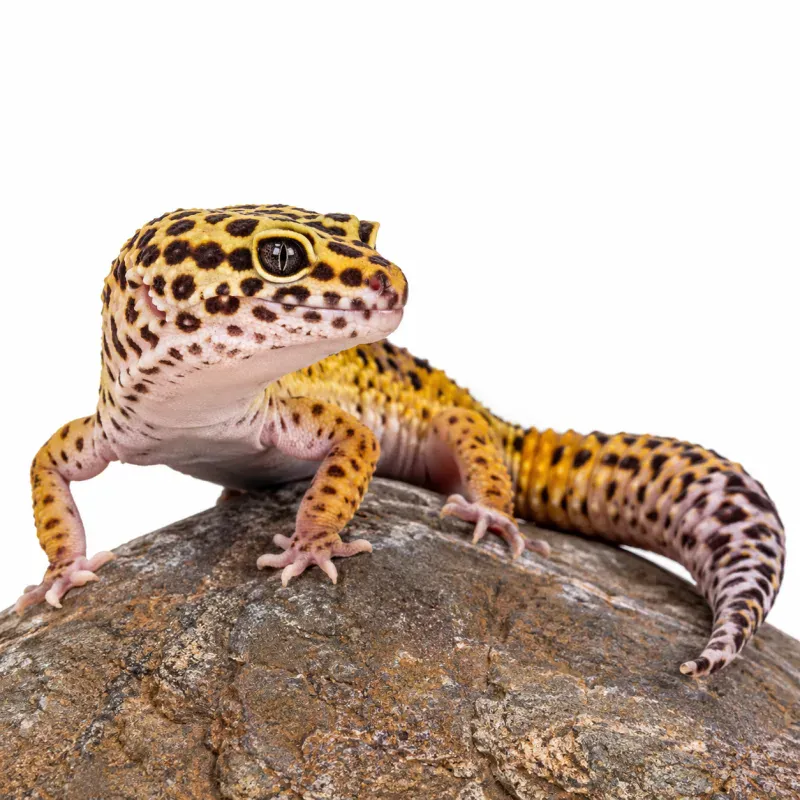
Introduction to Leopard Gecko Morphs
Leopard geckos (Eublepharis macularius) are among the most popular reptile pets due to their docile nature, manageable size, and stunning variety of colors and patterns. These variations, known as morphs, result from selective breeding of genetic traits. Today, there are over 100 recognized morphs, but this guide focuses on 20+ of the most common and visually striking ones. Understanding morphs is not just about aesthetics—it also helps you predict health, temperament, and breeding outcomes.
Whether you're a beginner or an experienced keeper, this guide will explain the genetics behind morphs, provide a detailed care plan, and help you choose the perfect gecko for your home.
What Are Leopard Gecko Morphs?
A morph is a genetic variation that affects a gecko's color, pattern, or eye color. Morphs are categorized by:
- Color morphs: Base color (e.g., yellow, orange, white)
- Pattern morphs: Spotting, banding, or stripe patterns
- Eye morphs: Eye color (e.g., eclipse, snake eyes)
- Combination morphs: Multiple traits combined (e.g., Super Snow RAPTOR)
Morphs are inherited through simple recessive, dominant, co-dominant, or polygenic traits. For example, the Albino morph is recessive, while Enigma is dominant but linked to neurological issues.
20+ Leopard Gecko Morphs Explained
Below is a table of 20+ popular morphs, their key features, and genetic notes.
| Morph Name | Key Features | Genetics | Rarity |
|---|---|---|---|
| Normal (Wild Type) | Yellow body with dark brown spots | Standard | Common |
| High Yellow | Vibrant yellow, fewer spots | Polygenic | Common |
| Tangerine | Orange body, often with carrot tail | Polygenic | Moderate |
| Albino (Tremper, Rainwater, Bell) | Lack of melanin; pink/red eyes | Recessive | Moderate |
| Blizzard | Solid white or pale yellow, no pattern | Recessive | Common |
| Mack Snow | White base with black spots; darkens with age | Co-dominant | Common |
| Super Snow | Pure white body with black spots (homozygous Mack Snow) | Co-dominant | Moderate |
| Enigma | Wavy pattern, light color; neurological issues possible | Dominant | Moderate |
| RAPTOR | Red eyes, orange body, patternless | Recessive combo | Rare |
| Eclipse | Solid black eyes; pattern varies | Recessive | Rare |
| Patternless (Murphy's Patternless) | No spots, uniform color | Recessive | Common |
| Striped | Two parallel stripes down the back | Polygenic | Moderate |
| Bold Stripe | Thick, continuous stripes | Recessive | Rare |
| Jungle | Irregular, broken bands | Polygenic | Common |
| Lavender | Purple/pink hue, often with spots | Polygenic | Moderate |
| Carrot Tail | Orange tail, rest of body normal | Polygenic | Common |
| Snow | Light gray with black spots | Co-dominant | Common |
| Hypo (Hypomelanistic) | Reduced black spots | Polygenic | Common |
| Super Hypo | No spots on body, only on head | Polygenic | Moderate |
| Bold Banded | Distinct bands instead of spots | Polygenic | Moderate |
| White & Yellow | White body with yellow highlights | Recessive | Rare |
| Black Night | Solid black body (very rare) | Polygenic | Extremely rare |
Visual Traits: Color and Pattern Variations
Beyond the basic table, understanding visual traits helps you identify morphs at a glance. Here are the key color variations:
- Yellow-based morphs (Normal, High Yellow, Tangerine): Range from pale lemon to deep orange. Tangerine often has a carrot tail—a bright orange tail that intensifies with age.
- White-based morphs (Blizzard, Mack Snow, Super Snow): Blizzard is uniform white or pale yellow with no pattern; Mack Snow starts white and darkens, while Super Snow remains pure white with black spots.
- Albino strains: Tremper, Rainwater, and Bell albinos all lack melanin but differ in eye color and body hue—Tremper has red eyes, Rainwater has pinkish eyes, and Bell has light gray/pink eyes.
- Pattern variations: Striped morphs have parallel dorsal stripes; Bold Stripe has thick continuous stripes; Jungle has irregular broken bands; Bold Banded shows distinct crossbands instead of spots.
Genetics & Inheritance Basics
Morph genetics can be simplified into three main inheritance patterns:
- Recessive traits (Albino, Blizzard, Eclipse, Patternless, Bold Stripe, White & Yellow): Both parents must carry the gene for it to express in offspring. A gecko with one copy is a het (heterozygous) and looks normal but can pass the gene on.
- Co-dominant traits (Mack Snow, Snow): One copy produces the morph; two copies produce a more extreme version (e.g., Super Snow).
- Dominant traits (Enigma): Only one parent needs the gene for offspring to show it. However, Enigma is linked to neurological issues, so breeding is discouraged.
- Polygenic traits (High Yellow, Tangerine, Hypo, Super Hypo, Striped, Jungle, Lavender, Carrot Tail, Black Night): Controlled by multiple genes; expression varies along a spectrum. For example, Super Hypo has no body spots but may have head spots.
Rarity & Price Guide
Prices vary by location, breeder, and lineage. The following table gives typical ranges (USD) and rarity based on current market trends:
| Morph | Appearance | Rarity | Typical Price Range |
|---|---|---|---|
| Normal (Wild Type) | Yellow with brown spots | Common | $20–$40 |
| High Yellow | Vibrant yellow, fewer spots | Common | $30–$50 |
| Tangerine | Orange body, carrot tail | Moderate | $50–$100 |
| Albino (Tremper, Rainwater, Bell) | Lack melanin, pink/red eyes | Moderate | $60–$150 |
| Blizzard | Solid white/pale yellow | Common | $40–$70 |
| Mack Snow | White base, black spots | Common | $40–$80 |
| Super Snow | Pure white, black spots | Moderate | $80–$150 |
| Enigma | Wavy pattern, light color | Moderate | $70–$120 (avoid due to health) |
| RAPTOR | Red eyes, orange body | Rare | $150–$300 |
| Eclipse | Solid black eyes | Rare | $100–$200 |
| Patternless | No spots, uniform color | Common | $40–$70 |
| Striped | Two parallel stripes | Moderate | $60–$120 |
| Bold Stripe | Thick continuous stripes | Rare | $120–$250 |
| Jungle | Irregular broken bands | Common | $30–$60 |
| Lavender | Purple/pink hue | Moderate | $70–$150 |
| Carrot Tail | Orange tail only | Common | $40–$80 |
| Snow | Light gray with black spots | Common | $30–$60 |
| Hypo | Reduced black spots | Common | $40–$70 |
| Super Hypo | No body spots, head spots only | Moderate | $60–$120 |
| Bold Banded | Distinct bands | Moderate | $50–$100 |
| White & Yellow | White body, yellow highlights | Rare | $150–$300 |
| Black Night | Solid black body | Extremely rare | $500–$1,000+ |
Breeding Pair Recommendations
If you plan to breed, choose pairs based on the traits you want to produce:
- For albino offspring: Breed two het albinos (each carrying the gene) to get 25% albino babies. Pairing an albino with a het gives 50% albinos.
- For Super Snow: Breed two Mack Snows—each offspring has a 25% chance of being Super Snow.
- For RAPTOR: Combine Eclipse, Tremper Albino, and Patternless genes. Start with a Tremper Albino Eclipse and a Patternless het Eclipse.
- For Tangerine/Carrot Tail: Choose bright, orange individuals with strong carrot tails; polygenic traits improve with selective breeding.
- Avoid breeding Enigmas: Due to the risk of Enigma Syndrome (neurological issues), responsible breeders avoid producing Enigmas altogether.
Common Morph-Health Pitfalls
Some morphs carry specific health concerns:
- Enigma Syndrome: Enigma morphs may show circling, head tilting, and seizures. This is a neurological disorder linked to the Enigma gene. Affected geckos need a stress-free environment and should not be bred.
- Albino light sensitivity: Albino morphs have pink/red eyes and may be more sensitive to bright light. Provide extra hides and use low-level lighting.
- Black Night and dark morphs: Dark colors absorb more heat, so monitor temperatures to avoid overheating.
- Genetic defects in combo morphs: Some combinations (e.g., Enigma + other genes) can increase the risk of deformities. Research before breeding.
- General care: All morphs need the same basic care—proper calcium, humidity, and temperature. Morphs do not change dietary or enclosure needs.
Morph Selection Guide for Beginners
New keepers should prioritize hardiness and ease of care over rarity:
- Best starting morphs: Normal, High Yellow, Blizzard, Patternless, Mack Snow, Hypo—these are common, affordable, and have no known health issues.
- Intermediate morphs: Tangerine, Super Snow, Albino (with proper lighting), Striped—slightly more expensive but still manageable.
- Avoid for beginners: Enigma (neurological risk), Black Night (very expensive, delicate), and complex combos like RAPTOR (pricey, may require extra care).
- Budget tip: Start with a healthy common morph and learn its behavior before investing in rare genetics.
Enclosure Setup for Leopard Geckos
A proper enclosure is critical for all morphs. Leopard geckos are terrestrial and require floor space over height.
Tank Size
For a single adult: 20-gallon long tank (30″ x 12″ x 12″) minimum. Larger is better—40 gallons is ideal. Juveniles can start in a 10-gallon tank.
Substrate
- Safe options: Paper towels (for quarantine), reptile carpet, slate tile, or non-adhesive shelf liner.
- Loose substrates: Avoid sand, walnut shells, or wood chips—they cause impaction. Use a soil-sand mix (70% topsoil, 30% playsand) only for experienced keepers.
Hides
Provide at least three hides: warm side, cool side, and a humid hide (for shedding). Use cork bark, half-logs, or commercial reptile hides.
Decor
Add branches, rocks, and fake plants for enrichment. Ensure all items are stable and cannot fall.
Heating and Lighting
Leopard geckos are ectothermic and need a thermal gradient.
Temperature
- Warm side: 88–92°F (31–33°C) via under-tank heater or ceramic heat emitter.
- Cool side: 75–80°F (24–27°C).
- Nighttime: Can drop to 70°F (21°C).
Lighting
No UVB is strictly required, but low-level UVB (2–5%) can benefit vitamin D synthesis. Use a 12-hour day/night cycle. Avoid bright lights—geckos are crepuscular.
Heating Safety
Always use a thermostat to prevent burns. Place heat mats on the side of the tank, not underneath, to avoid overheating.
Humidity and Hydration
Leopard geckos need moderate humidity.
- Ambient humidity: 30–40%.
- Humid hide: Maintain 70–80% humidity inside the hide using damp sphagnum moss or paper towels. Replace weekly.
- Water bowl: Provide fresh, dechlorinated water daily. Clean the bowl weekly.
Diet and Feeding
Leopard geckos are insectivores. Feed a varied diet of gut-loaded insects.
Staple Insects
- Crickets (small to medium)
- Dubia roaches (highly nutritious)
- Mealworms (high in fat—use sparingly)
- Black soldier fly larvae (calcium-rich)
Supplementation
- Calcium with D3: Dust insects at every feeding for juveniles, 2–3 times per week for adults.
- Multivitamin: Once per week.
Feeding Schedule
- Juveniles (under 6 months): Feed daily, as many insects as they'll eat in 10–15 minutes.
- Adults: Feed 3–4 times per week, 4–6 insects per feeding.
Handling and Temperament
Leopard geckos are generally docile but need gentle acclimation.
- First steps: Wait 1–2 weeks after bringing your gecko home before handling.
- Technique: Scoop from below, support all four feet. Never grab the tail—they can drop it (autotomy).
- Duration: Start with 5-minute sessions, gradually increase to 15–20 minutes.
- Signs of stress: Hissing, tail wagging, or trying to escape. Return the gecko to its enclosure.
Common Health Issues
Even with proper care, issues can arise. Watch for:
- Metabolic Bone Disease (MBD): Caused by calcium deficiency. Symptoms: tremors, soft jaw, bent limbs. Prevent with proper supplementation and UVB.
- Impaction: From loose substrate or large insects. Symptoms: lethargy, no stool. Treat with warm baths and vet care.
- Dysecdysis (shedding problems): Stuck shed on toes or eyes. Provide a humid hide and soak if needed.
- Parasites: Diarrhea, weight loss. Fecal exam by a vet is essential.
- Enigma Syndrome: In Enigma morphs—circling, head tilting, seizures. Avoid breeding Enigmas.
Common Mistakes to Avoid
- Using sand substrate: Leads to impaction. Use tile or paper towels.
- Overhandling: Causes stress. Limit handling to 10–15 minutes.
- Incorrect temperatures: Too cold slows digestion; too hot causes burns.
- Feeding only mealworms: High fat causes obesity. Rotate insects.
- Ignoring morph-specific needs: Some morphs (e.g., Enigma) need extra care due to neurological issues.
- Not quarantining new geckos: Always isolate for 30–60 days to prevent disease spread.
Frequently Asked Questions
What is the easiest leopard gecko morph for a beginner?
The easiest morphs for beginners are common, hardy types like Normal, High Yellow, Blizzard, Patternless, and Mack Snow. They have no known health issues and are affordable, making them ideal for learning proper care.
Are albino leopard geckos more sensitive to light?
Yes, albino morphs (Tremper, Rainwater, Bell) lack melanin and have pink/red eyes, which makes them more sensitive to bright light. Provide extra hides and use low-level lighting to keep them comfortable.
What is Enigma Syndrome and which morphs are affected?
Enigma Syndrome is a neurological disorder linked to the Enigma morph. Symptoms include circling, head tilting, and seizures. Affected geckos need a stress-free environment and should not be bred. Responsible breeders avoid producing Enigmas altogether.
Can I breed two different morphs together?
Yes, you can breed different morphs, but the outcome depends on genetics. For example, breeding a Mack Snow with a Normal can produce Mack Snow offspring if the Mack Snow gene is co-dominant. For recessive traits like Albino, both parents must carry the gene for it to express. Always research the inheritance pattern before pairing.
Why is the Black Night morph so expensive?
The Black Night morph is extremely rare and has a solid black body, which is highly sought after. Its rarity and the difficulty in producing it through polygenic inheritance drive prices to $500 or more.
Do morphs require different care than normal leopard geckos?
No, all leopard gecko morphs share the same basic care requirements for enclosure, heating, humidity, and diet. However, some morphs like Enigma may need extra care due to neurological issues, and albinos may need lower light levels.
How can I tell if my leopard gecko is a Super Snow or a regular Snow?
Super Snow is the homozygous form of the Mack Snow gene, resulting in a pure white body with black spots. Regular Snow (or Mack Snow) has a white base that darkens with age and may show more gray. Super Snows are generally whiter and have more contrast.
Conclusion
Leopard gecko morphs offer endless variety, but all share the same basic care requirements. By understanding the genetics behind colors and patterns, you can make informed choices about breeding, health, and enrichment. Whether you choose a classic High Yellow or a rare Black Night, providing a proper enclosure, balanced diet, and gentle handling will ensure your gecko thrives for 15–20 years. For further reading, consult The Leopard Gecko Manual by Philippe de Vosjoli and online resources from reputable herpetological societies.
Related Reading
- Leopard Gecko Care Guide: Complete Beginner's Handbook
- Why Is My Leopard Gecko Not Eating? 7 Common Reasons
- Best Substrate for Leopard Geckos: Safe vs Unsafe Op...
- Leopard Gecko Genetics & Morph Breeding: Dominant, R...
- Leopard Gecko Shedding Guide: Complete Shed Cycle, H...
- Leopard Gecko Health and Vitamin Guide: Calcium Sacs...
- Leopard Gecko Breeding Guide: Pairing, Incubation, E...
Check optimal temps, calculate feeding, and find your perfect species match.
References
- de Vosjoli, P. (2018). The Leopard Gecko Manual. Advanced Vivarium Systems.
- Barten, S. (2020). Leopard Gecko Morphs: Genetics and Breeding. Herpetological Press.
- Keller, C. (2022). Reptile Lighting and Heating Guide. Reptile Care Publications.
- Morris, L. (2021). Common Health Issues in Captive Leopard Geckos. Journal of Herpetological Medicine, 45(2), 112–125.
🐾 Join the Community
See how other keepers set up their enclosures, ask questions, and share your experience.
🛠️ Apply What You Learned
Check optimal temps, calculate feeding schedules, and get calcium dosage — all personalized for your species.
Comments