Leopard Gecko Not Eating: 7 Causes & Fixes
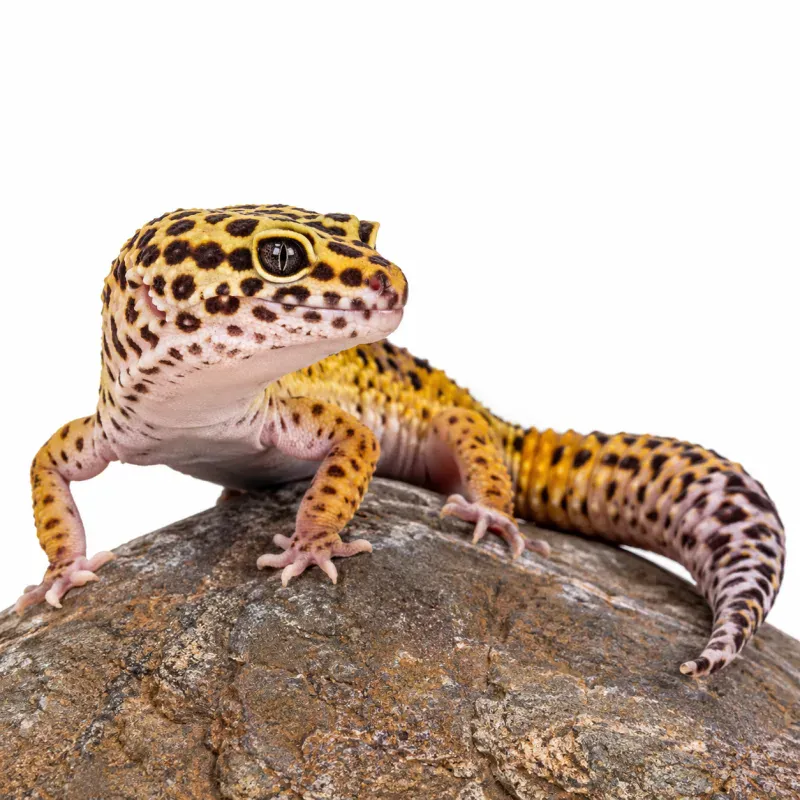
Leopard geckos (Eublepharis macularius) are generally hardy, enthusiastic eaters—so when one stops eating, it's natural to worry. The good news: in most cases, the cause is simple and fixable. This guide walks you through the most common reasons, how to diagnose them, and exactly what to do, plus when to involve a veterinarian.
1. Temperature Problems
This is the #1 reason leopard geckos stop eating. They need belly heat of 88–92°F (31–33°C) to digest food.
I once had a juvenile gecko go off food for two weeks and I panicked — turns out my thermostat probe had slipped off the heat mat and the floor temp was only 81°F. Two hours after I repositioned it and the temp hit 90°F, he ate three crickets. Always check the floor temperature with a temp gun, not just the air temp. Leopard geckos don't bask; they absorb heat through their belly. If the floor is wrong, nothing else matters.
If the warm side is below 85°F, digestion slows dramatically. Fix: Check your thermostat and heat mat with a digital probe thermometer. The probe must be directly on the floor over the heat mat.
How to Check and Fix Floor Temperatures
- Use a temp gun: Point it at the floor directly above the heat mat. It should read 88–92°F. If it's lower, adjust the thermostat.
- Reposition the probe: Place the thermostat probe directly on the floor, centered over the heat mat. Secure it with a small dot of silicone or a piece of tape (never cover the probe tip).
- Wait 30 minutes after adjusting before rechecking—temperatures take time to stabilize.
- Check the cool side too: It should be 75–80°F. If it's too hot, your gecko can't escape the heat.
Common Temperature Mistakes
- Trusting the air temperature instead of the floor—geckos need belly heat, not warm air.
- Using a heat lamp that dries out the enclosure and doesn't heat the floor effectively.
- Placing the probe on the glass wall—it reads air, not floor temp.
2. Shedding
Leopard geckos typically stop eating 1–3 days before shedding. This is completely normal. Fix: Ensure a humid hide with damp sphagnum moss is available. Once the shed is complete (usually within 24 hours), appetite returns.
Recognizing Pre-Shed Signs
- Skin looks dull or grayish.
- Gecko becomes less active and hides more.
- You may see loose skin around the toes and face.
How to Support a Healthy Shed
- Provide a humid hide filled with damp sphagnum moss or paper towel. Keep it moist but not dripping.
- Mist the inside of the hide lightly daily.
- Check toes and eyes after shedding—stuck shed can cause constriction and loss of toes. If you see stuck shed, soak the gecko in shallow warm water (85–90°F) for 10 minutes, then gently remove with a cotton swab.
3. Impaction
Impaction — a blockage in the digestive tract — is caused by ingesting loose substrate or oversized feeders. Symptoms: no bowel movements for 5+ days, lethargy, dark spot visible through belly. Fix: Stop offering food. Warm soak (85–90°F, 15 minutes) 2× daily. Gently massage belly from armpits to vent. No improvement in 48h? See a vet.
Step-by-Step Soaking and Massage
- Fill a shallow container with 1–2 inches of warm water (85–90°F). Use a thermometer to check.
- Place the gecko in the water for 15 minutes, keeping the head above water.
- After soaking, gently massage the belly in a downward motion (from armpits to vent) for 2–3 minutes.
- Repeat twice daily until bowel movements resume.
Preventing Impaction
- Avoid loose substrates like sand, walnut shells, or wood chips. Use paper towel, tile, or reptile carpet.
- Feed appropriately sized insects—no wider than the space between the gecko's eyes.
- Never feed on loose substrate; use a feeding dish or tongs.
4. Stress
Common triggers: recent relocation, excessive handling, enclosure in high-traffic area, cohabitation. Fix: Give 2 weeks of minimal interaction. Cover 3 sides of glass tank with dark paper. Never cohabitate leopard geckos.
Stress Reduction Plan
- Week 1: No handling at all. Only enter the enclosure for food and water.
- Week 2: Begin short, 5-minute handling sessions once daily, gradually increasing.
- Cover three sides of the glass with dark paper or a background to provide security.
- Move the enclosure to a low-traffic room if needed.
5. Brumation
During winter, leopard geckos may enter brumation — eating very little for 1–3 months. Fix: Brumation is natural for healthy adults. Weigh weekly — weight loss should be minimal (<5%). If >10% weight loss, consult a vet.
How to Monitor During Brumation
- Weigh your gecko weekly with a digital kitchen scale (in grams).
- Record weight in a log. Normal brumation weight loss is under 5% of body weight.
- Continue to provide fresh water at all times.
- Offer food every 5–7 days, even if they refuse—some geckos may eat occasionally.
6. Breeding Season
Females may reduce eating during ovulation (typically Feb–Sep). A pinkish circle may be visible through the belly — this is a developing follicle. Normal and temporary.
What to Expect
- Reduced appetite for 1–2 weeks during ovulation.
- After laying eggs, appetite returns quickly.
- Ensure a laying box with moist vermiculite if breeding.
7. Illness and Other Medical Causes
If you've ruled out temperature, shedding, impaction, stress, brumation, and breeding, illness may be the cause. Common illnesses include:
- Parasites: Giardia, coccidia, or pinworms—often accompanied by weight loss, diarrhea, or lethargy.
- Metabolic Bone Disease (MBD): Caused by calcium/vitamin D3 deficiency—look for tremors, soft jaw, or curved limbs.
- Respiratory infections: Wheezing, nasal discharge, open-mouth breathing.
- Kidney disease: Common in older geckos—weight loss, lethargy, poor appetite.
What to do: If any of these signs appear, consult a reptile veterinarian immediately. Do not attempt home treatment.
When to Consult a Veterinarian
Seek veterinary care if: no eating for 3+ weeks (outside brumation), weight loss >10%, visible swelling, sunken eyes, neurological symptoms. Find an ARAV-certified reptile vet at arav.org.
Signs That Require Immediate Vet Visit
- No eating for 3+ weeks (except during brumation).
- Weight loss greater than 10% of body weight.
- Visible swelling or lumps anywhere on the body.
- Sunken eyes—indicates severe dehydration.
- Neurological symptoms: head tilt, circling, seizures.
What to Expect at the Vet
- The vet will perform a physical exam and may run fecal tests for parasites.
- Blood work may be recommended for older geckos or if organ disease is suspected.
- X-rays can detect impaction, organ enlargement, or bone density issues.
Quick Checklist: 1) Warm-side floor temp 88–92°F? 2) Humid hide present? 3) Stuck shed on toes/eyes? 4) Last bowel movement? 5) New environment (<2 weeks)? 6) Season? 7) Weight loss? Answer these before assuming illness.
Troubleshooting When the Cause Isn't Obvious
If you've checked all the above and your gecko still refuses food, try these advanced steps:
- Offer different feeders: Some geckos get bored with crickets—try mealworms, dubia roaches, or silkworms.
- Change the time of feeding: Leopard geckos are crepuscular—feed at dusk or dawn.
- Try hand-feeding or tong-feeding: Some geckos prefer this, especially if they're stressed.
- Check water quality: Provide fresh, dechlorinated water daily.
- Review supplements: Ensure calcium and vitamin D3 are dusted on feeders.
Common Mistakes to Avoid
| Mistake | Why It's a Problem | Correct Approach |
|---|---|---|
| Only checking air temperature | Geckos need belly heat, not air heat | Use a temp gun on the floor |
| Using loose substrate | Risk of impaction | Use paper towel, tile, or reptile carpet |
| Handling daily during stress | Increases stress | Minimal handling for 2 weeks |
| Forcing food | Can cause aspiration or stress | Let them fast; offer small amounts |
| Ignoring weight loss | Can mask serious illness | Weigh weekly and log |
Frequently Asked Questions
How long can a leopard gecko go without eating?
Healthy adults can go 2–3 weeks without eating, especially during brumation. However, if it exceeds 3 weeks (outside brumation) or weight loss exceeds 10%, consult a vet.
My gecko is eating but not pooping. What should I do?
If no bowel movement for 5+ days, it may be impaction. Stop feeding, give warm soaks (85–90°F, 15 minutes) twice daily, and gently massage the belly. If no improvement in 48 hours, see a vet.
Is it normal for a leopard gecko to refuse food during shedding?
Yes, it's completely normal for 1–3 days before shedding. Ensure a humid hide is available, and appetite will return once the shed is complete.
Should I force-feed my leopard gecko?
No. Force-feeding can cause stress and aspiration. Instead, address the underlying cause—check temperature, shedding, stress, etc. If the gecko hasn't eaten for 3+ weeks, consult a vet for proper assisted feeding.
Related Reading
Check optimal temps, calculate feeding, and find your perfect species match.
References
- de Vosjoli, P. (2016). The Leopard Gecko Manual. Advanced Vivarium Systems.
- ARAV (Association of Reptilian and Amphibian Veterinarians). (n.d.). Find a Reptile Vet. arav.org.
🐾 Join the Community
See how other keepers set up their enclosures, ask questions, and share your experience.
🛠️ Apply What You Learned
Check optimal temps, calculate feeding schedules, and get calcium dosage — all personalized for your species.
Comments