Leopard Gecko Shedding: Humidity Box & Stuck Shed
Introduction
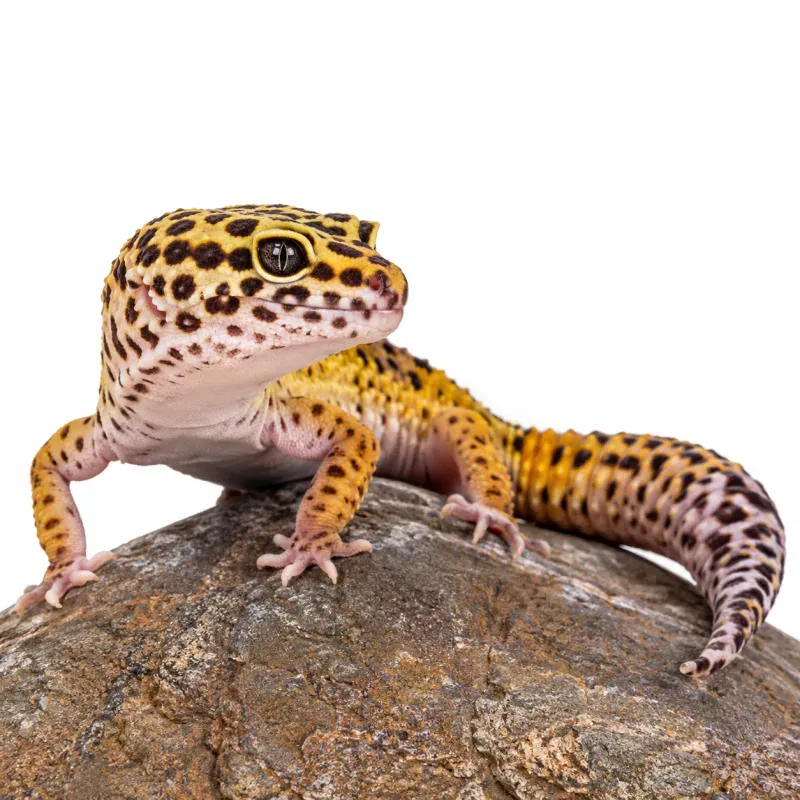
Leopard geckos are one of the most popular pet reptiles, known for their docile nature and striking patterns. A critical aspect of their care is the shedding process, which occurs regularly as they grow and maintain healthy skin. This comprehensive guide covers the complete shed cycle, how to set up a humidity box, solutions for stuck shed, and how to keep your gecko's toes healthy. Understanding and supporting proper shedding is essential for preventing health issues like retained skin, toe loss, and infections.
Understanding the Leopard Gecko Shed Cycle
Leopard geckos shed their skin every 4–6 weeks as adults, and more frequently (every 1–2 weeks) when they are young and growing rapidly. The shed cycle has three main phases: pre-shed, active shed, and post-shed.
Pre-Shed Phase
During this phase, your gecko's skin will appear dull, grayish, or cloudy. The eyes may look opaque or blueish. Your gecko may become less active, hide more, and eat less. This phase lasts 3–5 days. Do not handle your gecko during this time as the skin is delicate and the gecko is stressed.
Active Shed Phase
Once the old skin loosens, the gecko will begin to rub against objects to peel it off. They typically eat the shed skin to reclaim nutrients and avoid leaving traces for predators. This process usually takes 24–48 hours. Ensure the enclosure has rough surfaces like rocks or driftwood to aid the process.
Post-Shed Phase
After shedding, your gecko will appear bright and vibrant. Inspect the skin for any retained pieces, especially around toes, eyes, and vent. Offer food and water, and resume normal handling after 24 hours.
Humidity Box Setup
A humidity box (or moist hide) is essential for leopard geckos to shed properly. It provides a microclimate of higher humidity that helps loosen old skin.
Materials Needed
- A plastic container with a lid (e.g., a small Tupperware) – large enough for your gecko to enter and turn around
- Sphagnum moss, vermiculite, or paper towels – as substrate
- Water spray bottle
- Scissors or knife to cut an entrance hole
Step-by-Step Setup
- Cut a 2–3 inch hole in the lid or side of the container. Smooth edges with sandpaper to prevent injury.
- Fill the container with damp substrate – moist but not soaking wet. Squeeze out excess water so it's just damp.
- Place the hide in the warm end of the enclosure, near the heat source but not directly on it.
- Mist the substrate every 2–3 days to maintain humidity. Replace substrate weekly to prevent mold.
- Monitor humidity inside the hide with a digital hygrometer; aim for 70–80%.
Comparison of Humidity Box Substrates
| Substrate | Pros | Cons | Best For |
|---|---|---|---|
| Sphagnum moss | Excellent moisture retention, natural | Can harbor bacteria if not replaced | General use |
| Vermiculite | Holds moisture well, sterile | Dusty, can be ingested | High humidity needs |
| Paper towels | Easy to clean, cheap | Dries quickly, less natural | Temporary or quarantine |
Stuck Shed Solutions
Stuck shed (dysecdysis) occurs when old skin fails to detach, often due to low humidity, dehydration, or lack of rough surfaces. Common areas include toes, tail tip, and around eyes.
Prevention
- Provide a humidity box at all times
- Mist the enclosure lightly if needed
- Ensure fresh water is always available
- Offer rough decor like slate, bark, or reptile carpet
Treatment for Stuck Shed
- Soak your gecko: Fill a shallow container with lukewarm water (85–90°F) to the level of the gecko's belly. Soak for 10–15 minutes, 1–2 times daily.
- Use a damp cotton swab: Gently roll the swab over stuck skin to loosen it. Never pull or force the skin off.
- Apply reptile-safe shedding aid: Products like Zoo Med Repti Shedding Aid can be sprayed on stuck areas. Follow label instructions.
- Increase humidity: Temporarily increase overall enclosure humidity to 50–60% by misting more often.
Warning: Never use tweezers, scissors, or human products like lotions or oils. If stuck shed persists, consult a veterinarian.
Toe Health and Retained Shed
Retained shed on toes can constrict blood flow, leading to necrosis and toe loss. Check your gecko's toes after every shed.
How to Inspect Toes
Gently hold your gecko and examine each toe for any skin rings. Look for discoloration, swelling, or missing nails. Use a magnifying glass if needed.
Removing Retained Shed from Toes
- Soak the gecko's feet in lukewarm water for 10 minutes.
- Use a damp cotton swab to gently roll the skin off. If it doesn't come off easily, repeat soaking.
- For stubborn cases, apply a tiny amount of mineral oil or shedding aid to soften the skin.
- If the skin is tight and cutting off circulation, see a reptile vet immediately.
Preventing Toe Issues
- Maintain proper humidity (30–40% overall, 70–80% in the humid hide)
- Avoid loose substrates like sand that can stick to toes
- Provide a rough basking surface
- Keep the enclosure clean to prevent infections
Common Health Issues Related to Shedding
Improper shedding can lead to several health problems:
- Dysecdysis: General term for abnormal shedding. Causes include low humidity, malnutrition, or parasites.
- Toe necrosis: Death of toe tissue due to constriction from retained skin. Requires veterinary amputation.
- Eye problems: Retained skin around eyes can cause irritation, infection, or blindness. Use a damp cotton swab carefully, or see a vet.
- Tail loss: Stress during shedding can trigger tail autotomy (dropping). Handle gently and never grab the tail.
If your gecko has repeated shedding problems, check your husbandry: humidity, temperature gradient (warm side 88–92°F, cool side 75–80°F), and diet (calcium and vitamin D3 supplementation).
Pitfalls to Watch For
- Peeling skin manually: Never pull off shed skin; this damages the new skin underneath.
- Ignoring humidity: Many owners focus only on heat and forget humidity. A humidity box is not optional.
- Using wet substrate in the whole enclosure: This can cause respiratory infections. Only the humid hide should be damp.
- Over-misting: Too much moisture can lead to scale rot and mold growth. Spot-mist only as needed.
- Handling during shed: Avoid handling your gecko when it is in pre-shed or actively shedding. The skin is fragile and the gecko is stressed.
- Feeding during shed: Your gecko may refuse food; this is normal. Offer food after shedding is complete.
Conclusion
Proper shedding is a sign of a healthy leopard gecko. By providing a humidity box, monitoring humidity levels, and checking for stuck shed after each cycle, you can prevent most shedding problems. Pay special attention to toes and eyes, as retained skin in these areas can lead to serious health issues. With the right setup and care, your leopard gecko will shed smoothly and remain vibrant and active for years to come. For persistent problems, always consult a reptile veterinarian.
Related Reading
Check optimal temps, calculate feeding, and find your perfect species match.
References
- de Vosjoli, P. (2013). The Leopard Gecko Manual. Advanced Vivarium Systems.
- Browne, R. K. (2019). Reptile Medicine and Surgery. Elsevier.
- McArthur, S. (2015). Reptile Care: A Practical Guide. Blackwell Publishing.
- Zoo Med Laboratories. (2021). Repti Shedding Aid Product Information.
🐾 Join the Community
See how other keepers set up their enclosures, ask questions, and share your experience.
🛠️ Apply What You Learned
Check optimal temps, calculate feeding schedules, and get calcium dosage — all personalized for your species.
Comments
No account needed — corrections, updates and questions are all welcome. For a full question with photos, the community Q&A is the better place.