Leopard Gecko Breeding: Incubation & Hatchlings
Introduction
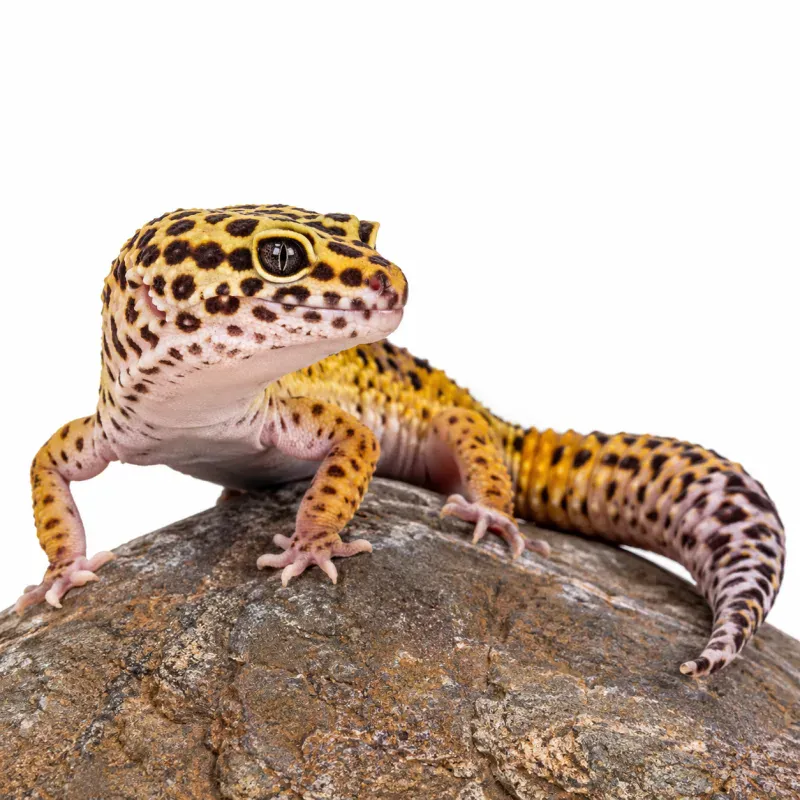
Breeding leopard geckos (Eublepharis macularius) is a rewarding endeavor that requires careful planning, knowledge of genetics, and precise husbandry. This guide covers every stage—from selecting healthy breeders to raising hatchlings—with evidence-based advice to ensure success. Whether you're a beginner or experienced herpetoculturist, these protocols will help you produce robust offspring while maintaining the health of your adult geckos.
Pre-Breeding Preparation
Health Assessment and Quarantine
Before pairing, ensure all geckos are in optimal health. A pre-breeding veterinary check is recommended. Quarantine new animals for at least 30–60 days to prevent disease transmission. Look for signs of metabolic bone disease (MBD), parasites, or respiratory infections. Only breed geckos that are at least 18 months old and weigh a minimum of 50 grams; smaller females may suffer egg-binding (dystocia).
Brumation (Cooling Period)
Leopard geckos require a brumation period to stimulate reproductive behavior. Reduce photoperiod to 8–10 hours of light and gradually lower ambient temperatures to 65–70°F (18–21°C) over 2–3 weeks. Maintain this for 4–8 weeks, providing water and occasional food (if they still eat). Then, gradually increase temperatures back to normal over 2 weeks. This cycle mimics seasonal changes and triggers ovulation in females.
Pairing and Mating
Selecting Breeders
Choose genetically diverse, unrelated animals to avoid inbreeding depression. Research morph genetics (e.g., recessive, dominant, polygenic) to predict offspring outcomes. Document lineage and morphs for record-keeping. Females should be at least 50g and in good body condition; males should be similarly sized and healthy.
Introduction Protocol
Introduce the male into the female’s enclosure (never the reverse) during the evening when both are active. Supervise the interaction; mating usually involves the male biting the female’s neck and aligning his tail under hers. Copulation can last several minutes. Remove the male after one or two successful matings to prevent stress. Repeat introductions every 2–3 days for 2–3 weeks.
Signs of Successful Mating
Look for a “mating plug” (a waxy secretion) in the female’s vent, which indicates copulation occurred. Females may also show increased appetite and weight gain. Some may reject the male initially; if aggression occurs, separate and try again later.
Egg Laying and Incubation
Gravid Female Care
After mating, provide a lay box (a plastic container with a 2–3 inch layer of moist vermiculite or perlite, with a small entrance hole). Maintain humidity at 70–80% inside the box. The female will dig and deposit eggs 16–22 days after mating. She may lay up to 2–3 clutches per season, each with 1–2 eggs.
Egg Collection and Handling
Gently remove eggs without rotating them; the embryo attaches to the top and rotation can kill it. Mark the top with a non-toxic marker. Place eggs in an incubation container with moistened vermiculite (ratio 1:1 by weight water to substrate). Bury eggs halfway, leaving the top exposed. Seal the container with small air holes for gas exchange.
Incubation Parameters
| Temperature | Sex Ratio | Incubation Time |
|---|---|---|
| 80–82°F (26.5–28°C) | Mostly females | 55–65 days |
| 84–86°F (29–30°C) | Mixed (50:50) | 45–55 days |
| 88–90°F (31–32°C) | Mostly males | 35–45 days |
Temperature-dependent sex determination (TSD) governs offspring sex. Avoid extremes above 92°F (33°C) to prevent deformities. Incubate at a constant temperature using a reliable thermostat. Check weekly for mold or desiccation; add water if vermiculite dries out.
Hatchling Care
Hatching Process
Hatchlings use an egg tooth to slit the egg and may take 24–48 hours to emerge fully. Do not assist unless the membrane dries around them. Move hatchlings to a separate enclosure (e.g., 5–10 gallon tank) with paper towel substrate to prevent impaction. Provide a moist hide (sphagnum moss) and a warm hide at 88–90°F (31–32°C).
First Feeding
Hatchlings typically refuse food for 3–5 days while absorbing yolk. Offer small mealworms or pinhead crickets dusted with calcium (without D3) every day. Ensure insects are no larger than the space between the gecko’s eyes. Provide a shallow water dish. Monitor for proper shedding; low humidity can cause stuck shed on toes and tail.
Growth and Housing
Separate hatchlings to prevent bullying. Feed daily for the first 3 months, then every other day. Target weight gain of 1–2 grams per week. At 15–20 grams, they can be moved to larger enclosures. Juveniles can be housed together if same size, but watch for aggression.
Morph Genetics
Basic Inheritance Patterns
Leopard gecko morphs follow simple Mendelian genetics. Recessive traits (e.g., albino strains, blizzard) require both parents to carry the gene. Dominant traits (e.g., Mack snow) need only one parent. Co-dominant traits (e.g., giant) show intermediate expression. Use Punnett squares to predict offspring genotypes.
Common Morphs and Breeding Strategies
- Albino: Three strains (Tremper, Rainwater, Bell) are incompatible; never cross them.
- Mack Snow: Dominant; super form (two copies) is white with dark eyes.
- Enigma: Dominant but linked to neurological issues (head tilt, circling). Avoid breeding Enigma to Enigma.
- RAPTOR: Combination of recessive eclipse + albino + patternless.
- Lemon Frost: Polygenic; produces bright yellow color.
Keep detailed records of pairings and results to refine your breeding program. Ethical breeding means avoiding known health issues (e.g., enigma syndrome, microphthalmia).
Common Health Issues
Egg Binding (Dystocia)
Signs include lethargy, straining, and lack of appetite. Causes: underweight female, improper lay box, or calcium deficiency. Treatment: warm baths, gentle massage, or veterinary intervention (oxytocin injection). Prevention: ensure female is ≥50g and provide adequate calcium.
Metabolic Bone Disease (MBD)
Soft jaw, tremors, and kinked tail. Caused by calcium deficiency or improper UVB supplementation. Provide calcium powder with D3 and UVB lighting (if using). Dust insects daily for breeding females and hatchlings.
Respiratory Infections
Wheezing, nasal discharge, open-mouth breathing. Often due to low temperatures or high humidity. Treat with vet-prescribed antibiotics and correct environmental parameters.
The Most Common Problems
- Breeding too young: Wait until 18 months and 50g.
- Poor incubation humidity: Leads to egg collapse or mold. Keep vermiculite moist but not wet.
- Rotating eggs: Always mark the top and handle gently.
- Overcrowding hatchlings: Use separate tubs to prevent stress and cannibalism.
- Ignoring genetics: Crossing incompatible albino strains produces normal offspring but wastes resources.
- Skipping brumation: Reduces fertility and egg quality.
Conclusion
Breeding leopard geckos is a fulfilling pursuit that deepens your understanding of reptile biology and genetics. By following these protocols—from brumation to hatchling care—you can produce healthy, vibrant offspring while preserving the well-being of your breeders. Always prioritize ethical practices, maintain thorough records, and continue learning. With patience and dedication, you’ll become a skilled breeder in no time.
Related Reading
- Leopard Gecko Care Guide
- Leopard Gecko Morphs: 20+ Colors & Patterns
- Leopard Gecko Genetics & Morph Breeding
- Health & Vitamin Guide
Check optimal temps, calculate feeding, and find your perfect species match.
References
- De Vosjoli, P. (2004). The Leopard Gecko Manual. Advanced Vivarium Systems.
- Barten, S. L. (2018). Reptile Medicine and Surgery in Clinical Practice. Wiley.
- Raiti, P. (2012). Leopard Gecko Breeding: A Complete Guide. CreateSpace.
- Mader, D. R. (2006). Reptile Medicine and Surgery. Saunders.
🐾 Join the Community
See how other keepers set up their enclosures, ask questions, and share your experience.
🛠️ Apply What You Learned
Check optimal temps, calculate feeding schedules, and get calcium dosage — all personalized for your species.
Comments