Ball Python Feeding Guide: Prey Size, Schedule & Tips
Why Feeding Schedules Matter
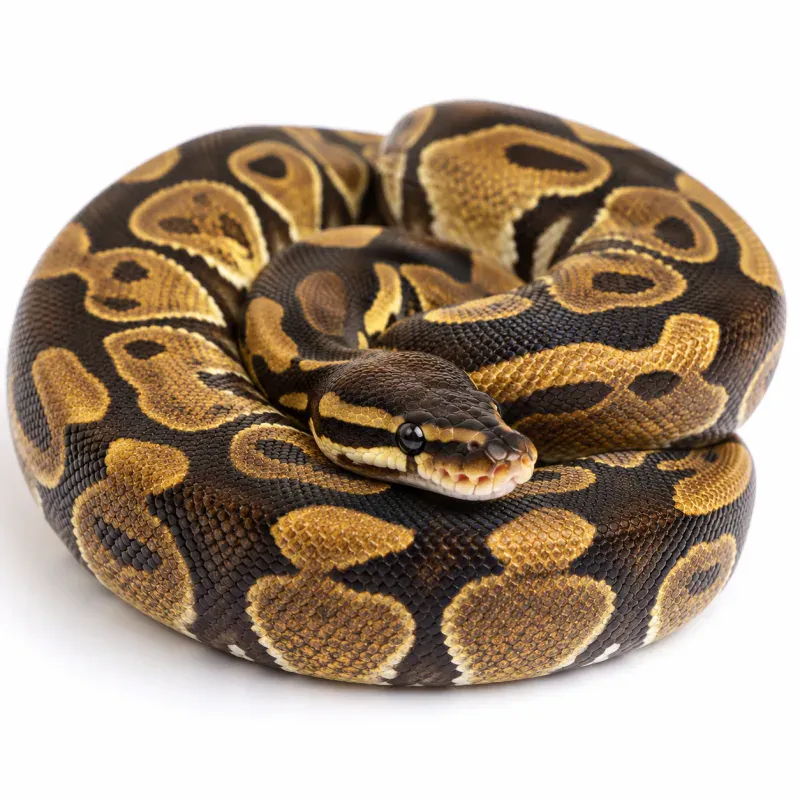
Ball pythons (Python regius) are opportunistic feeders in the wild, but in captivity, a consistent feeding schedule is essential for their health and longevity. Overfeeding can lead to obesity, fatty liver disease, and a shortened lifespan, while underfeeding causes malnutrition, stunted growth, and a weakened immune system. A proper schedule also helps regulate your snake's metabolism, reduces stress, and prevents regurgitation—a common issue when snakes are handled too soon after eating. By mimicking natural feeding patterns, you support your ball python's digestive health and behavioral well-being, making feeding time predictable for both you and your pet.
Prey Size by Weight and Length
Choosing the right prey size is critical. The general rule is to feed a prey item that is roughly the same width as the thickest part of your snake's body. For a more precise approach, use the weight-based method:
- Juveniles under 100g: Feed 1-2 day-old pinky mice (2-4g) or rat pinkies (3-5g).
- Juveniles 100-200g: Feed fuzzy mice (5-8g) or rat pups (10-15g).
- Sub-adults 200-350g: Feed hopper mice (8-12g) or weaned rats (15-25g).
- Adults 350-500g: Feed adult mice (12-20g) or small rats (25-40g).
- Large adults 500-800g: Feed medium rats (40-60g) or two small rats if needed.
- Breeding females over 800g: Feed large rats (60-80g) but adjust frequency to avoid obesity.
To measure correctly, use a kitchen scale to weigh both your snake and the prey. A good rule of thumb is that the prey should be 10-15% of your snake's body weight for juveniles, and 5-10% for adults. For example, a 500g adult should eat a 25-50g rat. If the prey is too large, it can cause regurgitation or injury; too small, and your snake won't get enough nutrients.
Age-Based Feeding Schedule
Ball pythons grow rapidly in their first year, so their feeding frequency changes as they age:
- Hatchlings (0-6 months): Feed every 5-7 days. Their metabolism is high, and they need frequent protein for growth.
- Juveniles (6-12 months): Feed every 7-10 days. Growth slows slightly, but they still need regular meals.
- Sub-adults (1-3 years): Feed every 10-14 days. Once they reach 2-3 feet, you can reduce frequency.
- Adults (3+ years): Feed every 2-3 weeks. Adult ball pythons are prone to obesity, so less frequent feeding is better.
Always adjust based on body condition. A healthy ball python should have a rounded body without visible ribs or spine, but not so round that the spine is hidden in fat. If your snake is gaining too much weight, extend the interval by a few days; if it's losing weight, shorten it.
Step-by-Step Feeding Procedure
Follow this routine for a safe, stress-free feeding experience:
- Prepare the prey: Thaw frozen prey in the refrigerator overnight or in a sealed bag in warm water (never microwave). Warm the prey to about 100°F (38°C) before offering.
- Gather tools: Have long feeding tongs and a clean feeding dish or paper towel ready.
- Position the prey: Place the prey on the feeding dish or paper towel inside the enclosure. If using tongs, grasp the prey by the tail or hindquarters.
- Offer the prey: Gently wiggle the prey to simulate movement. Some snakes prefer a still target, so adjust based on your snake's response.
- Wait for the strike: Allow your snake to strike and constrict. Do not pull the prey away; let your snake finish constricting.
- Release and leave alone: Once your snake has secured the prey, release it from the tongs and leave the enclosure. Do not handle for at least 24-48 hours.
- Clean up: After your snake has swallowed, remove any leftover substrate or debris. If your snake didn't eat, remove the prey after 30-60 minutes to avoid spoilage.
Frozen vs. Live Prey
Most experts recommend frozen-thawed prey for safety and convenience. Live prey can bite and injure your snake, and they may carry parasites or diseases. Frozen prey is also more humane for the rodent and easier to store. Here’s a breakdown:
- Frozen-thawed: Thaw the prey in the refrigerator overnight or in a sealed bag in warm water (never microwave). The prey should be warmed to about 100°F (38°C) before offering, as ball pythons use heat sensors to locate food. This method is safer and reduces the risk of injury.
- Live prey: Only use live prey if your snake refuses frozen-thawed (see troubleshooting below). If you must use live, never leave the prey unattended with the snake, and always supervise to prevent bites. Choose pre-killed or stunned prey to minimize risk.
Transitioning from live to frozen-thawed can take patience. Start by offering freshly killed prey (humanely euthanized) to mimic live movement, then gradually switch to frozen-thawed. Some snakes are picky, so you may need to try different techniques like braining (piercing the skull to release scent) or scenting with chicken broth.
Prey Size Comparison Table
Use this quick reference to match your snake's weight to the appropriate prey size:
| Snake Weight | Prey Type | Prey Weight | Feeding Frequency |
|---|---|---|---|
| Under 100g | Pinky mouse or rat pinky | 2-5g | Every 5-7 days |
| 100-200g | Fuzzy mouse or rat pup | 5-15g | Every 7-10 days |
| 200-350g | Hopper mouse or weaned rat | 8-25g | Every 7-10 days |
| 350-500g | Adult mouse or small rat | 12-40g | Every 10-14 days |
| 500-800g | Medium rat or two small rats | 40-60g (or two 25-40g) | Every 2-3 weeks |
| Over 800g | Large rat | 60-80g | Every 2-3 weeks |
Always weigh your snake regularly to ensure you're offering the correct prey size. Adjust based on body condition, not just age.
How to Feed Safely
Feeding time should be stress-free for both you and your snake. Follow these steps:
- Use tongs: Always offer prey with long feeding tongs to avoid accidental bites. Ball pythons can mistake your hand for food, especially when hungry.
- Feed in the enclosure: Contrary to old advice, feeding in a separate tub can cause stress and regurgitation. Feeding in the home enclosure is fine as long as the substrate is not ingested. Use a towel or plate if needed.
- Offer the prey head-first: This mimics natural swallowing and reduces the chance of the prey's limbs getting caught.
- Handle the prey with tongs: Gently wiggle the prey to simulate movement, but don't overdo it—some snakes prefer a still target.
- Give privacy: After your snake strikes and constricts, leave it alone. Do not handle for at least 24-48 hours after feeding to prevent regurgitation.
- Check for substrate ingestion: If your snake accidentally eats substrate, it can cause impaction. Use a feeding dish or place a paper towel under the prey.
Common Feeding Problems
Ball pythons are notorious for going off feed, especially during the winter breeding season. Here are common issues and solutions:
- Refusal to eat: This is normal in winter or during shedding. If your snake refuses, wait a week and try again. Check that temperatures and humidity are correct (88-92°F warm side, 75-80°F cool side, 60-70% humidity).
- Prey too large: If the prey is too big, your snake may strike but then refuse. Offer a smaller size.
- Prey too cold: If the prey isn't warm enough, your snake may not detect it. Reheat to 100°F.
- Stress: New environments, excessive handling, or loud noises can cause fasting. Give your snake time to settle.
- Illness: If your snake loses weight, has mucus, or shows lethargy, consult a vet. Refusal can be a sign of respiratory infection or parasites.
For a prolonged fast (over 2 months in adults), check husbandry first, then consider offering a different prey type (e.g., mouse instead of rat). Never force-feed unless advised by a vet.
Troubleshooting Feeding Refusals
If your ball python refuses food, work through this checklist to identify the cause:
- Check temperatures: Ensure the warm side is 88-92°F and the cool side is 75-80°F. Incorrect temperatures can suppress appetite.
- Check humidity: Maintain 60-70% humidity. Low humidity can cause dehydration and shedding issues.
- Inspect for shedding: Cloudy eyes or dull skin indicate an upcoming shed. Wait until the shed is complete.
- Evaluate prey size: If the prey is too large, offer a smaller size. Use the weight-based guidelines.
- Review handling: Excessive handling can stress your snake. Limit handling to a few minutes a day, especially around feeding time.
- Consider seasonal fasting: During winter, many ball pythons naturally fast for 1-3 months. Monitor weight; if loss exceeds 10%, consult a vet.
If your snake refuses for more than 2 months, try offering a different prey type (e.g., mouse instead of rat) or scenting the prey with chicken broth. Never force-feed unless a vet advises it.
Seasonal Changes
In the wild, ball pythons experience dry and wet seasons that affect food availability. In captivity, you may notice reduced appetite during winter months, even if temperatures are constant. This is natural—many keepers report their snakes fast for 1-3 months during winter. Don't panic; as long as your snake isn't losing significant weight (over 10% of body weight), it's fine. During this time, reduce feeding frequency or stop offering food for a few weeks, then resume. In spring, appetite typically returns with a vengeance. Adjust your schedule accordingly, but always monitor body condition.
During shedding, your snake may also refuse food. Check for cloudy eyes and dull skin. Wait until the shed is complete before offering food again.
Cost Breakdown of Feeding
Understanding the cost of feeding helps you budget for your ball python's care. Prices vary by region and supplier, but here's a general guide based on typical retail prices:
| Prey Type | Average Cost per Item | Monthly Cost (based on schedule) |
|---|---|---|
| Pinky mouse (2-4g) | $0.50 - $1.00 | $4 - $8 (feeding every 5-7 days) |
| Fuzzy mouse (5-8g) | $1.00 - $1.50 | $4 - $6 (feeding every 7-10 days) |
| Hopper mouse (8-12g) | $1.50 - $2.00 | $4 - $6 |
| Adult mouse (12-20g) | $2.00 - $3.00 | $4 - $6 (feeding every 10-14 days) |
| Small rat (25-40g) | $3.00 - $4.00 | $6 - $8 (feeding every 2-3 weeks) |
| Medium rat (40-60g) | $4.00 - $5.00 | $8 - $10 |
| Large rat (60-80g) | $5.00 - $6.00 | $10 - $12 |
Buying in bulk from online suppliers often reduces per-item costs. Frozen prey can be stored for months, so purchasing in quantity is economical. Always ensure your supplier is reputable to guarantee prey quality.
Common Mistakes to Avoid
Even experienced keepers make feeding errors. Here are pitfalls to steer clear of:
- Feeding too frequently: Overfeeding leads to obesity. Stick to the age-based schedule and adjust based on body condition.
- Offering prey that's too large: This can cause regurgitation or injury. Use the 10-15% body weight rule for juveniles and 5-10% for adults.
- Handling too soon after feeding: Wait at least 24-48 hours to prevent regurgitation.
- Using live prey unsupervised: Live rodents can bite your snake. Always supervise if you must use live prey.
- Ignoring temperature and humidity: Incorrect husbandry can cause feeding refusals and digestive issues. Keep warm side at 88-92°F, cool side at 75-80°F, and humidity at 60-70%.
- Feeding in a separate tub: This can stress your snake and increase regurgitation risk. Feed in the home enclosure.
- Microwaving frozen prey: This can cook the prey and create hot spots. Thaw in the refrigerator or warm water.
By avoiding these mistakes, you'll maintain a healthy feeding routine and a happy ball python.
Frequently Asked Questions
What size prey should I feed my baby ball python?
For a hatchling under 100g, feed 1-2 day old pinky mice (2-4g) or rat pinkies (3-5g) every 5-7 days. As it grows, increase prey size to match the width of its body.
How often should I feed an adult ball python?
Adult ball pythons (3+ years) should be fed every 2-3 weeks. Overfeeding adults can lead to obesity and health problems.
Is it okay to feed live prey?
Live prey is not recommended because it can injure your snake and may carry diseases. If you must use live, always supervise and consider pre-killed prey to reduce risk.
My ball python hasn't eaten in a month; should I worry?
It's normal for ball pythons to fast during winter or shedding. As long as your snake isn't losing more than 10% of its body weight and shows no signs of illness, wait and try again in a week. Check your husbandry parameters first.
How do I switch my ball python from live to frozen-thawed prey?
Start by offering freshly killed prey, then gradually transition to frozen-thawed. Warm the frozen prey to 100°F and try braining (piercing the skull) to enhance scent. Be patient; it may take several attempts.
What if my ball python regurgitates its meal?
Regurgitation is serious. Wait at least 2 weeks before feeding again, and ensure the prey size is appropriate and the enclosure is warm enough (88-92°F). If it happens repeatedly, consult a vet.
How can I tell if my ball python is overweight?
A healthy ball python has a rounded body without visible ribs or spine, but the spine should not be hidden in fat. If your snake appears overly round or has fat rolls, extend the feeding interval by a few days.
What should I do if my ball python strikes but misses the prey?
If your snake misses, leave the prey in the enclosure for a few minutes. Some snakes will strike again. If it doesn't, remove the prey and try again at the next scheduled feeding.
Can I feed my ball python two smaller prey items instead of one large?
Yes, for large adults (500-800g), you can feed two small rats if needed. However, offering two prey items can increase the risk of regurgitation if the snake is overfed. Monitor body condition closely.
Related Reading
- Ball Python Feeding Problems: Troubleshooting Guide — Troubleshoot refusal, regurgitation, and other feeding issues with practical solutions.
- Ball Python Care Guide: Husbandry, Feeding & Morphs — Get a complete overview of ball python care, covering husbandry and feeding basics.
- Ball Python Temperature Guide: Heat Gradient & Thermostat — Learn the correct heat gradient and thermostat setup to support healthy digestion.
- Ball Python Humidity Guide: Science-Based — Understand ideal humidity levels to prevent dehydration and aid shedding.
- Ball Python Enclosure Setup: PVC, Glass, and Tub Habitats — Discover the best enclosure types and setups for a thriving ball python.
- ball python breeding — feeding females up before the season.
Check optimal temps, calculate feeding, and find your perfect species match.
References
- McCurley, K. (2016). The Complete Ball Python. CreateSpace.
- Barker, D. G., & Barker, T. M. (2006). Ball Pythons: The History, Natural History, Care, and Breeding. VPI Library.
- de Vosjoli, P. (2004). The Ball Python Manual. Advanced Vivarium Systems.
🐾 Join the Community
See how other keepers set up their enclosures, ask questions, and share your experience.
🛠️ Apply What You Learned
Check optimal temps, calculate feeding schedules, and get calcium dosage — all personalized for your species.
Comments
No account needed — corrections, updates and questions are all welcome. For a full question with photos, the community Q&A is the better place.