Ball Python Humidity Guide: Science-Based
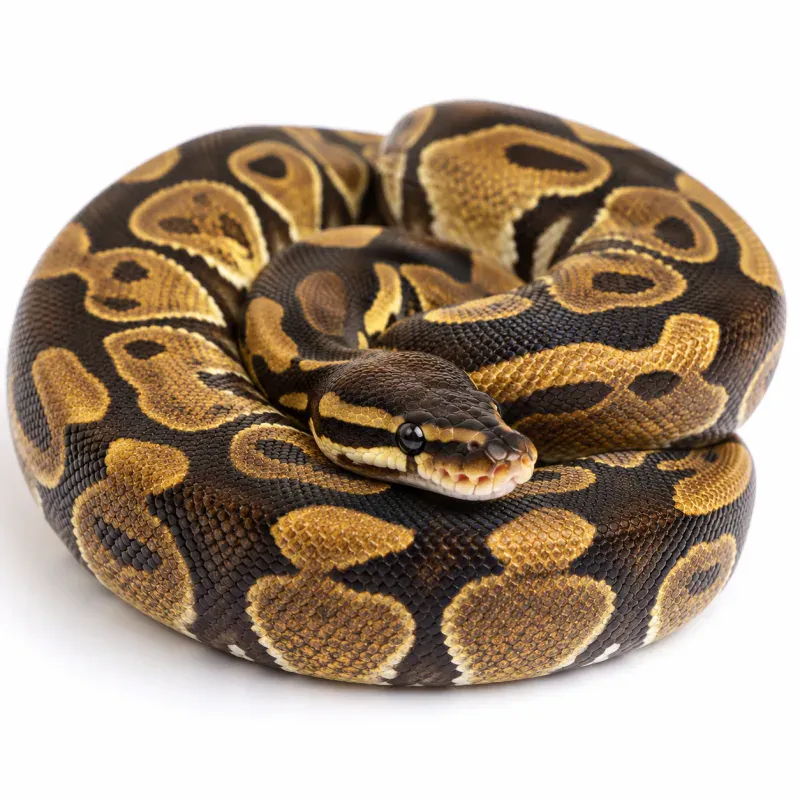
Ball pythons (Python regius) are one of the most popular pet snakes, yet humidity remains the most misunderstood and mishandled aspect of their care. This guide expands on the essentials—why humidity matters, target ranges, substrate choices, and more—with step-by-step instructions, troubleshooting, and expert tips to keep your snake healthy and thriving.
Why Humidity Matters
Ball pythons come from West and Central African grasslands where humidity naturally fluctuates between 50–80%. In captivity, low humidity is the #1 husbandry failure—causing dehydration, stuck sheds, retained eye caps, and respiratory infections. A ball python with wrinkled skin or dented eye caps is dehydrated. This is a husbandry issue, not a "bad shedder."
When humidity is too low, the snake's body loses moisture through respiration and skin, leading to systemic dehydration. This weakens the immune system, making them more susceptible to respiratory infections (RIs) and other illnesses. Conversely, sustained humidity above 80% can also cause problems, such as scale rot or bacterial infections, especially if the substrate remains wet and the enclosure lacks ventilation.
Understanding the natural habitat of ball pythons is key. They live in tropical grasslands and savannas, often near termite mounds and burrows that provide microclimates with higher humidity. These microclimates are essential for their survival, and replicating them in captivity is crucial for their well-being.
Target Ranges
| Condition | Humidity |
|---|---|
| Normal ambient | 50–60% |
| During shed | 70–80% |
| Danger zone (too low) | Below 45% |
| Too high (risk of RI) | Above 80% sustained |
Use a digital hygrometer at substrate level on the cool side. Analog dials are inaccurate and can be off by as much as 20%.
Monitoring humidity is not a set-and-forget task. You should check the hygrometer daily, especially during shedding cycles. Place the hygrometer on the cool side because the warm side will naturally have lower humidity due to heat evaporation. If you have a screen top, you'll need to cover part of it to retain moisture (see section on enclosure setup).
How to Measure Humidity Accurately
- Placement: Put the hygrometer at substrate level, not on the wall or near a heat source. The snake lives at the bottom, so that's where the humidity matters.
- Calibration: Digital hygrometers can be calibrated using the salt test. Place the sensor in a sealed container with a tablespoon of salt slightly moistened. After 6 hours, it should read 75%. Adjust accordingly.
- Multiple readings: If you have a large enclosure, consider two hygrometers—one on each side—to ensure even humidity.
Substrate Choices
Substrate is your primary tool for managing humidity. The right choice can make all the difference. Here's a detailed breakdown:
- Cypress mulch: Best all-around. Holds humidity, resists mold. It's a natural, moisture-retentive substrate that also allows for burrowing. Ideal for ball pythons.
- Coconut husk (ReptiChip): Excellent retention. Pre-soak to expand. It's a sustainable choice that holds moisture well and resists mold. It comes in chunks or fine fibers.
- Topsoil + sand (70/30): Bioactive-friendly. Holds burrows. This mix is great for bioactive setups, but ensure the topsoil is free of fertilizers and pesticides. It can hold humidity but also can become waterlogged if over-poured.
- Aspen: Poor choice—molds at ball python humidity levels. Aspen is too dry and will quickly mold when exposed to the moisture needed for ball pythons. Avoid it.
Substrate Depth and Maintenance
- Depth: Use at least 2–3 inches of substrate. Deeper substrate holds moisture longer and gives the snake a chance to burrow.
- Spot cleaning: Remove feces and urates immediately to prevent mold and bacteria.
- Full replacement: Replace substrate every 2–3 months, or sooner if it becomes foul. For bioactive setups, spot clean and replace top layer as needed.
Misting vs Pouring
Misting alone is insufficient. Spray the surface and it evaporates in hours. Pour water directly into substrate corners—the bottom stays moist, surface stays dry. Cover 80% of screen tops with HVAC tape or foil to trap moisture.
Pouring is the most effective method because it creates a moisture gradient. The bottom layers of substrate stay damp, slowly releasing humidity over days, while the surface remains dry, preventing scale rot and bacterial growth. Misting can be used as a supplement, especially during shedding, but it should never be your primary method.
Step-by-Step Pouring Technique
- Fill a watering can or large cup with dechlorinated water at room temperature.
- Pour water into the corners of the enclosure, away from the hides and water dish. Use about 1–2 cups for a 40-gallon tank, adjusting based on your enclosure size and substrate depth.
- Wait 30 minutes and check the hygrometer. If humidity is still low, pour a little more.
- Repeat as needed, usually every 3–7 days depending on your enclosure and ambient conditions.
Covering Screen Tops
- HVAC tape: Cut pieces to cover the screen, leaving a small gap for ventilation. This is the most common and effective method.
- Aluminum foil: Wrap the foil around the screen edges or tape it down. It's easy to remove and replace.
- Glass or acrylic: For a more permanent solution, you can use a sheet of glass or acrylic cut to fit, but ensure there's still some airflow to prevent stagnant air.
Covering 80% of the screen top is a good rule of thumb, but you may need to adjust based on your ambient humidity. In very dry climates, cover more; in humid climates, less.
Humid Hide Setup
Provide a humid hide at all times—enclosed cave with damp sphagnum moss, placed on warm side. Refresh moss weekly. A humid hide alone can solve most shedding problems.
A humid hide is a small, enclosed container with a single entrance, filled with damp sphagnum moss. It creates a microclimate with 70–80% humidity, allowing the snake to choose when it needs extra moisture. This is especially important during shedding.
How to Create a Humid Hide
- Choose a container: A plastic deli cup, Tupperware, or commercial hide with a hole cut in the lid or side. It should be just large enough for the snake to curl up in.
- Add sphagnum moss: Soak the moss in water, then squeeze out excess until it's damp but not dripping. Fill the hide loosely.
- Place on the warm side: The warm side helps evaporate moisture, raising humidity inside the hide.
- Maintain: Check the moss every few days and mist or re-soak as needed. Replace the moss weekly to prevent mold.
Some keepers prefer to use a humid hide only during shedding, but providing it at all times is harmless and beneficial. The snake will use it as needed.
Enclosure Setup for Humidity Control
Your enclosure type and setup play a huge role in humidity retention. Here's how to optimize different setups:
Glass Tanks with Screen Tops
- Pros: Inexpensive, easy to see your snake.
- Cons: Lose humidity quickly; need to cover screen.
- Solution: Cover 80% of the screen with HVAC tape or foil. Use a deep substrate (3–4 inches) and pour water into corners.
PVC Enclosures
- Pros: Excellent humidity retention, easy to heat.
- Cons: More expensive.
- Solution: You may need to vent slightly to avoid excess humidity. Use a hygrometer to monitor and adjust.
Tub Enclosures
- Pros: Great humidity retention, cheap, easy to clean.
- Cons: Less aesthetically pleasing, need to ensure proper ventilation.
- Solution: Drill small holes for airflow. Monitor humidity; you may need to mist less frequently.
Regardless of enclosure, always place the water dish on the cool side to avoid raising ambient humidity excessively on the warm side, which could cause respiratory issues.
Signs of Dehydration
- Wrinkled skin: Pinch gently—if it doesn't snap back, dehydrated.
- Dented eye caps: Should be smooth and flush.
- Stuck shed: Flaking in pieces rather than one whole piece.
- Fix: Increase humidity immediately. Provide humidity box. Fix enclosure, not just the snake.
Dehydration is a serious issue that can lead to long-term health problems. If you notice any of these signs, act quickly.
Immediate Steps to Rehydrate
- Place the snake in a humid hide with damp sphagnum moss as described above.
- Increase overall enclosure humidity by pouring water into the substrate and covering more of the screen top.
- Offer a shallow water dish for soaking. Some snakes will soak when dehydrated.
- Monitor closely for the next 24–48 hours. If the snake doesn't improve, consult a reptile vet.
Remember, dehydration is often a symptom of an incorrect environment. Fix the root cause, not just the symptom.
Troubleshooting Common Humidity Problems
Humidity Too Low (Below 45%)
- Symptoms: Wrinkled skin, stuck shed, lethargy.
- Solutions:
- Cover more of the screen top.
- Use a deeper substrate layer.
- Pour water more frequently or increase the amount.
- Add a humid hide.
- Move to a PVC enclosure or tub.
Humidity Too High (Above 80% Sustained)
- Symptoms: Condensation on glass, wet substrate surface, mold growth, respiratory issues.
- Solutions:
- Reduce the amount of water poured.
- Open up ventilation (remove some tape/foil).
- Use a substrate that drains better, like cypress mulch or coconut husk.
- Ensure the warm side is warm enough to promote evaporation.
Fluctuating Humidity
- Cause: Often due to ambient room humidity changes or heating cycles.
- Solution: Use a hygrometer to monitor, and adjust your pouring schedule. A humid hide can buffer fluctuations.
Mold Growth
- Cause: Overly wet substrate or poor ventilation.
- Solution: Remove moldy substrate, increase ventilation, and reduce water. Consider switching to a more mold-resistant substrate like cypress mulch.
Seasonal Humidity Adjustments
Ball pythons experience natural seasonal changes in humidity in the wild. While you don't need to replicate the dry season exactly, adjusting your care can promote natural behaviors and health.
Winter/Dry Season
- Challenge: Indoor heating reduces humidity significantly.
- Solution: Increase pouring frequency, cover more of the screen, and consider using a room humidifier near the enclosure.
Summer/Humid Season
- Challenge: Humidity may be naturally high, risking excess.
- Solution: Monitor closely and reduce pouring. Increase ventilation if needed.
Always base your decisions on the hygrometer readings, not just the season.
Common Mistakes to Avoid
- Mistake 1: Relying solely on misting. Misting raises surface humidity briefly but doesn't provide lasting moisture. Use pouring.
- Mistake 2: Using analog hygrometers. They are inaccurate and can lead to incorrect adjustments. Invest in a digital one.
- Mistake 3: Not having a humid hide. Even if ambient humidity is fine, a humid hide is essential for shedding and hydration.
- Mistake 4: Over-wetting substrate. This can cause scale rot and mold. The surface should be dry, the bottom moist.
- Mistake 5: Ignoring the cool side. Humidity should be measured on the cool side, not the warm side.
- Mistake 6: Not adjusting for enclosure type. Glass tanks need more work than PVC or tubs.
Frequently Asked Questions
What is the ideal humidity for a ball python?
The ideal ambient humidity is 50–60% normally, and 70–80% during shedding. Avoid sustained levels above 80% to prevent respiratory infections, and never let it drop below 45%.
How do I raise humidity quickly?
Pour water into the substrate corners, cover more of the screen top with HVAC tape or foil, and provide a humid hide with damp sphagnum moss. These actions will raise humidity within 30 minutes to a few hours.
Can I use a humidifier for my ball python?
Yes, a cool-mist room humidifier placed near the enclosure can help raise ambient humidity, especially in dry climates. However, ensure it doesn't cause condensation or wet substrate, and monitor with a hygrometer.
How often should I pour water into the substrate?
There's no set schedule—it depends on your enclosure, substrate, and ambient conditions. Check the hygrometer daily and pour when humidity drops below 50%. Typically, this might be every 3–7 days. Always pour in corners to keep the surface dry.
Related Reading
Check optimal temps, calculate feeding, and find your perfect species match.
References
- Barker, D. G., & Barker, T. M. (2015). Ball Pythons: The History, Natural History, Care, and Breeding. VPI Library.
- McCurley, K. (2017). The Complete Ball Python: A Comprehensive Guide to Care, Breeding, and Genetic Mutations. Eco Publishing.
- Rossi, J. V., & Rossi, R. (2012). What's Wrong with My Snake? Advanced Vivarium Systems.
🐾 Join the Community
See how other keepers set up their enclosures, ask questions, and share your experience.
🛠️ Apply What You Learned
Check optimal temps, calculate feeding schedules, and get calcium dosage — all personalized for your species.
Comments