Ball Python Shedding: Humidity & Stuck Shed Fix
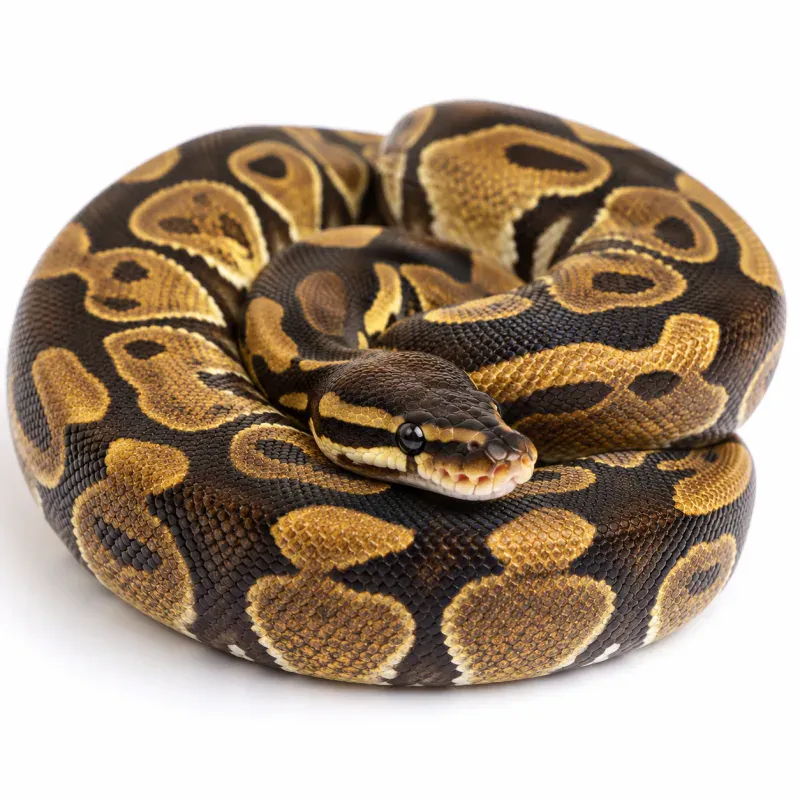
Overview: Why Shedding Matters for Your Ball Python
A perfect shed is a hallmark of a healthy ball python. In the wild, these snakes shed their skin regularly to grow and remove parasites. In captivity, a complete, one-piece shed signals proper husbandry—especially humidity and hydration. This guide covers the entire shed cycle, from pre-shed signs to post-shed care, with actionable tips for preventing and treating stuck sheds.
Shedding (ecdysis) is a natural process that occurs throughout a ball python's life. Juveniles shed more frequently due to rapid growth, while adults shed less often. The frequency can range from every 4 weeks in young snakes to every 12 weeks in mature adults. Factors such as feeding frequency, temperature, and overall health influence the timing.
Understanding the shedding process is essential for every ball python keeper. A stuck shed, also known as dysecdysis, is one of the most common health issues in captive ball pythons. It can lead to serious problems like constricted blood flow in the tail tip, eye infections from retained eye caps, and secondary bacterial infections. By learning the signs and providing the right environment, you can ensure your snake sheds smoothly and healthily.
This guide is structured to walk you through the entire shedding journey: the phases, humidity management, building a humid hide, safe removal of stuck shed, prevention, troubleshooting, and when to seek veterinary help. Whether you are a first-time owner or a seasoned breeder, you'll find practical, step-by-step advice to keep your ball python's skin in top condition.
The Ball Python Shed Cycle: What to Expect
The shedding process, or ecdysis, occurs every 4–8 weeks in juveniles and every 8–12 weeks in adults. It has four distinct phases:
Phase 1: Pre-Shed (1–2 weeks before)
Your ball python's eyes will turn a cloudy blue-gray (opaque), and the skin will appear dull. This is due to fluid buildup between the old and new skin layers. The snake may become reclusive, refuse food, and spend more time in its hide. During this phase, the snake's eyesight is impaired, so it may be more defensive. Avoid handling to reduce stress.
- Signs: Cloudy eyes, dull skin, reduced activity, hiding more, possible loss of appetite.
- Duration: Typically lasts 4–7 days.
- Action: Begin increasing humidity to 70–80%. Provide a humid hide. Do not feed if the snake refuses; wait until after shedding.
Phase 2: Clearing (3–5 days before shed)
The eyes return to normal, but the body color remains dull. The snake may rub its nose against surfaces to loosen the skin. This is a sign that the new skin is ready. The fluid between the layers has been reabsorbed, and the old skin is starting to separate.
- Signs: Eyes clear, body still dull, increased rubbing behavior.
- Duration: 3–5 days.
- Action: Maintain high humidity. Ensure there are rough surfaces like branches or rocks for the snake to rub against. Do not handle unless necessary.
Phase 3: Shedding (24–48 hours)
The snake creates a tear near the snout and works its way out of the old skin, often aided by rubbing against rough surfaces. A healthy shed comes off in one piece, inside out. The snake may appear active and restless during this time. It may also soak in its water bowl to help loosen the skin.
- Signs: Visible peeling, snake moving through enclosure, possibly soaking.
- Duration: 24–48 hours, but the actual shedding event may take only a few minutes once the tear is made.
- Action: Do not disturb. Check the enclosure for the shed skin afterward. Remove the old skin promptly to inspect for completeness.
Phase 4: Post-Shed
The new skin is vibrant and clear. Your snake may be thirsty and hungry. Wait 24–48 hours before feeding. This allows the snake to fully recover and reduces the risk of regurgitation. Check the shed skin to ensure it includes eye caps and the tail tip. If any part is missing, your snake may have retained skin.
- Signs: Bright, clear skin, active behavior, interest in food.
- Action: Offer fresh water. Wait 24–48 hours before offering food. Inspect the shed skin and the snake's body for any retained pieces.
Humidity Requirements for Perfect Sheds
Humidity is the single most critical factor for successful shedding. Ball pythons require 50–60% humidity normally, but during shedding, raise it to 70–80%. Low humidity is the leading cause of stuck shed, so maintaining proper levels is non-negotiable.
How to Maintain Proper Humidity
- Use a digital hygrometer placed at substrate level (not on the wall). Analog hygrometers are often inaccurate. Digital ones with a probe are best.
- Choose the right substrate: Cypress mulch, coconut husk, or sphagnum moss retain moisture better than aspen or paper towels. Avoid pine or cedar, which are toxic.
- Mist the enclosure 1–2 times daily during shed, focusing on the warm side and hide. Use a spray bottle with dechlorinated water.
- Pour water into corners of the substrate to create a humid microclimate without soaking the surface. This prevents scale rot from wet substrate on the surface.
- Cover part of the screen top with HVAC tape or a glass panel to reduce ventilation. Leave a small gap for airflow to prevent respiratory issues.
- Use a larger water bowl on the warm side; evaporation increases humidity naturally.
Humidity Troubleshooting
| Problem | Cause | Solution |
|---|---|---|
| Low humidity (<40%) | Too much ventilation, dry substrate, high heat | Cover top, switch to moisture-retentive substrate, add a larger water bowl, mist more frequently |
| High humidity (>90%) | Over-misting, poor ventilation, water bowl too large | Increase ventilation, reduce misting, remove wet substrate, move water bowl to cool side |
| Uneven humidity | Heat source drying one side | Use a humid hide on the warm side, mist that side more, add a damp towel on the cool side |
| Humidity drops at night | Cooler temperatures causing condensation | Use a ceramic heat emitter at night, add a humid hide, check substrate moisture |
Shed Box Setup: How to Build a Humid Hide
A shed box (humid hide) provides a localized high-humidity zone that helps your snake shed. It's especially useful if your enclosure humidity is borderline. A humid hide mimics the microclimate ball pythons seek in the wild during shedding.
Materials
- Plastic container with lid (e.g., deli cup, Tupperware) – large enough for your snake to coil inside
- Entry hole cut in the side or lid (smooth edges to prevent injury)
- Sphagnum moss or damp paper towels
- Optional: small piece of PVC pipe for a tunnel-like entrance
Setup Steps
- Soak sphagnum moss in warm water for 10–15 minutes, then squeeze until damp (not dripping). Excess water can cause scale rot.
- Fill the container 2/3 full with moss. Fluff it up to create air pockets.
- Cut a hole in the side or lid large enough for the snake to enter comfortably. Sand the edges smooth or use a file.
- Place the box on the warm side of the enclosure (80–85°F). The heat helps maintain humidity inside.
- Check the moss daily and re-dampen as needed. Replace the moss weekly or if it becomes moldy.
- Remove the box after shedding is complete to prevent mold and over-humidification.
When to Use a Humid Hide
- Any time your snake shows pre-shed signs (cloudy eyes, dull skin).
- If your enclosure humidity is consistently below 50% despite efforts.
- If your snake has a history of stuck shed.
- For snakes with respiratory issues, but only if ventilation is adequate—otherwise, a humid hide can worsen respiratory problems.
Stuck Shed Solutions: How to Remove Retained Skin
Stuck shed (dysecdysis) often occurs on the tail tip, toes, eyes, or around the neck. Never pull dry skin—it can injure your snake. The key is to moisten the skin first to loosen it, then gently assist.
Safe Removal Methods
- Soak bath: Place your snake in a tub with 1–2 inches of lukewarm water (85–90°F) for 15–20 minutes. Supervise constantly. Gently rub the skin with a soft cloth. Use a thermometer to ensure the water doesn't get too hot or cold. After soaking, let the snake crawl through a damp towel to help remove loose skin.
- Humid hide extended stay: Leave the snake in a humid hide for 24–48 hours. The moisture loosens the skin. Check daily to ensure the hide remains humid and clean.
- Aloe vera or shed aid: Apply a reptile-safe lubricant (e.g., Zoo Med Shed-Ease) to stubborn areas. Let it sit for 10 minutes, then gently rub. Aloe vera gel (100% pure, no additives) can also work. Avoid products with alcohol or fragrances.
- Veterinary help: For retained eye caps or severe stuck shed, consult a reptile vet. Eye caps can cause blindness if untreated. Do not attempt to remove eye caps yourself with tweezers—you can damage the eye. A vet will use specialized tools and techniques.
Step-by-Step Soak Procedure
- Fill a clean plastic tub with lukewarm water (85–90°F) to a depth of 1–2 inches. Use a thermometer to verify.
- Place a rough towel or a piece of reptile carpet in the bottom to give the snake grip and help rub off skin.
- Gently place your snake in the tub. Never leave it unattended.
- Let it soak for 15–20 minutes. If the water cools, add warm water carefully.
- After soaking, remove the snake and wrap it in a damp towel. Gently rub the skin in the direction of the scales to peel away loose pieces.
- If skin remains, repeat the soak after a few hours or use a humid hide overnight.
- Maintain 70–80% humidity during shed
- Provide rough surfaces (branches, rocks) for rubbing
- Ensure the snake is well-hydrated (offer a large water bowl, consider misting the snake itself)
- Monitor stool—dehydration often accompanies constipation
- Check the shed skin after each shed to ensure it's complete
- If you notice recurring stuck shed, evaluate your husbandry: humidity, temperature, and hydration
- Handling during shed: Stress can delay the process. Avoid handling once eyes cloud over. If you must handle, keep it brief and gentle.
- Feeding during shed: The snake may refuse food or regurgitate. Wait until after shed. If your snake is a voracious eater and accepts food during shed, it's usually fine, but monitor for regurgitation.
- Low humidity: The most common cause of stuck shed. Check your hygrometer daily, especially during shed. Calibrate your hygrometer regularly using the salt test.
- Using heat lamps only: They dry out the air. Combine with a ceramic heat emitter or under-tank heater. Heat lamps also disrupt the day/night cycle if left on 24/7.
- Ignoring eye caps: Retained eye caps look like a film over the eye. They require gentle removal or vet care. Left untreated, they can accumulate and cause blindness.
- Pulling dry skin: Always moisten first to avoid tearing the new skin underneath. Pulling can cause wounds and infections.
- Not providing a rough surface: Ball pythons need branches or rocks to initiate shedding. A bare enclosure makes shedding harder.
- Over-misting: Constantly wet substrate can cause scale rot and respiratory infections. Aim for damp, not soaked.
- Retained eye caps that don't come off after soaking.
- Stuck shed that persists despite multiple attempts.
- Signs of infection (redness, swelling, discharge).
- Lethargy, loss of appetite, or respiratory symptoms.
- Any injury from pulling skin.
- Ball Python Care Sheet
- Humidity Control for Ball Pythons
- Common Ball Python Health Issues
- Feeding Your Ball Python
Prevention Checklist
Shedding Problems and Solutions
Even experienced keepers encounter shedding issues. Here are common mistakes and how to avoid them:
Health Issues Related to Shedding
While shedding itself is natural, problems can indicate underlying health issues:
| Issue | Symptom | Action |
|---|---|---|
| Dysecdysis (stuck shed) | Patches of retained skin | Increase humidity, provide humid hide, soak if needed |
| Respiratory infection | Wheezing, bubbles from nose, open-mouth breathing | Vet visit; often caused by high humidity + poor ventilation |
| Dehydration | Wrinkled skin, sunken eyes, sticky shed | Offer water, soak, check humidity |
| Mites | Small black dots on skin, excessive rubbing | Treat with reptile-safe mite spray; clean enclosure |
| Scale rot | Red, blistered, or oozing scales | Vet visit; improve hygiene, reduce moisture on surface |
| Retained eye caps | Film over eye, dull appearance | Humid hide, soak, vet if persistent |
| Tail tip necrosis | Dark, constricted tail tip from stuck shed | Soak, gentle removal, vet if circulation is compromised |
When to See a Vet
Advanced Tips for Perfect Sheds Every Time
Beyond the basics, these advanced strategies can help you achieve flawless sheds consistently:
Calibrate Your Hygrometer
Analog hygrometers are often inaccurate. Digital ones are better, but they still need calibration. Use the salt test: place a tablespoon of salt in a small cup, dampen it, and put the hygrometer in a sealed bag with the cup for 8 hours. It should read 75%. If not, adjust accordingly.
Use a Temperature Gradient
Ball pythons need a warm side (88–92°F) and a cool side (75–80°F). During shedding, the gradient helps the snake regulate its body temperature for optimal skin elasticity. Too cold, and the snake may not shed; too hot, and the skin may dry out.
Monitor Shed Frequency
If your snake sheds more often than every 4 weeks, it may be a sign of rapid growth or an underlying issue. If it sheds less often than every 12 weeks, check for obesity or health problems. Keep a shed log to track frequency and completeness.
Provide a Shedding Aid
Some keepers use a small amount of reptile-safe lubricant on the snake's body before shedding. This can help loosen the skin, but it's not necessary if humidity is correct. Always test on a small area first.
Consider a Shedding Chamber
For persistent issues, you can create a dedicated shedding chamber: a larger plastic container with a lid, filled with damp sphagnum moss, placed inside the enclosure. This provides a higher humidity zone for 24–48 hours.
Frequently Asked Questions
How often does a ball python shed?
Juveniles shed every 4–8 weeks, while adults shed every 8–12 weeks. The frequency depends on growth rate, feeding schedule, and overall health. If your snake is growing quickly, it may shed more often.
What humidity level is needed for a ball python to shed properly?
During shedding, humidity should be raised from the normal 50–60% to 70–80%. This helps loosen the old skin and prevents stuck shed. Use a digital hygrometer to monitor accurately.
Can I handle my ball python while it is shedding?
No. Avoid handling once the eyes cloud over, as stress can delay the shedding process. Wait until the shed is complete and the snake has had 24–48 hours to rest. Handling can also cause the snake to feel insecure and become defensive.
What should I do if my ball python has retained eye caps?
Retained eye caps require gentle removal or veterinary care. You can try a humid hide or a lukewarm soak, but if they persist, consult a reptile vet to prevent blindness. Never use tweezers or sharp objects near the eye.
Why does my ball python have stuck shed on its tail tip?
The tail tip is a common area for stuck shed because it's thin and can dry out quickly. Ensure humidity is high, and use a soak or humid hide to loosen the skin. If the tail tip becomes constricted, seek veterinary help to prevent necrosis.
Related Reading
Check optimal temps, calculate feeding, and find your perfect species match.
References
- https://reptifiles.com/ball-python-care-sheet/
- https://www.reptilesmagazine.com/ball-python-care/
- https://vcahospitals.com/know-your-pet/ball-python-care
🐾 Join the Community
See how other keepers set up their enclosures, ask questions, and share your experience.
🛠️ Apply What You Learned
Check optimal temps, calculate feeding schedules, and get calcium dosage — all personalized for your species.
Comments
No account needed — corrections, updates and questions are all welcome. For a full question with photos, the community Q&A is the better place.