Ball Python Health: Common Diseases & Treatment
Introduction
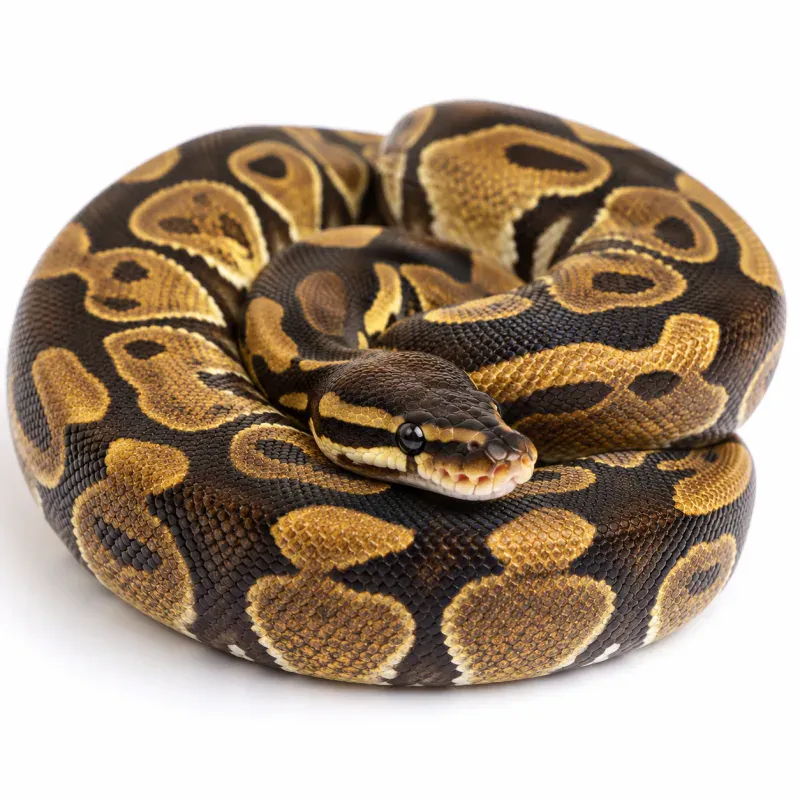
Ball pythons (Python regius) are among the most popular pet snakes due to their docile nature and manageable size. However, like all reptiles, they are susceptible to a range of health issues that can be prevented or treated with proper husbandry and early detection. This guide covers the most common ball python diseases—respiratory infections, scale rot, mouth rot, mites, and IBD—along with stuck shed solutions, quarantine protocols, and clear guidelines on when to consult a reptile veterinarian.
Common Diseases and Their Symptoms
Respiratory Infection (RI)
Respiratory infections are often caused by inadequate temperature gradients, low humidity, or bacterial/fungal pathogens. Symptoms include wheezing, open-mouth breathing, excess mucus around the nostrils or mouth, lethargy, and loss of appetite. If untreated, RI can progress to pneumonia. Treatment requires a vet-prescribed antibiotic (e.g., enrofloxacin) and correction of husbandry issues—raising ambient temperature to 88–90°F (31–32°C) and increasing humidity to 55–60%.
Step-by-step management of a suspected RI:
- Isolate the snake in a separate enclosure to prevent stress and potential spread.
- Check and adjust the thermal gradient: warm side 88–92°F (31–33°C), cool side 75–80°F (24–27°C). Use a digital thermometer and thermostat.
- Raise humidity to 55–60% using a hygrometer and misting or a larger water bowl.
- Schedule a vet visit immediately; antibiotics may be required. Do not attempt home treatment with over-the-counter products.
- Monitor for improvement within 48–72 hours; if no change, seek further veterinary advice.
Troubleshooting: If your snake shows mild wheezing but no discharge, double-check temperatures—many RI cases stem from a too-cool enclosure. If the snake is still eating, do not force-feed; offer smaller prey less frequently until symptoms resolve.
Scale Rot (Blister Disease)
Scale rot results from prolonged exposure to wet, unsanitary substrate. It appears as discolored, blistered, or eroded scales, often on the belly. Mild cases can be treated by switching to dry paper towels, cleaning the enclosure with a reptile-safe disinfectant, and applying a topical antiseptic (e.g., diluted chlorhexidine). Severe cases require vet intervention and systemic antibiotics.
Step-by-step treatment for mild scale rot:
- Remove the snake and place it in a temporary enclosure lined with dry paper towels.
- Clean the main enclosure thoroughly: remove all substrate, disinfect with a reptile-safe cleaner (e.g., chlorhexidine solution), and rinse well.
- Apply a diluted antiseptic (e.g., 2% chlorhexidine) to the affected scales using a cotton swab, twice daily.
- Keep the environment dry—humidity should stay at 50–60%, but avoid wet bedding.
- Monitor for improvement over 1–2 weeks. If blisters worsen or spread, consult a vet.
Troubleshooting: If your snake continues to develop scale rot despite dry substrate, check for a leaking water bowl or excessive misting. Also, ensure the enclosure has proper ventilation to prevent condensation.
Mouth Rot (Infectious Stomatitis)
Mouth rot is a bacterial infection of the oral cavity, often triggered by stress, poor nutrition, or injury. Symptoms include swelling of the mouth, cheesy or bloody discharge, reluctance to eat, and visible redness. Treatment involves vet-prescribed antibiotics, flushing the mouth with diluted betadine, and addressing underlying husbandry issues.
Step-by-step care:
- Consult a vet for a definitive diagnosis and antibiotic prescription.
- Flush the mouth with a diluted betadine solution (1 part betadine to 10 parts water) using a syringe (without needle), as directed by your vet.
- Clean the enclosure and reduce stress: provide extra hides, maintain optimal temperatures, and avoid handling.
- Offer food only after the snake shows interest; if it refuses, do not force-feed. A vet may recommend assist-feeding if weight loss occurs.
Troubleshooting: If mouth rot recurs, evaluate your snake's diet—ensure prey is appropriately sized and not too large, which can cause mouth injuries. Also, check for any sharp objects in the enclosure that could cause cuts.
Mites and External Parasites
Snake mites (Ophionyssus natricis) are tiny, dark parasites that feed on blood. Signs include excessive soaking, rubbing against objects, small black specks on the snake or in the water bowl, and crusty scales. Treatment includes a thorough enclosure clean, use of mite-specific products (e.g., Provent-A-Mite), and quarantining the affected snake. Never use permethrin-based products on snakes.
Step-by-step eradication:
- Remove the snake and place it in a clean, temporary container.
- Strip the enclosure: discard all substrate, décor, and clean every surface with hot soapy water, then a reptile-safe disinfectant.
- Treat the snake with a mite-specific product like Provent-A-Mite, following label instructions. Alternatively, a vet can prescribe a safe treatment.
- Soak the snake in lukewarm water (85°F/29°C) for 15–20 minutes to help remove mites, then gently wipe with a soft cloth.
- Quarantine the snake for at least 30 days and treat the enclosure again after 7–10 days to break the mite life cycle.
Troubleshooting: If mites persist, re-treat after 10 days—mites can survive off the host for weeks. Avoid using any product with permethrin, as it is toxic to snakes.
Inclusion Body Disease (IBD)
IBD is a viral disease (arenavirus) primarily affecting boas and pythons. Symptoms include regurgitation, head tremors, stargazing, incoordination, and chronic weight loss. There is no cure; euthanasia is often recommended to prevent spread. IBD is highly contagious, so strict quarantine of new snakes is critical.
Important note: If you suspect IBD, immediately isolate the snake and consult a vet for testing. Because IBD is incurable and highly contagious, the best prevention is strict quarantine of all new snakes for 30–90 days and avoiding contact with snakes of unknown health status.
Stuck Shed Solutions
Incomplete sheds are common when humidity is too low (below 50%). Provide a humid hide (e.g., a plastic container with damp sphagnum moss) and ensure the enclosure maintains 55–60% humidity, with 70–80% during shed cycles. If a snake has retained eye caps or patches, gently soak it in shallow, lukewarm water (85°F/29°C) for 15–20 minutes, then allow it to rub against a rough surface. Never forcibly peel stuck shed—this can damage underlying scales.
Step-by-step stuck shed removal:
- Increase humidity to 70–80% by misting the enclosure and placing a humid hide.
- Soak the snake in shallow, lukewarm water (85°F/29°C) for 15–20 minutes, ensuring the water is not too deep (no higher than the snake's back).
- Let the snake crawl through a damp cloth or rough surface (like a towel) to help loosen the shed.
- If patches remain, repeat the soak after a few hours. Never pull or peel the skin.
- Check retained eye caps—if they remain after soaking, consult a vet to avoid eye damage.
Troubleshooting: If your snake frequently has stuck sheds, check your hygrometer calibration. Also, ensure the water bowl is large enough to allow soaking, which helps with natural shedding.
Quarantine New Snakes
Always quarantine new ball pythons for at least 30–90 days in a separate room with separate tools. Use paper towel substrate for easy monitoring of feces and mites. Observe for any signs of illness (RI, mites, IBD) before introducing to your main collection. This prevents outbreaks of contagious diseases.
Quarantine protocol:
- Set up a separate enclosure in a different room, if possible, with its own tools (tongs, spray bottle, etc.).
- Use paper towel substrate to easily spot mites or abnormal feces.
- Monitor daily for symptoms: wheezing, discharge, lethargy, or neurological signs.
- Wash your hands and change clothes after handling the quarantined snake before interacting with others.
- Maintain quarantine for at least 30 days, but 90 days is safer for detecting slow-developing diseases like IBD.
Troubleshooting: If you cannot have a separate room, at least keep the quarantine enclosure as far away as possible and use separate equipment. Never share tools between enclosures.
When to See a Reptile Vet
Consult a reptile veterinarian if you observe any of the following: persistent open-mouth breathing, nasal discharge, swollen mouth, refusal to eat for more than 3–4 weeks, abnormal feces (blood, undigested food), lumps or abscesses, sudden weight loss, or neurological signs (stargazing, tremors). Annual wellness exams are recommended for all pet snakes.
Early intervention can be life-saving. Do not attempt to treat serious conditions with home remedies—always seek professional help for conditions like RI, mouth rot, and IBD.
Husbandry and Prevention
Prevention is the best medicine. Maintain a thermal gradient of 75–80°F (24–27°C) cool side and 88–92°F (31–33°C) warm side, with humidity at 55–60% (70–80% during shed). Use a digital hygrometer and thermostat. Spot-clean waste daily and fully disinfect the enclosure monthly. Provide at least two hides (warm and cool), a water bowl large enough for soaking, and a secure lid.
Detailed husbandry checklist:
- Temperature: Use a thermostat to regulate heat mats or ceramic heat emitters. Place digital thermometers at both ends.
- Humidity: Use a digital hygrometer; mist as needed, but avoid soaking the substrate.
- Substrate: Use aspen, cypress mulch, or paper towels. Avoid pine and cedar, which are toxic.
- Cleaning: Spot-clean daily, change substrate monthly, and disinfect with a reptile-safe cleaner.
- Hides: Provide at least two snug hides—one on the warm side, one on the cool side.
- Water: Provide a large, heavy water bowl; change water daily and clean the bowl weekly.
Prevention tips: Regularly observe your snake's behavior and appearance. A healthy snake is alert, has clear eyes, smooth scales, and a consistent feeding response.
Comparison Table: Common Ball Python Health Issues
| Condition | Primary Symptoms | Cause | Treatment | Prevention |
|---|---|---|---|---|
| Respiratory Infection | Wheezing, open-mouth breathing, mucus | Low temp, high humidity, bacteria | Vet antibiotics, raise temp | Proper gradient, clean enclosure |
| Scale Rot | Discolored, blistered scales | Wet substrate, poor sanitation | Dry substrate, antiseptic, vet if severe | Dry bedding, spot-cleaning |
| Mouth Rot | Swollen mouth, discharge, anorexia | Stress, injury, bacteria | Vet antibiotics, mouth flush | Proper nutrition, low stress |
| Mites | Soaking, black specks, crusty scales | Contaminated substrate or new snake | Mite spray, enclosure clean, quarantine | Quarantine new snakes |
| IBD | Tremors, stargazing, regurgitation | Arenavirus | No cure; euthanasia | Strict quarantine, testing |
| Stuck Shed | Retained skin, eye caps | Low humidity | Humid hide, warm soak | Maintain 55–80% humidity |
Common Mistakes to Avoid
- Ignoring humidity: Low humidity causes stuck shed and RI. Use a hygrometer and mist as needed.
- Overhandling: Too much handling stresses snakes and suppresses appetite. Limit to 10–15 minutes, 2–3 times per week.
- Incorrect temperatures: Without a thermostat, heat mats can burn snakes. Always use a thermostat.
- Skipping quarantine: Introducing a new snake without quarantine risks spreading mites, IBD, and other diseases.
- Using the wrong substrate: Pine and cedar are toxic; use aspen, cypress mulch, or paper towels.
- Attempting home remedies: Never use over-the-counter medications without vet approval; some can be toxic.
- Forcing sheds: Never peel stuck shed; it can cause serious injury.
Conclusion
With proper husbandry, regular observation, and prompt veterinary care, most ball python health issues can be prevented or successfully treated. Always prioritize a clean, appropriately heated and humidified enclosure, and never hesitate to seek professional help when symptoms arise. A healthy ball python is a rewarding companion for 20–30 years.
Frequently Asked Questions
How can I tell if my ball python has a respiratory infection?
Symptoms include wheezing, open-mouth breathing, excess mucus around the nostrils or mouth, lethargy, and loss of appetite. If you notice these signs, check your temperatures and humidity, and consult a reptile vet for a proper diagnosis and antibiotic treatment.
What should I do if my ball python has stuck shed?
First, increase humidity to 70–80% and provide a humid hide. If shed remains, soak the snake in shallow, lukewarm water (85°F/29°C) for 15–20 minutes, then let it rub against a rough surface. Never peel the shed manually, as this can damage underlying scales.
How long should I quarantine a new ball python?
Quarantine new ball pythons for at least 30–90 days in a separate room with separate tools. Use paper towel substrate to easily spot mites or abnormal feces. This prevents the spread of contagious diseases like mites and IBD.
Is inclusion body disease (IBD) curable in ball pythons?
No, IBD is a viral disease (arenavirus) with no cure. Euthanasia is often recommended to prevent spread, as it is highly contagious. Strict quarantine of new snakes is the best prevention.
Related Reading
- Ball Python Care Guide: Husbandry, Feeding & Morphs — Get a complete overview of ball python care, from setup to daily routines.
- Ball Python Humidity Guide: Science-Based — Learn how proper humidity prevents respiratory infections and shedding issues.
- Ball Python Temperature Guide: Heat Gradient & Thermostat — Discover the ideal temperature gradient to keep your snake healthy and stress-free.
- Ball Python Shedding Guide: Stuck Shed Solutions — Troubleshoot shedding problems and learn how to prevent stuck shed complications.
- Ball Python Feeding Guide: Prey Size, Schedule & Tips — Understand proper prey sizes and feeding schedules to support your snake's health.
Check optimal temps, calculate feeding, and find your perfect species match.
References
- Ball Python Care Guide. ScalyPal.
- Ball Python Feeding Guide. ScalyPal.
- Ball Python Temperature Guide. ScalyPal.
- Ball Python Morph Guide. ScalyPal.
🐾 Join the Community
See how other keepers set up their enclosures, ask questions, and share your experience.
🛠️ Apply What You Learned
Check optimal temps, calculate feeding schedules, and get calcium dosage — all personalized for your species.
Comments
No account needed — corrections, updates and questions are all welcome. For a full question with photos, the community Q&A is the better place.