Ball Python Enclosure Setup: PVC, Glass, and Tub Habitats
Introduction: Why Enclosure Choice Matters
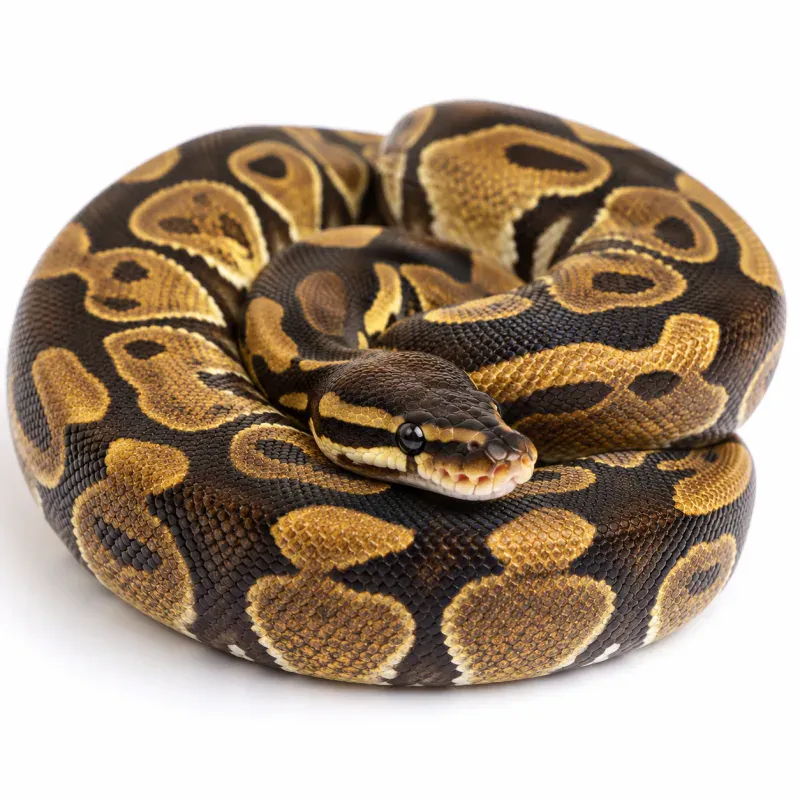
Your ball python's enclosure is more than just a box—it's its entire world. A proper setup directly impacts your snake's health, stress levels, and longevity. In the wild, Python regius lives in burrows and termite mounds across West and Central Africa, where humidity is high and temperatures are stable. Replicating those conditions in captivity requires careful planning.
This guide expands on the core principles of enclosure selection, covering PVC, glass, and tubs in depth, plus step-by-step assembly, troubleshooting, and common pitfalls. Whether you're a first-time owner or a seasoned breeder, you'll find actionable advice to create a thriving habitat.
Ball Python Enclosure Setup: PVC vs Glass vs Tub
Choosing the right enclosure is the foundation of good ball python husbandry. Each option—PVC, glass, and plastic tubs—has distinct pros and cons for heat retention, humidity control, visibility, and cost. Below, we break down each type with detailed comparisons.
PVC Enclosures (Recommended)
PVC cages are the gold standard for ball pythons. They hold heat and humidity exceptionally well, are lightweight yet durable, and come in stackable designs for multi-snake collections. Front-opening doors reduce stress compared to top-opening tanks. Expect to pay $200-400 for a quality 4x2x2 PVC enclosure.
Key Benefits:
- Heat Retention: PVC's insulating properties minimize heat loss, making it easier to maintain a stable thermal gradient.
- Humidity Retention: Unlike glass, PVC doesn't wick moisture away; humidity stays consistent between 50-70% with minimal misting.
- Durability: Lightweight but tough, PVC resists scratches and is easy to clean with reptile-safe disinfectants.
- Visibility: Front-opening doors provide clear viewing without reaching from above, which reduces stress on your snake.
- Stackability: Many models are designed to stack securely, saving space in multi-snake collections.
Considerations:
- Higher upfront cost compared to tubs.
- May require additional ventilation adjustments if humidity gets too high.
- Heating elements (e.g., heat tape or radiant heat panels) often need to be installed by the user.
Glass Tanks
Glass aquariums are affordable and widely available, but they struggle with heat and humidity retention. You will need to cover 80% of the screen top with foil or HVAC tape to maintain proper conditions. A 40-gallon breeder tank (36x18x16) is the minimum for an adult.
Pros:
- Low initial cost (often $50-100 for a 40-gallon).
- Excellent visibility from all sides.
- Easy to find at pet stores.
Cons:
- Poor heat retention—glass conducts heat away rapidly, requiring stronger heating elements.
- Poor humidity retention—screen tops allow moisture to escape, so you must cover 80% of the top with foil or HVAC tape.
- Heavier and more fragile than PVC or tubs.
- Top-opening lids can stress snakes, as predators approach from above.
Best Use: Glass tanks are acceptable for beginners on a budget, but they require more effort to maintain conditions. If you choose glass, invest in a quality thermostat, use a solid lid covering, and consider insulating three sides with foam board.
Plastic Tubs
Tubs are the budget option favored by breeders. They excel at humidity retention and are easy to clean, but offer limited visibility and require modification for ventilation and heating. A 32-41 quart tub works for most adults. Use a soldering iron to add ventilation holes and ensure the lid is securely latched.
Pros:
- Very cheap (often $10-20 per tub).
- Excellent humidity retention—plastic is non-porous.
- Easy to clean and sanitize.
- Stackable for rack systems.
Cons:
- Limited visibility—you can't see your snake without opening the lid.
- Requires DIY modification (ventilation holes, heat pad placement).
- May not be aesthetically pleasing for display.
- Heating can be tricky—heat pads must be regulated to prevent burns.
Modification Steps:
- Choose a tub with a secure, latching lid (e.g., Sterilite or Iris).
- Use a soldering iron to melt 10-20 small ventilation holes on the sides and lid, spaced evenly.
- Place a heat pad under one-third of the tub, connected to a thermostat.
- Add substrate, hides, and water bowl.
Comparison Table: PVC vs Glass vs Tub
| Feature | PVC | Glass | Tub |
|---|---|---|---|
| Heat Retention | Excellent | Poor | Good |
| Humidity Retention | Excellent | Poor (needs cover) | Excellent |
| Visibility | High | High | Low |
| Cost (adult size) | $200-400 | $50-100 | $10-20 |
| Durability | High | Fragile | Medium |
| Ease of Cleaning | Easy | Moderate | Very easy |
| Stackability | Yes | No | Yes |
| Best For | Most owners | Budget beginners | Breeders |
Enclosure Size: How Big Does Your Ball Python Need?
Size is critical for your snake's well-being. A common myth is that ball pythons prefer small, cramped spaces, but this is false. They need enough room to stretch out, thermoregulate, and exercise. The minimum size for an adult is 4x2x2 ft (120 gallons), but larger is always better.
Juvenile vs Adult Sizing
- Hatchlings (0-6 months): A 10-20 gallon tank or 6-quart tub is sufficient, but many owners skip straight to adult size to avoid rehousing stress.
- Subadults (6-18 months): A 40-gallon breeder (36x18x16) or 32-quart tub works.
- Adults (18+ months): Minimum 4x2x2 ft (120 gallons) or 41-quart tub. Larger enclosures (e.g., 5x2x2) are even better.
Why Bigger is Better: A larger enclosure allows for a proper thermal gradient (hot side 88-92°F, cool side 76-80°F) and more room for enrichment. It also reduces stress, as snakes feel more secure when they can choose their preferred microclimate.
Step-by-Step Enclosure Setup Guide
Follow these steps to assemble your ball python's habitat correctly the first time.
Step 1: Choose Your Enclosure Type
Based on your budget, space, and aesthetic preferences, select PVC, glass, or tub. For most owners, PVC is the best balance of function and appearance.
Step 2: Set Up Heating
Place a heat source (heat pad, ceramic heat emitter, or radiant heat panel) on one side of the enclosure to create a thermal gradient. Connect it to a thermostat to prevent overheating. Place the probe on the substrate surface on the hot side.
Heating Options:
- Heat Pad (UTH): Best for tubs and glass tanks. Place under the tank, not inside. Must be regulated.
- Ceramic Heat Emitter (CHE): Screws into a dome fixture, emits infrared heat without light. Good for PVC and glass.
- Radiant Heat Panel (RHP): Mounts inside the enclosure, provides even heat. Excellent for PVC.
Step 3: Add Substrate
Choose a substrate that retains humidity and is safe if ingested. Spread it 2-3 inches deep.
- Coconut husk: Excellent moisture retention, low dust.
- Cypress mulch: Great for humidity, natural look.
- Paper towels: Ideal for quarantine or new arrivals—easy to monitor waste.
Step 4: Place Hides
Provide two identical hides—one on the hot side and one on the cool side. Identical hides prevent the snake from choosing between security and temperature. They should be snug, so the snake touches all sides when curled up.
Step 5: Add Water Bowl
Use a large, heavy water bowl that the snake can soak in if needed. Place it on the cool side to maintain humidity. Clean and refill it daily.
Step 6: Add Clutter and Enrichment
Ball pythons are shy and need hiding spots. Add fake plants, branches, cork bark, and leaf litter. This reduces stress and encourages natural behaviors.
Step 7: Install Thermometers and Hygrometers
Place digital thermometers/hygrometers on both the hot and cool sides. Avoid analog gauges, which are often inaccurate. Monitor daily to ensure proper conditions.
Step 8: Test Conditions
Before introducing your snake, run the enclosure for 24-48 hours to verify temperatures and humidity are stable. Adjust heating or misting as needed.
Essential Setup Checklist
- Minimum size: 4x2x2 ft (120 gallons) for adults
- Two identical hides (hot and cool side)
- Water bowl large enough for soaking
- Digital thermometer/hygrometer (hot side + cool side)
- Clutter: fake plants, branches, cork bark for security
- Substrate: coconut husk, cypress mulch, or paper towels for quarantine
Common Mistakes to Avoid
Even experienced keepers make errors. Here are the top pitfalls and how to avoid them.
- Using a single hide: This forces the snake to choose between temperature and security. Always provide two identical hides.
- Ignoring thermostat use: Unregulated heat sources can cause burns or fatal overheating. Always use a thermostat.
- Covering the entire screen top: While you need to cover 80% of a glass tank's top, leaving 20% uncovered allows for some air exchange. Full coverage can cause suffocation.
- Choosing the wrong substrate: Cedar and pine shavings are toxic to reptiles. Stick to coconut husk, cypress, or paper towels.
- Overcrowding with decor: While clutter is good, too much can make it difficult for the snake to move. Keep it balanced.
- Skipping quarantine: New snakes should be quarantined in a simple paper-towel setup for 30-90 days to monitor for illness.
Troubleshooting Common Enclosure Issues
Humidity Too Low
If humidity drops below 50%, increase misting, add a larger water bowl, or switch to a moisture-retaining substrate like coconut husk. Cover more of the screen top if using glass.
Humidity Too High
If humidity stays above 70% consistently, increase ventilation by adding more holes (in tubs) or uncovering part of the screen top. Remove wet substrate and let the enclosure dry out.
Temperature Fluctuations
If temperatures swing widely, check your thermostat probe placement. The probe should be on the substrate surface, not on the glass. Also, ensure the room temperature is stable.
Snake Refusing to Eat
Enclosure issues can cause feeding strikes. Check that the hot side is 88-92°F, cool side 76-80°F, and humidity is 50-60%. Ensure the snake has a secure hide. See our Feeding Problems Guide for more.
Related Reading
- Ball Python Care Guide
- Ball Python Temperature Guide
- Ball Python Humidity Guide
- Ball Python Not Eating? Troubleshooting Guide
Frequently Asked Questions
Can I keep a baby ball python in a large 4x2x2 enclosure?
Yes, but you must provide plenty of clutter and hides to make the snake feel secure. Many keepers start with a smaller enclosure (e.g., 10-20 gallon) for hatchlings, but a large enclosure is fine if decorated heavily with fake plants and multiple hides.
How often should I clean the enclosure?
Spot-clean waste daily and replace substrate as needed. A full substrate change should occur every 1-3 months, depending on the substrate type and humidity levels. Always disinfect the enclosure with a reptile-safe product during full cleanings.
Do I need a heat lamp or a heat pad?
Both can work, but heat pads (UTH) are better for tubs and glass tanks, while ceramic heat emitters or radiant heat panels are better for PVC. Always use a thermostat with any heat source to prevent overheating.
Why is my ball python always hiding?
Hiding is normal behavior, especially during the day. Ball pythons are nocturnal and secretive. If your snake is hiding constantly, ensure it has two identical hides (hot and cool) and that temperatures and humidity are within the recommended ranges. If it also refuses to eat or shows other signs of stress, review your setup.
Check optimal temps, calculate feeding, and find your perfect species match.
References
- McCurley, K. (2019). The Complete Ball Python. Eco Publishing.
- Barker, D. & Barker, T. (2006). Ball Pythons in Captivity. VPI Library.
- Reptiles Magazine (2023). Ball Python Care Sheet. Reptiles Magazine.
🐾 Join the Community
See how other keepers set up their enclosures, ask questions, and share your experience.
🛠️ Apply What You Learned
Check optimal temps, calculate feeding schedules, and get calcium dosage — all personalized for your species.
Comments