Ball Python Feeding Problems: Troubleshooting Guide
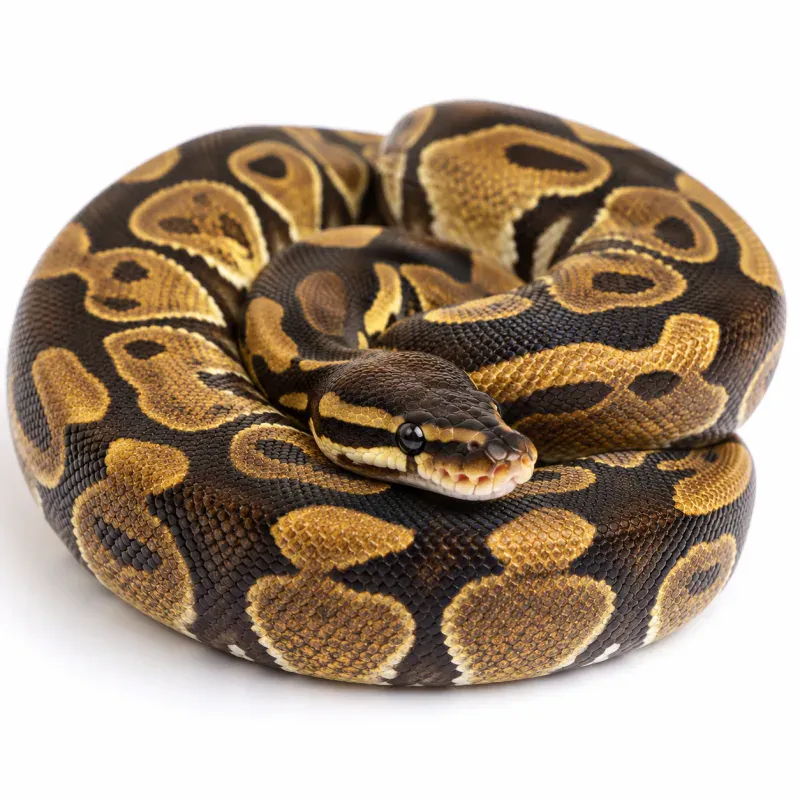
Ball Python Not Eating? Complete Troubleshooting
Ball pythons are notorious for going off feed, and this is the #1 concern for new keepers. The good news: a healthy adult ball python can go months without eating. The key is determining whether the fast is normal (husbandry or seasonal) or a sign of illness. This guide walks you through every possible cause, a step-by-step troubleshooting process, and when to seek veterinary help.
Understanding Normal Fasting vs. Problem Fasting
Before you panic, know that fasting is a natural part of a ball python's life. Adult ball pythons, especially males, may refuse food for 2–6 months during the breeding season (typically November–February). Juveniles, however, should not fast for more than 3–4 weeks. If your snake is losing weight, showing signs of illness, or is a baby, treat the fast as an emergency.
Common Causes & Solutions
Incorrect Temperatures
This is the #1 cause. Ball pythons need a hot spot of 88–92°F and a cool side of 78–80°F. If temperatures are too low, digestion shuts down and they will not eat. Verify with a digital thermometer or temp gun — not analog dials, which can be inaccurate by 5–10°F.
Step-by-step fix:
- Place a digital thermometer probe on the hot spot substrate and another on the cool side.
- Check temperatures at substrate level, not at the top of the enclosure.
- Use a thermostat to control heat mats or ceramic heat emitters.
- If the hot spot is below 88°F, increase the wattage or add a second heat source.
- If the cool side is above 80°F, improve ventilation or move the enclosure to a cooler room.
Common mistakes: Using analog dials, placing heat sources on one side only without regulating, and relying on ambient room heat.
Humidity Issues
Low humidity (below 50%) causes dehydration and stress. Aim for 60–70%, increasing to 70–80% during shed. Use a quality hygrometer and mist as needed.
Step-by-step fix:
- Place a digital hygrometer in the middle of the enclosure, away from water bowls.
- If humidity is below 60%, mist the enclosure with warm water twice daily.
- Add a larger water bowl or place it on the hot side to increase evaporation.
- Use a substrate like cypress mulch or coconut husk that retains moisture.
- During shed, provide a humid hide (a plastic container with damp sphagnum moss).
Common mistakes: Misting too heavily (causing substrate to become waterlogged), using substrates that dry out quickly (aspen), and ignoring humidity during shedding.
Inadequate Hides
Ball pythons need at least two snug, identical hides — one on the hot side, one on the cool side. Half-logs do not count; use enclosed caves with a single small entrance. Hides should be small enough that the snake touches the sides when curled up.
Why this matters: Ball pythons are ambush predators and feel vulnerable in open spaces. Without secure hides, they become stressed and refuse food.
Common mistakes: Using one hide only, placing hides in the middle of the enclosure, and using hides that are too large or too open.
Seasonal Fasting
Many ball pythons naturally reduce or stop eating during winter months (November–February), even with perfect temperatures. This is normal breeding-season behavior. Males are more prone to this than females. During this time, your snake may lose a small amount of weight (less than 5% of body weight) and remain active and alert.
What to do: Offer food every 2–3 weeks during a seasonal fast, but don't be discouraged if it's refused. Monitor weight weekly. If weight loss exceeds 10%, consult a vet.
Prey Issues
Try different prey types (live vs frozen-thawed, rats vs mice), ensure prey is properly warmed (100–105°F surface temp), and feed at night when ball pythons are naturally active.
Prey size guide:
| Snake Weight | Prey Size | Feeding Frequency |
|---|---|---|
| Under 100g | Pinky mouse (1–2g) | Every 5–7 days |
| 100–200g | Small mouse (10–15g) | Every 7–10 days |
| 200–500g | Adult mouse or small rat (20–30g) | Every 10–14 days |
| 500–1000g | Medium rat (40–60g) | Every 2–3 weeks |
| Over 1000g | Large rat (80–120g) | Every 3–4 weeks |
Step-by-step thawing and warming:
- Move frozen prey from freezer to refrigerator 12–24 hours before feeding.
- Just before feeding, place the prey in a sealed plastic bag and submerge in warm water (100–105°F) for 15–30 minutes.
- Check the surface temperature with a temp gun — it should be 100–105°F. If too cold, re-warm.
- Offer the prey with tongs, wiggling it gently to mimic live movement.
Common mistakes: Feeding prey that is too large (wider than the snake's widest point), offering cold prey, and offering live prey without supervision (which can injure the snake).
Stress
Excessive handling, a new enclosure, loud environments, or visible activity near the enclosure can cause food refusal. Ball pythons are secretive and prefer quiet, dim spaces.
Step-by-step fix:
- Stop handling your snake for at least 1–2 weeks.
- Place the enclosure in a low-traffic area, away from TVs, speakers, and other pets.
- Cover the sides and back of the enclosure with opaque material to create privacy.
- Keep a consistent day/night cycle (12 hours on, 12 hours off).
- Wait until after the snake has eaten and digested (48–72 hours) before handling again.
Common mistakes: Handling too soon after feeding, tapping on the enclosure, and moving the enclosure to a new room during a fast.
Step-by-Step Troubleshooting Checklist
If your ball python refuses food, follow this systematic approach:
- Check temperatures: Confirm hot spot 88–92°F, cool side 78–80°F with a digital thermometer.
- Check humidity: Confirm 60–70% (70–80% during shed) with a digital hygrometer.
- Inspect hides: Ensure two identical, snug hides on hot and cool sides.
- Assess stress: Minimize handling, noise, and visual disturbances.
- Review prey: Ensure prey is appropriately sized, warmed to 100–105°F, and offered at night.
- Try alternative prey: Switch from rats to mice or vice versa, or try live prey (supervised) if frozen-thawed is refused.
- Wait 7–10 days between attempts to avoid over-stressing the snake.
Quick Reference Troubleshooting Table
| Cause | Key Symptoms | Solution |
|---|---|---|
| Low temperatures | Lethargy, cool enclosure, no digestion | Adjust heat source, use thermostat |
| Low humidity | Dry skin, stuck shed, dehydration | Mist, add water bowl, use moisture-retaining substrate |
| Insufficient hides | Hiding in water bowl, restlessness | Add two identical snug hides |
| Seasonal fast | Winter, adult, active but not eating | Offer every 2–3 weeks, monitor weight |
| Prey too large/cold | Strikes but rejects, or ignores | Size up/down, warm to 100–105°F |
| Stress | Hissing, striking, hiding constantly | Reduce handling, cover enclosure, quiet room |
When to See a Vet
Consult a reptile veterinarian if your ball python loses more than 10% body weight, shows signs of respiratory infection (wheezing, bubbles), has not eaten for 6+ months as an adult, or is a juvenile that has not eaten for more than 3–4 weeks. Other red flags include:
- Regurgitation (undigested prey coming back up)
- Lethargy combined with weight loss
- Visible lumps or swelling in the body
- Changes in feces or urine (e.g., diarrhea, blood)
Prevention: How to Avoid Feeding Problems
The best way to deal with feeding problems is to prevent them. Here are proactive habits:
- Maintain a consistent temperature gradient and humidity year-round.
- Use a thermostat on all heat sources to prevent temperature swings.
- Feed a properly sized prey item on a regular schedule (see table above).
- Provide enrichment (branches, foliage) to reduce boredom and stress.
- Handle your snake regularly but gently, at least 2–3 times per week, to build trust.
- Keep a feeding log to track dates, prey type, and any refusals.
Related Reading
- Ball Python Care Guide
- Ball Python Temperature Guide
- Ball Python Humidity Guide
- Temperature & Humidity Checker
Frequently Asked Questions
How long can a ball python go without eating?
A healthy adult ball python can go months without eating, especially during the winter breeding season. However, juveniles should not fast for more than 3–4 weeks. If an adult hasn't eaten for 6+ months, consult a vet.
What is the most common cause of a ball python refusing food?
Incorrect temperatures are the #1 cause. Ball pythons need a hot spot of 88–92°F and a cool side of 78–80°F. If temperatures are too low, digestion shuts down and they will not eat. Always verify with a digital thermometer or temp gun, not analog dials.
Should I switch from rats to mice if my ball python won't eat?
Yes, trying different prey types is a recommended solution. Some ball pythons prefer mice over rats, or live prey over frozen-thawed. Always ensure the prey is properly warmed to 100–105°F surface temperature and offered at night when they are naturally active.
When should I take my ball python to the vet for not eating?
See a reptile veterinarian if your ball python loses more than 10% body weight, shows signs of respiratory infection (wheezing, bubbles), has not eaten for 6+ months as an adult, or is a juvenile that has not eaten for more than 3–4 weeks.
Check optimal temps, calculate feeding, and find your perfect species match.
References
- Barker, D. (2020). The Complete Ball Python. VPI.
- McCurley, K. (2014). The Complete Ball Python: A Comprehensive Guide to Care, Breeding, and Genetic Mutations. ECO Publishing.
- Ross, R. (2018). Ball Pythons in Captivity. Professional Breeders Series.
🐾 Join the Community
See how other keepers set up their enclosures, ask questions, and share your experience.
🛠️ Apply What You Learned
Check optimal temps, calculate feeding schedules, and get calcium dosage — all personalized for your species.
Comments