Red-Eared Slider Morphs: Albino, Pastel & More
Introduction
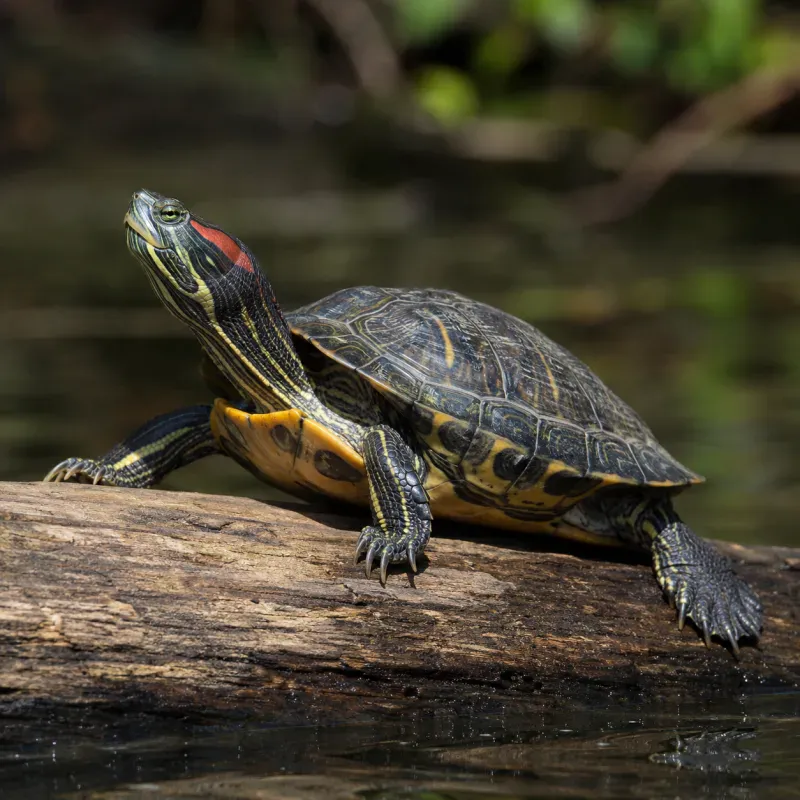
Red-eared sliders (Trachemys scripta elegans) are among the most popular pet turtles worldwide, prized for their distinctive red ear patches and hardy nature. While the wild-type green-and-yellow shell is classic, captive breeding has produced a dazzling array of color morphs—albino, pastel, caramel, leucistic, and more. This guide explores each morph, how to identify them, their rarity, pricing, and essential care considerations for these unique animals.
Morph Overview & Identification
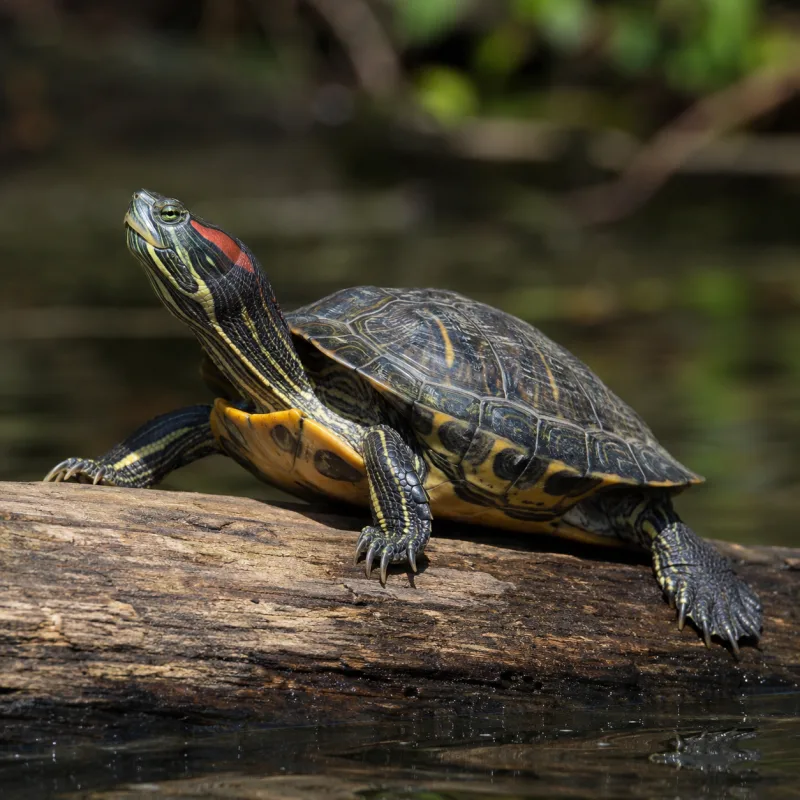
Color morphs in red-eared sliders arise from genetic mutations affecting pigment production (melanin, carotenoids, and structural colors). Here's how to identify the most common morphs:
Albino
Albino red-eared sliders lack melanin entirely, resulting in a white or pale yellow body with bright red or orange eyes. The shell is translucent white to soft yellow, and the red ear patches are often vivid. True albinos are rare and expensive ($500–$2,000+).
Pastel
Pastel morphs exhibit reduced melanin, producing softer, muted greens and yellows. The shell often has a powdery or washed-out appearance, with lighter patterns. Pastels are moderately rare ($200–$600).
Caramel
Caramel morphs display a warm, golden-brown shell with reduced dark pigment. The skin is tan to light brown, and the red ear patches may be orange-bronze. Caramels are uncommon ($300–$800).
Leucistic
Leucistic turtles have reduced all pigment types, appearing white or cream with blue or dark eyes (unlike albino's red eyes). The shell is pale, and the red ear patches are faint or absent. Leucistics are extremely rare ($1,000–$3,000+).
Other Variations
Less common morphs include hypomelanistic (reduced dark pigment), axanthic (lacking yellow), and patternless (solid shell). Each has distinct rarity and price.
| Morph | Key Features | Eye Color | Rarity | Price Range |
|---|---|---|---|---|
| Wild-Type | Green shell, yellow stripes, red ear patches | Dark brown/black | Common | $20–$50 |
| Albino | White/pale yellow body, bright red eyes | Red/pink | Rare | $500–$2,000+ |
| Pastel | Muted green/yellow, soft shell patterns | Dark | Uncommon | $200–$600 |
| Caramel | Golden-brown shell, tan skin, orange ear patches | Dark | Uncommon | $300–$800 |
| Leucistic | White/cream body, blue/dark eyes | Blue/dark | Very rare | $1,000–$3,000+ |
| Hypomelanistic | Reduced dark pigment, lighter shell | Dark | Rare | $400–$1,200 |
Choosing a Morph: What to Consider Before Buying
Selecting a morph goes beyond aesthetics. Because morphs vary in rarity and price, it's essential to make an informed choice that fits your budget and experience level.
Budget Beyond the Purchase Price
The initial cost is only the beginning. A proper enclosure with a canister filter, UVB lighting, and heating can easily add $300–$600 to your setup. For a rare morph like a leucistic, you might invest over $1,000 just for the turtle, so plan accordingly.
Breeder Reputation
Always buy from reputable breeders who prioritize health over color. Poor breeding practices can lead to weaker immune systems, making morphs more susceptible to illness. Ask for health records and photos of the parents.
Experience Level
Some morphs, like albinos, may have slightly more sensitive skin due to lack of melanin, requiring extra attention to water quality and UVB exposure. Beginners might find wild-types or pastels more forgiving.
Long-Term Commitment
All red-eared sliders can live 20–40 years. Ensure you're ready for a decades-long commitment, especially with a high-value morph that may require specialized care.
Step-by-Step Enclosure Setup for a Morph Slider
Setting up a proper habitat is the most critical step for any red-eared slider, and morphs are no exception. Follow this step-by-step guide to get it right from day one.
- Choose the right tank: For a single adult, select a 75–100 gallon tank. Hatchlings can start in a 20-gallon but plan to upgrade quickly.
- Position the tank: Place it on a sturdy stand away from direct sunlight and drafts. Ensure the floor can support the weight (a 100-gallon tank can weigh over 800 pounds).
- Add substrate (optional): Use bare bottom or large river rocks. Avoid small gravel that can be ingested.
- Install filtration: Set up a canister filter rated for 2–3 times the tank volume. For a 100-gallon tank, a filter rated for 200–300 gallons per hour is ideal.
- Fill with dechlorinated water: Use a water conditioner to remove chlorine and chloramines. Fill to a depth of at least 1.5 times the turtle's shell length.
- Create a basking area: Place a dry platform (rock, driftwood, or commercial dock) large enough for the turtle to completely leave the water. Position it under the heat and UVB lamps.
- Set up heating and lighting: Attach a basking lamp (75–100W halogen or mercury vapor) and a 5–10% UVB bulb. Ensure the basking spot reaches 85–95°F (29–35°C) and the UVB is 6–12 inches away with no glass or plastic between the bulb and the turtle.
- Add decor and hiding spots: Include PVC pipes or artificial plants for hiding, but ensure they don't trap the turtle.
- Cycle the tank: Before adding the turtle, run the filter for at least 2–4 weeks to establish beneficial bacteria. Test water parameters to ensure ammonia and nitrite are 0 ppm.
- Introduce the turtle: Acclimate your new slider slowly by floating its container in the tank for 15–20 minutes before releasing.
Morph Comparison at a Glance
To help you quickly compare the most popular morphs, here's a side-by-side reference of their appearance, rarity, and price. Use this table alongside the detailed descriptions above.
| Morph | Body Color | Shell Color | Ear Patch Color | Rarity | Price Range |
|---|---|---|---|---|---|
| Albino | White/pale yellow | Translucent white to soft yellow | Vivid red | Rare | $500–$2,000+ |
| Pastel | Muted green/yellow | Powdery, washed-out | Muted red | Uncommon | $200–$600 |
| Caramel | Tan to light brown | Golden-brown | Orange-bronze | Uncommon | $300–$800 |
| Leucistic | White/cream | Pale | Faint or absent | Very rare | $1,000–$3,000+ |
| Hypomelanistic | Lighter skin | Lighter shell with reduced dark pigment | Red | Rare | $400–$1,200 |
Remember that individual variation exists within each morph, and prices can fluctuate based on breeder and demand.
Cost Breakdown of Owning a Morph Slider
Understanding the full financial commitment helps you budget effectively. Here's a breakdown of initial and ongoing costs.
| Item | Initial Cost (USD) | Ongoing Cost (USD/year) |
|---|---|---|
| Morph turtle (varies by type) | $200–$3,000+ | — |
| Tank (75–100 gallon) | $150–$400 | — |
| Canister filter | $100–$300 | — |
| Heating and lighting (heat lamp, UVB, fixtures) | $80–$200 | $50–$100 (bulb replacements) |
| Substrate and decor | $30–$100 | — |
| Water conditioner and test kits | $20–$50 | $30–$60 |
| Food (pellets, vegetables, supplements) | $20–$40 | $120–$200 |
| Veterinary care (annual checkup) | — | $50–$150 |
| Total first year | $600–$4,090+ | $250–$510 |
Note: Costs can vary based on location, brand, and the specific morph's price. Always budget for unexpected veterinary expenses.
Seasonal Care Adjustments
While red-eared sliders are kept indoors, seasonal changes can affect their environment and health.
Summer
- Monitor water temperature: If the room warms up, ensure the water doesn't exceed 80°F (27°C) for adults. Use a chiller if necessary.
- Sunlight exposure: If you provide outdoor time, never leave the turtle unattended—it can overheat or escape. Always provide shade and a shallow water dish.
Winter
- Maintain stable temperatures: Heating may need to work harder. Check that the basking area stays at 85–95°F (29–35°C) and water at 75–80°F (24–27°C).
- Humidity: Indoor heating can dry the air, but red-eared sliders don't require specific humidity. Still, ensure the basking area isn't too dry—provide a shallow water dish on the basking platform.
- Reduce feeding: Some keepers reduce feeding frequency slightly in winter if the turtle is less active, but always follow the feeding guidelines for age and size.
Spring and Fall
- Transition periods: Watch for temperature swings; keep the tank away from windows to avoid drafts. Adjust heating as needed to maintain stable temperatures.
Troubleshooting Common Morph-Specific Issues
Morphs can present unique challenges. Here's how to address them.
Fading Colors
If your morph's colors seem dull, check lighting and diet. Inadequate UVB can affect pigment production and shell health. Ensure UVB bulbs are replaced every 6–12 months and provide a varied diet with calcium supplementation.
Sensitive Skin (Especially Albinos)
Albino turtles lack melanin, making their skin more prone to sunburn if exposed to direct sunlight. Indoors, ensure UVB is not too intense (use 5% UVB) and provide plenty of shade. Always avoid prolonged direct sunlight outdoors.
Eye Issues
Morphs with light-colored eyes (like albinos) may be more sensitive to bright light. If you notice squinting or excessive blinking, reduce the wattage of the basking lamp or increase the distance from the basking spot.
Shell Abnormalities
Some morphs, especially those from poor breeding, may have softer shells. Ensure proper UVB and calcium intake. If the shell feels soft or has deformities, consult a vet immediately.
Common Mistakes & How to Avoid Them
- Too small of a tank: Stunts growth, causes stress. Start big.
- Poor filtration: Leads to toxic water. Invest in a canister filter.
- No UVB: Causes MBD and shell deformities. Always provide UVB.
- Overfeeding: Obesity, fatty liver. Follow feeding guidelines.
- Incorrect basking temperature: Too cold = respiratory infections; too hot = burns. Use a thermometer.
- Handling too much: Stress. Observe more, handle less.
- Buying a morph without research: Morphs can be expensive and require the same care as wild-types—don't expect lower maintenance.
Conclusion
Red-eared slider morphs offer a fascinating glimpse into genetic diversity, but they require the same dedicated care as their wild-type cousins. Whether you choose a rare albino or a vibrant caramel, provide a large, clean enclosure with proper lighting, heat, and diet. With responsible husbandry, your morph slider can live 20–40 years and bring years of enjoyment. Always purchase from reputable breeders who prioritize health over color.
Related Reading
- Red-Eared Slider Care Guide
- Red-Eared Slider Health Guide
- Red-Eared Slider Feeding Guide
- Red-Eared Slider Tank Setup
Frequently Asked Questions
What is the difference between albino and leucistic red-eared sliders?
Albino red-eared sliders lack melanin entirely, resulting in a white or pale yellow body with bright red or orange eyes and a translucent white to soft yellow shell. Leucistic turtles have reduced all pigment types, appearing white or cream with blue or dark eyes, unlike albino's red eyes, and their red ear patches are faint or absent.
What are the minimum tank and water depth requirements for an adult red-eared slider?
For a single adult red-eared slider (6–12 inches), a 75–100 gallon tank is the minimum. The water depth should be at least 1.5 times the turtle's shell length, and deeper for adults.
What are the recommended basking and water temperatures for red-eared sliders?
The basking temperature should be 85–95°F (29–35°C) measured at shell height. Water temperature should be 75–80°F (24–27°C) for adults and 78–82°F (26–28°C) for hatchlings.
Do red-eared slider morphs require different dietary needs than wild-type turtles?
No, morphs do not have different dietary needs. Juveniles under 1 year should have 50% protein and 50% vegetables, while adults 1+ year should have 25% protein and 75% vegetables, with adults fed every other day.
How much does it cost to set up an enclosure for a morph slider?
Initial setup costs can range from $600 to $4,090 or more, depending on the morph's price and the quality of equipment. This includes the tank, filter, lighting, heating, substrate, decor, water conditioner, and food. Ongoing costs are approximately $250–$510 per year.
Are morph red-eared sliders more prone to health issues?
Morph turtles are not inherently more prone to illness, but poor breeding can lead to weaker immune systems. Albino turtles may have more sensitive skin due to lack of melanin, requiring careful monitoring of UVB exposure and water quality.
How often should I replace UVB bulbs for my morph slider?
UVB bulbs should be replaced every 6–12 months, even if they still emit visible light, because UVB output diminishes over time. Without adequate UVB, turtles can develop metabolic bone disease (MBD) and shell deformities.
What should I do if my morph slider's colors are fading?
Fading colors can indicate inadequate UVB or poor diet. Check that your UVB bulb is within 6–12 inches of the basking spot and replace it every 6–12 months. Ensure your turtle's diet includes a variety of vegetables and appropriate protein, with calcium supplementation as needed.
Can I keep a morph slider outdoors?
Outdoor time can be beneficial, but it requires supervision. Never leave the turtle unattended, as it can overheat or escape. Always provide shade and a shallow water dish. For albino turtles, avoid prolonged direct sunlight to prevent sunburn on their sensitive skin.
How do I know if my morph slider is stressed?
Signs of stress include reduced appetite, hiding more than usual, and excessive basking or swimming. Stress can result from handling too much, an undersized tank, or poor water quality. Ensure the enclosure meets all requirements—proper tank size, filtration, temperature, and hiding spots—and minimize handling.
Step-by-Step Acclimation for a New Morph Slider
When you bring home a new morph slider, proper acclimation reduces stress and helps prevent health issues. Follow these steps to ensure a smooth transition.
- Prepare the quarantine tank: If possible, set up a separate 20–40 gallon quarantine tank with simple filtration, a basking spot, and UVB. This allows you to observe the turtle for signs of illness without exposing your main setup.
- Check water parameters: Before introducing the turtle, test the water for ammonia, nitrite, nitrate, and pH. Ammonia and nitrite should be 0 ppm, and pH should be between 6.5 and 8.0.
- Float the container: Keep the turtle in its transport container and float it in the main tank for 15–20 minutes. This gradually equalizes water temperature.
- Release gently: After floating, gently release the turtle into the tank, avoiding sudden movements. Allow it to explore at its own pace.
- Monitor closely: For the first 48 hours, watch for signs of stress such as hiding, refusing food, or excessive basking. Offer food after 24 hours to see if it eats.
- Quarantine period: If using a quarantine tank, keep the turtle there for 4–6 weeks before introducing it to the main enclosure, especially if you have other turtles.
Breeding Considerations for Morph Sliders
Breeding morphs can be rewarding but requires a solid understanding of genetics and commitment. Here are key points to consider.
Genetic Basics
Most morphs are inherited through recessive genes, meaning both parents must carry the gene for the offspring to express the morph. For example, breeding two albinos will produce all albino offspring, while breeding an albino with a wild-type will produce all wild-type carriers.
Breeding Setup
Provide a separate breeding tank with a nesting area. Females need a sandy substrate at least 6 inches deep to dig and lay eggs. Ensure the nesting area is warm and humid.
Egg Incubation
Incubate eggs at 80–85°F (27–29°C) with high humidity. Incubation time is typically 60–80 days, depending on temperature. Higher temperatures within this range tend to produce more females, but this varies by species.
Health and Ethics
Breeding morphs can lead to inbreeding if not managed carefully, which increases the risk of health problems. Always breed unrelated individuals and prioritize the health of the offspring over color. Consult with experienced breeders or a veterinarian before starting.
Lighting and Heating Deep Dive for Morphs
Proper lighting and heating are crucial for all red-eared sliders, but morphs may have specific needs. Here's a detailed look.
UVB Requirements
UVB is essential for vitamin D3 synthesis, which helps absorb calcium. Use a 5–10% UVB bulb for red-eared sliders. For albino or light-colored morphs, a 5% UVB bulb is safer to avoid overexposure, as they lack protective pigment. Replace UVB bulbs every 6–12 months, even if they still emit visible light.
Basking Temperature
The basking spot should be 85–95°F (29–35°C) measured at shell height. Use a thermometer to monitor. If the basking area is too hot, it can cause burns; if too cold, it can lead to respiratory infections. Adjust the wattage or distance of the basking lamp accordingly.
Water Temperature
Maintain water temperature at 75–80°F (24–27°C) for adults and 78–82°F (26–28°C) for hatchlings. Use a submersible heater with a thermostat to keep it stable. Sudden temperature fluctuations can stress the turtle and compromise its immune system.
Lighting Schedule
Provide 12–14 hours of light per day, followed by 10–12 hours of darkness. Use a timer to automate this. Consistent light cycles help regulate the turtle's circadian rhythm and overall health.
Feeding Guide for Morph Sliders
A balanced diet is vital for all red-eared sliders, and morphs are no exception. Here's a comprehensive feeding guide.
Juvenile Diet (Under 1 Year)
Feed juveniles daily with a diet consisting of 50% protein (pellets, insects, small fish) and 50% vegetables (leafy greens like romaine, kale, and dandelion greens). Offer a variety to ensure balanced nutrition.
Adult Diet (1 Year and Older)
Adults should be fed every other day. The diet should be 25% protein and 75% vegetables. Overfeeding can lead to obesity and fatty liver disease, so monitor portion sizes. A good rule is to offer only as much food as the turtle can consume in 15–20 minutes.
Calcium Supplementation
Dust food with a calcium supplement (without vitamin D3 if UVB is provided) 2–3 times per week for juveniles and once a week for adults. This is especially important for morphs, as some may have weaker shells due to poor breeding.
Foods to Avoid
Never feed iceberg lettuce (low nutritional value), avocado (toxic), or processed human foods. Also, avoid feeder fish that may carry parasites. Stick to high-quality commercial pellets and fresh vegetables.
Check optimal temps, calculate feeding, and find your perfect species match.
References
- Highfield, A. C. (2020). The Red-Eared Slider: A Complete Guide to Care, Breeding, and Morphs. Carapace Press.
- Mader, D. R. (2006). Reptile Medicine and Surgery. Saunders Elsevier.
- Boyer, T. H., & Boyer, D. M. (2014). Clinical Veterinary Advisor: Birds and Exotic Pets. Elsevier.
- Zoo Med Laboratories. (2023). UVB Lighting for Reptiles: A Practical Guide. Zoo Med.
🐾 Join the Community
See how other keepers set up their enclosures, ask questions, and share your experience.
🛠️ Apply What You Learned
Check optimal temps, calculate feeding schedules, and get calcium dosage — all personalized for your species.
Comments
No account needed — corrections, updates and questions are all welcome. For a full question with photos, the community Q&A is the better place.