Red-Eared Slider Care: Tank, Basking & Diet
Species Overview
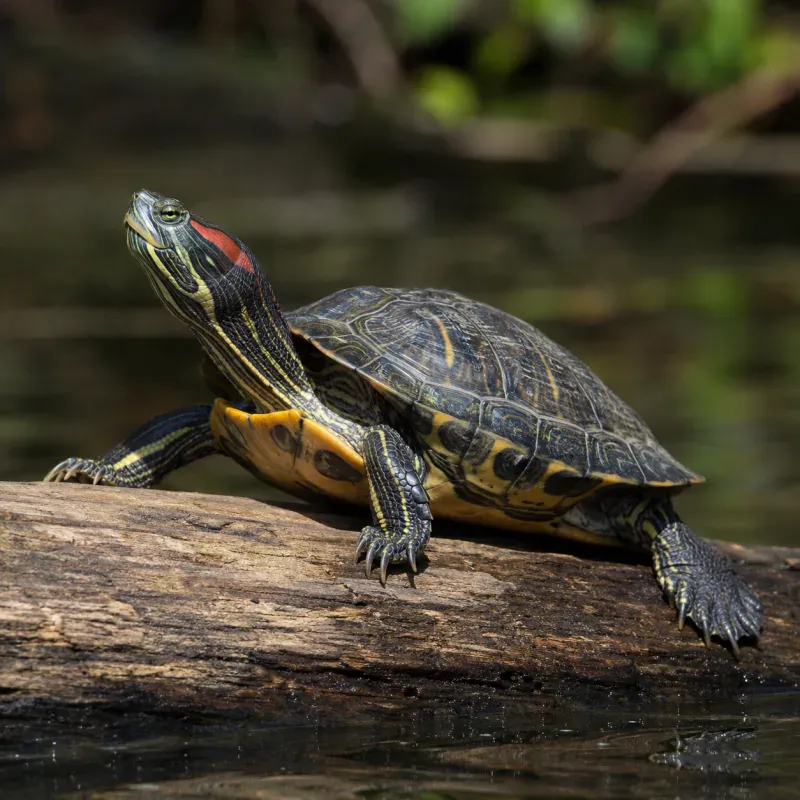
The red-eared slider (Trachemys scripta elegans) is the most popular pet turtle — and the most commonly abandoned. They grow from quarter-sized hatchlings to 10–12 inch adults needing 100+ gallons of water. Understand the commitment before buying.
Native to the Mississippi River basin, red-eared sliders are hardy, adaptable, and long-lived — often exceeding 30 years in captivity. Their popularity stems from their vivid green markings and the iconic red stripe behind each eye. However, their easy availability leads to impulse purchases and, later, neglect or illegal release. Before acquiring one, plan for a large aquarium, robust filtration, and a decade-plus responsibility.
Natural History and Behavior
In the wild, red-eared sliders bask on logs and rocks, often in large groups. They are diurnal, spending mornings basking and afternoons foraging. They are excellent swimmers but also enjoy resting on submerged branches. Understanding these behaviors helps replicate a suitable captive environment.
Lifespan and Growth Rate
With proper care, red-eared sliders can live 20–40 years. Growth is rapid in the first few years: hatchlings (1 inch) can reach 4–5 inches by year two, and 8–10 inches by year five. Females typically grow larger than males, with males reaching 7–9 inches and females 10–12 inches. This growth directly impacts tank size requirements.
Aquatic Setup
Tank size rule: 10 gallons of water per inch of shell. A 6" turtle needs 60 gallons minimum. Full-grown adult: 100–120 gallons. Avoid "starter kits" — universally too small. Above-tank basking platform is essential for the turtle to haul completely out of water.
The rule of thumb is simple: 10 gallons of water per inch of shell length. A hatchling may start in a 20-gallon, but within a year it will outgrow it. For a full-grown female, a 120-gallon tank (or a large stock tank) is often necessary. Bigger is always better — more water means more stable temperatures and diluted waste.
Step-by-Step Tank Setup
- Choose the right tank: Glass aquariums are standard; for adults, consider a 100–120 gallon or a 150-gallon stock tank. Ensure the tank is on a sturdy stand that can support the weight of water (10 lbs per gallon).
- Add substrate or none: Bare bottom or large river rocks (larger than the turtle's head) are safest. Avoid small gravel that can be ingested, causing impaction.
- Install filtration: Place a canister filter rated for 2–3 times the water volume. Position the intake and output to create gentle circulation.
- Heat the water: Use a submersible heater rated for the tank size (e.g., 200W for 60-100 gallons). Set to 75–80°F (24–27°C).
- Add lighting: Mount a T5 HO 10.0 UVB tube and a halogen flood lamp above the basking platform. Ensure the basking area is 90–95°F (32–35°C).
- Provide basking access: Use an above-tank basking platform or a sturdy basking dock that allows the turtle to climb completely out of water. The platform must support the turtle's full weight and remain dry.
- Decorate: Add driftwood, large rocks, or artificial plants for enrichment, but leave plenty of open swimming space.
- Cycle the tank: Before adding the turtle, run the filter for 2–4 weeks with a source of ammonia (fish food or pure ammonia) to establish beneficial bacteria.
Troubleshooting Common Setup Issues
- Cloudy water: Usually bacterial bloom or overfeeding. Test water parameters, reduce feeding, and perform a 25% water change.
- Algae growth: Reduce lighting duration to 10 hours, clean the glass, and consider adding algae-eating snails or fish (but note that turtles may eat them).
- Water temperature too cold: Check heater wattage and placement; ensure water circulation around the heater.
- Turtle not basking: Ensure the basking area is easily accessible, dry, and at the correct temperature. Sometimes turtles need time to adjust.
Water Quality Management
Even with excellent filtration, turtles produce a heavy bioload. Weekly 25–30% water changes are mandatory. Use a gravel vacuum to remove debris from the bottom. Treat tap water with a dechlorinator. Test water parameters monthly (ammonia, nitrite, nitrate, pH) to ensure a healthy environment.
Filtration
Turtles produce 5–10× the waste of fish. Use a canister filter rated for 2–3× the actual water volume. 100-gallon tank needs a filter for 250–300 gallons. Weekly 25–30% water changes still required.
The key to clear, healthy water is over-filtration. A canister filter is the best choice because it provides mechanical, chemical, and biological filtration. The filter should be rated for at least double the tank's water volume — for a 100-gallon tank, choose a filter rated for 250–300 gallons.
Choosing the Right Filter
| Filter Type | Pros | Cons | Best For |
|---|---|---|---|
| Canister | High capacity, versatile media, quiet | More expensive, requires maintenance | All sizes, especially large tanks |
| HOB (Power) | Inexpensive, easy to maintain | Lower capacity, may not handle turtle waste | Small tanks (<40 gallons), as backup |
| Sponge | Cheap, safe for hatchlings | Limited biological capacity | Quarantine tanks, or with other filters |
Maintenance Schedule
- Weekly: Rinse mechanical media (sponge) in tank water (never tap water) to remove debris.
- Monthly: Clean the impeller and tubing; check for clogs.
- Every 3-6 months: Replace or rinse chemical media (carbon) as needed; replace biological media if deteriorating.
- Never: Clean all media at once — this destroys beneficial bacteria.
Water Change Protocol
- Use a siphon or pump to remove 25–30% of the water.
- Vacuum the substrate (if any) to remove uneaten food and feces.
- Refill with dechlorinated water at the same temperature.
- Add a water conditioner if needed.
Basking Platform & UVB
| Parameter | Value |
|---|---|
| Basking temp | 90–95°F (32–35°C) |
| Water temp | 75–80°F (24–27°C) |
UVB: T5 HO 10.0 tube over basking area. Replace every 6–12 months. Halogen flood for basking. 12-hour photoperiod. Turtle must be able to get completely dry.
Basking is non-negotiable. It allows the turtle to regulate body temperature, dry off to prevent shell rot, and synthesize vitamin D3 for calcium metabolism. Without UVB, metabolic bone disease (MBD) is inevitable.
Setting Up the Perfect Basking Area
- Choose a platform: Above-tank basking platforms maximize swimming space and allow the turtle to climb completely out of water. DIY options include egg crate grids and acrylic platforms.
- Position the heat lamp: A halogen floodlight (50–75W for most setups) should be placed 6–12 inches above the platform, creating a basking spot of 90–95°F. Use a thermometer to verify.
- Install UVB tube: A T5 HO 10.0 tube should span the length of the basking area. Place it within 12 inches of the turtle's back. Replace the bulb every 6–12 months, even if it still emits visible light — UVB output diminishes over time.
- Set a timer: 12 hours on, 12 hours off, to mimic natural day/night cycles.
- Ensure dryness: The platform must be completely dry; if it's wet, the turtle won't bask properly, leading to shell rot.
Lighting Requirements
| Light Type | Purpose | Duration | Replacement |
|---|---|---|---|
| UVB (T5 HO 10.0) | Vitamin D3 synthesis, calcium metabolism | 10–12 hours/day | Every 6–12 months |
| Halogen flood (basking) | Heat source | 10–12 hours/day | When burnt out |
| LED (optional) | Visible light for plant growth | 10–12 hours/day | When burnt out |
Common Basking Mistakes
- No UVB: Leads to MBD, soft shell, and death.
- Bulb too far: UVB intensity drops with distance; keep within 12 inches.
- Basking area too small: The turtle should be able to turn around and fully dry off.
- Water temperature too high: If water is above 80°F, the turtle may stay in water and not bask.
Diet
Omnivores — diet shifts with age. Juveniles: 50% protein (pellets, insects), 50% greens. Adults: 70% greens (dandelion, collard, romaine, duckweed), 30% protein (quality turtle pellets). Calcium block or cuttlebone always available. Never: raw meat, goldfish (thiaminase), iceberg lettuce.
Feeding a balanced diet is crucial for shell health and longevity. Juveniles need more protein for growth, while adults require more fiber and calcium to prevent obesity and shell pyramiding.
Feeding Schedule by Age
| Age | Frequency | Portion Size |
|---|---|---|
| Hatchling (<1 year) | Daily | As much as they can eat in 5 minutes |
| Juvenile (1–3 years) | Every other day | Amount that fits in the turtle's head |
| Adult (3+ years) | 2–3 times per week | Leafy greens and protein as above |
Recommended Foods
- Leafy greens: Dandelion greens, collard greens, romaine lettuce, duckweed, water hyacinth, mustard greens.
- Protein: Quality commercial turtle pellets (e.g., Mazuri, Zoo Med), earthworms, crickets, mealworms (occasionally).
- Vegetables: Shredded carrots, squash, bell peppers (in moderation).
- Calcium: Cuttlebone or a calcium block always available; dust food with calcium powder 2–3 times per week.
Foods to Avoid
- Raw meat: Can contain parasites and bacteria; also high in fat.
- Goldfish and feeder fish: Contain thiaminase, which destroys vitamin B1, leading to neurological issues.
- Iceberg lettuce: Almost no nutritional value.
- Bread, dairy, processed foods: Indigestible and harmful.
Supplementation
Calcium is critical. Provide a cuttlebone or calcium block at all times. For juveniles, dust food with a reptile calcium powder (without D3 if UVB is provided) twice a week. Multivitamins can be given once a week but are often unnecessary if the diet is varied.
Avoid These Errors
- Tiny tank: Those plastic "turtle lagoons" are animal cruelty. 10 gal/inch of shell.
- Inadequate filtration: Without massive over-filtration, water becomes toxic within days.
- No UVB above basking platform: Turtle must dry out completely under UVB to prevent shell rot and MBD.
- Never release unwanted turtles: Illegal and ecologically devastating.
Beyond these, several other mistakes are common among new keepers:
- Overfeeding: Leads to obesity, shell deformities, and water quality issues.
- Ignoring water temperature: Cold water causes respiratory infections and suppresses the immune system.
- Skipping water changes: Ammonia buildup can cause eye infections and shell ulcers.
- Handling too often: Turtles are not social; excessive handling causes stress and can lead to bites.
- Keeping multiple turtles together: Can cause aggression, fighting, and injury. If kept together, provide ample space and hiding spots.
Seasonal Care Guide
Red-eared sliders experience seasonal changes in the wild, and replicating some of these rhythms supports their health. In summer, they are more active and may eat more. In winter, they may slow down and bask more. During the cooler months, ensure water temperature remains stable at 75–80°F; a reliable heater is essential. In summer, monitor water temperature to prevent overheating, especially if the tank is near a window. Adjust feeding frequency: adults may eat less in winter, but juveniles should continue their regular schedule. Always provide a consistent photoperiod of 12 hours throughout the year.
Winter Care Tips
- Check the heater daily; a malfunction can drop water temperature quickly.
- Reduce feeding frequency for adults, but do not stop entirely unless the turtle is brumating (which is not recommended indoors).
- Keep the tank away from drafty windows to avoid temperature swings.
- If you notice the turtle becoming lethargic, verify water temperature and UVB output.
Summer Care Tips
- Monitor water temperature to stay below 80°F; use a fan or air conditioning if needed.
- Increase water changes to 30% weekly if the turtle is eating more and producing more waste.
- Ensure the basking area does not exceed 95°F, which could cause overheating.
- Provide extra swimming space and enrichment, as turtles are more active.
Cost Breakdown & Budgeting
Owning a red-eared slider involves significant initial and ongoing costs. The initial setup can exceed $500, and monthly expenses add up. Below is a realistic breakdown.
| Item | Initial Cost | Ongoing Cost |
|---|---|---|
| Tank (100–120 gal) | $200–$400 | — |
| Canister filter | $100–$250 | — |
| Heater (200W) | $20–$40 | — |
| UVB & heat lamps | $50–$100 | Bulb replacement $30–$60 every 6–12 months |
| Substrate/decor | $30–$100 | — |
| Water conditioner | $10–$20 | $5–$10 per month |
| Food (pellets, greens) | $20–$50 | $15–$30 per month |
| Vet visits (annual) | — | $50–$150 per year |
Total initial setup: $400–$1000. Monthly: $20–$50. Budgeting for these costs ensures you can provide proper care without financial strain.
Health & Disease
Red-eared sliders are hardy, but they can suffer from several health issues, mostly due to poor husbandry.
Common Health Problems
| Condition | Symptoms | Cause | Treatment |
|---|---|---|---|
| Metabolic Bone Disease (MBD) | Soft shell, deformed limbs, lethargy | Lack of UVB and calcium | Correct UVB, calcium supplementation, veterinary care |
| Shell Rot | White or soft patches on shell, foul odor | Bacterial/fungal infection from wet basking area | Dry-docking, antiseptic wash, vet visit |
| Respiratory Infection | Open-mouth breathing, wheezing, nasal discharge | Cold water, drafts | Raise water temp, vet-prescribed antibiotics |
| Eye Infection | Swollen, closed eyes | Poor water quality, vitamin A deficiency | Improve water, vitamin A supplement, vet |
| Parasites | Weight loss, diarrhea, listlessness | Contaminated food or water | Fecal exam, vet-prescribed dewormer |
Preventive Care
- Maintain water quality with weekly changes.
- Provide UVB and proper temperatures.
- Feed a balanced diet with calcium supplementation.
- Quarantine new turtles for 30 days before introducing.
- Annual vet check-ups are recommended.
Handling and Interaction
Turtles are not cuddly pets. They are best observed, not handled. When handling is necessary (e.g., for tank cleaning), do so gently and briefly. Always wash your hands after handling, as turtles can carry Salmonella.
Safe Handling Tips
- Support the turtle's body with both hands, avoiding the shell edges.
- Never pick up a turtle by its tail — this can cause spinal injury.
- Keep handling sessions under 5 minutes.
- Wash hands thoroughly with soap and water.
Breeding Considerations
Breeding red-eared sliders in captivity is possible but not recommended for beginners. It requires a proper brumation period, large outdoor ponds, and extensive care for hatchlings. If you do not intend to breed, keep males and females separate to avoid stress and unwanted eggs.
Sexing Red-Eared Sliders
| Characteristic | Male | Female |
|---|---|---|
| Size | 7–9 inches | 10–12 inches |
| Claws | Long front claws | Shorter claws |
| Tail | Thicker, longer | Shorter, thinner |
| Plastron | Concave | Flat or slightly convex |
Legal and Ethical Considerations
In many regions, red-eared sliders are considered invasive species. Releasing them into the wild is illegal in most places and harms native ecosystems. They outcompete native turtles for food and basking sites. If you can no longer keep your turtle, contact a reptile rescue or rehome it through a responsible owner.
Frequently Asked Questions
How much does a red-eared slider cost?
Hatchlings can cost $10–$30, but the initial setup (tank, filter, heater, lighting) often exceeds $500. Full-grown adults can be adopted for free from rescues.
Can I keep two red-eared sliders together?
It's possible but risky. They are territorial and may fight, especially if space is limited. If kept together, provide a tank of at least 200 gallons for two adults and multiple basking spots. Separate them immediately if aggression occurs.
What do I do if my turtle stops eating?
First, check water temperature — it should be 75–80°F. If the turtle is cold, it may not eat. Also check for signs of illness (lethargy, discharge). If the turtle hasn't eaten for more than a week, consult a reptile veterinarian.
How often should I clean the tank?
Perform a 25–30% water change weekly. Deep clean the entire tank (including substrate and decor) once a month, but never remove all the water at once, as this destroys beneficial bacteria.
Do red-eared sliders need a heat lamp at night?
No, red-eared sliders do not need a heat lamp at night. They require a 12-hour photoperiod with lights off at night to mimic natural day/night cycles. The water temperature should remain stable at 75–80°F, which is maintained by the submersible heater, not the basking lamp.
How can I tell if my turtle is healthy?
A healthy red-eared slider is alert, swims actively, basks regularly, and has clear eyes and a hard, smooth shell. It should eat eagerly according to its age-based schedule. Watch for signs of illness like lethargy, discharge, or soft shell, and consult a vet if any appear.
Related Reading
- Red-Eared Slider Tank Setup: Filtration & Dock — Learn how to set up the perfect tank with proper filtration and basking dock.
- Red-Eared Slider Diet: Pellets, Vegetables & Feeding — Discover the ideal diet including pellets, vegetables, and feeding tips.
- Red-Eared Slider Basking & Lighting Guide — Get essential basking and lighting advice to keep your slider healthy.
- Red-Eared Slider Health: Shell Rot & Respiratory Infection — Recognize and treat common health issues like shell rot and respiratory infections.
- Red-Eared Slider Feeding Guide: Nutrition & Schedule — Follow a complete feeding schedule and nutrition plan for all life stages.
Check optimal temps, calculate feeding, and find your perfect species match.
References
- Ernst, C. H., & Lovich, J. E. (2009). Turtles of the United States and Canada. Johns Hopkins University Press.
- Highfield, A. C. (2014). Practical Encyclopedia of Keeping and Breeding Tortoises and Freshwater Turtles. Carapace Press.
- McArthur, S., Wilkinson, R., & Meyer, J. (2004). Medicine and Surgery of Tortoises and Turtles. Blackwell Publishing.
- Palika, L. (2007). Turtles and Tortoises for Dummies. Wiley Publishing.
🐾 Join the Community
See how other keepers set up their enclosures, ask questions, and share your experience.
🛠️ Apply What You Learned
Check optimal temps, calculate feeding schedules, and get calcium dosage — all personalized for your species.
Comments