Red-Eared Slider Basking & Lighting Guide
Introduction
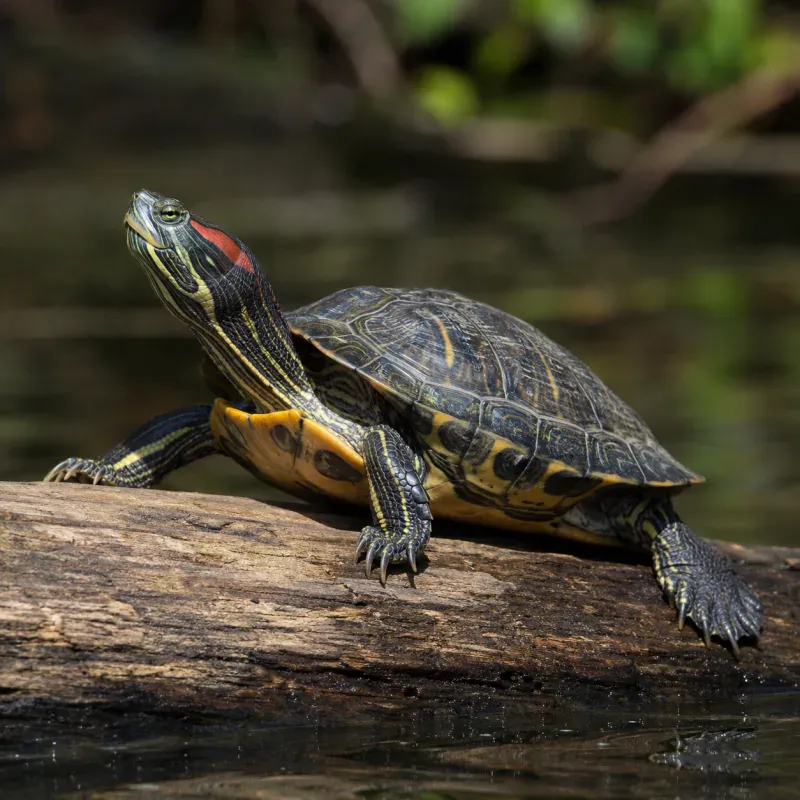
Red-Eared Sliders (Trachemys scripta elegans) are one of the most popular aquatic turtle species in the pet trade, but their care is often misunderstood. Proper basking and lighting are critical for their health, as these diurnal reptiles rely on UVB light to synthesize vitamin D3, which is essential for calcium absorption and shell growth. In this guide, we’ll walk you through the UVB requirements, basking platform setup, light cycle, and temperature needs to keep your slider thriving.
Why Basking and Lighting Matter
Red-Eared Sliders are ectothermic (cold-blooded) and need external heat sources to regulate their body temperature. Basking allows them to dry off, warm up, and absorb UVB rays. Without proper lighting, they can develop metabolic bone disease (MBD), soft shell, and other serious health issues. A well-designed basking area also encourages natural behaviors like climbing and resting.
UVB Requirements for Red-Eared Sliders
UVB light is non-negotiable for Red-Eared Sliders. It enables them to produce vitamin D3, which helps metabolize calcium. Without it, they cannot absorb calcium from their diet, leading to shell deformities and weakness.
UVB Bulb Types
- Linear fluorescent tubes (e.g., ReptiSun 5.0 or 10.0, Arcadia 6% or 12%): Best for large tanks because they provide even coverage. Mount 6–8 inches above the basking platform.
- Compact fluorescent bulbs: Less effective due to narrow beam; only suitable for small tanks (under 20 gallons). Replace every 6 months.
- Mercury vapor bulbs: Provide both UVB and heat; ideal for large enclosures. Mount at least 12 inches away to avoid burns.
UVB Output and Strength
For Red-Eared Sliders, a UVB index (UVI) of 3.0–5.0 at the basking spot is ideal. Use a Solarmeter 6.5 to measure output. Replace UVB bulbs every 6–12 months, as output degrades even if the bulb still emits visible light.
Placement and Distance
The UVB bulb should be positioned directly above the basking platform, with no glass or plastic blocking the rays (these materials filter out UVB). Distance depends on bulb type: 6–8 inches for linear tubes, 12–18 inches for mercury vapor bulbs.
Basking Platform Setup
The basking platform is where your turtle will haul out to dry and warm up. It must be sturdy, easy to climb, and positioned under both heat and UVB lights.
Materials and Design
- Commercially available platforms: Look for floating docks (e.g., Penn-Plax Turtle Dock, Zoo Med Turtle Dock) or suction-cup basking ledges. Ensure they are non-porous and easy to clean.
- DIY options: Use a plastic storage bin with a ramp, or a piece of driftwood (ensure it’s reptile-safe, like grapevine or mopani wood). Avoid treated wood or resin that could leach chemicals.
- Size: The platform should be large enough for the turtle to fully emerge from the water and turn around. A 10-inch slider needs at least a 12x12 inch platform.
Ramp and Accessibility
The ramp should have a rough texture (e.g., reptile carpet, silicone dots, or natural stone) to prevent slipping. The angle should be no steeper than 45 degrees. Ensure the platform sits 2–4 inches above the water line so the turtle can climb out easily.
Placement in the Enclosure
Position the basking platform on one end of the tank, away from the filter intake and water currents. The basking area should be dry and well-drained—avoid water pooling on top.
Step-by-Step: Setting Up Your Basking Area
Follow these steps to create a safe, functional basking area for your Red-Eared Slider.
- Choose the location: Place the basking platform at one end of the tank, away from the filter intake and water currents.
- Install the platform: Secure the platform so it sits 2–4 inches above the water line and is stable when the turtle climbs on.
- Position the heat lamp: Mount a 75–100 watt incandescent or halogen flood bulb 6–12 inches above the platform. Aim for a surface temperature of 90–95°F (32–35°C).
- Position the UVB bulb: Mount the UVB bulb directly above the platform, following the recommended distance for your bulb type (6–8 inches for linear tubes, 12–18 inches for mercury vapor). Ensure no glass or plastic blocks the rays.
- Set the timer: Use a timer to automate the light cycle—12–14 hours on in spring/summer, 10–12 hours in fall/winter.
- Measure and adjust: Use a digital infrared thermometer to check the basking surface temperature and a Solarmeter 6.5 to verify UVB output (UVI 3.0–5.0). Adjust bulb wattage or distance as needed.
Light Cycle and Photoperiod
Red-Eared Sliders need a consistent day/night cycle to regulate their circadian rhythm and prevent stress.
Recommended Light Cycle
| Season | Daytime Hours | Nighttime Hours |
|---|---|---|
| Spring/Summer | 12–14 hours | 10–12 hours |
| Fall/Winter | 10–12 hours | 12–14 hours |
Use a timer to automate the lights. This mimics natural seasonal changes and helps regulate breeding and brumation behaviors.
Nighttime
Turn off all lights at night. Red-Eared Sliders do not need colored night lights (e.g., red or blue bulbs), as these can disrupt their sleep. If you need to view them at night, use a low-wattage infrared light or a moonlight LED.
Temperature Requirements
Proper temperature gradients are essential for thermoregulation. The basking spot should be warmer than the water, and the water should have a cooler end.
Basking Spot Temperature
The surface temperature of the basking platform should be 90–95°F (32–35°C). Use a digital infrared thermometer to measure the basking surface—not the air. A 75–100 watt incandescent or halogen flood bulb (not a spot bulb) works well. Adjust wattage based on distance (6–12 inches above the platform) to achieve the target temperature.
Water Temperature
Maintain water temperature at 75–80°F (24–27°C) for adults, and 78–82°F (26–28°C) for hatchlings. Use a submersible heater with a thermostat to keep it stable. Avoid sudden temperature swings—use a thermometer to monitor daily.
Ambient Air Temperature
The air temperature in the enclosure should be 80–85°F (27–29°C). This is especially important in open-top tanks where heat escapes. A ceramic heat emitter (CHE) can help maintain ambient warmth without light.
Common Health Issues Related to Improper Basking and Lighting
Inadequate basking and lighting can lead to several health problems.
Metabolic Bone Disease (MBD)
Caused by calcium deficiency due to lack of UVB. Symptoms include soft shell, swollen limbs, lethargy, and jaw deformities. Treatment requires UVB correction, calcium supplementation, and veterinary care.
Shell Rot
Prolonged wetness and lack of drying can cause bacterial or fungal shell rot. The shell develops soft spots, pitting, or a foul odor. Fix by ensuring the basking area is fully dry and treating with antiseptic soaks (e.g., Betadine) as directed by a vet.
Respiratory Infections
Cold water or drafts can lead to pneumonia. Symptoms include open-mouth breathing, nasal discharge, and lethargy. Increase basking temperature to 95°F and consult a vet for antibiotics.
Pitfalls to Watch For
- Using only a heat lamp without UVB: This is the most common error. Turtles need both for proper health.
- Placing UVB bulb too far away: Distance reduces UVB output. Measure with a meter to ensure adequate levels.
- Not replacing UVB bulbs regularly: Even if the bulb still lights up, UVB output drops after 6 months.
- Basking platform too small or slippery: Turtles may refuse to bask if they feel insecure or can’t climb out.
- Inconsistent light cycle: Leaving lights on 24/7 disrupts sleep and can cause stress and illness.
- Ignoring water temperature: Cold water slows metabolism and increases risk of infection.
Comparison Table: UVB and Heat Bulb Options
| Bulb Type | UVB Output | Heat Output | Best For | Lifespan |
|---|---|---|---|---|
| Linear fluorescent (e.g., ReptiSun 5.0) | Moderate | None | Large tanks (40+ gal) | 12 months |
| Compact fluorescent (e.g., Zoo Med 10.0) | Low–Moderate | None | Small tanks (under 20 gal) | 6 months |
| Mercury vapor (e.g., Zoo Med PowerSun) | High | High | Large tanks (75+ gal) | 12 months |
| Halogen flood (heat only) | None | High | Basking spot (use with UVB) | 6–12 months |
Troubleshooting Common Basking and Lighting Problems
If your turtle isn’t basking or seems unhealthy, check for these common issues.
| Problem | Likely Cause | Solution |
|---|---|---|
| Turtle refuses to bask | Platform too slippery or small, or basking temperature too low | Add rough texture to the ramp, increase platform size, and ensure basking surface is 90–95°F |
| UVB bulb appears fine but turtle develops soft shell | Bulb output has degraded beyond safe levels | Replace the UVB bulb (every 6–12 months) and verify output with a Solarmeter 6.5 |
| Water temperature fluctuates | Heater wattage too low or thermostat malfunction | Use a submersible heater with a thermostat, and monitor daily with a thermometer |
| Basking area stays wet | Platform not elevated enough or water currents splash onto it | Raise the platform 2–4 inches above the water line and move it away from filter output |
| Turtle sleeps excessively or is lethargic | Light cycle too long or too short, or ambient temperature too cool | Stick to recommended photoperiod and maintain ambient air at 80–85°F |
Seasonal Care Adjustments
Adjust your lighting and heating setup as seasons change to mimic natural conditions.
- Spring/Summer: Provide 12–14 hours of daylight. Monitor basking temperature closely, as room temperatures may rise; adjust bulb wattage if the basking spot exceeds 95°F.
- Fall/Winter: Reduce daylight to 10–12 hours. If your home gets cooler, use a ceramic heat emitter to maintain ambient air at 80–85°F. Keep water temperature stable with a submersible heater.
- Brumation consideration: Some sliders may slow down in winter, but do not force brumation unless you are experienced—consult a reptile vet for guidance if you notice a significant decrease in activity.
Cost Breakdown: Initial Setup and Ongoing Expenses
Understanding the costs involved in setting up and maintaining proper basking and lighting helps you budget and avoid cutting corners on essential equipment.
Initial Setup Costs
| Item | Typical Price Range | Notes |
|---|---|---|
| UVB linear fluorescent fixture + bulb | $30–$60 | For tanks 40+ gallons; includes fixture and one bulb. |
| Mercury vapor bulb (if chosen) | $40–$70 | Provides both UVB and heat; ideal for large tanks. |
| Heat lamp fixture (clamp or dome) | $15–$30 | Holds a halogen or incandescent bulb. |
| Halogen flood bulb (75–100W) | $8–$15 | Heat only; replace every 6–12 months. |
| Digital infrared thermometer | $15–$25 | For measuring basking surface temperature. |
| Solarmeter 6.5 (optional but recommended) | $50–$80 | Measures UVB index to verify output. |
| Timer for light cycle | $10–$20 | Automates day/night photoperiod. |
Ongoing Maintenance Costs
- UVB bulb replacement: Every 6–12 months, costing $15–$40 per bulb depending on type.
- Heat bulb replacement: Every 6–12 months, costing $8–$15 per bulb.
- Electricity: Running lights and heaters adds roughly $5–$15 per month, depending on wattage and local rates.
Investing in quality equipment upfront and replacing bulbs on schedule is far cheaper than treating health issues like metabolic bone disease.
Common Mistakes to Avoid
Even experienced keepers can slip up. Here are the most frequent mistakes and how to avoid them.
- Using a UVB bulb behind glass or plastic: These materials block UVB rays entirely. Always mount the bulb directly over the basking area with no barrier.
- Choosing a spot bulb for heat: Spot bulbs concentrate heat into a small area, risking burns. Use a flood bulb for even heating.
- Placing the basking platform in a high-traffic area: Turtles need a quiet, secure spot to bask; constant movement outside the tank can cause stress and reduce basking.
- Skipping regular UVB measurement: Without a Solarmeter, you’re guessing. UVB output drops gradually, so measure monthly to ensure levels stay within UVI 3.0–5.0.
- Forgetting to adjust for seasonal temperature changes: In summer, room heat may push basking temps over 95°F; in winter, ambient air may drop. Adjust bulb wattage or distance accordingly.
Conclusion
Setting up proper basking and lighting for your Red-Eared Slider is not optional—it’s a cornerstone of their health and longevity. By providing a UVB source, a well-designed basking platform, a consistent light cycle, and appropriate temperatures, you’ll help your turtle live a long, active life (30+ years in captivity!). Monitor temperatures and UVB output regularly, and don’t hesitate to consult a reptile veterinarian if you notice any signs of illness.
Related Reading
- Red-Eared Slider Care Guide — Complete aquatic turtle manual.
- Red-Eared Slider Diet Guide — Pellets, vegetables, and protein.
- Reptile UVB Lighting Guide — Ferguson Zones and bulb selection.
Frequently Asked Questions
What UVB index is recommended for Red-Eared Sliders at the basking spot?
A UVB index (UVI) of 3.0–5.0 at the basking spot is ideal for Red-Eared Sliders. Use a Solarmeter 6.5 to measure the output, and replace UVB bulbs every 6–12 months as output degrades over time.
What are the recommended basking and water temperatures for adult Red-Eared Sliders?
The basking platform surface temperature should be 90–95°F (32–35°C), measured with a digital infrared thermometer. Water temperature should be maintained at 75–80°F (24–27°C) for adults, and 78–82°F (26–28°C) for hatchlings.
Why is UVB lighting essential for Red-Eared Sliders?
UVB light enables Red-Eared Sliders to produce vitamin D3, which is necessary for metabolizing calcium. Without UVB, they cannot absorb calcium from their diet, leading to metabolic bone disease, soft shell, and other serious health issues.
What are the recommended daytime light hours for Red-Eared Sliders in different seasons?
In spring and summer, provide 12–14 hours of daytime light and 10–12 hours of nighttime darkness. In fall and winter, reduce daytime to 10–12 hours and increase nighttime to 12–14 hours, using a timer to automate the cycle.
How often should I replace my UVB bulb?
Replace UVB bulbs every 6–12 months, even if they still emit visible light. UVB output degrades over time, so regular replacement is essential to maintain adequate levels for your turtle's health.
Can I use a heat lamp without a UVB bulb?
No, using only a heat lamp without UVB is a common mistake. Red-Eared Sliders need both heat and UVB to properly metabolize calcium and maintain healthy shell growth. Without UVB, they are at risk for metabolic bone disease.
What should I do if my turtle's shell appears soft or has pits?
Soft spots or pitting can indicate metabolic bone disease or shell rot. Ensure UVB and basking temperatures are correct, and consult a reptile veterinarian for a proper diagnosis and treatment plan.
How much does it cost to set up proper basking and lighting?
Initial setup costs range from roughly $100 to $250, depending on whether you choose a linear fluorescent or mercury vapor UVB bulb, plus fixtures, thermometer, and timer. Ongoing costs include bulb replacements every 6–12 months and a small increase in electricity (about $5–$15 per month).
What is the ideal distance for a mercury vapor bulb?
Mount mercury vapor bulbs at least 12 inches away from the basking platform to avoid burns. For linear fluorescent tubes, the recommended distance is 6–8 inches. Always verify with a Solarmeter to achieve a UVI of 3.0–5.0.
Can I use a red or blue night light for viewing?
No, colored night lights can disrupt your turtle's sleep cycle. If you need to observe at night, use a low-wattage infrared light or a moonlight LED, which are less intrusive.
Check optimal temps, calculate feeding, and find your perfect species match.
References
- Boyer, T. H. & Boyer, D. M. (2015). Reptile and Amphibian Medicine. Elsevier.
- Mader, D. R. (2006). Reptile Medicine and Surgery. Saunders.
- Rossi, J. V. & Rossi, R. (2017). The Red-Eared Slider Care Guide. TFH Publications.
- Wright, K. M. & Whitaker, B. R. (2001). Amphibian Medicine and Captive Husbandry. Krieger Publishing.
🐾 Join the Community
See how other keepers set up their enclosures, ask questions, and share your experience.
🛠️ Apply What You Learned
Check optimal temps, calculate feeding schedules, and get calcium dosage — all personalized for your species.
Comments
No account needed — corrections, updates and questions are all welcome. For a full question with photos, the community Q&A is the better place.