Red-Eared Slider Health: Shell Rot & RI Signs
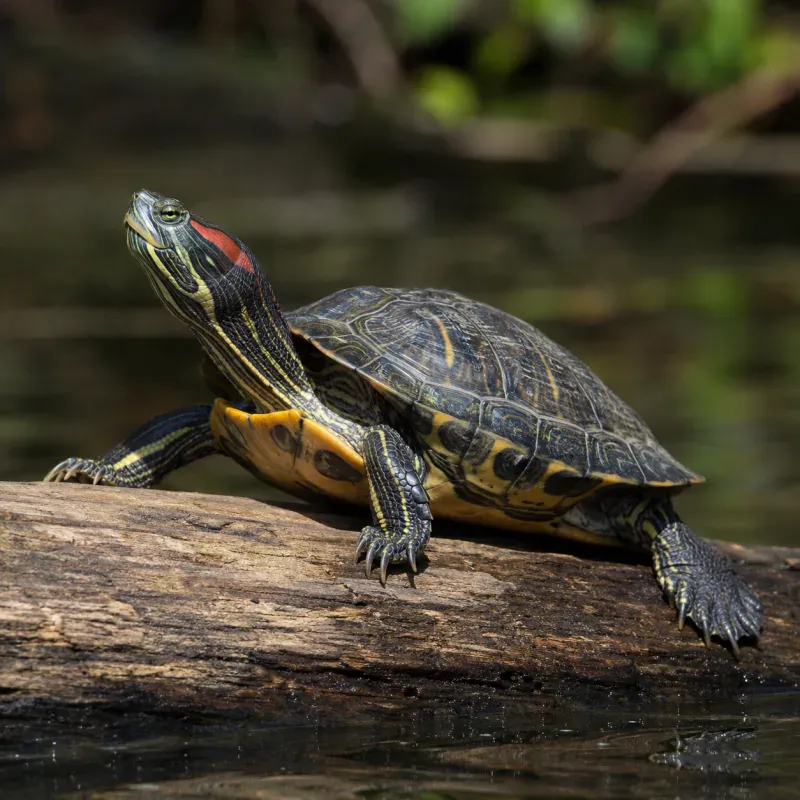
Enclosure Setup
A proper enclosure is the foundation of red-eared slider health. These aquatic turtles need a spacious tank—at least 40 gallons for a juvenile and 75–120 gallons for an adult. The water depth should be at least 1.5 times the turtle's shell length, with a sturdy basking platform that allows complete drying. Use a high-quality canister filter rated for 2–3 times the tank volume to maintain water quality. Include a UVB lamp (5–10% UVB) and a heat lamp over the basking area. Avoid sharp decorations that can damage the shell.
Heating and Lighting
Red-eared sliders are ectothermic and require precise temperature gradients. Water temperature should be 75–80°F (24–27°C) for adults, slightly warmer for hatchlings (78–82°F). The basking area must reach 90–95°F (32–35°C). Use a submersible heater with a thermostat and a separate thermometer for accuracy. UVB lighting is essential for vitamin D3 synthesis and calcium metabolism; replace bulbs every 6–12 months. Provide a 12-hour light/dark cycle. Without proper UVB, turtles develop metabolic bone disease.
Humidity and Water Quality
Aquatic turtles require high humidity (70–80%) in the water, but the basking area should be dry. Use a dechlorinator or aged water for water changes. Perform partial water changes (25–50%) weekly, and full cleanings monthly. Test water parameters: ammonia (0 ppm), nitrite (0 ppm), nitrate (<40 ppm), and pH (6.5–7.5). Poor water quality is a leading cause of shell rot and respiratory infections. A UV sterilizer can help control pathogens.
Diet and Feeding
A balanced diet prevents vitamin A deficiency and other issues. Feed juveniles daily, adults every 2–3 days. Offer 50% commercial pellets (high in vitamin A), 25% leafy greens (dandelion, collard, mustard), and 25% protein (earthworms, feeder fish, insects). Avoid spinach and iceberg lettuce. Dust food with calcium powder (without D3) every other feeding, and a multivitamin supplement once weekly. Overfeeding leads to obesity and shell deformities.
Handling and Stress
Minimize handling to reduce stress, which suppresses immunity. Always wash hands before and after. Support the turtle with both hands, avoiding the tail. Signs of stress include hiding, refusing food, and excessive basking. Stress predisposes turtles to respiratory infections and parasites. Provide hiding spots (e.g., PVC pipes, cork bark). Quarantine new turtles for 30–60 days.
Common Health Issues
Red-eared sliders are susceptible to several preventable diseases. Below is a comparison of the four most common health issues.
| Condition | Causes | Symptoms | Treatment | Prevention |
|---|---|---|---|---|
| Shell Rot | Bacterial/fungal infection; poor water quality, injuries | Soft spots, pitting, foul odor, discoloration | Vet-prescribed antibiotics, dry docking, debridement | Clean water, dry basking area, no sharp objects |
| Respiratory Infection | Bacteria (e.g., Mycoplasma); cold water, drafts, stress | Wheezing, nasal discharge, open-mouth breathing, lethargy | Vet-prescribed antibiotics, heat therapy (85–90°F) | Stable water temp, UVB, low stress |
| Vitamin A Deficiency | Poor diet lacking vitamin A | Swollen eyes, lethargy, respiratory signs, skin shedding | Vitamin A injection (vet), dietary correction | Feed vitamin-A-rich foods (carrots, squash, pellets) |
| Parasites | Internal (nematodes, protozoa) or external (leeches, flukes) | Weight loss, diarrhea, visible worms, scratching | Vet-prescribed dewormers, quarantine | Quarantine new turtles, clean food, regular fecal exams |
Shell Rot
Shell rot is a bacterial or fungal infection that causes pits, soft spots, and a foul odor. It often results from poor water quality or injuries. Mild cases can be treated with dry docking (keeping the turtle out of water for 2–4 hours daily) and topical antiseptics like betadine. Severe cases require veterinary debridement and antibiotics. Prevention is key: maintain pristine water and a dry basking area.
Respiratory Infection
Respiratory infections are common in red-eared sliders kept in cold water or drafty enclosures. Symptoms include wheezing, bubbles from the nose, and open-mouth breathing. Increase water temperature to 85°F (29°C) as first aid, but always consult a vet for antibiotics. Untreated infections can lead to pneumonia and death.
Vitamin A Deficiency
Vitamin A deficiency (hypovitaminosis A) causes swollen eyes, lethargy, and respiratory issues. It is the most common nutritional disorder in aquatic turtles. Feed a diet rich in beta-carotene (carrots, sweet potatoes, dark leafy greens) and high-quality pellets. A single vitamin A injection from a vet can reverse early signs, but dietary correction is essential.
Parasites
Internal parasites (roundworms, tapeworms) and external parasites (leeches) are common in wild-caught or poorly quarantined turtles. Symptoms include weight loss, diarrhea, and visible worms in feces. A fecal exam by a vet is needed for diagnosis. Treatment involves fenbendazole or praziquantel. Prevent by quarantining new turtles and feeding only clean, captive-bred food.
What Beginners Often Get Wrong
- Overcrowding: Too many turtles in a small tank increases stress and disease transmission.
- Poor filtration: Using an undersized filter leads to ammonia spikes and shell rot.
- Inadequate UVB: Without UVB, turtles cannot absorb calcium, leading to metabolic bone disease.
- Feeding only pellets: A monotonous diet causes vitamin deficiencies.
- Ignoring quarantine: Introducing new turtles without isolation spreads parasites.
- Handling too much: Excessive handling stresses turtles and weakens immunity.
By addressing these common mistakes and following the care guidelines above, you can significantly reduce the risk of shell rot, respiratory infections, vitamin A deficiency, and parasites in your red-eared slider. Regular veterinary check-ups and water testing are essential for long-term health.
Related Reading
- Red-Eared Slider Care Guide — Complete husbandry manual.
- Common Reptile Health Issues — 10 conditions across species.
- RES Tank Setup Guide — Filtration and basking dock.
Frequently Asked Questions
What are the main causes and symptoms of shell rot in red-eared sliders?
Shell rot is caused by a bacterial or fungal infection, often resulting from poor water quality or injuries. Symptoms include soft spots, pitting, a foul odor, and discoloration on the shell.
How can I treat a mild case of shell rot at home?
Mild cases of shell rot can be treated with dry docking, which means keeping the turtle out of water for 2–4 hours daily, and applying topical antiseptics like betadine. Severe cases require veterinary debridement and antibiotics.
What are the symptoms of a respiratory infection and what immediate first aid is recommended?
Symptoms of a respiratory infection include wheezing, bubbles from the nose, open-mouth breathing, and lethargy. As first aid, increase the water temperature to 85°F (29°C), but always consult a vet for antibiotics since untreated infections can lead to pneumonia and death.
What dietary measures help prevent vitamin A deficiency in red-eared sliders?
To prevent vitamin A deficiency, feed a diet rich in beta-carotene from foods like carrots, sweet potatoes, and dark leafy greens, along with high-quality pellets. A single vitamin A injection from a vet can reverse early signs, but dietary correction is essential.
Check optimal temps, calculate feeding, and find your perfect species match.
References
- Boyer, T. H., & Boyer, D. M. (2006). Turtles, Tortoises, and Terrapins: A Complete Guide to Their Care and Conservation. TFH Publications.
- Mader, D. R. (2006). Reptile Medicine and Surgery. Saunders Elsevier.
- Rossi, J. V. (2006). Reptile and Amphibian Medicine. Mosby.
🐾 Join the Community
See how other keepers set up their enclosures, ask questions, and share your experience.
🛠️ Apply What You Learned
Check optimal temps, calculate feeding schedules, and get calcium dosage — all personalized for your species.
Comments
No account needed — corrections, updates and questions are all welcome. For a full question with photos, the community Q&A is the better place.