Kenyan Sand Boa Enclosure Setup: Complete Habitat Guide
Introduction
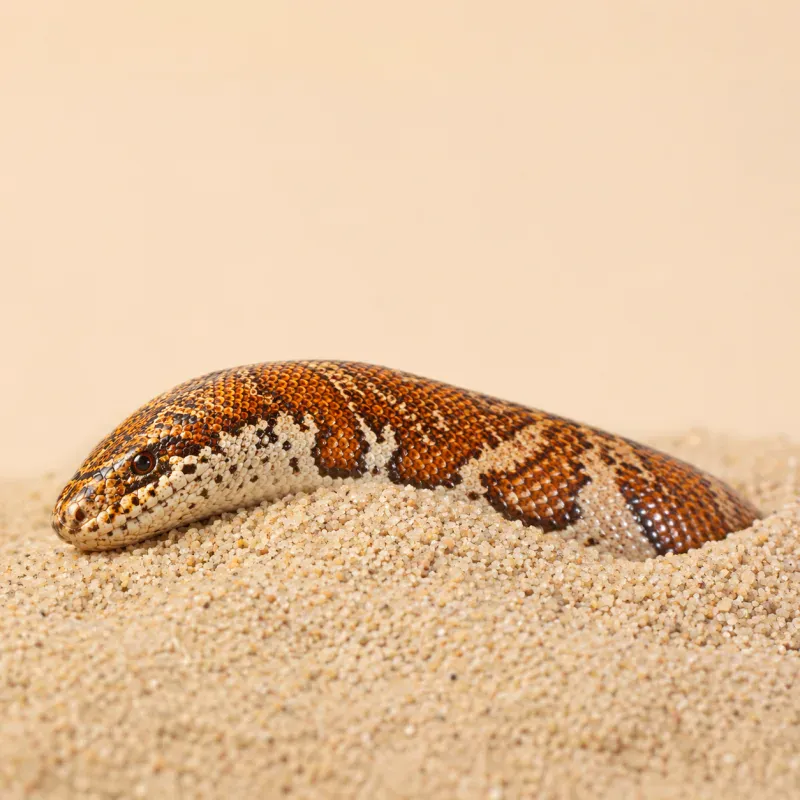
The Kenyan Sand Boa (Eryx colubrinus) is a small, fossorial desert snake native to East Africa. Its gentle temperament, manageable size (2–3 feet), and low-maintenance needs make it an excellent choice for both beginner and experienced reptile keepers. However, because this species spends most of its time burrowing, its enclosure must mimic its natural arid habitat. This guide covers everything you need to know about substrate depth, specialized heating for burrowers, feeding strategies, and common pitfalls to avoid.
In the wild, Kenyan Sand Boas inhabit sandy scrublands and semi-arid regions, where they spend up to 90% of their time buried beneath the surface, waiting to ambush prey. Replicating this environment in captivity is not just about aesthetics—it directly impacts your snake's physical health, stress levels, and natural behaviors. A properly designed enclosure will encourage burrowing, aid thermoregulation, and reduce the risk of common health issues.
Enclosure Size and Type
Kenyan Sand Boas are not climbers; they need floor space, not height. A 20-gallon long tank (30″ x 12″ x 12″) is sufficient for one adult. For juveniles, a 10-gallon tank works temporarily. Use a front-opening vivarium or a standard glass tank with a secure, ventilated lid. Avoid tall enclosures, as they waste heat and stress the snake.
Choosing the Right Enclosure Material
- Glass tanks: Classic choice; excellent visibility, but they can lose heat quickly. Use with a UTH and ensure a tight-fitting screen lid to prevent escape.
- PVC enclosures: Great heat retention and humidity control; slightly more expensive but ideal for consistent temperatures.
- Plastic tubs: Budget-friendly and lightweight; good for juveniles, but ensure adequate ventilation and visibility for observation.
Escape-proofing: Kenyan Sand Boas are surprisingly strong and can push against lids. Use clips or locks on any lid, and check for gaps around tubing or wires. A snake that escapes can get lost or injured, so invest in a secure setup from day one.
Substrate Depth: The Key to Natural Behavior
As obligate burrowers, Kenyan Sand Boas require deep, loose substrate to feel secure and thermoregulate. Minimum depth: 4–6 inches for adults, 3–4 inches for juveniles. Deeper is always better—8 inches is ideal for full burrowing.
Best substrates:
- Play sand (washed, chemical-free): Mimics natural habitat; holds burrows well when slightly damp. Rinse thoroughly before use to remove dust and impurities.
- Sand/soil mix (70% sand, 30% organic topsoil): Retains humidity slightly better and reduces dust. Ensure the topsoil contains no fertilizers or pesticides.
- Reptile-safe calcium sand: Avoid long-term use—can cause impaction if ingested. If used, monitor your snake closely and switch to a safer option after a few weeks.
- Aspen shavings or coconut coir: Acceptable but less natural; ensure it’s dust-free and not too compact. Aspen allows burrowing but may not hold tunnels as well as sand.
Avoid: gravel, bark chips, walnut shells, or any sharp/compacting materials. These can cause abrasions or impaction if ingested. Substrate should be dry on top but slightly damp at the bottom to maintain a humidity gradient. To achieve this, mix water into the lower layers during setup, or lightly mist the substrate and stir it occasionally.
Creating a Burrowing Enrichment Area
To encourage natural behavior, create a designated burrowing zone with extra-deep substrate (8–10 inches) in one corner. You can also add a few flat rocks or pieces of cork bark on the surface for optional hiding spots. Some keepers use a PVC pipe or a small cave buried partially in the substrate to simulate a burrow entrance. These additions provide variety and mental stimulation, reducing stress.
Heating for Burrowers
Kenyan Sand Boas thermoregulate by moving vertically through the substrate. A temperature gradient is essential:
- Basking surface temperature: 90–95°F (32–35°C) on the warm side.
- Cool side ambient: 75–80°F (24–27°C).
- Nighttime drop: 70–75°F (21–24°C) is acceptable.
Best Heating Methods
Under-tank heater (UTH) placed on one side, covering about 1/3 of the enclosure. This heats the substrate from below, mimicking the warm sand they encounter in the wild. Use a thermostat to prevent burns (set to 95°F max). Ceramic heat emitter (CHE) can supplement ambient temperature if needed, but avoid light-emitting bulbs that disrupt the day/night cycle.
Warning: Heat rocks are dangerous and can cause thermal burns. Always measure substrate temperature at the bottom of the warm side using a probe thermometer. Place the probe directly on the glass or bottom of the enclosure, where the snake's belly will contact it.
Thermostat Setup and Safety
A thermostat is non-negotiable for any heat source. Choose a proportional thermostat for the UTH, which adjusts power output to maintain a steady temperature. Set the thermostat to 95°F (35°C) as a maximum, but check the actual surface temperature with a digital thermometer. Place the probe in the warmest spot of the warm side, on the substrate surface. For the CHE, use a separate thermostat if needed, set to maintain the ambient temperature. Always unplug heat sources during cleaning or when handling the enclosure.
Monitoring Temperatures
Use a combination of thermometers: one on the warm side, one on the cool side, and a probe thermometer at the substrate bottom. Check temperatures daily, especially after seasonal changes or room temperature fluctuations. A temperature gun is handy for spot-checking surface temperatures. Keep a log to track patterns and identify issues early.
Lighting and Humidity
Lighting
Kenyan Sand Boas are crepuscular and do not require UVB lighting, though a low-level UVB (2–5%) can support vitamin D synthesis. Provide a 12-hour light cycle using a low-wattage LED or ambient room light. Avoid bright lights that stress the snake. If you use UVB, provide plenty of shaded areas and ensure the bulb is not too close to the substrate. A simple timer can automate the light cycle, simulating natural day/night rhythms.
Humidity
Arid species: keep humidity between 30–50%. Provide a humid hide (moss-filled container) on the cool side for shedding. Mist the substrate lightly once a week if humidity drops below 30%. Prolonged humidity above 60% can cause respiratory infections. Use a hygrometer to monitor levels, and adjust by adding or removing water from the substrate. In particularly dry climates, you may need to mist more frequently; in humid climates, ensure adequate ventilation.
Humid Hide Construction
Use a plastic container with an entrance hole, filled with damp sphagnum moss. Place it on the cool side, partially buried in the substrate. Keep the moss damp but not soaking. This hide is essential for shedding—your snake will use it to increase local humidity around its body, helping to shed in one piece. Replace the moss every few weeks to prevent mold growth.
Diet and Feeding Tips
Kenyan Sand Boas are constrictors that eat rodents. Feed frozen-thawed prey—never live, as live mice can injure the snake. Live prey can bite, scratch, or even kill a snake, especially a juvenile. Frozen-thawed is safer, more humane, and more convenient.
| Snake Size | Prey Size | Frequency |
|---|---|---|
| Hatchling (6–10″) | Pinkie mouse | Every 5–7 days |
| Juvenile (10–18″) | Fuzzy mouse | Every 7–10 days |
| Adult (18–36″) | Adult mouse (small) | Every 10–14 days |
Feeding technique: Offer prey with tongs near the snake’s burrow entrance. They may strike from hiding. If the snake is deep in substrate, gently uncover its head. Never handle for 48 hours after feeding to prevent regurgitation. This waiting period is crucial for digestion—handling too soon can cause stress and regurgitation, which is harmful to the snake.
Tips for picky eaters: Warm the prey to 100°F (using a hair dryer or warm water—never microwave). Scenting with a lizard scent can help. If a boa refuses food for more than 2 weeks, check temperatures and stress levels. Ensure the warm side is within range, and that the snake has enough substrate depth to feel secure. Sometimes moving the prey to a different location or offering at night can trigger feeding.
Feeding Schedule Considerations
Young snakes grow quickly and need more frequent feeding, while adults can go longer between meals. Adjust the schedule based on your snake's body condition—a healthy boa should have a rounded, but not overly fat, body. If you notice the snake is getting chunky, reduce prey size or frequency. Conversely, if the tail is thin or the spine is prominent, increase feeding. Always use prey that is about 1–1.5 times the width of the snake's thickest body part.
Feeding on a Dish
To prevent substrate ingestion, feed your snake on a flat dish or a piece of paper towel. This is especially important if you use sand, as accidental ingestion can lead to impaction. Place the dish in the enclosure a few minutes before offering prey, and remove any uneaten prey after 30–60 minutes if the snake isn't interested.
Handling and Behavior
Kenyan Sand Boas are docile but can be nervous. Start handling after the snake has eaten 2–3 times in your care. Support the body fully; they may try to burrow into your hand. Sessions should be short (5–10 minutes) initially, gradually increasing. Avoid handling during shed or after feeding.
Signs of stress: Hissing, tail vibrating, musking (releasing a foul smell). If this occurs, return the snake to its enclosure and try again later. These behaviors are defense mechanisms; with regular gentle handling, most boas become tolerant. Always approach slowly and avoid sudden movements.
Building Trust
Consistency is key. Handle your snake at the same time of day, in a quiet environment, and for short periods. Over time, your boa will associate you with safety, not threats. Avoid handling immediately after feeding or during shedding, as the snake is more vulnerable and stressed. If you have children, supervise handling to ensure gentle support.
Common Health Issues
- Respiratory infections: Caused by high humidity or cold temperatures. Symptoms: wheezing, bubbles around nose. Treat with vet-prescribed antibiotics and correct husbandry. Lower humidity, increase temperature, and ensure proper ventilation.
- Impaction: From ingesting substrate. Prevent by feeding on a dish or paper towel. Signs: lethargy, lack of appetite, straining. Soak in warm water (85–90°F) for 15–20 minutes daily and consult a vet if symptoms persist.
- Mites: Tiny black dots on skin. Quarantine, treat with reptile-safe mite spray, and disinfect enclosure. Replace substrate, wash all décor, and treat the snake as directed.
- Shedding problems: Retained eye caps or skin. Increase humidity and provide a humid hide. Never pull stuck shed—soak the snake in shallow warm water and let it shed naturally.
Recognizing Illness Early
Regularly observe your snake's behavior, appetite, and stool. Healthy boas are alert, have clear eyes, and shed in one piece. Lethargy, weight loss, or abnormal stools warrant a vet visit. Find a reptile-experienced veterinarian before you need one, so you know where to go in an emergency.
Errors to Avoid
- Shallow substrate: Less than 3 inches prevents burrowing and causes stress.
- Overhead heating only: Without UTH, the snake cannot warm its belly—essential for digestion.
- Overfeeding: Leads to obesity. Stick to the schedule above.
- Handling too soon: Wait 48 hours after feeding to avoid regurgitation.
- Using live prey: Risk of injury; always use frozen-thawed.
- Ignoring humidity: Too dry or too humid can cause health issues. Monitor with a hygrometer.
- Inadequate ventilation: Stagnant air can promote mold and respiratory issues. Ensure airflow without drafts.
- Skipping quarantine for new snakes: Isolate new additions for 30–90 days to prevent disease spread.
Conclusion
A well-set-up Kenyan Sand Boa enclosure with deep substrate, proper under-tank heating, and a consistent feeding routine will keep your snake healthy and active. These snakes are rewarding pets that thrive when their natural burrowing behavior is accommodated. Follow this guide, and your sand boa will live a long, stress-free life—up to 20 years in captivity.
Remember, every snake is an individual. Observe your pet's behavior and adjust the setup as needed. A happy Kenyan Sand Boa is one that burrows, feeds regularly, and sheds in one piece. With patience and attention to detail, you'll provide a habitat that meets all its needs.
FAQ
Can I keep two Kenyan Sand Boas together?
No, Kenyan Sand Boas are solitary and should be housed separately. They do not form social bonds and cohabitation can lead to stress, competition for resources, and even cannibalism in rare cases. Keep one per enclosure for optimal health.
How often should I clean the enclosure?
Spot-clean daily by removing feces and soiled substrate. Do a full substrate change every 4–6 weeks, or sooner if you notice odor or mold. Disinfect the enclosure with a reptile-safe cleaner during full changes, and rinse thoroughly.
What is the best way to maintain humidity in a dry climate?
Use a thick substrate layer (6–8 inches) and mix water into the lower layers. You can also place a shallow water dish on the warm side to increase evaporation, and mist the substrate lightly once a week. A humid hide is essential for shedding.
Why is my Kenyan Sand Boa not eating?
Common reasons include incorrect temperatures (especially the warm side being too cool), stress from handling or a new environment, or being in shed. Check temperatures, ensure the snake has deep substrate, and wait until after shedding. If the boa refuses food for more than 3–4 weeks, consult a reptile vet.
Related Reading
- Kenyan Sand Boa Care Guide — Complete species manual: enclosure, heating, handling.
- Rosy Boa Heating Guide — Similar desert boa heating requirements and setup tips.
- Ball Python Enclosure Setup: PVC vs Glass vs Tub — Enclosure comparison applicable to sand boas.
- Kenyan sand boa morphs — pattern and color varieties with typical prices.
Check optimal temps, calculate feeding, and find your perfect species match.
References
- https://www.reptifiles.com/kenyan-sand-boa-care-guide/
- https://www.thesprucepets.com/kenyan-sand-boa-care-1238732
- https://www.reptilesmagazine.com/kenyan-sand-boa-care/
- https://vcahospitals.com/know-your-pet/kenyan-sand-boa
🐾 Join the Community
See how other keepers set up their enclosures, ask questions, and share your experience.
🛠️ Apply What You Learned
Check optimal temps, calculate feeding schedules, and get calcium dosage — all personalized for your species.
Comments
No account needed — corrections, updates and questions are all welcome. For a full question with photos, the community Q&A is the better place.