Kenyan Sand Boa Feeding Guide: Complete Care
Introduction
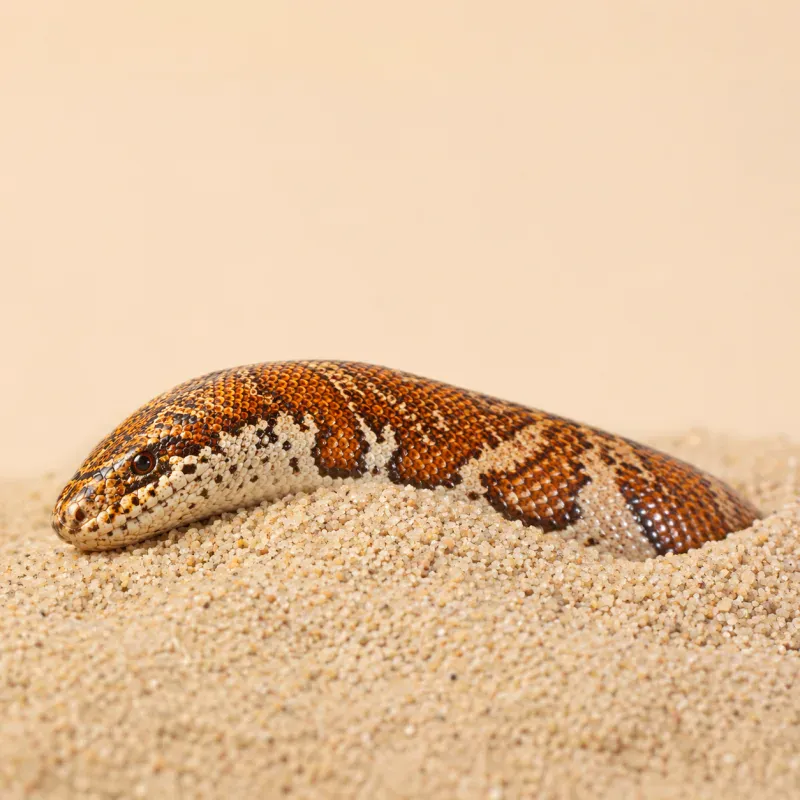
The Kenyan Sand Boa (Eryx colubrinus) is a docile, fossorial species native to East Africa. Their simple care requirements make them excellent beginner snakes, but feeding can be a challenge if you don't understand their unique biology. This guide covers everything from prey size and schedule to troubleshooting refusals and handling after meals. Whether you're a first-time owner or a seasoned keeper, this evidence-backed guide will help you maintain a healthy, thriving sand boa.
\n
Frozen-Thawed Feeding Basics
Always feed frozen-thawed rodents. Live prey can injure your snake by biting or scratching, and frozen-thawed is more humane and convenient. Here's a step-by-step process to ensure safe and effective feeding:
Step-by-Step Thawing and Warming
- Remove the prey from the freezer and place it in a sealed plastic bag. This prevents water from leaching nutrients and keeps the prey dry.
- Thaw in warm water at 90–100°F (32–38°C) for 20–30 minutes. Use a thermometer to check water temperature—too hot can cook the prey, too cold will not thaw properly.
- Check the prey's temperature before offering. It should feel warm to the touch but not hot. The ideal surface temperature is around 100°F (38°C), which mimics a live rodent's body heat.
- Dry the prey with a paper towel. A wet rodent can cause your snake to ingest excess water, leading to regurgitation or digestive issues.
- Offer with tongs, wiggling the prey to simulate movement. This triggers the snake's feeding response. Never use your bare hands—this can lead to accidental bites if the snake mistakes your fingers for food.
Why Frozen-Thawed is Safer
- Live prey can scratch, bite, or even kill a snake that isn't hungry or is too small.
- Frozen-thawed prey is free from parasites and diseases that live rodents may carry.
- It allows you to store prey for months, making feeding more convenient.
Common Thawing Mistakes
- Microwaving: This cooks the prey unevenly, destroys nutrients, and can create hot spots that burn your snake's mouth.
- Boiling: Same as microwaving—cooks the prey and makes it unsafe.
- Thawing on the counter: This promotes bacterial growth and can spoil the prey.
- Refreezing: Never refreeze thawed prey. It degrades quality and increases bacterial risk.
Prey Size Chart by Weight
Select prey that is 10–15% of your snake's body weight for optimal nutrition. This ensures your snake gets enough calories without overfeeding. Here's a quick reference table:
| Snake Weight (grams) | Prey Size | Prey Weight (grams) | Example |
|---|---|---|---|
| 10–25 g | Pinky mouse | 2–4 g | 1 pinky |
| 26–50 g | Fuzzy mouse | 5–8 g | 1 fuzzy |
| 51–100 g | Hopper mouse | 9–12 g | 1 hopper |
| 101–200 g | Weanling mouse | 13–20 g | 1 weanling |
| 201–400 g | Adult mouse | 21–30 g | 1 adult mouse or 2 weanlings |
Weigh your snake monthly using a digital kitchen scale. Prey size should never exceed the widest part of the snake's body. A good rule of thumb: the prey item should be about the same width as the snake's thickest point. If the prey is too large, it can cause regurgitation or impaction.
How to Weigh Your Snake
- Place a clean, empty container (like a plastic tub) on a digital kitchen scale and tare it to zero.
- Gently place your snake inside the container. If your snake is active, you can use a cloth bag or pillowcase.
- Record the weight in grams. Do this monthly to track growth and adjust prey size accordingly.
Adjusting Prey Size with Growth
As your snake grows, you'll need to step up prey size. Use the chart above as a guide, but always check the prey-to-snake width ratio. If the prey is too small, your snake may remain hungry and lose weight. If too large, it may refuse or regurgitate.
Feeding Frequency: Babies vs. Adults
Feeding frequency changes as your snake matures. Here's a detailed breakdown:
Babies (0–6 months)
- Frequency: Every 5–7 days.
- Prey: Pinky mice (2–4 g). Hatchlings can take pinkies from day one.
- Amount: One appropriately-sized pinky per feeding. Do not offer multiple prey items—this can lead to overfeeding.
- Handling: Do not handle for 48 hours after feeding to prevent regurgitation.
Juveniles (6–18 months)
- Frequency: Every 7–10 days.
- Prey: Move from pinkies to fuzzies (5–8 g) as they grow. Adjust based on weight and width.
- Amount: A single prey item is sufficient. If your snake is still hungry, you can increase the size slightly, but stick to the 10–15% rule.
- Handling: Still wait at least 48 hours after feeding.
Adults (18+ months)
- Frequency: Every 10–14 days.
- Prey: Adult mice (21–30 g). Adult females may need slightly more frequent meals if breeding.
- Amount: One adult mouse every two weeks is typical. Overfeeding leads to obesity—monitor body condition. You should see a slight waistline, not a round tube.
- Handling: Continue to wait 48 hours after feeding.
Body Condition Scoring
To avoid overfeeding, learn to assess your snake's body condition. A healthy sand boa should have a rounded but not overly fat body. You should be able to feel the spine but not see it prominently. If the spine is sharp and prominent, your snake is underweight. If it's buried under fat rolls, it's overweight. Adjust feeding frequency or prey size accordingly.
Pinky to Adult Mouse Progression
As your snake grows, gradually increase prey size. A typical progression: pinky → fuzzy → hopper → weanling → adult mouse. Each step should not exceed a 1.5x increase in prey weight. If the snake refuses a larger size, drop back to the previous size for 2–3 feedings before attempting again. Never skip sizes.
How to Transition Prey Sizes
- Monitor weight: Once your snake reaches the lower end of the next weight bracket (e.g., 25 g for fuzzy), you can try the next size.
- Offer the larger prey: If your snake accepts it, great. If not, go back to the smaller size for a few feedings.
- Be patient: Some snakes are picky and may take time to adjust to larger prey. Don't force it—this can cause stress.
- Use scenting if needed: If your snake refuses a new prey type (e.g., switching from mice to rats), you can scent the rat with a mouse's scent by rubbing the rat with a used mouse bedding or a mouse's body.
Why Gradual Progression Matters
Skipping sizes can lead to regurgitation, impaction, or refusal. A sudden large meal can stretch the stomach and cause digestive issues. Gradual progression ensures your snake's digestive system adapts to larger meals.
Handling After Feeding
Wait at least 48 hours after a meal before handling. Kenyan Sand Boas are prone to regurgitation if disturbed while digesting. Regurgitation stresses the snake and can cause dehydration. If regurgitation occurs, wait 10–14 days before the next feeding and consult a vet if it happens repeatedly.
Why 48 Hours is Crucial
Digestion requires energy and blood flow to the stomach. Handling increases stress and can disrupt this process. The 48-hour rule is a minimum—some keepers recommend 72 hours for larger meals. Always err on the side of caution.
Signs of Regurgitation
- Your snake may spit out the prey partially digested.
- You may find undigested prey in the enclosure.
- The snake may appear lethargic or dehydrated.
What to Do After Regurgitation
- Do not feed immediately. Wait 10–14 days to allow the digestive tract to recover.
- Check temperatures: Ensure the warm side is 90–95°F (32–35°C). Low temps can slow digestion and cause regurgitation.
- Offer a smaller meal next time to reduce stress on the system.
- Consult a vet if regurgitation happens more than once or twice in a row.
Refusal Troubleshooting
If your Kenyan Sand Boa refuses food, check these factors:
- Temperature: Ensure warm side is 90–95°F (32–35°C). Low temps slow metabolism.
- Prey temperature: Prey must be warm (100°F / 38°C) and dry.
- Stress: New snakes often refuse for 1–2 weeks. Provide hides and leave them alone.
- Shedding: Snakes may refuse before shedding—offer again after shed.
- Prey type: Some individuals prefer mice over rats. Try different colors (white vs. agouti) or scented prey (e.g., chick scent).
- Seasonal fasting: Males may fast during breeding season. This is normal.
- Health check: If refusal lasts >4 weeks with weight loss, consult a reptile vet.
Detailed Troubleshooting Steps
- Verify environmental parameters: Use a digital thermometer to check the warm side and cool side. The warm side should be 90–95°F, cool side 75–80°F. Also check humidity—it should be 40–60%.
- Re-warm the prey: If the prey has cooled down, reheat it in warm water for a few minutes. Make sure it's dry.
- Reduce stress: If you recently brought the snake home, leave it alone for a week. Avoid handling until it's eating regularly.
- Check for shedding signs: Look for blue eyes or dull skin. If shedding, wait until the shed is complete.
- Offer alternatives: Try a different prey type (e.g., rat pinky instead of mouse pinky) or scent it.
- Monitor weight: If your snake loses more than 10% of its body weight, see a vet immediately.
When to Worry
While occasional refusal is normal, prolonged fasting (over 4 weeks) with weight loss is a red flag. Other signs to watch for: lethargy, abnormal breathing, or discharge from the mouth or nose. In these cases, consult a reptile vet promptly.
Common Mistakes
- Feeding live prey: Dangerous and unnecessary. Frozen-thawed is safer.
- Overfeeding: Leads to obesity, fatty liver disease, and shortened lifespan.
- Handling too soon: Causes regurgitation and stress.
- Ignoring humidity: Low humidity can cause dehydration and poor sheds, which affect feeding.
- Using too large prey: Can cause impaction or regurgitation.
How to Avoid These Mistakes
- Stick to frozen-thawed: It's safer and more humane. If you're worried about acceptance, start with a young snake that's already used to it.
- Weigh your snake monthly: Use the chart to calculate the right prey size. Don't eyeball it.
- Set a feeding schedule: Consistency helps your snake feel secure. Use a calendar or reminder.
- Maintain proper humidity: Use a hygrometer to monitor humidity. Provide a humid hide if needed.
- Measure prey width: Before offering, compare the prey's width to the snake's widest point. If it's larger, wait.
Comparison: Baby vs. Adult Feeding
| Aspect | Baby (0–6 months) | Adult (18+ months) |
|---|---|---|
| Frequency | Every 5–7 days | Every 10–14 days |
| Prey size | Pinky (2–4 g) | Adult mouse (21–30 g) |
| Prey % of body weight | 10–15% | 10–15% |
| Handling wait time | 48+ hours | 48+ hours |
| Risk of overfeeding | Low | High |
Advanced Feeding Tips
Dealing with Picky Eaters
Some Kenyan Sand Boas are picky. If your snake refuses mice, try rats, hamsters, or even chicks (though chicks are higher in fat). Scenting can also help—rub the prey item with a different species' scent (e.g., mouse scent on a rat pinky). Be patient and consistent.
Breeding Season Fasting
Males may stop eating during breeding season (typically winter). This is normal and not cause for alarm. Ensure they have access to water and monitor weight. If weight loss exceeds 10%, consult a vet.
Feeding Multiple Snakes
If you have multiple sand boas, feed them in separate enclosures to avoid competition and accidental bites. Never house them together during feeding.
Frequently Asked Questions
How often should I feed my baby Kenyan Sand Boa?
Baby Kenyan Sand Boas (0–6 months) should be fed every 5–7 days. Offer one appropriately-sized pinky mouse (2–4 g) per feeding. Do not handle for 48 hours after feeding to prevent regurgitation.
What should I do if my Kenyan Sand Boa refuses to eat?
Check the enclosure temperature (warm side 90–95°F), ensure the prey is warm (100°F) and dry, reduce stress by providing hides and avoiding handling, and consider if the snake is shedding or fasting due to breeding season. If refusal lasts more than 4 weeks with weight loss, consult a reptile vet.
Can I feed my Kenyan Sand Boa live prey?
No, always feed frozen-thawed prey. Live prey can bite or scratch your snake, causing injury or infection. Frozen-thawed is safer, more humane, and free from parasites.
How long should I wait to handle my Kenyan Sand Boa after feeding?
Wait at least 48 hours after feeding before handling. Kenyan Sand Boas are prone to regurgitation if disturbed while digesting. If regurgitation occurs, wait 10–14 days before the next feeding and consult a vet if it happens repeatedly.
Conclusion
Feeding a Kenyan Sand Boa is straightforward once you understand prey sizing, schedule, and handling rules. Use frozen-thawed rodents, follow the weight-based chart, and respect their digestion time. With proper feeding, your sand boa will thrive for 15–25 years. Remember to monitor body condition, adjust prey size as your snake grows, and always prioritize safety and health.
Related Reading
\nCheck optimal temps, calculate feeding, and find your perfect species match.
References
- Barker, D. G., & Barker, T. M. (2020). Kenyan Sand Boa Care and Breeding. VPI Publishing.
- Rossi, J. V., & Rossi, R. (2015). What's Wrong with My Snake? Advanced Vivarium Systems.
- de Vosjoli, P. (2019). The Art of Keeping Snakes. Advanced Vivarium Systems.
🐾 Join the Community
See how other keepers set up their enclosures, ask questions, and share your experience.
🛠️ Apply What You Learned
Check optimal temps, calculate feeding schedules, and get calcium dosage — all personalized for your species.
Comments