Kenyan Sand Boa Morphs & Prices (Albino, Snow)
Introduction
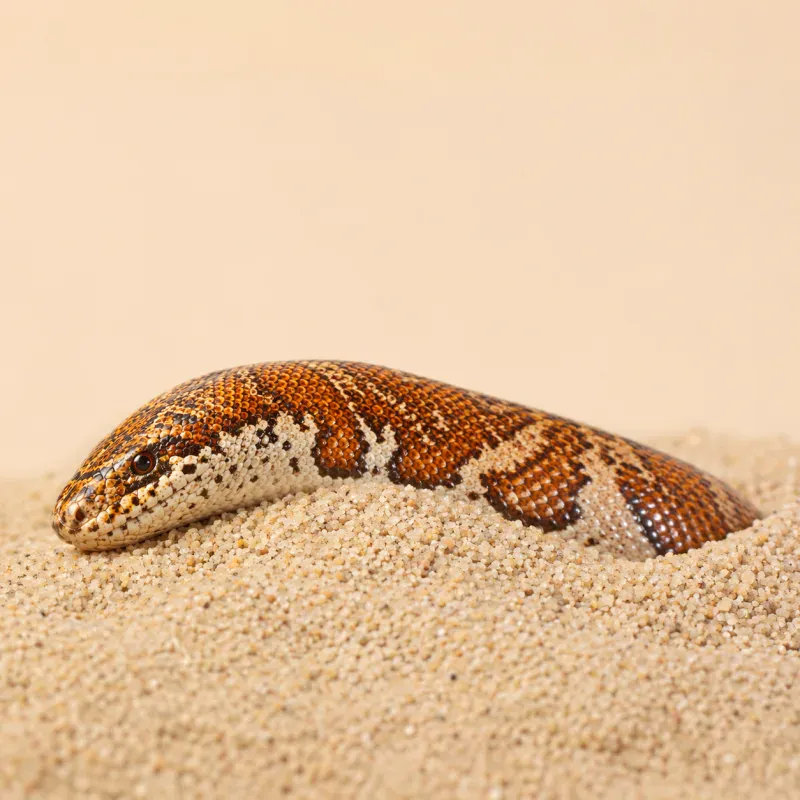
Kenyan Sand Boas (Eryx colubrinus) are among the most popular pet snakes due to their small size, gentle temperament, and fascinating burrowing behavior. Over the past decade, selective breeding has produced a dazzling array of color and pattern morphs. This guide covers five key morphs—anerythristic, albino, stripe, paradox, and snow—including their genetics, visual traits, and current price ranges, alongside essential husbandry for any keeper.
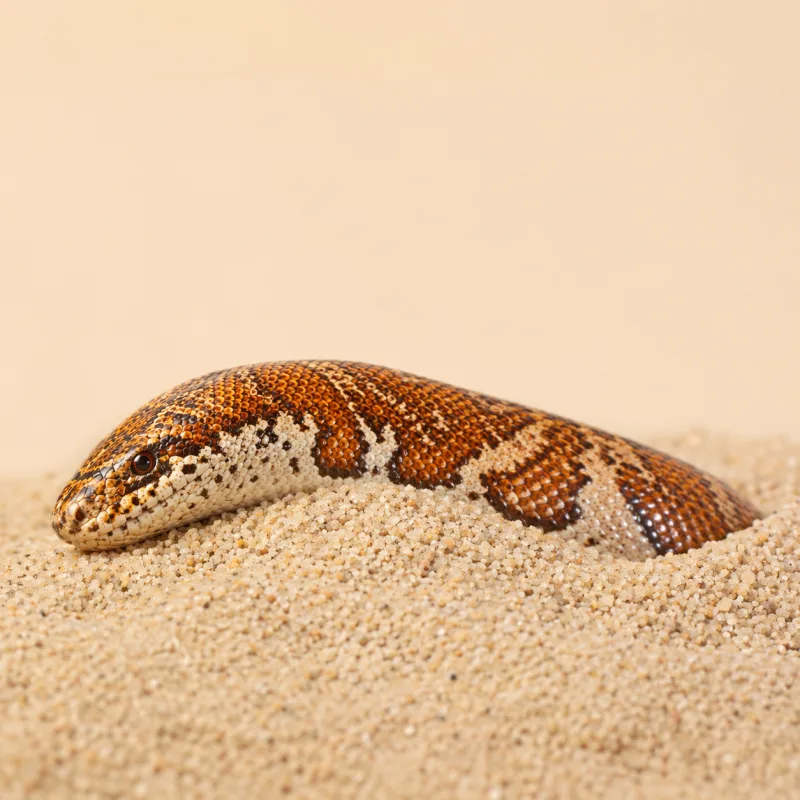
Whether you're a first-time snake owner or a seasoned breeder, understanding morph genetics and proper care ensures a healthy, thriving pet. Below, we'll dive deep into each morph, step-by-step enclosure setup, feeding protocols, and common pitfalls—so you can enjoy your sand boa for 15–20 years.
Morph Overview and Genetics
All Kenyan Sand Boa morphs are inherited through simple recessive or co-dominant genes. Below is a quick reference table for the five morphs covered.
| Morph | Genetic Basis | Visual Appearance | Typical Price Range (USD) |
|---|---|---|---|
| Anerythristic | Recessive — removes red pigment | Grays, blacks, silvers; no red/orange | $150–$300 |
| Albino | Recessive — removes melanin | Yellow, orange, white; red/pink eyes | $200–$400 |
| Stripe | Recessive — reduces pattern to longitudinal stripes | Dorsal stripe(s) instead of blotches | $250–$500 |
| Paradox | Incompletely dominant / pattern anomaly | Random patches of normal color on a morph background | $400–$800+ |
| Snow | Double recessive (albino + anery) | White/cream with faint yellow; pink eyes | $300–$600 |
Breeders often combine these traits to create designer morphs like "Snow Stripe" or "Paradox Albino." Always verify lineage with a reputable breeder.
How Morph Genetics Work
Recessive genes require both parents to carry the trait for it to appear in offspring. Co-dominant genes show intermediate expression in heterozygotes. For example, a "het albino" snake carries the albino gene but appears normal—breeding two hets yields ~25% albino offspring.
Choosing a Morph
Consider your budget and aesthetic preference. Anerythristic and albino are affordable and widely available. Stripes are slightly pricier but striking. Paradox and snow are rarer and command premium prices. Always request photos of the actual snake and its parents.
Enclosure Setup
Kenyan Sand Boas are terrestrial burrowers. A 20-gallon long tank (30″ x 12″ x 12″) is adequate for an adult. Juveniles can start in a 10-gallon. Use a secure screen lid to prevent escape.
Substrate
Provide 3–4 inches of aspen shavings, cypress mulch, or a sand/soil mix (60% organic topsoil, 40% washed play sand). Avoid pure sand—it can cause impaction. The substrate should be dry but allow burrowing.
Step-by-step substrate setup:
- Clean the tank with a reptile-safe disinfectant and let it dry completely.
- Add 3–4 inches of chosen substrate, leveling it evenly.
- Spot-clean daily; replace the entire substrate every 4–6 weeks.
- If using a sand/soil mix, moisten slightly and pack it down to reduce dust.
Hides and Decor
Place a hide on the warm side and one on the cool side. Use cork bark, half-logs, or reptile caves. Add a shallow water dish large enough for soaking but not deep enough to drown. Clutter with fake plants or branches for enrichment.
Arrange hides so your boa can move between them without crossing open spaces—this reduces stress. A humid hide (plastic container with damp sphagnum moss) can be added during shedding.
Heating and Lighting
These snakes need a thermal gradient. Provide a basking spot of 90–95°F (32–35°C) using an under-tank heater (UTH) or ceramic heat emitter (CHE). The cool side should be 75–80°F (24–27°C). Nighttime temps can drop to 70°F (21°C).
Use a thermostat to regulate all heat sources. UVB lighting is not required but a low-level 5–6% UVB can be offered for 8–10 hours daily to support natural behaviors. Always provide a 12-hour day/night cycle.
Choosing a Heat Source
| Heat Source | Pros | Cons |
|---|---|---|
| Under-tank heater (UTH) | Mimics ground warmth, low cost | Must be regulated; can overheat if unplugged |
| Ceramic heat emitter (CHE) | No light, long-lasting | Dries air; needs guard |
| Heat mat | Easy to install | Can cause burns without thermostat |
Troubleshooting: If the basking spot is too hot, adjust the thermostat or raise the heat source. If too cool, add a second UTH on the warm side. Always measure with a digital thermometer at substrate level.
Humidity and Hydration
Kenyan Sand Boas require low humidity (30–50%). In humid climates, use a dehumidifier or increase ventilation. Provide a humid hide (damp sphagnum moss) during shedding to prevent stuck shed. Mist the substrate lightly if humidity drops below 30%.
Change the water dish daily. These snakes often defecate in their water, so clean it promptly.
Monitoring Humidity
Use a digital hygrometer placed mid-tank. If humidity exceeds 50%, increase ventilation by drilling extra holes in the lid or switching to a mesh top. If below 30%, lightly mist the substrate corners, not the entire tank.
Diet and Feeding
Feed pre-killed rodents appropriate to the snake's size. Hatchlings eat pinky mice every 5–7 days; adults take adult mice or small rats every 10–14 days. Use tongs to avoid accidental bites. Never handle for 48 hours after feeding.
Avoid live prey—it can injure the snake. If your boa is a picky eater, scent the rodent with a lizard or chicken broth (unsalted). Juveniles may fast during winter months; this is normal if they maintain weight.
Feeding Schedule by Age
| Age | Prey Size | Frequency |
|---|---|---|
| Hatchling (0–6 months) | Pinky mouse | Every 5–7 days |
| Juvenile (6–12 months) | Fuzzy or hopper mouse | Every 7–10 days |
| Adult (12+ months) | Adult mouse or small rat | Every 10–14 days |
Feeding tips: Thaw frozen rodents in warm water to ~100°F (38°C) before offering. Wiggle the prey with tongs to trigger a feeding response. If your snake refuses, wait 5–7 days before trying again—do not force-feed.
Handling and Temperament
Kenyan Sand Boas are docile. Start with short sessions (5–10 minutes) once the snake has settled in. Support the body fully; they may try to burrow into your hands. Avoid grabbing or restraining the head. Regular handling (2–3 times weekly) builds trust.
Signs of stress include hissing, tail twitching, and musking (a foul-smelling liquid). If these occur, return the snake to its enclosure and try again later.
Step-by-Step Handling
- Wash your hands and let them air-dry to remove scents.
- Gently scoop the snake from below, supporting the middle and rear.
- Keep the snake near your body for security.
- Limit sessions to 10–15 minutes for adults, 5–10 for juveniles.
- Return the snake to its warm hide, not the open floor.
Never handle during shedding or within 48 hours after feeding—this can cause regurgitation.
Common Health Issues
- Respiratory infections: Wheezing, bubbles from nose. Cause: high humidity or cold temps. Treatment: vet-prescribed antibiotics.
- Stuck shed: Usually due to low humidity. Soak the snake in lukewarm water (80°F) for 15–20 minutes and gently remove.
- Mites: Tiny black dots on skin. Quarantine and use reptile-safe mite spray.
- Impaction: From ingesting substrate. Prevent by feeding in a separate container or using a paper towel substrate for feeding.
Annual vet checkups are recommended. Find a reptile-experienced veterinarian.
Preventive Health Checklist
- Monitor temperature and humidity daily with digital probes.
- Inspect your snake weekly for lumps, discharge, or abnormal behavior.
- Quarantine new snakes for 30–60 days.
- Keep a feeding and shedding log.
Errors to Avoid
- Overhandling: Can cause chronic stress. Limit handling to 15–20 minutes per session.
- Incorrect substrate: Loose sand or gravel leads to impaction. Use aspen or soil mixes.
- Ignoring humidity: Too high causes RI; too low causes stuck shed. Monitor with a hygrometer.
- Feeding live prey: Risk of injury. Always use pre-killed.
- Skipping quarantine: New snakes should be isolated for 30–60 days to prevent disease spread.
Additional mistakes include using heat rocks (can cause burns), placing the tank in direct sunlight (overheats), and using pine or cedar substrate (toxic oils).
Conclusion
Kenyan Sand Boas are rewarding pets, and their morphs add visual excitement without complicating care. Whether you choose a classic anerythristic or a rare paradox, prioritize ethical breeders and proper husbandry. With the right setup, these snakes thrive for 15–20 years, offering endless fascination.
Frequently Asked Questions
Visual Trait Deep Dive: Pattern and Color Variations
Beyond the base morphs, Kenyan Sand Boas exhibit a range of pattern and color variations that can significantly influence their appearance and value. Understanding these traits helps in identifying and appreciating the diversity within the species.
Pattern Variations
- Reduced Pattern: Some individuals display a reduced pattern, with fewer, smaller blotches or a cleaner dorsal area. This is often selectively bred and can be combined with other morphs for a more minimalistic look.
- Banded: A banded pattern features transverse crossbands that wrap around the body, creating a striking contrast against the background color. This is distinct from the stripe morph, which runs longitudinally.
- Ringer: The ringer morph is characterized by a single or multiple complete or partial light bands encircling the body, typically near the tail or mid-body. It is a relatively rare and sought-after pattern anomaly.
Color Variations
- Caramel: A hypomelanistic-like variation that produces warm, caramel-brown tones with reduced black pigmentation. It is often confused with albino but retains dark eyes.
- Lavender: This morph presents a soft, purplish-gray hue, often with a silvery sheen. It is a recessive trait and is relatively rare in the hobby.
- Hypomelanistic (Hypo): Hypo individuals have reduced melanin, resulting in lighter, more vibrant colors, but not to the extent of albino. They retain dark eyes and some pattern definition.
When selecting a snake, note that color intensity can vary with age, temperature, and shedding cycles. Always request photos under natural lighting to assess true coloration.
Genetics & Inheritance for This Species
Kenyan Sand Boa morphs follow simple Mendelian inheritance for most traits, but there are nuances that breeders and buyers should understand.
Recessive Traits
Most morphs, including albino, anerythristic, stripe, snow, and caramel, are autosomal recessive. This means:
- An animal must inherit two copies of the mutant allele (one from each parent) to express the trait.
- Heterozygotes (hets) appear normal but carry one copy of the gene.
- Breeding two hets yields approximately 25% visual morphs, 50% hets, and 25% normals (statistically).
Co-Dominant and Dominant Traits
Some traits, like the paradox effect, are not simple Mendelian. Paradox is believed to be a somatic mutation or a result of chimerism, where cells with different genotypes coexist. This means paradox animals cannot be reliably bred to produce more paradox offspring—each is a unique individual.
Combining Traits
Designer morphs are created by stacking multiple recessive genes. For example:
- Snow Stripe: Homozygous for both albino and anerythristic, plus the stripe gene. Breeding requires careful planning to ensure all traits are present.
- Anery Stripe: Combines anerythristic and stripe, producing gray/black striped snakes.
Always verify the genetic background of a snake before purchase. Reputable breeders provide clear lineage documentation and often offer genetic testing for known markers.
Rarity & Price Table
The following table provides a realistic overview of morph rarity and typical price ranges in the current US market. Prices fluctuate based on demand, breeder reputation, and the quality of the individual animal.
| Morph | Appearance | Rarity | Typical Price Range (USD) |
|---|---|---|---|
| Normal/Wild Type | Brown/tan with dark blotches | Common | $30–$60 |
| Anerythristic | Grays, blacks, silvers; no red | Common | $150–$300 |
| Albino | Yellow, orange, white; red/pink eyes | Common | $200–$400 |
| Stripe | Longitudinal stripes instead of blotches | Uncommon | $250–$500 |
| Snow | White/cream with faint yellow; pink eyes | Uncommon | $300–$600 |
| Paradox | Random patches of normal color on a morph background | Rare | $400–$800+ |
| Caramel | Warm brown, reduced black | Uncommon | $250–$450 |
| Lavender | Soft purplish-gray | Rare | $500–$900 |
Note: 'Het' animals (carriers) are typically cheaper—e.g., 66% het albino might be $50–$100. Always ask for the exact genotype.
Morph-Specific Health Pitfalls
While Kenyan Sand Boas are generally hardy, certain morphs are associated with specific health considerations that keepers should be aware of.
Albino and Snow
- Photosensitivity: Lack of melanin makes these morphs more sensitive to bright light. Provide plenty of hides and avoid intense lighting. Use low-wattage bulbs or ambient room light.
- Eye Sensitivity: Red/pink eyes in albinos and snows can be more prone to irritation from substrate dust. Use a dust-free substrate like aspen shavings or paper towels for juveniles.
Paradox
- No Specific Health Issues: Paradox animals are not inherently unhealthy, but the genetic anomaly may be linked to developmental quirks. Always buy from a breeder who health-guarantees their animals.
General Morph Considerations
- Inbreeding: Overbreeding for rare morphs can lead to reduced fertility and weaker immune systems. Ensure your breeder maintains diverse genetic lines.
- Feeding: Some morphs, especially those with reduced vision (albino/snow), may have difficulty striking prey. Offer pre-killed prey and assist if needed, but avoid overhandling.
If you notice any morph-specific issue, consult a reptile vet familiar with Eryx species. Early intervention is key.
What is the easiest Kenyan Sand Boa morph for beginners?
The anerythristic morph is the most affordable and visually striking, with a typical price range of $150–$300. Its care requirements are identical to wild-type sand boas, making it an excellent choice for first-time owners.
Can I house two Kenyan Sand Boas together?
No. Kenyan Sand Boas are solitary and should be housed separately to avoid stress or fighting. Even breeding pairs should only be introduced temporarily under supervision.
How long do Kenyan Sand Boas live?
With proper care, they typically live 15–20 years. This longevity means you should be prepared for a long-term commitment when acquiring any morph.
Why is my Kenyan Sand Boa refusing food?
Juveniles may fast during winter months, which is normal if they maintain weight. Ensure temperatures are within the recommended ranges (basking 90–95°F, cool side 75–80°F) and try scenting the prey with unsalted chicken broth if pickiness persists.
Related Reading
Check optimal temps, calculate feeding, and find your perfect species match.
References
- Barker, D. G., & Barker, T. M. (2006). The Ball Python Manual. Advanced Vivarium Systems.
- McCurley, K. (2013). The Complete Ball Python: A Comprehensive Guide to Care, Breeding, and Genetic Mutations. ECO Publishing.
- Rossi, J. V., & Rossi, R. (2002). What's Wrong with My Snake? Advanced Vivarium Systems.
🐾 Join the Community
See how other keepers set up their enclosures, ask questions, and share your experience.
🛠️ Apply What You Learned
Check optimal temps, calculate feeding schedules, and get calcium dosage — all personalized for your species.
Comments
No account needed — corrections, updates and questions are all welcome. For a full question with photos, the community Q&A is the better place.