Rosy Boa Temperature & Heating Guide
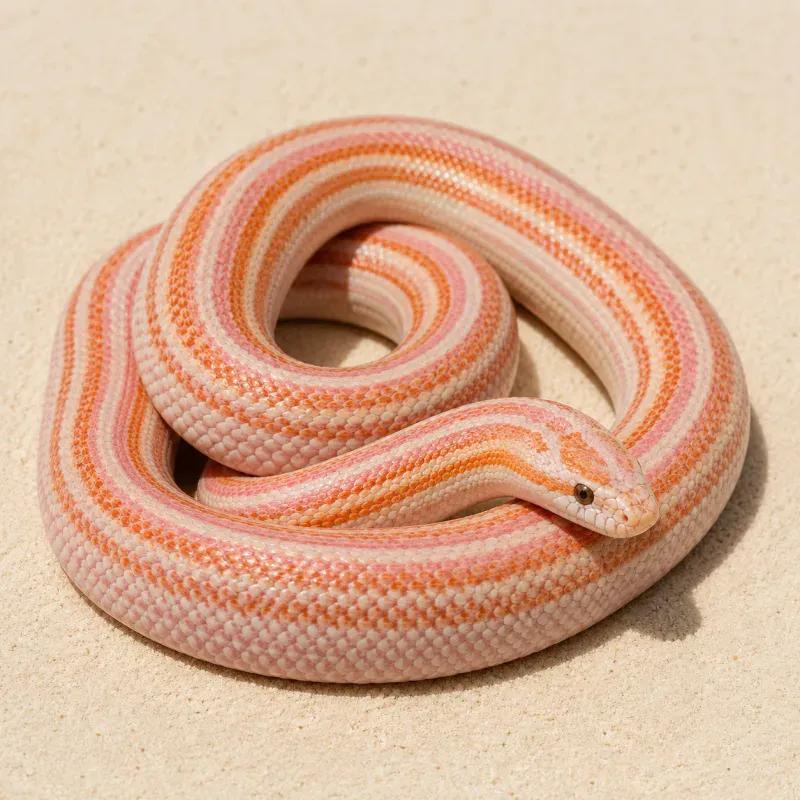
Enclosure Setup
Rosy boas (Lichanura trivirgata) are small, terrestrial snakes native to arid regions of the southwestern United States and Mexico. Their enclosure should mimic a desert or semi-desert environment. A 20-gallon long tank (30 inches x 12 inches x 12 inches) is suitable for an adult; juveniles can start in a 10-gallon tank. Provide a secure lid with ventilation, as rosy boas are escape artists. Substrate options include aspen shavings, cypress mulch, or a sand-soil mix (avoid pure sand). Provide multiple hides: one on the warm side, one on the cool side, and a humid hide (optional for shedding). Include a water dish large enough for soaking but shallow to prevent drowning. Decorate with rocks, driftwood, and artificial plants for enrichment.
When selecting an enclosure, prioritize floor space over height. Rosy boas are ground-dwelling and rarely climb, so a long, low tank is ideal. For juveniles, a 10-gallon tank (20 x 10 x 12 inches) works well, but be prepared to upgrade as they grow. A secure lid is non-negotiable—rosy boas are notorious for pushing against lids and squeezing through small gaps. Use a lid with clips or locks.
Substrate choices: aspen shavings are absorbent and allow burrowing; cypress mulch retains some moisture but can be too humid if not monitored; a sand-soil mix (e.g., 50% play sand, 50% organic topsoil) mimics their natural habitat and supports burrowing. Avoid pure sand, which can cause impaction if ingested. Always provide a substrate depth of at least 2–3 inches to allow burrowing.
Hides should be snug—rosy boas feel secure when they can touch the walls of their hide. You can use commercial reptile hides, half-logs, or even cardboard boxes (replace when soiled). Place one hide on the warm side, one on the cool side, and a humid hide (a plastic container with a damp sphagnum moss entrance) in the middle or cool side. The humid hide is especially useful during shedding.
A water dish should be heavy and shallow (e.g., a ceramic bowl) to prevent tipping and drowning. Place it on the cool side to avoid raising humidity on the warm side. Change water daily and scrub the dish weekly.
Decor like rocks (ensure they are stable and cannot fall), driftwood, and artificial plants provide enrichment and climbing opportunities (though rosy boas are not arboreal, they may explore). Avoid sharp edges that could injure your snake.
Heat Gradient Setup
Rosy boas require a temperature gradient to thermoregulate. Use an under-tank heater (UTH) or a ceramic heat emitter (CHE) on one side to create a hot spot of 88–92°F (31–33°C). The ambient warm side should be 80–85°F (27–29°C), and the cool side 70–75°F (21–24°C). Avoid heat rocks, as they can cause burns. Use a thermostat to regulate all heat sources. Place the thermostat probe directly on the substrate above the UTH or near the CHE. A digital thermometer with two probes (one on each side) is essential for monitoring. Nighttime temperatures can drop to 65–70°F (18–21°C); no supplemental heat is needed if the room stays above 60°F.
Choosing a Heat Source
Under-tank heaters (UTHs) are the most popular choice for rosy boas because they provide belly heat, which aids digestion. Stick-on UTHs adhere to the bottom or side of the tank. Ensure the UTH covers no more than one-third of the enclosure's floor area to maintain a proper gradient. Ceramic heat emitters (CHEs) screw into a dome fixture and emit infrared heat without light—ideal for nighttime use if your room drops below 60°F. Avoid heat lamps that emit visible light (except for daytime basking, but rosy boas do not require basking lamps).
Thermostat Types and Placement
A thermostat is mandatory for any heat source. There are two main types: on/off thermostats (simplest, but temperature fluctuates slightly) and proportional thermostats (more precise, adjusts power continuously). For a UTH, place the probe directly on the substrate above the heater. For a CHE, suspend the probe near the heat emitter but not directly in the beam—place it at snake level. Always secure the probe to prevent the snake from moving it.
Monitoring Temperatures
Use a digital thermometer with two probes: one on the warm side (at substrate level) and one on the cool side. Avoid analog stick-on thermometers, which are inaccurate. Check temperatures daily, especially after seasonal changes. If the warm side is too hot, adjust the thermostat or move the heat source. If the cool side is too cold, consider adding a low-wattage heat mat on the cool side (with a separate thermostat) or moving the enclosure to a warmer room.
Nighttime Temperature Management
Rosy boas tolerate nighttime drops to 65–70°F (18–21°C). If your home stays above 60°F (15°C), no supplemental heat is needed. If temperatures fall below that, use a CHE with a thermostat set to 65°F. Do not use colored heat bulbs—they can disrupt the snake's circadian rhythm.
Lighting and Photoperiod
Rosy boas are crepuscular and do not require UVB lighting, but a low-level UVB bulb (2–5%) can benefit overall health and vitamin D synthesis. Provide a 12-hour photoperiod (12 hours light, 12 hours dark) year-round. Use a timer to maintain consistency. If using UVB, replace the bulb every 6–12 months. Avoid bright, intense lights, as they can stress the snake. Red or blue night lights are not recommended; complete darkness is best for nighttime.
UVB Benefits and Risks
While rosy boas can survive without UVB, low-level UVB (2–5% T5 or compact) may improve calcium metabolism and immune function. If you choose to provide UVB, place it over the warm side, but ensure it does not raise temperatures excessively. Position the bulb 12–18 inches from the basking area (follow the manufacturer's instructions). UVB bulbs degrade over time, so replace them every 6–12 months even if they still emit light.
Photoperiod Consistency
Use an outlet timer to maintain a consistent 12-hour light/dark cycle. This helps regulate your snake's biological rhythms, including appetite and brumation. During brumation, shorten the photoperiod to 10 hours of light, as described later.
Avoiding Stress
Rosy boas prefer dim, subdued lighting. Use low-wattage LED lights for viewing, but do not leave them on all night. Complete darkness at night is essential for natural behavior. Avoid red or blue night lights—they can be stressful and interfere with the snake's sleep.
Humidity and Water
Rosy boas are desert species and require low humidity (30–40%). Higher humidity can cause respiratory infections or scale rot. Monitor humidity with a digital hygrometer. Provide a water dish large enough for soaking, especially during shedding. Mist the enclosure lightly if humidity drops below 20%, but avoid wet substrate. During shedding, increase humidity to 50–60% by adding a humid hide (a plastic container with damp sphagnum moss) or lightly misting the warm side. Change water daily.
Monitoring Humidity
Place a digital hygrometer on the cool side (away from the water dish) to get an accurate reading. Check daily. In dry climates, you may need to mist the enclosure lightly once a week. In humid climates, ensure good ventilation to keep humidity below 40%. Avoid misting the substrate directly—instead, mist the walls or use a spray bottle to lightly dampen the air.
Humid Hide for Shedding
Create a humid hide by filling a small plastic container with damp sphagnum moss (not dripping wet). Cut an entrance hole and place it in the enclosure. During shedding, your snake will use it to increase local humidity, aiding in a complete shed. Keep the moss moist but not waterlogged; replace it weekly to prevent mold.
Water Quality and Soaking
Always provide fresh, dechlorinated water. Rosy boas may soak occasionally, especially before shedding. The water dish should be large enough for the snake to coil in but shallow enough to prevent drowning (water depth no more than 1–2 inches). Clean the dish daily with hot water and a reptile-safe disinfectant.
Diet and Feeding
Rosy boas are carnivorous and eat rodents. Hatchlings eat pinky mice every 5–7 days; juveniles eat fuzzies or hoppers every 7–10 days; adults eat adult mice every 10–14 days. Prey should be no larger than the snake's widest body part. Feed frozen-thawed prey to avoid injury and parasites. Use tongs to offer the prey near the hide. If the snake refuses food, wait a week and try again. Do not handle for 48 hours after feeding to prevent regurgitation. Provide a calcium supplement (without D3) once a month for adults, or use a multivitamin occasionally.
Feeding Schedule and Prey Size
| Life Stage | Prey Size | Frequency |
|---|---|---|
| Hatchling (0–6 months) | Pinky mouse | Every 5–7 days |
| Juvenile (6–18 months) | Fuzzy or hopper mouse | Every 7–10 days |
| Adult (18+ months) | Adult mouse (small to medium) | Every 10–14 days |
Adjust prey size based on the snake's girth—the prey should be about 1–1.5 times the snake's widest point. Overfeeding can lead to obesity, so monitor body condition. A healthy rosy boa should have a rounded but not overly thick body; the spine should not be visible.
Feeding Technique
Thaw frozen prey in the refrigerator overnight or in a sealed bag in warm water (never microwave). Use tongs to offer the prey, wiggling it slightly to simulate live prey. Feed in the evening when rosy boas are most active. If your snake is shy, place the prey near the hide and leave it for a few hours (but do not leave it overnight to avoid spoilage). If the snake refuses, remove the prey and wait a week before trying again.
Supplements
Rosy boas generally do not need heavy supplementation if fed a varied diet of mice. However, a light dusting of calcium without D3 once a month for adults can help. For juveniles, dust prey with a reptile multivitamin once a month. Always consult a veterinarian for specific recommendations.
Handling After Feeding
Avoid handling for at least 48 hours after feeding to prevent regurgitation, which can be stressful and harmful. If you must move the snake, do so gently and immediately.
Handling and Temperament
Rosy boas are generally docile and tolerate handling well. Start with short sessions (5–10 minutes) 2–3 times per week. Support the snake's body fully; avoid grabbing or squeezing. Wash hands before and after handling to prevent scent transfer. Signs of stress include hissing, tail rattling, or musking. If the snake is defensive, give it a few days to acclimate. Never handle during shedding or after feeding. With regular, gentle handling, rosy boas become tame pets.
Building Trust
When you first bring your rosy boa home, allow it 5–7 days to acclimate to its new environment before handling. Start with short, calm sessions. Always approach from the side, not from above (which can mimic a predator). Let the snake crawl over your hands, supporting its body. Avoid sudden movements. Over time, your snake will associate handling with safety.
Reading Body Language
Rosy boas may hiss or rattle their tails when threatened, but they rarely bite. Musking (releasing a foul-smelling fluid) is a defense mechanism. If your snake shows these signs, return it to its enclosure and try again later. Consistent, gentle handling reduces stress.
When to Avoid Handling
Do not handle your snake during shedding (eyes will be cloudy, skin dull) or within 48 hours after feeding. Also avoid handling if the snake is in brumation. If your snake is ill, minimize handling until it recovers.
Common Health Issues
Rosy boas are hardy but can suffer from respiratory infections (wheezing, mucus) due to high humidity or low temperatures. Scale rot appears as discolored, raised scales from wet substrate. Mouth rot (infectious stomatitis) shows as swelling or discharge in the mouth. Internal parasites (mites, worms) may cause weight loss or lethargy. Prevent these by maintaining proper temperature and humidity, using clean substrate, and quarantining new snakes. If symptoms appear, consult a reptile veterinarian. Annual fecal exams are recommended.
Respiratory Infections
Signs include open-mouth breathing, wheezing, nasal discharge, and lethargy. Causes: high humidity, cold temperatures, or drafts. Treatment: raise temperatures to the upper end of the gradient, reduce humidity to 30–40%, and consult a vet for antibiotics if needed.
Scale Rot
Scale rot is caused by prolonged exposure to wet or dirty substrate. Symptoms: red, blistered, or discolored scales. Treatment: remove the snake to a clean enclosure with dry paper towels, clean the affected area with a reptile-safe antiseptic, and adjust humidity. Severe cases require veterinary care.
Mouth Rot (Infectious Stomatitis)
Symptoms: swelling, redness, or discharge around the mouth, difficulty eating. Causes: stress, poor hygiene, or injury. Treatment: seek veterinary care immediately; antibiotics are often necessary.
Parasites
Mites (small black dots moving on the skin) and internal worms (seen in feces) can cause weight loss and lethargy. Quarantine new snakes for at least 30–60 days. Treat with reptile-safe anti-parasitic medications as directed by a vet. Annual fecal exams help detect internal parasites.
Preventive Care
Maintain correct temperature and humidity, clean the enclosure regularly, provide fresh water, and wash hands before and after handling. Quarantine new arrivals. Schedule annual vet check-ups, including fecal exams.
Brumation Protocol
Brumation is a natural cooling period for rosy boas, mimicking winter. It is optional but recommended for breeding or health. Begin by reducing photoperiod to 10 hours and stopping feeding 2–3 weeks before brumation. Gradually lower temperatures over 1–2 weeks: cool side to 55–60°F (13–16°C), warm side to 60–65°F (16–18°C). Provide a shallow water dish. Brumate for 2–3 months. Do not handle during this time. To end brumation, slowly raise temperatures over 1–2 weeks, then resume feeding. Monitor weight and hydration. Brumation is not recommended for sick or underweight snakes.
Preparing for Brumation
Stop feeding 2–3 weeks before lowering temperatures to allow the snake to empty its stomach. Reduce photoperiod gradually to 10 hours of light. Lower temperatures gradually over 1–2 weeks—do not drop them suddenly. Ensure the snake is healthy and has adequate fat reserves (but not obese).
During Brumation
Maintain a cool side of 55–60°F (13–16°C) and a warm side of 60–65°F (16–18°C). Provide a shallow water dish—check it weekly to ensure it hasn't frozen or evaporated. Do not handle the snake. Check on it weekly to ensure it is not losing excessive weight (weigh before and during). Some snakes may move slightly; this is normal.
Ending Brumation
After 2–3 months, gradually raise temperatures back to normal over 1–2 weeks. Increase photoperiod to 12 hours. Offer water immediately, then wait a few days before offering food. Start with a small meal. Monitor for any signs of illness. If the snake refuses food, wait a week and try again.
When to Skip Brumation
Do not brumate snakes that are sick, underweight, or under 1 year old. Brumation is optional for pet rosy boas—if you are not breeding, it is fine to skip it. However, some keepers report that brumation improves overall health and appetite.
Pitfalls to Avoid
Common mistakes include: 1) Using heat rocks, which cause burns. 2) Overfeeding, leading to obesity. 3) Keeping humidity too high, causing respiratory issues. 4) Skipping a thermostat, risking overheating. 5) Handling during shedding or after feeding. 6) Not providing a temperature gradient. 7) Using sand as sole substrate, which can cause impaction. 8) Ignoring brumation needs, which can affect breeding. Avoid these by researching and maintaining proper husbandry.
Detailed Pitfall Explanations
Heat rocks are notorious for causing severe burns because they heat unevenly. Always use a UTH or CHE with a thermostat. Overfeeding can lead to obesity, which shortens lifespan—stick to the feeding schedule. High humidity (above 50%) can cause respiratory infections; keep it between 30–40%. A thermostat is non-negotiable—without it, a UTH can overheat to 120°F or more, burning your snake. Handling during shedding or after feeding can cause stress and regurgitation. Without a temperature gradient, your snake cannot thermoregulate, leading to poor digestion and immune function. Pure sand can cause impaction if ingested during feeding—use a sand-soil mix or aspen. Finally, ignoring brumation can make breeding difficult and may affect long-term health.
Comparison Table: Temperature and Humidity Guidelines
| Parameter | Daytime | Nighttime | Brumation |
|---|---|---|---|
| Basking spot | 88–92°F (31–33°C) | N/A | N/A |
| Warm side ambient | 80–85°F (27–29°C) | 65–70°F (18–21°C) | 60–65°F (16–18°C) |
| Cool side ambient | 70–75°F (21–24°C) | 65–70°F (18–21°C) | 55–60°F (13–16°C) |
| Humidity | 30–40% | 30–40% | 30–40% |
| Photoperiod | 12 hours light | 12 hours dark | 10 hours light |
Always use a thermostat and digital thermometer/hygrometer for accuracy. Adjust based on your snake's behavior and health.
FAQ
1. Can I use a heat lamp instead of a UTH for my rosy boa?
Yes, but a ceramic heat emitter (CHE) is better than a visible light lamp because it provides heat without light, which is ideal for nighttime. A heat lamp that emits light can disrupt your snake's photoperiod if used at night. If you use a CHE, always connect it to a thermostat and place the probe at snake level. Remember that rosy boas primarily need belly heat for digestion, so a UTH is often preferred, but a CHE can supplement ambient temperatures.
2. How do I know if my rosy boa is too hot or too cold?
Your snake's behavior is the best indicator. If it spends all its time on the cool side, the warm side may be too hot. If it stays on the warm side constantly, the cool side may be too cold. A healthy rosy boa moves between the two sides to regulate its temperature. Use a digital thermometer with two probes to verify temperatures. If the warm side exceeds 95°F (35°C), it's too hot—adjust your thermostat. If the cool side drops below 65°F (18°C) at night, consider adding a low-wattage heat source.
3. Do I need to provide UVB lighting for my rosy boa?
No, UVB is not strictly required for rosy boas, as they are crepuscular and get most of their vitamin D from their diet (mice contain vitamin D). However, low-level UVB (2–5%) can be beneficial for overall health and is recommended by some keepers. If you use UVB, replace the bulb every 6–12 months, and ensure it does not raise temperatures excessively. Always provide a photoperiod of 12 hours light/12 hours dark.
4. What should I do if my rosy boa refuses to eat?
First, check your temperatures and humidity—incorrect conditions are the most common cause of appetite loss. Ensure the warm side is 88–92°F and the cool side is 70–75°F. If conditions are correct, wait 5–7 days before offering food again. Try feeding at night, as rosy boas are crepuscular. You can also try offering a different prey size or scenting the prey with chicken broth (unsalted) or a used mouse bedding. If the snake still refuses after 2–3 weeks, consult a reptile veterinarian.
Related Reading
- Rosy Boa Care Guide — The complete species manual. Enclosure setup, feeding, and handling tips for this gentle desert constrictor.
- Reptile Heating Guide — Comprehensive comparison of heat mats, ceramic emitters, deep heat projectors, and thermostat types for all reptile species.
- Kenyan Sand Boa Care Guide — Another small desert boa with similar heating requirements. Compare setups and temperature gradients.
Not a timer — it reads the actual humidity and stops when it hits your target. Two temperature probes, failsafes, no cloud account. We don't know yet whether it's worth making, so we're asking keepers first. Two-minute survey →
One email when there's news — including if we decide not to build it. No newsletter.
Check optimal temps, calculate feeding, and find your perfect species match.
References
- Rossi, J. (2015). The Rosy Boa. Reptiles Magazine.
- de Vosjoli, P. (2003). The Ball Python Manual. Advanced Vivarium Systems.
- McCurley, K. (2016). The Complete Herptile Care Guide. Herptile Publishing.
- Barten, S. (2018). Reptile Thermoregulation: Best Practices. Veterinary Clinics: Exotic Animal Practice.
🐾 Join the Community
See how other keepers set up their enclosures, ask questions, and share your experience.
🛠️ Apply What You Learned
Check optimal temps, calculate feeding schedules, and get calcium dosage — all personalized for your species.
Comments
No account needed — corrections, updates and questions are all welcome. For a full question with photos, the community Q&A is the better place.