Rosy Boa Feeding Guide: Schedule & Prey Size
Introduction
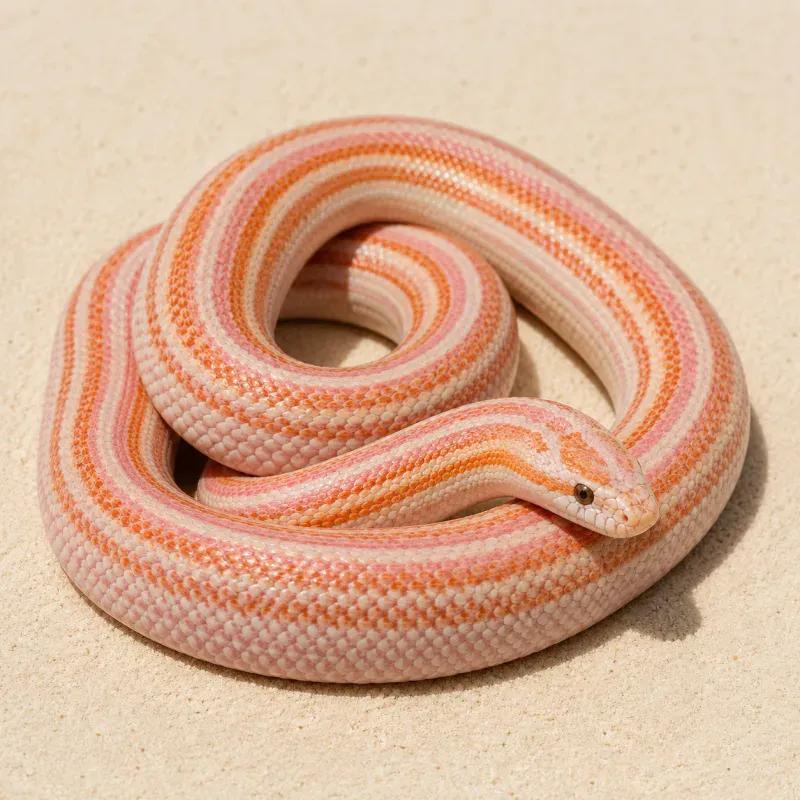
The rosy boa (Lichanura trivirgata) is a small, docile constrictor native to the southwestern United States and northwestern Mexico. Known for its gentle temperament and manageable size, it is an excellent choice for both beginner and intermediate keepers. This comprehensive feeding guide covers everything you need to know: from diet schedules and prey size charts to frozen-thawed tips and troubleshooting common feeding problems.
Enclosure Setup for Optimal Feeding
A proper enclosure is essential for stress-free feeding. Rosy boas are terrestrial and secretive, so provide a 20-gallon long tank (30″×12″×12″) for an adult, with a secure lid. Use aspen shavings, cypress mulch, or a bioactive substrate like topsoil/sand mix (3–4 inches deep). Include two hides: one on the warm side (88–92°F) and one on the cool side (75–80°F). A water dish large enough for soaking should be available at all times. Clutter with cork bark, driftwood, and silk plants to mimic their rocky desert habitat. A shallow feeding dish or flat rock can help contain prey and prevent substrate ingestion.
Heating and Lighting for Digestion
Rosy boas require a thermal gradient to digest meals properly. Use an under-tank heater (UTH) or ceramic heat emitter (CHE) on one side, regulated by a thermostat. Basking surface temperature: 88–92°F; ambient warm side: 85–88°F; cool side: 75–80°F. Nighttime drop to 70–75°F is acceptable. UVB lighting is not required but a low-level 5.0 UVB bulb (12-hour cycle) can support natural behaviors and vitamin D synthesis. Always provide 12–14 hours of daylight. Avoid heat rocks, as they can cause burns.
Humidity and Hydration
Rosy boas need low-to-moderate humidity (40–50%). During shedding, increase to 60–70% by misting the warm hide or providing a humid hide (damp sphagnum moss in a container). Dehydration can lead to stuck sheds and feeding refusal. Ensure fresh, dechlorinated water is always available. If your boa is not drinking, try a shallow water dish that is changed daily. Misting the enclosure lightly in the evening can encourage drinking.
Diet and Feeding Schedule
In the wild, rosy boas eat small mammals, birds, and occasionally lizards. In captivity, feed frozen-thawed rodents for safety and convenience. Hatchlings (under 6 months) should be fed every 5–7 days; juveniles (6–18 months) every 7–10 days; adults (18+ months) every 10–14 days. Adjust frequency based on body condition: a healthy boa should have a rounded, not square, cross-section. Use the prey size chart below to select appropriate meals.
Prey Size Chart
| Snake Weight | Prey Type | Prey Size | Feeding Frequency |
|---|---|---|---|
| Under 20 g | Pinkie mouse | 1–2 g | Every 5–7 days |
| 20–50 g | Fuzzy mouse | 3–5 g | Every 7 days |
| 50–100 g | Hopper mouse | 6–10 g | Every 7–10 days |
| 100–200 g | Adult mouse | 10–20 g | Every 10–14 days |
| 200+ g | Jumbo mouse or small rat | 20–30 g | Every 14 days |
Important: Prey should be no wider than 1.5 times the snake's widest body part. Overfeeding can cause obesity and regurgitation.
Frozen-Thawed Tips for Rosy Boas
Feeding frozen-thawed prey is safer than live (prevents injury) and easier to store. Follow these steps:
- Thawing: Place frozen rodent in a sealed plastic bag and submerge in warm water (90–100°F) for 20–30 minutes. Never use a microwave—it can cook the prey unevenly.
- Warming: Once thawed, use tongs to dangle the prey by the tail and gently rub it against the snake's nose or body. Some boas prefer prey that is slightly warmer than room temperature (100–105°F).
- Scenting: If your boa refuses frozen-thawed, try scenting the rodent with a live mouse or lizard (e.g., by rubbing it on a live feeder's bedding). You can also use commercial scenting products like ReptiLinks.
- Braining: For stubborn feeders, make a small slit in the rodent's skull to release brain matter—this can trigger feeding response.
- Feeding location: Offer prey inside the enclosure to minimize stress. Some keepers prefer a separate feeding tub, but this can cause regurgitation if the snake is moved too soon after eating.
Common Feeding Problems and Solutions
Even experienced keepers encounter feeding issues. Here are the most common problems and how to resolve them:
Refusal to Eat
- Stress: Ensure proper hides, minimal handling, and correct temperatures. New snakes may take 1–2 weeks to settle.
- Brumation instinct: Rosy boas may fast during winter months (November–February). If healthy, a 2–3 month fast is normal. Provide a slight temperature drop (65–70°F) and shorter daylight hours to mimic natural cycle.
- Prey size/type: Try smaller prey or a different color rodent (e.g., white vs. brown). Scenting with lizard can help.
- Health check: Look for signs of illness: weight loss, lethargy, mouth breathing, or regurgitation. Consult a reptile vet if fasting exceeds 2 months.
Regurgitation
Regurgitation is a serious sign. Causes include handling too soon after feeding, prey too large, or low temperatures. After a regurgitation, wait 10–14 days before offering a smaller meal. Ensure warm side is 88–92°F. If repeated, see a vet.
Overfeeding/Obesity
Rosy boas are prone to obesity. Signs: squared-off body shape, fat pads near tail, difficulty moving. Reduce feeding frequency and prey size. Adult boas can be fed every 14–21 days.
Handling and Feeding: Best Practices
Do not handle your rosy boa for 48 hours after a meal to prevent regurgitation. When handling, support the body fully and avoid sudden movements. Never handle during shed (blue phase) as vision is impaired and stress is high. Wash hands before and after handling to avoid transferring scents. If your boa is in feeding mode (tongue flicking, head tracking), wait until it calms down before picking it up.
Common Health Issues Related to Feeding
- Stuck shed: Low humidity or dehydration. Provide a humid hide and ensure water is available.
- Respiratory infection: Symptoms include wheezing, mucus, open-mouth breathing. Caused by low temperatures or high humidity. Correct environment and consult vet.
- Mouth rot (infectious stomatitis): Red, swollen mouth, excess saliva. Caused by injury or poor hygiene. Requires vet treatment.
- Parasites: Internal parasites can cause weight loss and regurgitation. Fecal exam recommended annually.
Errors to Avoid
- Feeding live prey: Live rodents can injure your snake. Always use frozen-thawed.
- Overhandling before feeding: Stress can cause refusal. Handle only when necessary.
- Ignoring temperature gradient: Without proper heat, digestion fails.
- Feeding too frequently: Leads to obesity and health issues.
- Using a microwave to thaw: Creates hot spots that can burn the snake's mouth.
Comparison: Rosy Boa vs. Other Common Pet Snakes
| Feature | Rosy Boa | Corn Snake | Ball Python |
|---|---|---|---|
| Adult size | 2–4 ft | 3–5 ft | 3–5 ft |
| Feeding frequency | Every 10–14 days (adult) | Every 7–10 days | Every 7–14 days |
| Prey size | Mouse (adult) | Mouse/rat | Rat (adult) |
| Feeding difficulty | Easy | Easy | Moderate (can be picky) |
| Humidity | 40–50% | 50–60% | 60–80% |
| Temperature | 75–92°F | 75–85°F | 78–92°F |
| Lifespan | 15–30 years | 15–20 years | 20–30 years |
With this guide, you can confidently feed your rosy boa, troubleshoot issues, and ensure a long, healthy life. Remember: patience and consistency are key. Happy feeding!
Related Reading
Check optimal temps, calculate feeding, and find your perfect species match.
References
- Barker, D. G., & Barker, T. M. (2006). The Ball Python Manual. Advanced Vivarium Systems.
- de Vosjoli, P. (2004). The Rosy Boa: A Complete Care Guide. Advanced Vivarium Systems.
- Rivas, J. A., & Burghardt, G. M. (2001). Understanding the feeding behavior of snakes. In Snakes: Ecology and Behavior (pp. 147–176). McGraw-Hill.
- Stahl, S. J. (2002). Veterinary care of pet snakes. Veterinary Clinics of North America: Exotic Animal Practice, 5(1), 21–37.
🐾 Join the Community
See how other keepers set up their enclosures, ask questions, and share your experience.
🛠️ Apply What You Learned
Check optimal temps, calculate feeding schedules, and get calcium dosage — all personalized for your species.
Comments