Green Anole Feeding: Crickets, Gutloading & Calcium
Introduction
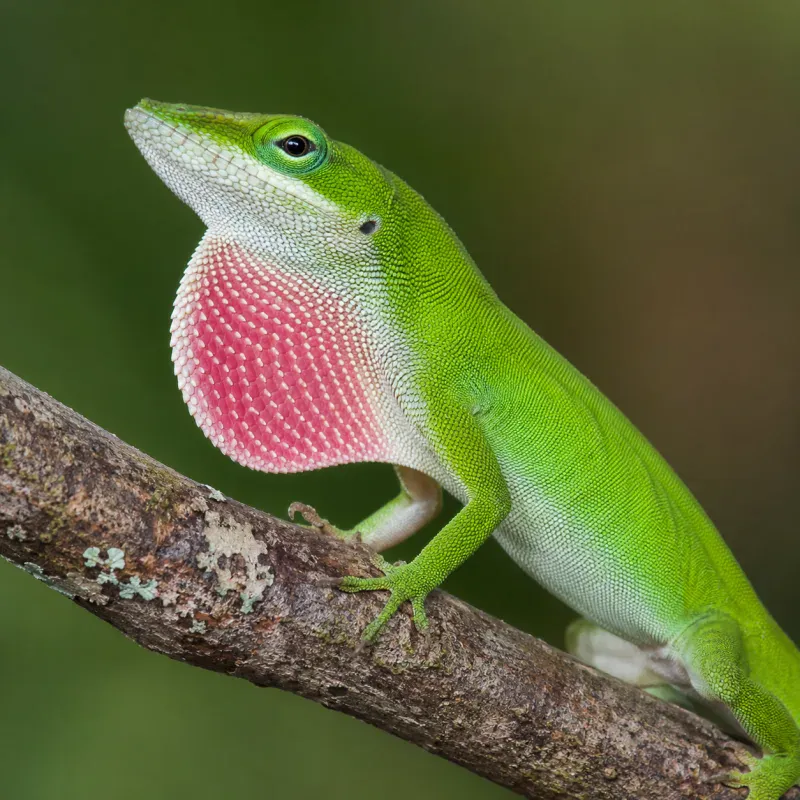
The green anole (Anolis carolinensis) is a beloved pet lizard known for its vibrant green coloration and active personality. Proper nutrition is the cornerstone of a healthy anole. This comprehensive guide covers everything from insect selection and feeding schedules to gutloading, calcium D3 dusting, and hydration methods. Whether you're a new owner or a seasoned keeper, these evidence-backed practices will help your anole thrive.
\n
Complete Insect Diet
Green anoles are insectivores that require a varied diet of live, appropriately sized prey. The primary staples include:
- Crickets (Acheta domestica): The most common feeder. Choose crickets no larger than the width of your anole's head.
- Dubia roaches (Blaptica dubia): Excellent nutritional profile; soft-bodied and easy to digest.
- Mealworms (Tenebrio molitor): High in fat; use as an occasional treat (once or twice per week).
- Black soldier fly larvae (BSFL): Rich in calcium; can be offered daily.
- Silkworms (Bombyx mori): Highly nutritious; great for variety.
- Waxworms (Galleria mellonella): Very high in fat; reserve for underweight or breeding anoles only.
Always source feeders from reputable suppliers to avoid pesticide exposure. Never feed wild-caught insects, as they may carry parasites or toxins.
How to Choose the Right Size
The size of the prey is critical for safe swallowing and digestion. A good rule of thumb is that the insect should be no wider than the space between your anole's eyes, or about the width of its head. For juveniles, this means tiny pinhead crickets or small roach nymphs. For adults, medium crickets (about 1/4 inch) are appropriate. Offering prey that is too large can lead to impaction or choking.
Sourcing and Storage
Purchase feeders from a reputable pet store or online supplier. Store crickets in a ventilated container with egg crate for hiding, and provide a source of moisture (like a slice of potato or commercial water gel) to keep them hydrated. Roaches should be kept in a similar setup with a heat source if needed. Always inspect feeders for signs of disease or death before offering them to your anole.
Gutloading Tips
Gutloading—feeding nutritious foods to your feeders before offering them to your anole—is critical. A well-gutloaded insect provides more vitamins and minerals than a starved one. Use a high-quality commercial gutload (e.g., Repashy Bug Burger, Fluker's High-Calcium Cricket Diet) or a homemade mix of:
- Dark leafy greens (collard, mustard, dandelion)
- Carrots (shredded)
- Squash
- Sweet potatoes
- Oats or wheat bran
Avoid feeding crickets only potatoes or iceberg lettuce—these offer little nutritional value. Gutload insects for at least 24–48 hours before feeding them to your anole.
Step-by-Step Gutloading Process
- Place your feeders in a separate container with adequate ventilation.
- Add a shallow dish of your chosen gutload mixture. Ensure it's fresh and not spoiled.
- Provide a moisture source, such as a water gel or a slice of orange (for hydration, not as a primary food).
- Leave the feeders in the gutload for 24–48 hours. The longer, the better, but 24 hours is the minimum.
- After gutloading, dust the insects with calcium powder (see next section) immediately before feeding.
Common Gutloading Mistakes
- Using only one food item (e.g., just carrots) – this limits nutrient variety.
- Gutloading for less than 24 hours – the insects haven't had time to absorb nutrients.
- Leaving gutload in the feeder container too long – it can mold or spoil.
- Forgetting to provide moisture – dehydrated feeders are less nutritious.
Calcium D3 Dusting
Green anoles require calcium and vitamin D3 to prevent metabolic bone disease (MBD). Follow this schedule:
| Feeder Type | Supplement | Frequency |
|---|---|---|
| Staple (crickets, roaches) | Calcium with D3 | Every feeding |
| Treats (mealworms, waxworms) | Calcium with D3 | Every feeding |
| All feeders | Multivitamin (without D3) | Once per week |
Use a calcium powder with vitamin D3 (e.g., Rep-Cal, Zoo Med Repti Calcium). Place a few crickets in a bag with a pinch of powder, gently shake, then offer immediately. Dust only as many insects as your anole will eat in 5–10 minutes to avoid waste.
Why D3 Matters
Vitamin D3 is essential for calcium absorption. Without it, even a calcium-rich diet won't prevent MBD. UVB lighting helps anoles synthesize D3 naturally, but supplemental D3 in powder ensures they get enough, especially if UVB lighting is inadequate or inconsistent. However, too much D3 can be toxic, so stick to the schedule above.
How to Dust Properly
- Place the insects in a clean plastic bag or container.
- Add a small pinch of calcium powder (about the size of a pea for a handful of crickets).
- Gently shake or swirl the container until the insects are lightly coated.
- Offer the dusted insects immediately. Do not store dusted insects for later.
Feeding Frequency by Age
Feeding schedules vary based on life stage:
- Juveniles (0–6 months): Feed 3–5 small insects twice daily. These growing lizards need frequent meals.
- Sub-adults (6–12 months): Feed 5–7 medium insects once daily.
- Adults (12+ months): Feed 5–8 medium insects every other day. Obesity is common in overfed adults.
Always remove uneaten prey after 15 minutes to prevent stress or injury from hungry crickets.
Adjusting for Activity and Health
Anoles that are more active, breeding, or recovering from illness may need slightly more food. Conversely, less active or overweight anoles should have reduced portions. Monitor your anole's body condition regularly—a healthy anole should have a visible but not prominent spine and ribs. If you notice weight gain or loss, adjust the feeding schedule accordingly.
Hydration Misting
Green anoles rarely drink from standing water. They lap droplets from leaves and enclosure surfaces. Provide hydration by:
- Misting: Mist the enclosure 2–3 times daily with a spray bottle or automated system. Aim for leaves, glass, and décor.
- Drip system: A slow drip onto a leaf mimics natural dew.
- Humidity gauge: Maintain 60–70% humidity. Use a hygrometer to monitor.
If your anole is not drinking, try misting directly near its head or offering water via a syringe (without needle). Dehydration signs include sunken eyes, wrinkled skin, and lethargy.
How to Set Up an Effective Misting Routine
- Choose a spray bottle with a fine mist setting, or install an automated misting system.
- Mist in the morning and evening to mimic natural dew cycles. A midday misting can be added if your home is dry.
- Spray directly onto leaves, branches, and the glass walls, creating water droplets.
- After misting, watch your anole for a few minutes—they may begin drinking immediately.
- Monitor humidity with a hygrometer to ensure it stays within 60–70%.
Troubleshooting Dehydration
If you suspect dehydration, increase misting frequency and offer water via a syringe (without needle) or an eye dropper. Place a shallow water dish in the enclosure (even if they don't use it, it adds humidity). If symptoms persist, consult a reptile veterinarian.
Common Health Issues Related to Diet
Poor nutrition leads to several preventable conditions:
- Metabolic Bone Disease (MBD): Caused by calcium deficiency and lack of UVB. Symptoms: soft jaw, tremors, difficulty climbing. Prevent with proper dusting and UVB lighting.
- Obesity: Overfeeding high-fat insects (waxworms, mealworms) leads to fatty liver disease. Stick to a lean diet.
- Impaction: Feeding prey too large or poor gutloading can cause blockages. Offer appropriately sized insects.
- Dehydration: Insufficient misting leads to kidney issues. Always provide fresh water droplets.
Recognizing Early Signs
Early signs of MBD include a slightly soft jaw or a reluctance to climb. Obesity is often visible as a rounded belly with a lack of a waistline. Impaction may cause a lack of appetite and lethargy. Dehydration shows as sunken eyes and wrinkled skin. If you notice any of these, adjust diet and husbandry immediately and consult a vet if symptoms persist.
Common Mistakes
Avoid these frequent errors:
- Feeding only one insect type: Variety is key. Rotate crickets, roaches, and larvae weekly.
- Skipping gutloading: Starved feeders = poor nutrition. Always gutload.
- Over-supplementing D3: Too much D3 can be toxic. Stick to the schedule above.
- Using calcium without D3: Without UVB or D3, calcium is not absorbed. Use a D3-containing supplement.
- Misting too little: Anoles need daily misting. Automate if you forget.
Mistake: Feeding Wild-Caught Insects
Wild-caught insects may carry pesticides, parasites, or diseases. Always use commercially raised feeders from a reliable source. This is a non-negotiable rule for the health of your anole.
Mistake: Not Removing Uneaten Prey
Crickets can bite and stress your anole, and uneaten prey can also foul the enclosure. Always remove uneaten insects after 15 minutes. This also helps you monitor how much your anole actually eats.
Quick Comparison: Feeder Insects
| Insect | Protein % | Fat % | Calcium:Phosphorus | Frequency |
|---|---|---|---|---|
| Cricket | 21% | 6% | 1:10 (poor) | Staple |
| Dubia roach | 23% | 7% | 1:4 (better) | Staple |
| BSFL | 17% | 9% | 1:1 (excellent) | Daily |
| Mealworm | 20% | 13% | 1:10 (poor) | Treat |
| Silkworm | 16% | 2% | 1:1 (excellent) | Variety |
| Waxworm | 14% | 22% | 1:10 (poor) | Rare treat |
For more green anole care tips, browse our Green Anole Care Hub.
Frequently Asked Questions
How often should I feed my green anole?
Juveniles (0–6 months) should be fed 3–5 small insects twice daily. Sub-adults (6–12 months) need 5–7 medium insects once daily. Adults (12+ months) should be fed 5–8 medium insects every other day to prevent obesity.
Can I feed my anole only crickets?
While crickets are a staple, feeding only one insect type is a common mistake. Variety is key. Rotate crickets, dubia roaches, and black soldier fly larvae weekly to ensure a balanced nutrient intake.
What happens if I skip gutloading?
Skipping gutloading means your feeders are nutritionally poor, leading to deficiencies in your anole. Always gutload insects for at least 24–48 hours before feeding to provide essential vitamins and minerals.
How do I know if my anole is dehydrated?
Signs of dehydration include sunken eyes, wrinkled skin, and lethargy. Ensure you mist the enclosure 2–3 times daily to maintain 60–70% humidity, and offer water via a syringe if needed.
\\n\\nRelated Reading
\\n- \\n
- Green Anole Diet & Feeding Guide — Dive deeper into the full dietary needs of green anoles, including feeder variety and supplements. \\n
- Green Anole Health: Common Issues & Stress Signs — Learn how to spot health problems early and avoid feeding-related issues that cause stress. \\n
- Green Anole Habitat Setup: Enclosure, Lighting & Plants — Discover how proper enclosure setup supports healthy feeding behavior and digestion. \\n
- Reptile UVB Lighting Guide: Ferguson Zones & Bulb Selection — Understand UVB requirements crucial for calcium metabolism and preventing metabolic bone disease. \\n
- Green Anole Morphs: Blue Anoles & Variations — Explore color variations and morphs that may influence feeding and care preferences. \\n
Check optimal temps, calculate feeding, and find your perfect species match.
References
- McKeown, S. (2015). The Green Anole: A Complete Guide. Herpetological Publishing.
- Vosjoli, P. (2012). The Lizard Keeper's Handbook. Advanced Vivarium Systems.
🐾 Join the Community
See how other keepers set up their enclosures, ask questions, and share your experience.
🛠️ Apply What You Learned
Check optimal temps, calculate feeding schedules, and get calcium dosage — all personalized for your species.
Comments