Green Anole Morphs: Blue Anoles & Variations
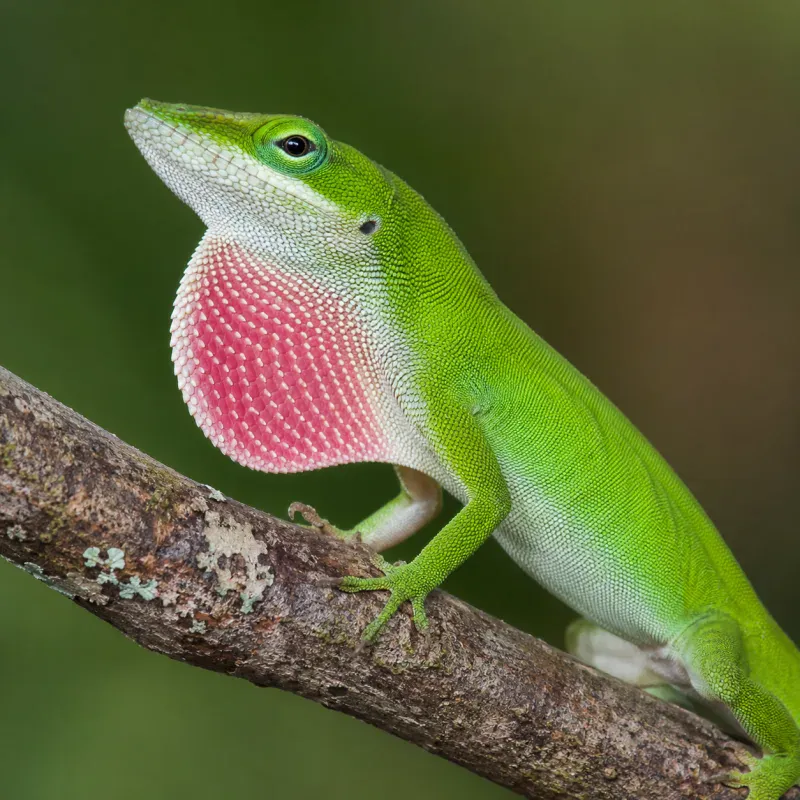
Introduction to Green Anole Morphs and Color Variations
Green anoles (Anolis carolinensis) are one of the most popular pet lizards in the United States, prized for their vibrant color changes and active behavior. While often simply called green anoles, these reptiles exhibit a stunning range of color variations, including green and brown phases, rare blue morphs, and distinct locality types. Understanding these morphs, along with the differences between Carolina and Bahaman anoles, is essential for any enthusiast. This guide covers everything from color genetics to husbandry, ensuring your anole thrives.
Green vs. Brown Phase: Understanding Color Changes
Green anoles are famous for their ability to change color between bright green and brown. This is not true camouflage like a chameleon but is influenced by temperature, humidity, stress, and health. A green anole in optimal conditions—warm, humid, and stress-free—will display a vibrant emerald green. When stressed, cold, or ill, it may turn brown. However, some individuals naturally have a brown phase even when healthy, especially those from certain localities.
Key factors influencing color:
- Temperature: Cooler temperatures (below 70°F) often trigger brown coloration.
- Humidity: Low humidity (<60%) can cause dulling or browning.
- Stress: Handling, territorial disputes, or poor enclosure conditions lead to brown phases.
- Health: Illness or malnutrition may cause persistent brown coloring.
It's important to note that brown phase is normal and not inherently a sign of illness. However, if a usually green anole remains brown for extended periods, check environmental parameters and consult a veterinarian.
Step-by-Step: How to Assess Your Anole's Color Health
Regularly evaluating your anole's color can help you catch health issues early. Follow this simple routine:
- Observe at the same time daily: Choose a consistent time (e.g., morning after lights on) to note the base color.
- Check environmental parameters: Use a thermometer and hygrometer to confirm temperature (basking 85–90°F, cool side 70–75°F) and humidity (60–80%).
- Look for patterns: A green anole that turns brown only during handling is stressed; one that stays brown for days may be ill.
- Inspect for other symptoms: Combine color changes with signs like lethargy, wheezing, or appetite loss.
- Document and consult: Keep a log; if brown coloration persists beyond 48 hours despite optimal conditions, consult a reptile veterinarian.
This routine helps distinguish normal color variation from potential health problems.
Rare Blue Anoles: Genetics and Appearance
Among the most sought-after morphs is the rare blue anole. These individuals display a stunning blue-green or turquoise hue, often with a metallic sheen. The blue coloration is believed to be a genetic mutation affecting the arrangement of structural colors in the scales, rather than pigmentation. Blue anoles are not a separate species but a rare color variant of Anolis carolinensis or sometimes hybrids with other species.
Blue anoles are extremely rare in the wild and difficult to breed in captivity. They often command high prices ($200–$500+ for a single specimen) and require specialized care. If you acquire a blue anole, ensure it is captive-bred and healthy, as wild-caught blue variants may have underlying health issues.
Carolina vs. Bahaman Anole: Key Differences
Many pet owners confuse Carolina green anoles (Anolis carolinensis) with Bahaman anoles (Anolis sagrei, also called brown anoles). While both are anoles, they have distinct characteristics:
| Trait | Carolina Green Anole | Bahaman Brown Anole |
|---|---|---|
| Scientific name | Anolis carolinensis | Anolis sagrei |
| Native range | Southeastern USA | Bahamas, Cuba, now invasive in Florida |
| Size | 5–8 inches | 5–8.5 inches |
| Color change | Green to brown | Brown to darker brown/black |
| Dewlap color | Pink or red | Orange or red-orange |
| Behavior | More arboreal, shy | More terrestrial, bold |
| Care difficulty | Intermediate | Beginner |
Carolina anoles are native to the US and require higher humidity and vertical space, while Bahaman anoles are hardier and more adaptable. They should never be housed together due to competition and disease risk.
Dewlap Colors and Their Significance
The dewlap—a colorful throat fan—is a key identifying feature in anoles. In green anoles, the dewlap is typically pink or red, used for courtship and territorial displays. Males have larger, more vibrant dewlaps than females. Variations in dewlap color occur across localities: some populations show pale pink, while others have deep crimson or even orange hues. The dewlap is also used in species recognition; for example, Bahaman anoles have orange dewlaps, aiding identification.
Factors affecting dewlap color:
- Genetics: Inherited traits determine baseline color.
- Health: A vibrant dewlap indicates good health; dullness may signal illness.
- Hormones: Males in breeding season display brighter dewlaps.
When selecting a green anole, observe the dewlap color as a health indicator, but note that females have smaller, less colorful dewlaps.
Locality Types: Geographic Variations in Green Anoles
Green anoles from different regions exhibit subtle differences in size, color, and behavior. Common locality types include:
- Florida green anoles: Larger, with bright green coloration and vivid pink dewlaps. They adapt well to captivity.
- Georgia/South Carolina anoles: Slightly smaller, with more brown-phase individuals in the wild. Hardy but shy.
- Texas anoles: Often have a blue-green tint and are known for their boldness. Rare in the pet trade.
- Louisiana anoles: Medium-sized with a tendency toward brown phases even in good conditions.
While these locality types are not formal morphs, they influence care—for instance, Texas anoles may need slightly lower humidity. Always research the origin of your anole if possible.
Enclosure Setup for Green Anoles
Green anoles are arboreal and require a vertically oriented enclosure. A 20-gallon tall tank (18x18x24 inches) is minimum for one adult, larger for multiple. Provide:
- Substrate: Coconut fiber, sphagnum moss, or reptile-safe soil; avoid sand or wood shavings.
- Climbing structures: Branches, vines, and live or fake plants (pothos, ficus) for cover and basking.
- Water source: A shallow water dish and daily misting to maintain humidity (60–80%).
- Hides: Cork bark or foliage caves for security.
Multiple males should never be housed together due to aggression. A male-female pair or single female works best.
Heating, Lighting, and Humidity
Green anoles are ectothermic and need a thermal gradient:
- Basking spot: 85–90°F (29–32°C) using a low-wattage heat lamp.
- Cool side: 70–75°F (21–24°C).
- Nighttime: Drop to 65–70°F (18–21°C); no light needed.
- UVB lighting: Essential for vitamin D3 synthesis; use a 5.0 UVB bulb for 10–12 hours daily.
- Humidity: 60–80%; mist 2–3 times daily and use a hygrometer.
Avoid heat rocks, which can cause burns. Use a thermostat to regulate temperatures.
Seasonal Care: Adjusting for Temperature and Humidity Cycles
Green anoles experience seasonal changes in the wild, and replicating these cycles supports natural behavior and breeding. Here's how to adjust care:
| Season | Temperature | Humidity | Lighting | Feeding |
|---|---|---|---|---|
| Spring | Gradually raise basking to 85–90°F | 60–80% | 10–12 hours | Increase to daily for adults |
| Summer | Maintain basking 85–90°F | 80% (misting more often) | 12 hours | Daily, with more insects |
| Autumn | Gradually lower basking to 80°F | 60–70% | Reduce to 10 hours | Every other day |
| Winter | Cool side 65–70°F, basking 80°F | 60% (reduce misting) | 8–10 hours | Every 2–3 days, smaller portions |
During winter, some anoles may enter a mild brumation-like state, eating less and being less active. This is normal; continue providing fresh water and monitor weight.
Diet and Feeding
Green anoles are insectivores. Feed a variety of gut-loaded insects:
- Staple: Small crickets, flightless fruit flies, or small roaches (e.g., dubia nymphs).
- Treats: Mealworms (in moderation), waxworms, or black soldier fly larvae.
- Supplements: Dust insects with calcium powder (with D3) 2–3 times per week, and a multivitamin once weekly.
- Feeding schedule: Juveniles daily, adults every other day; offer 3–5 appropriately sized insects per feeding.
Always provide fresh water in a shallow dish and via misting (anoles often drink droplets).
Handling and Temperament
Green anoles are generally shy and should be handled minimally. They can drop their tails (autotomy) if stressed. To handle:
- Allow the anole to crawl onto your hand; never grab or squeeze.
- Keep handling sessions short (5–10 minutes) and infrequent (once or twice a week).
- Always supervise children and wash hands before/after.
Signs of stress include dark coloration, rapid breathing, or attempting to escape. If stressed, return the anole to its enclosure.
Common Health Issues
- Metabolic bone disease (MBD): Caused by calcium deficiency and lack of UVB; symptoms include soft jaw, tremors, and lethargy. Prevent with proper UVB and supplements.
- Respiratory infections: Wheezing, mucus, or open-mouth breathing; treat with vet-prescribed antibiotics.
- Mites: Tiny black dots on skin; treat with reptile-safe mite spray and quarantine.
- Tail loss: Regrows but may be shorter; keep enclosure clean to prevent infection.
- Dehydration: Sunken eyes, wrinkled skin; increase misting and provide water.
Regular veterinary check-ups are recommended, especially for wild-caught individuals.
Troubleshooting: Why Is My Anole Brown?
If your green anole stays brown, work through this checklist:
- Check temperature: Is the basking spot below 85°F? Increase heat lamp wattage or adjust the thermostat.
- Check humidity: Is it below 60%? Mist more frequently or add a humidifier.
- Reduce handling: Overhandling causes stress; limit sessions to once or twice weekly.
- Look for illness: Persistent brown plus lethargy or appetite loss requires a vet visit.
- Consider natural variation: Some localities (e.g., Louisiana) are naturally browner; this is not a problem.
Most brown phases resolve when environmental conditions are corrected.
Common Mistakes to Avoid
- Housing multiple males together: Leads to stress, injury, and death.
- Using incorrect lighting: No UVB leads to MBD; red bulbs disrupt sleep cycles.
- Overhandling: Causes chronic stress and tail loss.
- Poor humidity control: Low humidity causes shedding problems and respiratory issues.
- Feeding only crickets: Lack of dietary variety leads to nutritional deficiencies.
- Ignoring water quality: Stagnant water breeds bacteria; change daily.
By avoiding these pitfalls, you can provide a thriving environment for your green anole.
Cost Breakdown: Budgeting for a Green Anole
Owning a green anole involves initial and ongoing costs. Here's a realistic breakdown:
| Item | Initial Cost | Recurring Cost |
|---|---|---|
| Anole (standard) | $15–$40 | — |
| Blue anole (rare) | $200–$500+ | — |
| Enclosure (20-gallon tall) | $50–$150 | — |
| Heating & lighting (lamp, UVB, thermostat) | $60–$120 | Bulbs $20–$40 every 6–12 months |
| Substrate & décor | $30–$80 | Substrate $10–$20 monthly |
| Food (insects + supplements) | — | $15–$30 monthly |
| Vet check-up | $50–$100 | As needed |
Budget roughly $200–$400 for setup and $30–$50 monthly for ongoing care, excluding rare morphs.
Selecting a Healthy Anole: What to Look For
Whether you're buying a standard green anole or a rare blue morph, choosing a healthy individual is crucial. Use this checklist when inspecting a potential pet:
- Clear eyes: No discharge, swelling, or stuck shed around the eyes.
- Intact tail: Avoid anoles with recent tail loss (a fresh stump), as it indicates stress or poor handling.
- Alert behavior: The anole should be active, watching its surroundings, and responsive to movement.
- Healthy skin: Look for smooth, plump skin without wounds, bumps, or mites (tiny black/red dots).
- Normal breathing: No wheezing, open-mouth breathing, or excessive mucus.
- Good body condition: A slightly rounded belly is healthy; a prominent spine or sunken sides indicate malnutrition or dehydration.
Ask the seller about the anole's origin (captive-bred vs. wild-caught) and feeding history. Wild-caught anoles are more prone to parasites and stress, so captive-bred is always preferred.
Breeding Blue Anoles: Challenges and Tips
Breeding blue anoles is a challenging endeavor due to the rarity of the mutation and the specific care requirements. Here's what you need to know:
- Genetics: The blue color is likely recessive or polygenic, meaning both parents must carry the genes. Pairing two blue anoles increases the odds of blue offspring, but even then, not all offspring may be blue.
- Conditioning: Provide a cooling period (winter) with reduced temperatures (65–70°F) for 6–8 weeks, then gradually warm up to stimulate breeding.
- Pairing: House a male with one or two females, providing ample hiding spots and foliage to reduce stress.
- Egg laying: Females lay 1–2 eggs every 2 weeks during the breeding season (spring to summer). Provide a moist substrate (e.g., sphagnum moss) in a lay box.
- Incubation: Incubate eggs at 80–85°F with high humidity (80–90%) for 5–7 weeks.
- Hatchling care: Hatchlings are tiny (about 1 inch) and require fruit flies or pinhead crickets dusted with calcium.
Breeding blue anoles requires patience and experience. If you're a beginner, focus on keeping a single healthy anole before attempting breeding.
Comparison of Common Green Anole Morphs
To help you choose, here's a quick comparison of the most common green anole morphs and variations:
| Morph/Variation | Color | Rarity | Price Range | Care Notes |
|---|---|---|---|---|
| Standard Green | Bright green to brown | Common | $15–$40 | Easy to find; typical care. |
| Blue (Rare) | Blue-green/turquoise | Very rare | $200–$500+ | Same care as standard, but may be more sensitive if wild-caught. |
| Texas Locality | Blue-green tint | Uncommon in pet trade | $30–$60 | May tolerate slightly lower humidity. |
| Louisiana Locality | Brownish-green | Common in wild | $15–$30 | Naturally browner; not a health issue. |
Remember that locality types are not formal morphs, but they can affect appearance and care preferences.
Conclusion
Green anoles are captivating pets with a rich diversity of morphs, colors, and behaviors. Whether you're drawn to the rare blue anole, the classic green phase, or the subtle differences between Carolina and Bahaman species, understanding their care is key. With proper enclosure setup, diet, and attention to health, your anole can live 4–8 years and bring daily joy. Always source captive-bred specimens when possible and consult a reptile veterinarian for any concerns.
Related Reading
Frequently Asked Questions
Can green anoles change to blue?
No, green anoles do not change to blue as a normal color phase. Blue anoles are a rare genetic mutation affecting structural colors, not a color they can shift into.
Are blue anoles more expensive than regular green anoles?
Yes, blue anoles are extremely rare and can cost $200–$500+ for a single specimen, while standard green anoles are much more affordable.
Do Bahaman anoles make better pets for beginners than Carolina anoles?
Yes, Bahaman anoles are considered beginner-level due to their hardiness and adaptability, while Carolina green anoles require more specific humidity and vertical space, making them intermediate.
Why does my green anole stay brown even when healthy?
Some locality types, such as Louisiana anoles, naturally have more brown-phase individuals even in good conditions. Check temperature, humidity, and stress levels first, but it may be normal variation.
What should I do if my green anole's dewlap looks dull?
A dull dewlap can indicate illness or stress. Ensure optimal temperature (85–90°F basking), humidity (60–80%), and reduce handling. If dullness persists, consult a veterinarian.
How often should I mist my green anole's enclosure?
Mist 2–3 times daily to maintain humidity at 60–80%. Increase misting during summer or if humidity drops below 60%.
Can I house a Carolina green anole with a Bahaman brown anole?
No, they should never be housed together due to competition and disease risk. They have different care requirements and may fight.
What are the signs of a healthy green anole when buying one?
Look for clear eyes, intact tail, alert behavior, smooth skin without wounds or mites, normal breathing, and a slightly rounded belly. Avoid anoles with fresh tail loss or sunken sides.
How can I increase the chances of breeding blue anoles?
Pair two blue anoles (both carrying the gene), provide a winter cooling period (65–70°F for 6–8 weeks), then gradually warm up. Ensure a moist lay box for egg laying and incubate eggs at 80–85°F with high humidity.
Is a Texas locality anole different in care from a Florida one?
Texas anoles may tolerate slightly lower humidity, while Florida anoles are larger and adapt well to captivity. Always research the origin and adjust humidity accordingly.
Check optimal temps, calculate feeding, and find your perfect species match.
References
- Losos, J. B. (2009). Lizards in an Evolutionary Tree: Ecology and Adaptive Radiation of Anoles. University of California Press.
- Vitt, L. J., & Caldwell, J. P. (2014). Herpetology: An Introductory Biology of Amphibians and Reptiles. Academic Press.
- Barten, S. L. (2020). Green Anole Care and Husbandry. Reptiles Magazine.
- de Queiroz, K., & Reeder, T. W. (2011). The Reptile Database. Available at: reptile-database.org.
🐾 Join the Community
See how other keepers set up their enclosures, ask questions, and share your experience.
🛠️ Apply What You Learned
Check optimal temps, calculate feeding schedules, and get calcium dosage — all personalized for your species.
Comments