Green Anole Enclosure: Tank, UVB & Plants
Enclosure Setup: Choosing the Right Tank Size
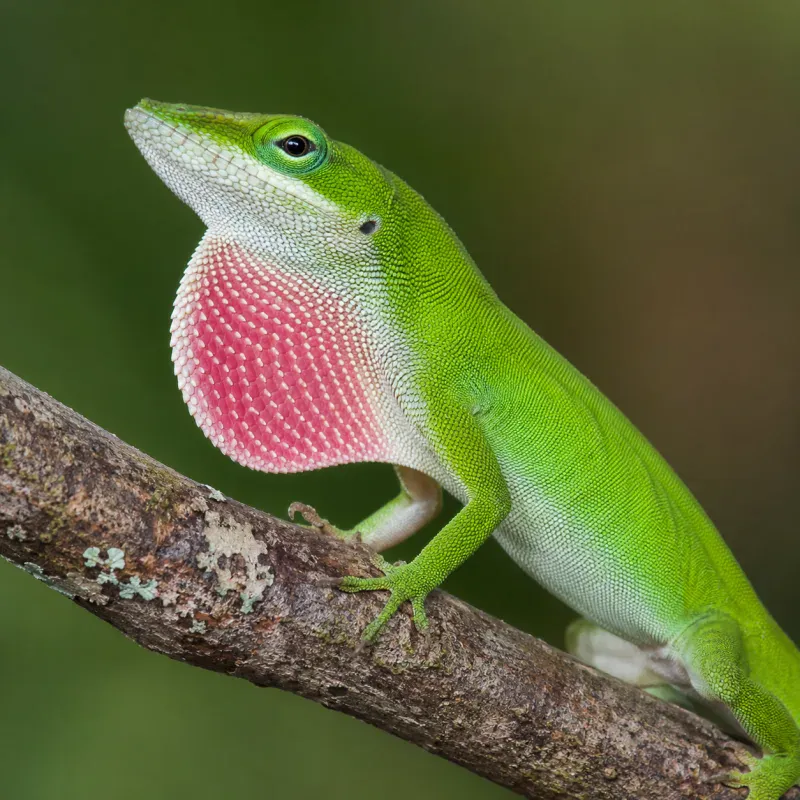
Green anoles (Anolis carolinensis) are active, arboreal lizards that require vertical space to climb. In the wild, they inhabit tree canopies, so a tall enclosure is far more beneficial than a long one. The minimum tank size for a single green anole is a 10-gallon (45x30x30 cm) tank, but a 20-gallon tall (61x30x46 cm) or larger is strongly recommended for better thermoregulation and enrichment. For a pair or trio, use a 30-gallon tall or larger. Screen lids are essential to allow proper ventilation and UVB penetration—glass lids can trap excess humidity and block UVB rays.
\n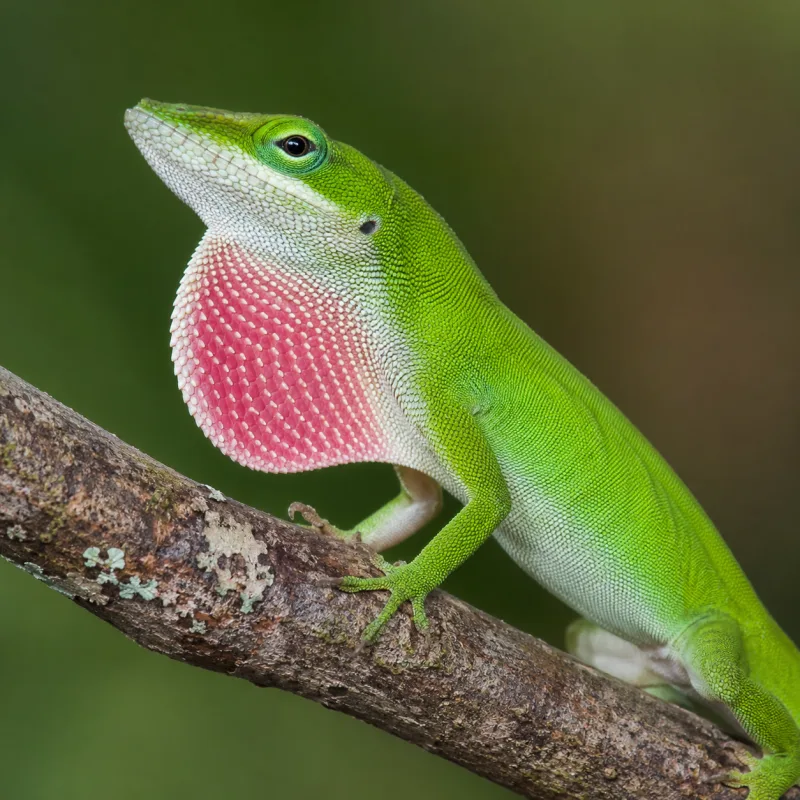
Step-by-Step Tank Selection
- Measure your space: Ensure the enclosure fits in a quiet, low-traffic area away from drafts, direct sunlight, and air vents.
- Choose height over width: Look for tanks labeled “tall” or “high” (e.g., 20-gallon tall, 30-gallon tall). Standard 20-gallon long tanks are less suitable.
- Check the lid: A fine mesh screen lid is ideal. It must fit securely to prevent escapes—green anoles are excellent climbers.
- Consider front-opening doors: For larger enclosures, front-opening glass doors make maintenance and misting easier, reducing stress on the lizard.
Enclosure Size Comparison
| Number of Anoles | Minimum Tank Size | Recommended Tank Size | Why Bigger Is Better |
|---|---|---|---|
| 1 juvenile | 10-gallon tall | 20-gallon tall | Allows proper temperature gradient and room to grow |
| 1 adult | 20-gallon tall | 30-gallon tall | More space for climbing and hiding reduces stress |
| Pair or trio | 30-gallon tall | 40-gallon breeder or larger | Provides separate territories and basking spots |
Remember: a larger enclosure also requires stronger lighting and more foliage to fill the space, but the effort is rewarded with a healthier, more active pet.
Lighting & UVB Requirements
Green anoles are diurnal and require a UVB source for vitamin D3 synthesis and calcium metabolism. Without UVB, they cannot absorb calcium properly, leading to metabolic bone disease (MBD). Use a linear fluorescent UVB bulb (5.0 or 6% T5 or T8) spanning at least half the enclosure length. Place the bulb 6–8 inches above basking perches. Replace UVB bulbs every 6–12 months even if still emitting visible light—UVB output diminishes over time. A 12-hour photoperiod is ideal, mimicking natural day/night cycles.
Choosing the Right UVB Bulb
- T5 bulbs: Slimmer, more efficient, and emit higher UVB output. Ideal for taller enclosures (18 inches or more).
- T8 bulbs: Thicker and less intense; suitable for shorter tanks (12–16 inches) when placed closer to the basking area.
- Compact/coil bulbs: Not recommended—they produce an uneven UVB field and can cause eye irritation.
Basking and Ambient Lighting
Provide a basking bulb that creates a hotspot of 85–90°F (29–32°C) on one side, with the cool side at 70–75°F (21–24°C). Use a low-wattage incandescent bulb (e.g., 40–60 watts) placed on one end of the enclosure. Nighttime temperatures can drop to 65–70°F (18–21°C). Use a thermostat to regulate heat sources and prevent burns. A simple dimming thermostat or a proportional thermostat works best; avoid on/off thermostats that cause temperature spikes.
Photoperiod and Seasonal Adjustments
Maintain a consistent 12-hour cycle year-round. Some keepers reduce the photoperiod to 10 hours during winter to simulate natural seasonal changes, but this is optional. If you choose to do so, ensure nighttime temperatures also drop slightly (to 60–65°F) to mimic winter. Always use a timer to automate lighting—anoles thrive on predictability.
Humidity & Temperature Gradient
Green anoles thrive at 60–70% humidity, with occasional spikes up to 80% after misting. Use a hygrometer to monitor levels. Mist the enclosure 2–3 times daily with dechlorinated water, or use an automatic misting system. Provide a shallow water dish for drinking, but ensure it is not deep enough to cause drowning. The temperature gradient should be: basking spot 85–90°F, warm side 80–85°F, cool side 70–75°F. Nighttime lows of 65–70°F are acceptable. Avoid temperatures below 60°F, which can cause respiratory issues.
Creating and Maintaining Humidity
- Manual misting: Use a spray bottle filled with dechlorinated water. Mist the plants and enclosure walls thoroughly each morning and evening.
- Automatic misting systems: Ideal for busy keepers. Set to mist for 30–60 seconds every 4–6 hours. Adjust based on your ambient humidity.
- Humidity hides: Place a small container with damp sphagnum moss inside to create a microclimate—anoles will use it during shedding.
- Live plants: They release moisture through transpiration, helping to stabilize humidity levels.
Monitoring Tools
Place a digital hygrometer/thermometer at the cool end and another at the basking area. Avoid analog dials—they are notoriously inaccurate. Check readings daily, especially during seasonal changes.
Troubleshooting Humidity Problems
| Problem | Possible Cause | Solution |
|---|---|---|
| Humidity below 50% | Screen lid too open, dry room | Mist more often, cover part of the lid with plastic wrap, add a larger water dish |
| Humidity constantly above 80% | Poor ventilation, over-misting | Reduce misting frequency, improve airflow with a small fan |
| Mold growth | Excess moisture, poor airflow | Remove moldy substrate, increase ventilation, reduce misting |
Best Plants for Green Anoles
Live plants help maintain humidity, provide hiding spots, and improve air quality. They also make the enclosure look natural and reduce stress. Safe options include:
- Pothos (Epipremnum aureum) – hardy, fast-growing, tolerates low light
- Bromeliads (Neoregalia spp.) – hold water in leaf axils, anoles may drink from them
- Ficus benjamina (Weeping Fig) – sturdy climbing branches, but can be messy
- Dracaena (Dracaena fragrans) – broad leaves for cover
- Sansevieria (Snake Plant) – low-maintenance, vertical leaves
- Spider Plant (Chlorophytum comosum) – non-toxic, easy to propagate
Avoid toxic plants like dieffenbachia, philodendron, and ivy. Use organic soil without perlite or fertilizers—perlite can be ingested and cause impaction, while fertilizers can leach into the enclosure and harm your anole.
How to Set Up Live Plants
- Quarantine new plants: Keep them separate for 2 weeks and inspect for pests. Wash leaves thoroughly and repot in organic soil.
- Choose the right pots: Use clay or plastic pots with drainage holes. Place a saucer underneath to catch excess water.
- Position plants strategically: Place taller plants (e.g., Ficus) at the back or sides, and low-growing plants (e.g., Pothos) near the front for easy viewing.
- Secure pots: Bury them partially in the substrate or use suction cups for wall-mounted planters to prevent tipping.
Artificial Plant Alternatives
If you prefer low-maintenance setups, high-quality silk or plastic plants can work. Choose ones with broad, sturdy leaves that can support the anole’s weight. Avoid plants with small, sharp edges that could injure your pet. Artificial plants do not contribute to humidity, so you’ll need to mist more frequently.
Diet & Feeding: What to Feed Your Green Anole
Green anoles are insectivores. Feed a variety of live insects: crickets (staple), small dubia roaches, mealworms (in moderation), black soldier fly larvae, and waxworms (treats). Dust insects with a calcium supplement (without D3) at every feeding, and a multivitamin once a week. Juveniles should be fed daily (2–3 appropriately sized insects per feeding), adults every other day (4–5 insects). Gut-load feeder insects 24 hours before feeding with nutritious foods like leafy greens and carrots. Provide a shallow dish of water, but anoles often prefer lapping droplets from leaves after misting.
Feeder Insect Size Guide
| Anole Age | Insect Size | Examples |
|---|---|---|
| Juvenile (under 6 months) | 1/8 inch (3 mm) | Pinhead crickets, fruit flies |
| Sub-adult (6–12 months) | 1/4 inch (6 mm) | Small crickets, small dubia nymphs |
| Adult (over 12 months) | 1/2 inch (12 mm) | Adult crickets, medium dubia roaches |
Supplementation Schedule
- Calcium (without D3): Dust every feeding for juveniles; every other feeding for adults.
- Multivitamin: Once weekly for all ages.
- Vitamin D3: Usually unnecessary if using a proper UVB bulb. Consult your vet before adding D3 supplements.
Gut-Loading and Hydration
Gut-loading ensures your feeder insects are nutritious. Feed them a mix of leafy greens (collard, mustard), carrots, and commercial gut-load diets for 24–48 hours before offering them to your anole. Also, provide a water source for the insects (e.g., water crystals or a wet sponge) to keep them hydrated.
Handling & Behavior
Green anoles are generally not handleable and can become stressed. If you must handle them, do so gently and infrequently (e.g., for health checks). Support their entire body; never grab the tail, as they can drop it (tail autotomy). Signs of stress include dark brown coloration, rapid breathing, and hiding. Allow your anole to acclimate to its enclosure for at least 1–2 weeks before attempting handling. They are best observed rather than handled.
Reading Body Language
- Bright green: Active, comfortable, or basking.
- Dark brown: Stressed, cold, or frightened.
- Puffed throat (dewlap): Male displaying to females or rivals.
- Tail twitching: Excited or hunting.
Safe Handling Tips
- Wash your hands before and after handling.
- Approach slowly from below—never from above (they perceive overhead movement as predators).
- Let the anole walk onto your hand voluntarily; do not grab.
- Keep handling sessions under 5 minutes.
- Never handle during shedding or after a meal.
Common Health Issues
Metabolic bone disease (MBD) from insufficient UVB/calcium causes tremors and soft jaw. Respiratory infections from low temperatures/high humidity cause wheezing and mucus. Dehydration leads to sunken eyes and stuck shed. Parasites (mites, worms) may cause weight loss. Mouth rot (infectious stomatitis) appears as white patches in the mouth. Provide proper husbandry to prevent most issues. Quarantine new anoles for 30 days.
Prevention Checklist
- Replace UVB bulb every 6 months.
- Maintain temperature gradient—never below 60°F.
- Keep humidity between 60–70%.
- Feed a varied diet with proper supplementation.
- Clean the enclosure weekly and remove waste daily.
- Quarantine new arrivals for 30 days.
When to See a Vet
If you notice any of the following, consult a reptile veterinarian immediately: persistent weight loss, lack of appetite for more than a week, difficulty breathing, swollen joints, or abnormal feces. Early intervention greatly improves recovery chances.
Common Mistakes to Avoid
1. Using a too-small enclosure (e.g., 5-gallon) – restricts movement and gradient. 2. No UVB or wrong bulb type – leads to MBD. 3. Overhandling – causes chronic stress. 4. Feeding only crickets – need variety. 5. Low humidity (<50%) – causes shedding problems. 6. Placing enclosure in draft or direct sunlight – temperature swings. 7. Using substrate that causes impaction (e.g., sand) – use paper towels or bioactive soil.
Detailed Explanations
- Too-small enclosure: A 5-gallon tank cannot create a proper thermal gradient—the basking spot will overheat the entire tank, and the cool side will be too warm. This leads to chronic stress and weakened immunity.
- Incorrect UVB: Compact fluorescent bulbs emit inconsistent UVB, and some brands have been linked to eye problems. Always use linear T5/T8 bulbs.
- Overhandling: Green anoles are display pets, not cuddly companions. Handling them more than a few times a month can cause chronic stress, leading to suppressed appetite and increased susceptibility to illness.
- Monotonous diet: Feeding only crickets can lead to nutritional imbalances and obesity. Rotate at least three types of insects.
- Low humidity: Below 50% humidity causes difficulty shedding, leading to retained shed around toes and tail, which can cause necrosis.
- Drafts and direct sun: Placing the enclosure near a window can cause dangerous temperature spikes, while drafts from air conditioning or heating vents cause rapid temperature drops.
- Loose substrate: Sand, wood shavings, or crushed walnut shells can be ingested while hunting, causing intestinal blockages. Use paper towels, reptile carpet, or a bioactive soil mix.
Comparison Table: Tank Sizes & Setup Costs
| Tank Size | Dimensions (inches) | Suitable For | Setup Cost Range |
|---|---|---|---|
| 10-gallon tall | 20x10x12 | 1 juvenile or small adult | $150–250 |
| 20-gallon tall | 24x12x16 | 1 adult | $200–350 |
| 30-gallon tall | 36x12x18 | 1–2 adults or trio | $300–500 |
| 40-gallon breeder | 36x18x16 | Pair with vertical foliage | $350–600 |
Setup costs include the tank, lid, lighting (UVB + basking), thermostat, hygrometer, décor, and initial substrate. Live plants add $20–50 extra. Always invest in quality equipment—cheaper alternatives often fail and cost more in the long run.
Related Reading
Frequently Asked Questions
How often should I replace the UVB bulb?
Replace UVB bulbs every 6–12 months, even if they still emit visible light. UVB output diminishes over time, so a bulb that looks fine may no longer provide adequate UVB for vitamin D3 synthesis.
What is the ideal temperature for a green anole's basking spot?
The basking spot should be 85–90°F (29–32°C), with the warm side at 80–85°F and the cool side at 70–75°F. Nighttime temperatures can drop to 65–70°F, but never below 60°F.
Can I keep two male green anoles together?
No, two males will fight for territory and can cause serious injuries. A pair or trio should consist of one male with one or two females, housed in a 30-gallon tall or larger enclosure.
What should I do if my green anole stops eating?
First, check temperatures and humidity—stress from incorrect conditions is the most common cause. Ensure the UVB bulb is fresh and the diet is varied. If the anole refuses food for more than a week, consult a reptile veterinarian to rule out parasites or illness.
\nCheck optimal temps, calculate feeding, and find your perfect species match.
References
- McLeod, L. (2021). Green Anole Care Sheet. The Spruce Pets.
- Kaplan, M. (2019). Anoles: A Comprehensive Guide. Reptile Magazine.
- Ritchie, B. (2020). Reptile Lighting Guide. Reptile Lighting Systems.
🐾 Join the Community
See how other keepers set up their enclosures, ask questions, and share your experience.
🛠️ Apply What You Learned
Check optimal temps, calculate feeding schedules, and get calcium dosage — all personalized for your species.
Comments