Crested Gecko Handling & Taming Guide: Build Trust
Introduction
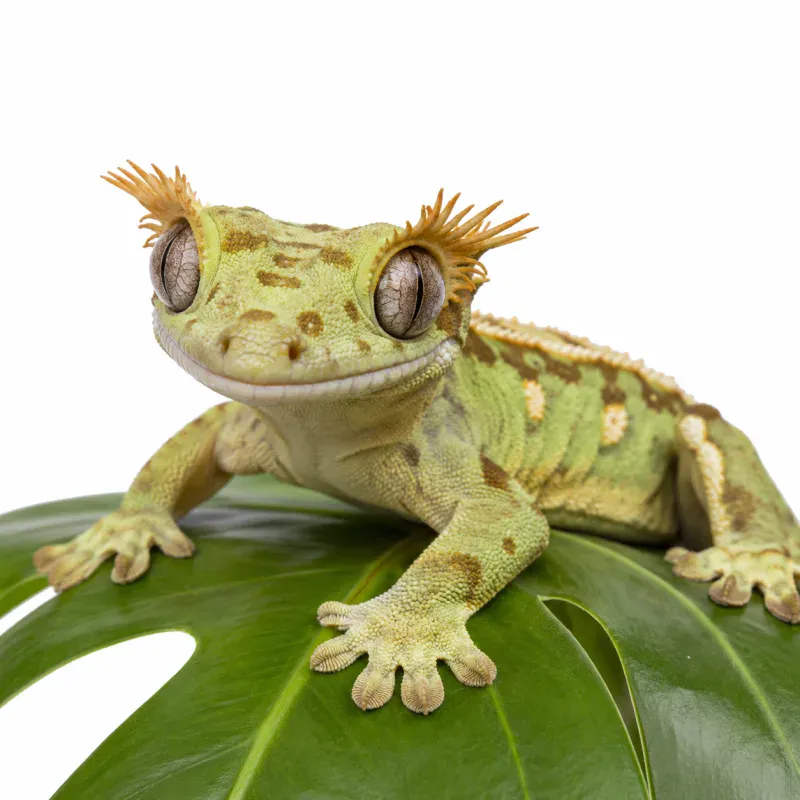
Crested geckos (Correlophus ciliatus) are gentle, arboreal reptiles native to New Caledonia. Known for their docile temperament and unique appearance, they can become calm, handleable pets with the right approach. However, they are naturally skittish and prone to jumping or dropping their tails when stressed. This guide provides evidence-backed strategies for building trust, reducing jumpiness, establishing a safe handling routine, and managing stress. Whether you’re a first-time owner or an experienced keeper, these techniques will help you and your gecko enjoy positive interactions.
Understanding Crested Gecko Behavior
Before handling, it’s crucial to understand your gecko’s natural instincts. Crested geckos are prey animals in the wild, so sudden movements, loud noises, or looming shadows trigger a flight-or-fight response. They communicate through body language: a relaxed gecko holds its body low, tongue-flicks occasionally, and breathes steadily. Signs of stress include rapid breathing, tail wagging, mouth gaping, or jumping away. Recognizing these signals helps you adjust your approach.
Why Crested Geckos Drop Their Tails
Tail dropping (autotomy) is a defense mechanism. When a crested gecko feels threatened or is grabbed by the tail, it can voluntarily detach it. The tail will not regrow, which is why gentle handling is essential. Avoid grabbing the tail at all costs.
Body Language Glossary
| Signal | Meaning | Action |
|---|---|---|
| Low body posture, slow breathing | Relaxed and comfortable | Continue gentle handling |
| Rapid breathing, tail wagging | Stress or agitation | End handling session |
| Mouth gaping | Threat display or fear | Stop handling, give space |
| Jumping away | Startled or frightened | Let it land safely, avoid sudden moves |
Pre-Handling Preparation
Creating a safe environment is the first step to successful handling. Ensure your gecko’s enclosure is secure and escape-proof. Wash your hands thoroughly with unscented soap before each session—geckos are sensitive to chemicals and scents. Remove any jewelry that could snag or startle your gecko. Have a soft surface (like a towel or your lap) nearby in case they jump. Never grab or restrain your gecko; always let them come to you.
Step-by-Step Preparation Routine
- Wash hands with unscented soap and rinse thoroughly.
- Remove jewelry (rings, bracelets, watches).
- Dim the lights in the room to reduce stress.
- Place a soft towel on your lap or a nearby table.
- Open the enclosure slowly and calmly.
- Wait a few seconds to let your gecko notice your presence.
Building Trust from Day One
Trust is built through consistent, positive interactions. Start by simply placing your hand inside the enclosure for a few minutes daily, allowing your gecko to investigate at its own pace. Avoid eye contact (which can seem predatory) and move slowly. Once your gecko voluntarily climbs onto your hand, you can progress to short sessions (2–5 minutes) inside the enclosure. Gradually increase duration over weeks. Never force handling; if your gecko retreats or shows stress, end the session and try again later.
Week-by-Week Taming Schedule
| Week | Daily Activity | Duration |
|---|---|---|
| 1 | Place hand in enclosure, let gecko investigate | 5 minutes |
| 2 | Hand stays still, gecko may climb on | 5–10 minutes |
| 3 | Short handling sessions inside enclosure | 2–5 minutes |
| 4+ | Gradually extend sessions, begin out-of-enclosure time | 5–10 minutes |
Common Trust-Building Mistakes
- Making eye contact – perceived as predatory.
- Moving too quickly – triggers flight response.
- Reaching from above – mimics bird attacks.
- Handling during the day – geckos are nocturnal; they may be sleepy and stressed.
Handling Techniques to Reduce Jumpiness
Jumpiness is common in crested geckos, especially young ones. To minimize it, always approach from the side rather than above. Use a flat, open palm as a platform—never scoop from underneath, which can feel like a predator. If your gecko jumps, let it land safely and then gently guide it back onto your hand. Avoid sudden movements or loud sounds. Some keepers find that handling during the evening (when geckos are naturally more active) reduces startle responses. Consistency is key: short, daily sessions are more effective than long, infrequent ones.
Step-by-Step Handling Technique
- Approach from the side – slide your hand into the enclosure without hovering above.
- Place your palm flat on the substrate or perch, fingers together.
- Wait for your gecko to step onto your hand – do not push or prod.
- If your gecko jumps, let it land on the towel or your lap.
- Gently cup your hand around the gecko only if it tries to climb up your arm (to prevent escape).
- Keep movements slow and smooth – avoid jerky motions.
What to Do If Your Gecko Jumps
- Stay calm – do not grab mid-air.
- Let it land on a soft surface.
- Wait a few seconds for it to settle, then offer your hand again.
- If it jumps repeatedly, end the session and try later.
Handling Frequency and Duration
For most adult crested geckos, handling 3–5 times per week for 5–10 minutes per session is ideal. Juveniles may need shorter, more frequent sessions (e.g., 2–3 minutes daily) to build confidence. Avoid handling during shedding, after feeding, or if your gecko is showing signs of illness. Overhandling can cause chronic stress, leading to appetite loss or weakened immune function. Always prioritize your gecko’s comfort over your desire to interact.
Recommended Handling Schedule by Age
| Age Group | Frequency | Duration per Session |
|---|---|---|
| Juveniles (under 1 year) | Daily | 2–3 minutes |
| Adults (1+ year) | 3–5 times per week | 5–10 minutes |
| Breeding females | Minimize handling | 1–2 minutes, only if necessary |
When NOT to Handle
- During shedding – skin is sensitive, gecko is stressed.
- Within 48 hours after feeding – risk of regurgitation.
- If the gecko is ill – handling can worsen stress.
- After a tail drop – allow time to heal and adjust.
Stress Management and Signs
Chronic stress can be detrimental to your gecko’s health. Common stress triggers include excessive handling, loud environments, improper husbandry (e.g., incorrect temperature or humidity), and the presence of other pets. Watch for warning signs: decreased appetite, weight loss, hiding excessively, tail wagging, or regurgitation. If you notice these, reduce handling frequency and review your enclosure conditions. Provide plenty of hiding spots (e.g., cork bark, foliage) and maintain stable temperature (72–78°F / 22–26°C) and humidity (50–80%).
Stress Reduction Checklist
- Provide at least 2–3 hiding spots in the enclosure.
- Keep the enclosure in a quiet, low-traffic area.
- Maintain temperature within 72–78°F (22–26°C).
- Maintain humidity between 50–80%.
- Avoid housing with other pets (cats, dogs) that can cause stress.
- Do not handle more than recommended.
Troubleshooting Common Stress Signs
| Sign | Likely Cause | Solution |
|---|---|---|
| Decreased appetite | Overhandling, illness, or improper temps | Reduce handling, check temperatures, consult vet if persistent |
| Hiding excessively | Too much exposure, lack of hides | Add more foliage and hides, reduce handling |
| Tail wagging | Stress or agitation | End handling, give space |
| Regurgitation | Handling after feeding | Wait 48 hours post-meal before handling |
Handling Pitfalls
Many new owners make errors that undermine trust. Avoid grabbing or restraining your gecko—this triggers panic. Never handle a gecko that is shedding or has recently eaten (wait 48 hours after a meal). Do not use two-handed handling, as geckos may feel trapped. Avoid handling in bright light; dim, natural light is best. Finally, never let your gecko roam unsupervised—they can escape or injure themselves. Patience and respect for your gecko’s boundaries are essential.
Top 5 Handling Mistakes to Avoid
- Grabbing the tail – can cause tail drop.
- Handling after feeding – risk of regurgitation.
- Using two hands to trap – increases stress.
- Handling in bright light – gecko feels exposed.
- Letting them roam unsupervised – escape and injury risks.
What to Do If Your Gecko Drops Its Tail
- Do not panic – it is a natural defense.
- Keep the enclosure clean to prevent infection.
- Reduce handling until the wound heals (about 2–3 weeks).
- Consult a vet if you notice signs of infection (redness, swelling).
Comparison Table: Handling Approaches
| Approach | Description | Best For | Risk Level |
|---|---|---|---|
| Passive (hand-in-enclosure) | Place hand inside and wait for gecko to approach | New or shy geckos | Low |
| Active (guided movement) | Gently guide gecko onto hand using side approach | Intermediate owners | Medium |
| Free handling (out of enclosure) | Allow gecko to explore on your hands/arms | Confident, tame geckos | Low–Medium |
| Restraint-based (avoid) | Holding gecko firmly or against its will | Not recommended | High |
Advanced Tips for Taming Shy or Nervous Geckos
Some crested geckos are naturally more nervous than others. For these individuals, extra patience is required. Consider the following advanced strategies:
- Use a feeding cue – associate your presence with food by offering a small treat (like a drop of CGD) on your hand.
- Handle in a small, secure space – like a bathtub or playpen, to prevent escapes and build confidence.
- Use a soft cloth or glove if your hands are too warm or if the gecko seems uncomfortable with skin contact.
- Keep a consistent routine – handle at the same time each day to create predictability.
Seasonal Handling Considerations
Your crested gecko’s behavior and tolerance for handling can change with the seasons, especially in regions with distinct temperature fluctuations. During cooler months, your gecko may be less active and more prone to stress, while warmer months may increase activity levels. Adjust your handling routine accordingly to maintain trust and minimize stress.
Winter Handling Tips
- Ensure the enclosure temperature stays within 72–78°F (22–26°C) even if the room is cooler.
- Reduce handling frequency to 2–3 times per week, as geckos may be more sluggish.
- Keep handling sessions shorter (3–5 minutes) to avoid overstressing a less active gecko.
- Monitor humidity closely; winter air can be dry, so maintain 50–80% humidity with misting.
Summer Handling Tips
- Geckos may be more active and curious; you can gradually increase handling duration if your gecko is comfortable.
- Be mindful of higher room temperatures; if the enclosure exceeds 78°F (26°C), focus on cooling and reduce handling to avoid heat stress.
- Ensure proper ventilation and hydration, as warmer weather can increase water loss.
- Maintain a consistent routine, as geckos thrive on predictability.
Cost Breakdown: Handling Accessories
While handling itself is free, some accessories can improve safety and comfort for both you and your gecko. Here’s a breakdown of common items and their typical costs (prices are estimates and may vary):
| Item | Purpose | Estimated Cost (USD) |
|---|---|---|
| Unscented soap | Hand washing before handling | $3–5 per bottle |
| Soft towel or cloth | Safe landing surface for jumps | $5–10 |
| Playpen or small secure area | Controlled handling space for nervous geckos | $20–40 |
| Feeding dish or syringe | Offering CGD treats during taming | $5–15 |
| Gloves (if needed) | Protection for handlers with sensitive skin | $10–20 |
These are optional; most handling sessions require no additional cost beyond basic supplies you likely already own.
Conclusion
Taming and handling a crested gecko is a rewarding process that requires patience, consistency, and respect. By understanding their behavior, preparing properly, and using gentle techniques, you can build a bond based on trust rather than fear. Remember that every gecko is unique—some may never enjoy handling, and that’s okay. Prioritize their well-being, and you’ll have a happy, healthy companion for years to come.
Frequently Asked Questions
How often should I handle my crested gecko?
For most adult crested geckos, handling 3–5 times per week for 5–10 minutes per session is ideal. Juveniles may need shorter, more frequent sessions (e.g., 2–3 minutes daily) to build confidence. Avoid handling during shedding, after feeding, or if your gecko is showing signs of illness.
Why does my crested gecko jump when I try to handle it?
Jumpiness is common, especially in young geckos. To minimize it, always approach from the side rather than above. Use a flat, open palm as a platform, and avoid sudden movements or loud sounds. Handling during the evening (when geckos are naturally more active) can also reduce startle responses.
What should I do if my crested gecko drops its tail?
Tail dropping is a natural defense mechanism. Do not panic. Keep the enclosure clean to prevent infection, reduce handling until the wound heals (about 2–3 weeks), and consult a vet if you notice signs of infection like redness or swelling.
How can I tell if my crested gecko is stressed?
Signs of stress include rapid breathing, tail wagging, mouth gaping, or jumping away. Chronic stress can lead to decreased appetite, weight loss, hiding excessively, or regurgitation. If you notice these signs, reduce handling frequency and review your enclosure conditions, ensuring stable temperature (72–78°F / 22–26°C) and humidity (50–80%).
Can I handle my crested gecko during shedding?
It is not recommended to handle your gecko during shedding. Their skin is sensitive, and they are more stressed than usual. Wait until the shed is complete before resuming handling.
Is it safe to handle my crested gecko right after feeding?
No, you should wait at least 48 hours after feeding before handling. Handling too soon after a meal can cause regurgitation, which is stressful and potentially harmful to your gecko.
Do crested geckos enjoy being handled?
Some crested geckos may tolerate or even enjoy handling, while others may never fully accept it. Each gecko is unique. The goal is to build trust and minimize stress, not to force interaction. Prioritize your gecko’s comfort above your desire to handle.
Related Reading
- Crested Gecko Care Guide: Complete Setup & Feeding
- Why Is My Crested Gecko Not Sticking to Glass?
- Crested Gecko Bioactive Guide
- Fire Skink Substrate and Humidity Guide: Creating th...
- Crested Gecko Morph Guide: Harlequin, Dalmatian, Fla...
- Complete Crested Gecko Diet & Feeding Guide: CGD Rot...
- Crested Gecko Temperature and Lighting Guide: Optima...
- Crested Gecko Breeding Guide: Pairing, Egg Laying, I...
Check optimal temps, calculate feeding, and find your perfect species match.
References
- de Vosjoli, P. (2005). The Herpetoculture of the Crested Gecko. Advanced Vivarium Systems.
- Repashy, A. (2010). Crested Gecko Care and Breeding. Repashy Ventures.
- Balsai, M. (2001). The General Care and Maintenance of the Crested Gecko. Advanced Vivarium Systems.
🐾 Join the Community
See how other keepers set up their enclosures, ask questions, and share your experience.
🛠️ Apply What You Learned
Check optimal temps, calculate feeding schedules, and get calcium dosage — all personalized for your species.
Comments