Crested Gecko Diet Guide: CGD Rotation & Insects
Introduction
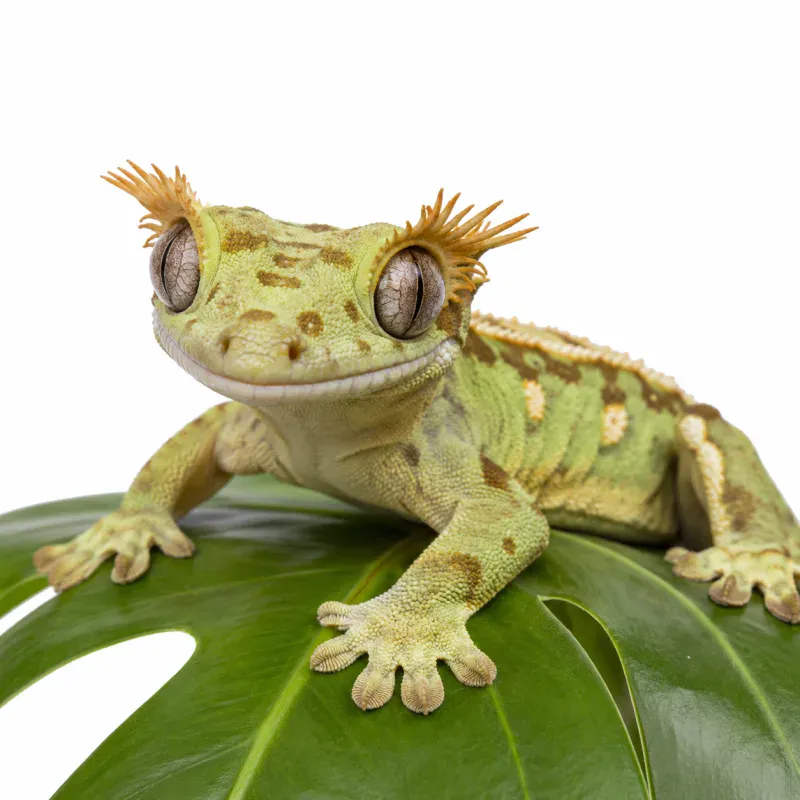
The crested gecko (Correlophus ciliatus) is one of the most popular pet reptiles thanks to its docile nature and relatively simple care requirements. However, proper nutrition is the cornerstone of long-term health. Unlike many lizards, crested geckos are omnivorous frugivores that thrive on a balanced diet of commercial powdered diets, live insects, occasional fruits, and targeted supplementation. This guide provides an evidence-based, step-by-step approach to feeding your crestie for maximum vitality, lifespan (15–20 years), and coloration.
In the wild, crested geckos consume a varied diet of fruits, nectar, pollen, and small invertebrates. In captivity, we replicate this diversity using a combination of complete powdered diets (CGD) and live insects. Getting the balance right prevents nutritional deficiencies, obesity, and feeding-related illnesses. Whether you're a first-time keeper or a seasoned breeder, this guide covers every aspect of crested gecko nutrition.
1. The Complete CGD Rotation Schedule
Commercial crested gecko diet (CGD) powders provide a complete nutritional base. They are formulated with the correct calcium-to-phosphorus ratio, vitamins, and protein. Rotating between 2–3 reputable brands (e.g., Repashy, Pangea, Zoo Med) ensures nutrient diversity and prevents pickiness. Each brand has slightly different ingredient profiles—some are higher in protein (e.g., Pangea Growth & Breeding), others in fruit content (e.g., Zoo Med Banana Apricot). Rotation also keeps your gecko interested in food, reducing the risk of a feeding strike.
Why Rotate CGD Brands?
- Nutrient diversity: No single powder contains every trace nutrient in optimal amounts; rotation covers gaps.
- Prevents food boredom: Geckos can become fixated on one flavor and refuse others, making it hard to switch later.
- Safety net: If one brand has a recall or reformulation, your gecko is already accustomed to alternatives.
Weekly Rotation Example
- Monday – Repashy (Grubs & Fruit)
- Wednesday – Pangea (Watermelon or Fig & Insect)
- Friday – Zoo Med (Banana Apricot)
- Sunday – Pangea (Growth & Breeding formula for juveniles)
This schedule provides a mix of insect-based and fruit-based formulas. For adults, you can simplify to two brands if preferred, but three is optimal. Adjust based on what your gecko eats enthusiastically—if it consistently leaves one brand uneaten, swap it for another flavor from the same brand.
Mixing Instructions
Use a 1:2 ratio of powder to dechlorinated water (e.g., 1 teaspoon powder to 2 teaspoons water). Whisk until smooth—no lumps. The consistency should be like a thick milkshake, not runny. If it's too thick, add a few drops of water; if too runny, add a pinch of powder. Offer a fresh dish every 48 hours, discarding any uneaten food after 24 hours to prevent spoilage. In high-humidity enclosures, food can ferment quickly, leading to bacterial growth.
Pro tip: Use a small, shallow dish (e.g., a bottle cap or commercial gecko dish) that you can remove easily. Some keepers use magnetic ledges to keep the dish elevated.
Portion Sizes by Age
| Age | Frequency | Amount per Feeding | Notes |
|---|---|---|---|
| Hatchlings (0–3 months) | Daily | 1/8 teaspoon | Offer small dollops on a leaf or dish; remove after 24h. |
| Juveniles (3–12 months) | Daily | 1/4 teaspoon | Growth formula recommended for extra protein. |
| Adults (1 year+) | Every other day | 1/2 teaspoon | Adjust if gecko is underweight or overweight. |
| Breeding females | Daily | 1/2–3/4 teaspoon | Supplement with extra calcium (see Section 4). |
Monitor your gecko's body condition. A healthy adult should have a rounded belly but no visible fat rolls on the sides. If the gecko finishes its meal quickly and seems hungry, you can increase slightly. If it leaves food consistently, reduce portion.
2. Live Insect Feeding: How Often & Which Species
Insects provide essential protein, chitin (for gut motility), and mental stimulation. They also mimic natural foraging behavior. Feed live insects 1–2 times per week for adults, 2–3 times for juveniles. Overfeeding insects can lead to obesity and gout due to excess protein, so stick to the schedule.
Safe Insect Choices
- Crickets (gut-loaded 24h prior) – 1/4–1/2 inch for juveniles, 1/2–3/4 inch for adults. Crickets are widely available but low in calcium; always dust them.
- Dubia roaches – 1/4–1/2 inch; high calcium-to-phosphorus ratio, low odor, and cannot climb smooth surfaces, making them easy to contain. Excellent staple.
- Black soldier fly larvae (Nutrigrubs) – excellent calcium source, no dusting needed. They are small, soft-bodied, and highly digestible. Ideal for juveniles.
- Mealworms (occasionally, as treats) – high fat, limit to 2–3 per month. They have a tough exoskeleton that can be hard to digest for small geckos.
- Silkworms – soft-bodied, high in protein and calcium, but harder to find. Great occasional treat.
- Hornworms – hydrating and low in fat, but can grow large quickly. Offer only small ones.
Insects to Avoid
- Wild-caught insects – may carry pesticides or parasites.
- Fireflies – toxic to reptiles.
- Large prey items – anything wider than the space between the gecko's eyes can cause impaction or choking.
Feeding Method
Offer 3–5 appropriately sized insects in a feeding dish or let loose in the enclosure (supervise to avoid uneaten insects bothering your gecko). Remove any uneaten insects after 15 minutes. Crickets can bite your gecko if left overnight, causing stress or injury. For timid geckos, use tongs to offer insects individually—this also allows you to monitor intake.
Gut-Loading and Dusting
Gut-load crickets and roaches 24 hours before feeding. Feed them a commercial gut-load diet or fresh vegetables like carrots, sweet potatoes, and leafy greens. This passes nutrients to your gecko. Dust insects with calcium + D3 immediately before offering (see Section 4).
3. Treat Fruits: Safe & Unsafe Options
Fruits should make up no more than 10% of total diet. Offer as a treat 1–2 times per month. In the wild, crested geckos eat fruit as a primary component, but captive CGD already contains fruit, so extra fruit can unbalance the diet. Too much fruit leads to diarrhea, obesity, and calcium imbalance (fruit is high in phosphorus and low in calcium).
| Safe Fruits (mashed or pureed) | Unsafe Fruits (never feed) |
|---|---|
| Banana (ripe) | Citrus (lemon, orange, grapefruit) |
| Mango | Pineapple (high acidity) |
| Papaya | Rhubarb (toxic) |
| Fig (fresh or dried, rehydrated) | Avocado (persin toxic) |
| Blueberries (halved) | Grapes (only small amounts, seedless) |
| Strawberries (sliced thin) | Cherries (pits are cyanogenic) |
| Peach (no pit) | Apple seeds (cyanide) |
Preparation: Wash thoroughly, remove seeds/pits, mash to a soft paste. Offer on a small dish or your fingertip. Remove after 2 hours to prevent fruit flies and fermentation. For dried figs, soak in water for 30 minutes to rehydrate before mashing.
4. Calcium & Vitamin Supplementation
Inadequate calcium causes metabolic bone disease (MBD), the #1 killer in captive crested geckos. Even with CGD, supplementation is critical for insect-fed geckos. CGD powders are balanced, but insects are not—they have an inverted calcium-to-phosphorus ratio (more phosphorus than calcium), which binds calcium and prevents absorption.
Supplement Schedule
- Insects (every feeding): Dust with calcium + D3 powder (e.g., Repashy Calcium Plus or Zoo Med ReptiCalcium). Place insects in a small bag or jar with a pinch of powder, shake gently, and offer immediately.
- Once weekly: Use a multivitamin powder (e.g., Repashy SuperVite) on insects. This covers trace vitamins like A, E, and B-complex that may be lacking.
- CGD only: If feeding only CGD, no additional supplement needed for balanced formulas. Check label for calcium:phosphorus ratio (ideal 2:1).
- Breeding females: Increase calcium dusting to every insect feeding, and consider a calcium dish (without D3) in the enclosure.
Note: Over-supplementation of vitamin D3 can cause toxicity (calcification of soft tissues). Use D3-free calcium for geckos with UVB lighting (see Section 5). If you provide UVB, the gecko synthesizes its own D3, so extra D3 in powder can lead to overdose.
Signs of Calcium Deficiency (MBD)
- Soft or rubbery jaw
- Tremors or twitching
- Bent or bowed limbs
- Difficulty climbing or grasping
- Lethargy and reduced appetite
If you notice any of these, consult a reptile veterinarian immediately. Early intervention with liquid calcium and UVB can reverse mild cases.
5. Enclosure Setup & Environmental Factors for Feeding Success
Proper environment ensures your gecko feeds well. A stressed gecko will refuse food, so replicate natural conditions. Use a vertical enclosure (18x18x24 inches for adults) with plenty of climbing branches, foliage, and hiding spots. Crested geckos are arboreal and feel secure when they can perch high.
Environmental Parameters
- Temperature: 72–78°F (22–25°C) daytime, 65–72°F (18–22°C) night. Avoid temps above 82°F (28°C) – stress reduces appetite. Use a thermometer to monitor.
- Humidity: 60–80%, with misting twice daily. Spray enclosure walls so geckos drink droplets. Use a hygrometer. Let humidity drop between mistings to prevent bacterial growth.
- Lighting: Low-level UVB (5% or 2.0) optional but beneficial for vitamin D synthesis. Provide 12-hour photoperiod. If using UVB, place it above a mesh screen, not directly on glass (UVB is filtered by glass).
Feeding Station
Place food dish on a ledge or suction-cup platform at mid-height. Crested geckos are arboreal and prefer eating off the ground. In the wild, they rarely descend to the forest floor. A feeding ledge also keeps the dish clean from substrate.
Water
Always provide a shallow water dish (even though they prefer drinking droplets). Use dechlorinated water. Change daily.
6. Handling & Feeding Interaction
Handling should be infrequent (2–3 times per week, 5–10 minutes) to avoid stress that disrupts feeding. Never handle within 2 hours of feeding to prevent regurgitation. Use gentle, slow movements; support the body fully. If your gecko drops its tail (tail autotomy), it will not regrow – this is a stress response. Avoid grabbing the tail.
Target training: Offer a small treat (e.g., mashed banana) from your finger to build trust. Do this only after the gecko has eaten its main meal. This positive association helps with future handling and health checks.
Signs of Stress
- Refusing food
- Frequent tail dropping
- Darkened coloration (though some morphs are naturally dark)
- Excessive hiding
If you see these, reduce handling and check environmental parameters.
7. Common Feeding-Related Health Issues
- Metabolic Bone Disease (MBD): Soft jaw, tremors, bent limbs. Caused by calcium deficiency. Treatment: vet-prescribed liquid calcium and UVB. Prevention: proper supplementation.
- Obesity: Rolls of fat on sides, lethargy. Reduce feeding frequency and eliminate treats. Increase exercise by adding climbing structures.
- Impaction: Constipation from large prey or substrate ingestion. Avoid loose substrates (use paper towels or reptile carpet). Symptoms: no droppings, swollen belly. Soak in shallow warm water to stimulate.
- Gout: Swollen joints from excessive protein. Limit insect feeding to 2x/week. Provide ample hydration.
- Mouth rot (stomatitis): Swollen, red mouth; refused food. Requires vet antibiotics. Clean the enclosure to prevent bacterial buildup.
- Parasites: Weight loss despite eating, diarrhea. Fecal exam by vet. Often from feeder insects.
8. Common Diet Mistakes to Avoid
- Overfeeding fruit: Leads to diarrhea, obesity, and calcium imbalance. Stick to 10% rule.
- Using tap water: Chlorine and heavy metals harm gut bacteria. Always use dechlorinated or bottled spring water.
- Feeding only crickets: Crickets are low in calcium. Always gut-load and dust.
- Ignoring CGD expiration: Powdered diets lose vitamins after 6 months. Store in cool, dry place. Write the opening date on the container.
- Skipping supplementation for insect-only diets: Always dust insects with calcium+D3.
- Feeding too large insects: Can cause impaction. Rule of thumb: insect should be no wider than the space between the gecko's eyes.
- Leaving insects in enclosure: Crickets can bite your gecko. Remove after 15 minutes.
- Sudden diet changes: Introduce new CGD brands gradually over 1 week (mix old and new).
Conclusion
A balanced crested gecko diet isn't complicated – it just requires consistency. Rotate high-quality CGD powders, offer live insects 1–2 times weekly, provide safe fruits as occasional treats, and supplement appropriately. Pair this with proper temperature, humidity, and low-stress handling, and your crestie will thrive for decades. For specific health concerns, consult a reptile veterinarian. Remember, a well-fed gecko is a happy gecko—and your attention to nutrition will be rewarded with a vibrant, active companion.
Frequently Asked Questions
What do crested geckos eat?
A commercial crested gecko diet (CGD) powder is the complete nutritional base — rotating between CGD flavors is recommended. Live insects add protein, and fruit is a treat only. CGD should make up about 80% of the diet, insects 10–20%, and fruit less than 10%.
How often should I feed my crested gecko?
Adults (1 year+) eat about 1/2 teaspoon of CGD every other day; juveniles get proportionally less (about 1/4 teaspoon) more frequently. Adjust portions to what your gecko finishes. Live insects are offered 1–2 times per week for adults, 2–3 times for juveniles.
Which insects can crested geckos eat?
Safe choices include dubia roaches (a high calcium-to-phosphorus ratio) and black soldier fly larvae (an excellent calcium source that needs no dusting). Crickets, silkworms, and hornworms are also good. The guide's safe-insect list covers sizes and frequency. Avoid wild-caught insects and fireflies.
Do crested geckos need calcium supplements?
Yes — calcium and vitamin supplementation matters, especially for growing geckos and egg-laying females. The guide's supplement schedule tells you exactly how often to dust. If feeding only CGD, no additional supplement is needed, but insects must always be dusted with calcium + D3.
Related Reading
- Crested Gecko Care Guide — Complete husbandry manual.
- Crested Gecko Bioactive Setup — Plants, CUC and maintenance.
- Crested Gecko Morph Guide — Harlequin, Dalmatian, Lily White morphs.
Check optimal temps, calculate feeding, and find your perfect species match.
References
- Repashy Superfoods. (n.d.). Crested Gecko Diet. Retrieved from https://repashy.com
- Pangea Reptile. (n.d.). Complete Crested Gecko Diet. Retrieved from https://pangeareptile.com
- Zoo Med Laboratories. (n.d.). Crested Gecko Food. Retrieved from https://zoomed.com
- de Vosjoli, P. (2005). The Herpetoculture of the Crested Gecko. Advanced Vivarium Systems.
- Boyer, T. H., & Scott, P. W. (2019). Reptile Medicine and Surgery. Elsevier.
- Arbour, J. (2021). Crested Gecko Nutrition: A Review. Journal of Herpetological Medicine and Surgery.
🐾 Join the Community
See how other keepers set up their enclosures, ask questions, and share your experience.
🛠️ Apply What You Learned
Check optimal temps, calculate feeding schedules, and get calcium dosage — all personalized for your species.
Comments
No account needed — corrections, updates and questions are all welcome. For a full question with photos, the community Q&A is the better place.