Crested Gecko Not Sticking to Glass: 6 Fixes
How Gecko Feet Work
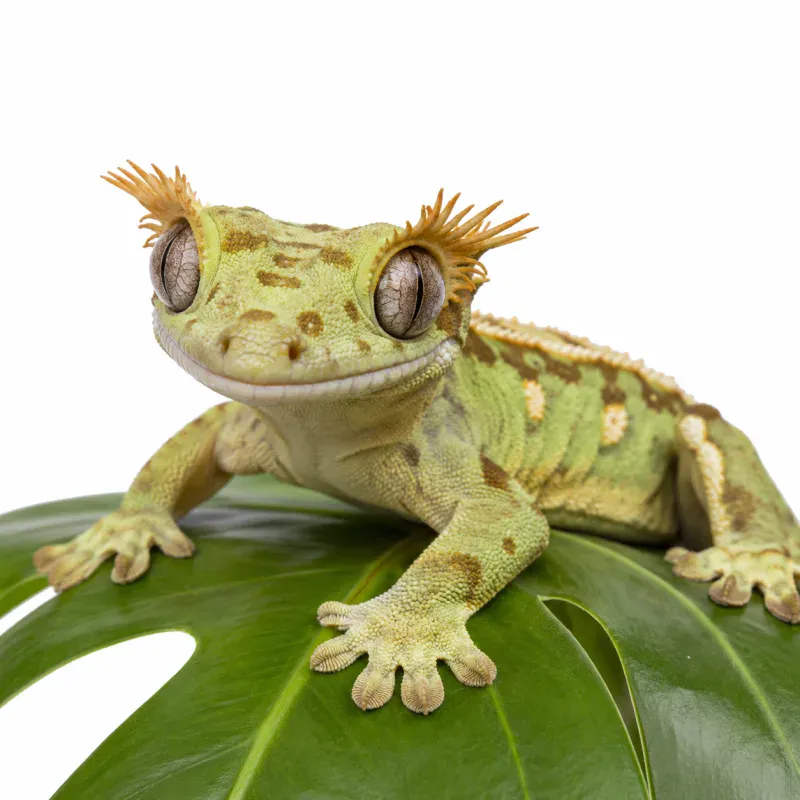
\\\\nCrested geckos (Correlophus ciliatus) have millions of microscopic hair-like structures called setae on their toe pads. These setae use van der Waals forces—weak intermolecular attractions—to adhere to surfaces. For this to work, both the toe pads and the surface must be clean and slightly moist. Any dirt, oil, or dryness reduces the contact area and weakens adhesion.
\\n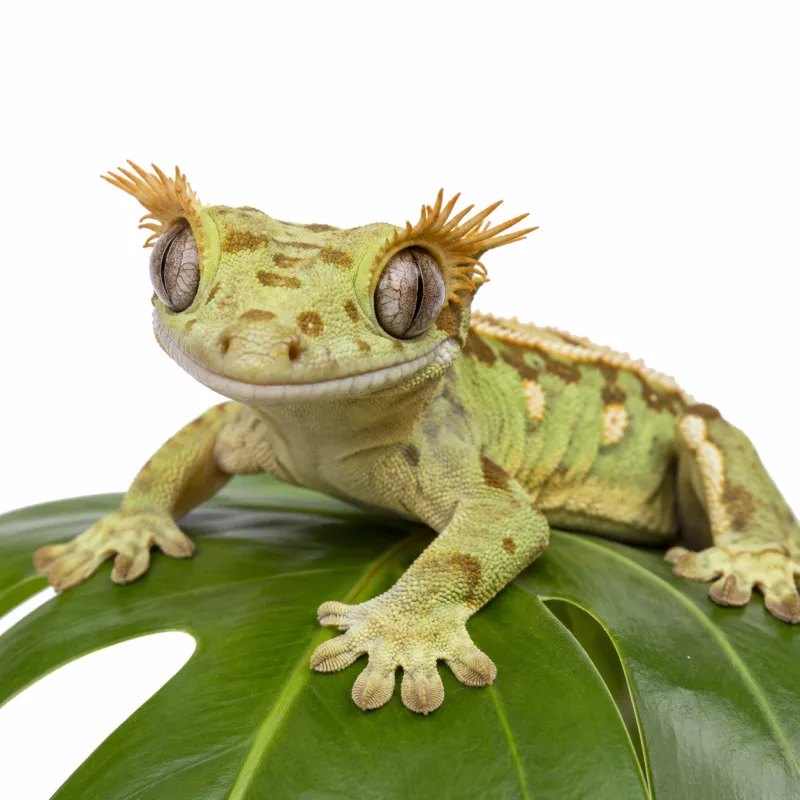
Understanding this mechanism is key to troubleshooting why your gecko might be slipping. The good news? Most causes are simple and fixable with proper husbandry.
\\\\n\\\\nCause 1: Dirty Glass
\\\\nHard water spots, dust, biofilm, and residue from handling can build up on glass and interfere with setae contact. If your gecko's feet are slipping on the glass walls but it can still climb on rougher surfaces, dirty glass is the most likely culprit.
\\\\nHow to Fix Dirty Glass
\\\\n- \\\\n
- Empty the enclosure of any loose substrate that could scratch the glass. \\\\n
- Use a clean microfiber cloth dampened with plain water to wipe all glass surfaces. \\\\n
- For stubborn spots (hard water, dried urates), mix a 50/50 solution of white vinegar and water. Apply with a cloth, scrub gently, then rinse thoroughly with water. \\\\n
- Avoid glass cleaners like Windex—they leave toxic residues that can be absorbed through the gecko's skin. \\\\n
- Let the glass dry completely before returning your gecko. \\\\n
Prevention: Clean the glass weekly as part of routine maintenance. Use a spray bottle with plain water for spot cleaning between full cleanings.
\\\\n\\\\nCause 2: Shedding Issues
\\\\nDuring shedding, the old skin covers the toe pads, preventing the setae from making contact. This is temporary—once the shed is complete, grip returns. However, if stuck shed remains on the toes (especially around the tiny claws), it can cause permanent grip problems and even constrict blood flow if left untreated.
\\\\nHow to Fix Stuck Shed
\\\\n- \\\\n
- Maintain 60–80% humidity during the shedding period. Mist more frequently or add a humid hide. \\\\n
- If stuck shed is present, prepare a shallow warm soak (lukewarm, not hot) in a small container with dechlorinated water. \\\\n
- Let the gecko soak for 10 minutes to soften the skin. \\\\n
- Gently roll the shed off with a damp cotton swab—never pull or peel forcefully, as this can damage the new skin underneath. \\\\n
- After removal, ensure the toes are clean and dry. If shed remains, repeat the soak the next day. \\\\n
Prevention: Monitor humidity closely during shed cycles, and provide a humid hide (a small container with damp sphagnum moss) to help the process.
\\\\n\\\\nCause 3: Low Humidity
\\\\nSetae function best when hydrated. When humidity drops below 50%, the toe pads dry out and lose adhesion. This is especially common in winter or in enclosures with poor moisture retention.
\\\\nSigns of Low Humidity
\\\\n- \\\\n
- Flaky or dry skin \\\\n
- Stuck shed on toes or body \\\\n
- Curled toes (as if trying to grip but failing) \\\\n
- Spending excessive time in the water dish \\\\n
How to Fix Low Humidity
\\\\n- \\\\n
- Invest in a digital hygrometer (analog ones are often inaccurate). Place it mid-level in the enclosure to get a true reading. \\\\n
- Mist heavily in the evening to achieve 80–90% humidity—the enclosure should look “rained on” with droplets on leaves and glass. \\\\n
- Allow humidity to dry to 50–60% during the day. This cycle mimics natural tropical conditions. \\\\n
- If humidity is still low, consider adding live plants (e.g., pothos, bromeliads) and a bioactive substrate—both retain moisture far better than paper towels. \\\\n
- Use a misting system or spray bottle with dechlorinated water. Avoid over-misting to the point of constant wetness, which can cause respiratory issues. \\\\n
Quick Fixes Summary
\\\\n- \\\\n
- Clean glass with water + microfiber—this is usually the culprit. \\\\n
- Check for stuck shed on toes—remove gently with a damp cotton swab. \\\\n
- Verify humidity with a digital hygrometer—50–60% day, 80% night. \\\\n
- Mist heavily each evening—the enclosure should look “rained on.” \\\\n
- Add live plants for natural humidity and textured climbing surfaces. \\\\n
- If your gecko is otherwise healthy, temporary grip issues are not emergencies. Fix husbandry first. \\\\n
Preventing Future Grip Problems
\\\\nPrevention is always better than cure. Here’s how to keep your gecko sticking strong:
\\\\nWeekly Maintenance
\\\\n- \\\\n
- Clean glass at least once a week with plain water. \\\\n
- Spot-clean any urates or food residue immediately. \\\\n
- Check toes for stuck shed during handling or feeding. \\\\n
Proper Humidity Management
\\\\n- \\\\n
- Use a digital hygrometer and check it daily. \\\\n
- Mist in the evening, not the morning, to allow a natural drying period. \\\\n
- Adjust misting frequency based on season and room temperature. \\\\n
Substrate and Decor
\\\\n- \\\\n
- Choose a substrate that retains moisture—coconut fiber, sphagnum moss, or bioactive mixes. \\\\n
- Add climbing branches, cork bark, and live plants to provide natural, textured surfaces. \\\\n
- Avoid smooth plastic or glass-only setups; geckos prefer natural textures. \\\\n
Troubleshooting: When the Problem Persists
\\\\nIf you’ve cleaned the glass, checked for stuck shed, and fixed humidity, but your gecko still isn’t sticking, consider these additional factors:
\\\\nAge and Shedding Cycle
\\\\nYoung geckos may have less developed setae, and older geckos may naturally lose some grip. Also, if your gecko is about to shed, grip will be poor until the shed is complete.
\\\\nHealth Issues
\\\\nMetabolic bone disease (MBD) can cause weakness and poor grip. If your gecko shows other signs—soft jaw, tremors, bent limbs—consult a reptile vet. Also, check for any injuries or swelling on the toes.
\\\\nEnvironmental Stress
\\\\nStress from handling, too-small enclosures, or temperature extremes can cause temporary grip loss. Ensure temperatures are 72–78°F (22–26°C) and avoid handling during shed.
\\\\n\\\\nComparison of Common Causes
\\\\n| Cause | Key Sign | Quick Fix | Prevention |
|---|---|---|---|
| Dirty glass | Slipping on glass but not on branches | Clean with water + microfiber | Weekly cleaning |
| Stuck shed | Visible shed on toes; toes look tight | Warm soak + cotton swab | Maintain 60–80% humidity during shed |
| Low humidity | Dry skin, flaky, spends time in water dish | Mist to 80–90% at night | Digital hygrometer, live plants |
Common Mistakes to Avoid
\\\\n- \\\\n
- Using glass cleaners—toxic residue can harm your gecko. \\\\n
- Pulling stuck shed—can tear the new skin and cause infection. \\\\n
- Misting only once a day—humidity may drop too low during the day. \\\\n
- Relying on analog hygrometers—they are often inaccurate by 10–20%. \\\\n
- Ignoring the problem for weeks—while not an emergency, chronic grip issues can lead to falls and injuries. \\\\n
Frequently Asked Questions
\\\\nWhy is my crested gecko suddenly not sticking to the glass?
\\\\nSudden grip loss is most often due to dirty glass or low humidity. Clean the glass with water and a microfiber cloth, and check your digital hygrometer—humidity should be 50–60% during the day and 80% at night.
\\\\nCan stuck shed permanently damage my gecko's feet?
\\\\nYes, if stuck shed remains around the toes, it can constrict blood flow and lead to toe loss or permanent grip issues. Remove stuck shed gently with a damp cotton swab after a short warm soak.
\\\\nIs it normal for a crested gecko to lose grip during shedding?
\\\\nYes, during shedding, the old skin covers the toe pads, temporarily reducing adhesion. Once the shed is complete, grip returns. Ensure humidity is 60–80% during shed to help the process.
\\\\nWhat should I do if my gecko still isn't sticking after trying all fixes?
\\\\nIf you've cleaned the glass, removed stuck shed, and corrected humidity, but the problem persists, consider health issues like metabolic bone disease or consult a reptile veterinarian. Also check for injuries or stress factors in the enclosure.
\\\\n\\\\nRelated Reading
\\\\n- \\\\n
- Crested Gecko Care Guide: Complete Setup & Feeding — Learn the essentials of crested gecko care, including habitat setup and feeding basics. \\\\n
- Crested Gecko Handling & Taming Guide: Build Trust — Discover safe handling techniques and tips to build trust with your crested gecko. \\\\n
- Crested Gecko Temperature & Lighting Guide — Understand optimal temperature and lighting conditions to keep your gecko healthy and active. \\\\n
- Crested Gecko Bioactive Vivarium Guide — Explore how to create a natural bioactive vivarium that supports your gecko's well-being. \\\\n
- Crested Gecko Diet Guide: CGD Rotation & Insects — Get feeding schedules and diet variety tips to ensure your gecko gets proper nutrition. \\\\n
Check optimal temps, calculate feeding, and find your perfect species match.
References
- Autumn, K. (2006). How Gecko Toes Stick. American Scientist.
- de Groot, P. (2015). Crested Gecko Care Guide. Reptile Publications.
- McKeown, S. (2017). The Crested Gecko Manual. Advanced Vivarium Systems.
🐾 Join the Community
See how other keepers set up their enclosures, ask questions, and share your experience.
🛠️ Apply What You Learned
Check optimal temps, calculate feeding schedules, and get calcium dosage — all personalized for your species.
Comments