Crested Gecko Breeding: From Eggs to Hatchlings
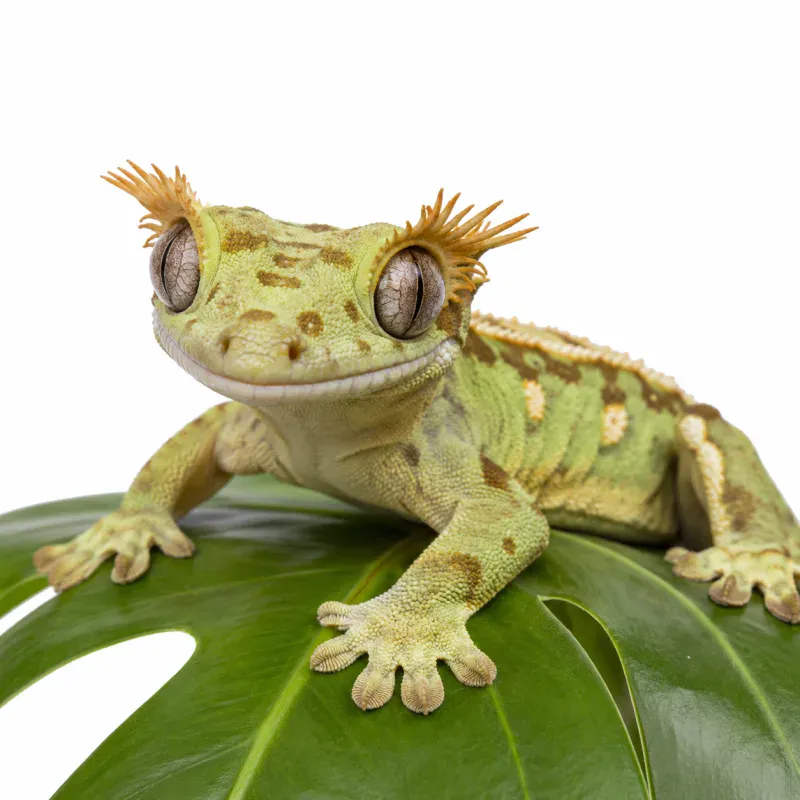
Introduction
Breeding crested geckos (Correlophus ciliatus) is a rewarding endeavor that demands careful planning, proper husbandry, and a solid understanding of genetics. Whether you're a beginner looking to produce your first clutch or an experienced breeder aiming for specific morphs, this guide provides evidence-based, actionable advice to maximize success. From pairing adults to caring for hatchlings and navigating morph genetics, you'll find everything you need under one roof.
This expanded guide will walk you through each stage of the breeding process, common pitfalls, and expert tips to help you raise healthy, thriving geckos. We'll also cover the importance of record-keeping and how to troubleshoot problems like egg binding or poor hatch rates.
Pairing and Conditioning
Successful breeding starts with healthy, mature geckos. Females should be at least 30–35 grams (typically 18–24 months old) and males 25–30 grams (12–18 months). Underweight or young females may develop egg-binding or calcium depletion.
Pre-breeding Conditioning
- Provide a balanced diet of a high-quality crested gecko diet (e.g., Repashy, Pangea) with weekly calcium + D3 supplementation.
- Maintain a temperature gradient of 72–78°F (22–25°C) — avoid prolonged heat above 80°F (27°C).
- Simulate a mild cooling period (68–70°F for 4–6 weeks) to trigger breeding behavior.
- Ensure females have ample body fat reserves but are not obese.
Conditioning is not just about weight; it's about overall health. A female that is too thin may not produce viable eggs, while an obese female may have difficulty laying. Aim for a body condition score where the spine and ribs are not visible but can be felt with light pressure.
During the cooling period, reduce feeding slightly but continue to offer water and calcium. After the cooling period, gradually increase temperatures and food availability to signal the start of the breeding season.
Introducing the Pair
Introduce the male into the female's enclosure for 24–48 hours. Monitor for aggression; if the female shows stress (hissing, tail wagging, biting), separate immediately. Successful mating often occurs overnight. After removal, provide the female with extra food and calcium.
Some breeders prefer to introduce the male multiple times over a few days to ensure successful copulation. Always supervise the first introduction, as some males may be overly aggressive. If the female is not receptive, she may drop her tail (tail loss is a stress response) — this is a sign to separate and try again later.
After successful mating, the female may retain sperm for several clutches, so you might see eggs even if you don't re-introduce the male.
Egg Laying and Incubation
After mating, females develop eggs visible as a pinkish bulge in the lower abdomen. Provide a lay box filled with damp sphagnum moss or vermiculite (moist but not wet). Eggs are typically laid 30–45 days post-mating.
Setting Up the Lay Box
The lay box should be large enough for the female to turn around comfortably. Use a plastic container with a lid, cut an entrance hole, and fill it with moist substrate. The substrate should hold its shape when squeezed but not drip water. Place the lay box in the enclosure about two weeks after mating to give the female time to get used to it.
Check the lay box daily for eggs. Some females may dig and bury the eggs, so gently sift through the substrate if you don't see them on the surface.
Incubation Parameters
| Parameter | Optimal Range |
|---|---|
| Temperature | 72–78°F (22–25°C) |
| Humidity | 80–90% |
| Incubation Medium | Vermiculite or perlite (1:1 water by weight) |
| Incubation Period | 60–90 days |
Mark eggs with a soft pencil to maintain orientation (do not rotate). Place in a ventilated deli cup with moist medium. Check weekly for mold; discard any rotten eggs. Hatchlings emerge using an egg tooth and may rest for 24 hours before feeding.
Temperature affects not only the development rate but also the sex of the hatchlings in some gecko species. However, crested geckos do not exhibit temperature-dependent sex determination (TSD) — their sex is determined genetically. Still, consistent temperatures are crucial for proper development.
If you notice eggs collapsing or developing mold, they may be infertile or damaged. Remove them to prevent contamination of healthy eggs. Use a flashlight to candle the eggs after a few weeks — you should see a pinkish embryo with blood vessels if they are fertile.
Step-by-Step Egg Handling and Candling
Proper egg handling from the moment you discover them is critical to embryo survival. Follow these steps to maximize hatch rates:
- Gently uncover the eggs — Use a soft brush or your fingers to carefully remove substrate. Avoid touching the eggs with bare hands; the oils from your skin can transfer bacteria. Wear clean gloves or rinse your hands thoroughly.
- Mark the top — Using a soft pencil, draw a small dot or line on the top of each egg. This preserves the original orientation; rotating eggs can kill the embryo.
- Prepare the incubation container — Use a clean deli cup with small ventilation holes. Fill it with moist vermiculite or perlite (mixed 1:1 with water by weight). Create a small depression in the medium and place the eggs gently, keeping the marked side up.
- Seal and label — Close the lid and write the date and parent pair on the cup. Place the cup in an incubator set to 72–78°F (22–25°C).
- Candle after 2–3 weeks — In a dark room, shine a bright flashlight through the egg. Fertile eggs will show a pinkish embryo with visible blood vessels. Infertile eggs appear clear or yellow and may collapse. Discard infertile eggs to prevent mold.
Candling is a skill that improves with practice. If you are unsure, compare with a known fertile egg or consult an experienced breeder. Handle eggs as little as possible during incubation.
Hatchling Care
Newly hatched geckos are delicate. Move them to a small enclosure (6-quart tub or 10-gallon tank) with paper towels, a shallow water dish, and a humid hide.
Feeding Hatchlings
- Offer a thin layer of crested gecko diet daily (mixed 2:1 water to powder).
- Dust with calcium (no D3) once a week.
- Do not feed live insects until they are 6–8 weeks old and eating well.
Hatchlings may not eat for the first 24–48 hours as they absorb yolk. After that, offer small amounts of food on a small dish or a bottle cap. Some breeders use a syringe to drip a tiny amount of food onto the gecko's nose to encourage feeding.
Ensure the enclosure has proper ventilation to prevent respiratory issues. Paper towels are ideal for monitoring droppings and cleanliness. Mist the enclosure lightly once or twice daily to maintain humidity, but avoid soaking the substrate.
Growth Milestones
Hatchlings gain 1–2 grams per week. At 5–7 grams, they can be moved to a larger enclosure. Sexing is possible at 3–4 months (males show hemipenal bulges).
Monitor growth regularly; if a hatchling is not gaining weight, check for signs of illness or stress. Some hatchlings may be picky eaters — try different flavors of crested gecko diet or offer a dab of honey mixed with the diet to stimulate appetite.
By 6 months, most geckos will be eating well and can be transitioned to a more varied diet. Continue calcium supplementation, but reduce frequency to once every two weeks once they are over 10 grams.
Hatchling Feeding Schedule and Growth Tracking
Consistency is key when feeding hatchlings. Use the schedule below as a template, adjusting based on individual appetite and growth.
| Age | Feeding Frequency | Calcium Supplementation | Expected Weight |
|---|---|---|---|
| 0–2 weeks | Daily (small amount) | None (yolk provides initial nutrition) | 2–4 grams |
| 2–6 weeks | Daily | Calcium (no D3) once a week | 4–8 grams |
| 6–12 weeks | Every other day | Calcium (no D3) once a week | 8–15 grams |
| 3–6 months | Every 2–3 days | Calcium (no D3) every two weeks | 15–30 grams |
Track weights weekly using a digital scale. A steady gain of 1–2 grams per week is normal. If a hatchling loses weight or fails to gain for two consecutive weeks, examine the enclosure temperature, humidity, and food intake. Try offering a different flavor of diet or a dab of honey to stimulate appetite. Consult a veterinarian if issues persist.
Morph Genetics
Crested gecko morphs are determined by multiple genes. Key terms include:
- Patternless: Solid color, no pattern.
- Harlequin: High-contrast pattern with large patches.
- Pinstripe: White or yellow stripes along the dorsal ridge.
- Dalmation: Black or white spots over the body.
- Lilly White: White patches (often on sides/back).
Inheritance Basics
Most morphs are polygenic — they don't follow simple Mendelian rules. However, some traits (e.g., axanthic, red-based) are recessive. Breed two known carriers to produce visual morphs. Keep detailed records of pairings and offspring to track genetics.
Polygenic traits can vary widely even within the same clutch. For example, a Harlequin x Pinstripe pairing may produce offspring with varying degrees of pattern and color. This is part of the excitement of breeding cresties — you never know exactly what you'll get.
Some specific morphs have known inheritance patterns:
- Axanthic (lacking yellow pigment) — recessive.
- Lilly White — polygenic but often shows a distinct pattern.
- Red-based — polygenic, but some lines show simple inheritance.
Always research the lineage of your geckos before breeding to avoid producing unwanted traits or health issues.
Morph Comparison Table
Use this quick-reference table to compare common morphs and their key features:
| Morph | Distinctive Features | Inheritance | Breeding Notes |
|---|---|---|---|
| Patternless | Solid color, no pattern | Polygenic | Often used to enhance color in other morphs |
| Harlequin | High-contrast patches, often cream/white | Polygenic | Variable expression; select for desired contrast |
| Pinstripe | White/yellow stripes along dorsal ridge | Polygenic | Lines may breed true with selection |
| Dalmatian | Black or white spots over body | Polygenic | Spot density varies; select for more spots |
| Lilly White | White patches on sides/back | Polygenic | Often appears with other morphs |
| Axanthic | Lacks yellow pigment | Recessive | Breed two carriers to produce visual offspring |
This table summarizes information from the section above. Always keep detailed records of your pairings and offspring to refine your breeding program over time.
Common Health Issues
Breeding geckos face specific health risks:
- Egg Binding (Dystocia): Caused by calcium deficiency or oversized eggs. Symptoms: straining, lethargy. Treatment: warm soak, vet-administered oxytocin.
- Calcium Deficiency: Soft eggs, tremors. Prevent with supplementation.
- Mites: Check new geckos and enclosures regularly.
- Infections: Keep enclosures clean; quarantine new animals for 30 days.
Egg binding is a medical emergency. If you suspect your female is egg-bound, provide a warm (80°F) soak in shallow water and gently massage her abdomen. If she doesn't lay within 24 hours, seek veterinary help immediately. Surgery may be required in severe cases.
Calcium deficiency can also lead to metabolic bone disease (MBD), which is irreversible. Always dust food appropriately and provide a calcium dish (without D3) in the enclosure.
Mites can be treated with reptile-safe products, but prevention is key — quarantine new arrivals and inspect them under a bright light.
Pitfalls to Avoid
- Breeding too early: Wait until females are ≥30 grams to prevent complications.
- Overheating eggs: Temperatures above 80°F cause deformities or death.
- Neglecting calcium: Always supplement during egg production.
- Incorrect sexing: Males have visible hemipenal bulges at 3–4 months; females do not.
- Poor record-keeping: Track pairings, egg dates, and morphs for genetic planning.
Other common mistakes include:
- Not providing a lay box: Without a suitable lay box, females may become egg-bound.
- Incubating eggs in the same orientation: Rotating eggs can kill the embryo.
- Feeding insects too early: Hatchlings may choke or develop digestive issues.
- Ignoring humidity: Low humidity can cause shedding problems and egg desiccation.
Always research before breeding a new line, and consult with experienced breeders if you're unsure about anything.
Step-by-Step Breeding Timeline
Months 1–2: Conditioning
Start the cooling period (68–70°F) for 4–6 weeks. Reduce feeding slightly. Ensure both geckos are healthy and at target weights.
Months 3–4: Pairing
After cooling, gradually raise temps to 72–78°F. Introduce the male for 24–48 hours. Monitor behavior. Repeat introductions every few days until mating is observed.
Months 5–6: Egg Laying
Provide a lay box. Expect eggs 30–45 days after mating. Carefully remove eggs and set up incubation.
Months 7–9: Incubation
Incubate at 72–78°F, 80–90% humidity. Check weekly for mold or desiccation. Expect hatching at 60–90 days.
Months 10–12: Hatchling Care
Move hatchlings to small enclosures. Feed daily, supplement weekly. Monitor growth and sex at 3–4 months.
Seasonal Care and Breeding Cycles
Understanding the natural seasonal rhythms of crested geckos helps you align your breeding efforts for optimal success. In the wild, crested geckos breed during the cooler, wetter months, typically from November to April in the Southern Hemisphere. In captivity, we can simulate these conditions to trigger breeding.
Cooling Period (Winter)
During the cooling period (68–70°F for 4–6 weeks), reduce feeding slightly but continue to provide water and calcium. This mimics the natural winter slowdown and helps trigger reproductive behavior. Some breeders also reduce daylight hours to 8–10 hours during this period.
Spring and Summer
After the cooling period, gradually increase temperatures to 72–78°F and extend daylight to 12–14 hours. This signals the start of the breeding season. Females will begin to develop eggs, and you should introduce the male. Expect multiple clutches through the warmer months.
Autumn
As temperatures naturally drop, breeding activity will taper off. This is a good time to give your females a rest and allow them to regain body condition. Perform a health check and adjust feeding accordingly.
By mimicking natural seasonal changes, you not only improve breeding success but also promote overall health and longevity in your geckos.
Troubleshooting Common Problems
Eggs Not Hatching
If eggs are past 90 days and not hatching, check temperature and humidity. Sometimes eggs need a slight temperature drop to trigger hatching. Also, check for deformities or dead embryos via candling.
Hatchlings Not Eating
Some hatchlings are slow to start. Try offering a small drop of diet on their nose. If they still refuse, try a different flavor or mix in a tiny bit of honey.
Female Not Laying
If the female is visibly gravid but not laying, check the lay box — it may be too dry or not deep enough. Provide a warm soak to help stimulate laying.
Mold on Eggs
Mold can spread quickly. Remove moldy eggs immediately and increase ventilation in the incubator. Ensure the medium isn't too wet.
Cost Breakdown for Breeding Setup
Breeding crested geckos involves upfront and ongoing costs. Here's a rough breakdown to help you budget:
| Item | Estimated Cost (USD) | Notes |
|---|---|---|
| Breeding pair | $150–$500+ | Depends on morph and lineage |
| Enclosures (2–3) | $100–$300 | Glass tanks or plastic tubs |
| Incubator | $50–$200 | Wine cooler or dedicated reptile incubator |
| Incubation supplies (cups, vermiculite) | $20–$50 | Reusable |
| Lay box materials | $10–$30 | Plastic container, sphagnum moss |
| Crested gecko diet (annual) | $100–$200 | Depends on number of animals |
| Calcium supplements (annual) | $20–$40 | Calcium + D3 and calcium without D3 |
| Veterinary emergency fund | $100–$300 | For egg binding or other issues |
These are estimates and can vary widely based on your location and choices. Breeding can be profitable if you sell hatchlings, but always prioritize animal welfare over profit. Keep detailed records of expenses to track your return on investment.
Frequently Asked Questions
When is the best time to breed crested geckos?
The best time is after a cooling period of 4–6 weeks at 68–70°F, typically during the cooler months. This mimics their natural breeding season and helps trigger reproductive behavior.
How many eggs does a crested gecko lay per clutch?
A female typically lays two eggs per clutch, though sometimes only one. She can lay multiple clutches (up to 6–8) per season, especially if she retains sperm.
Can I incubate crested gecko eggs at room temperature?
Yes, as long as the room temperature stays within 72–78°F (22–25°C). Avoid fluctuations above 80°F, as this can cause deformities or death.
How do I know if my crested gecko eggs are fertile?
After 2–3 weeks of incubation, candle the eggs (shine a bright light through them). Fertile eggs will show a pinkish embryo with blood vessels. Infertile eggs will appear clear or yellow and may collapse.
How long does it take for crested gecko eggs to hatch?
Incubation typically takes 60–90 days at 72–78°F. If eggs go past 90 days, check temperature and humidity; a slight temperature drop may trigger hatching.
What should I do if my female is egg-bound?
Egg binding is a medical emergency. Provide a warm (80°F) soak in shallow water and gently massage her abdomen. If she doesn't lay within 24 hours, seek veterinary help immediately.
Can crested geckos change sex based on temperature?
No, crested geckos do not exhibit temperature-dependent sex determination (TSD). Their sex is determined genetically, not by incubation temperature.
How often should I feed hatchlings?
Hatchlings should be offered food daily for the first few months. Use a thin layer of crested gecko diet mixed 2:1 water to powder. After 6 months, you can reduce feeding to every 2–3 days.
Conclusion
Breeding crested geckos is a fascinating journey that combines science, patience, and passion. By following the guidelines for pairing, incubation, hatchling care, and genetics, you can produce healthy offspring and contribute to the captive population. Remember: always prioritize the well-being of your animals over production goals. Happy breeding!
Related Reading
- Crested Gecko Care Guide: Complete Setup & Feeding
- Why Is My Crested Gecko Not Sticking to Glass?
- Crested Gecko Morph Guide: Harlequin, Dalmatian, Fla...
- Complete Crested Gecko Diet & Feeding Guide: CGD Rot...
- Crested Gecko Temperature and Lighting Guide: Optima...
- Crested Gecko Handling and Taming Guide: Building Tr...
Check optimal temps, calculate feeding, and find your perfect species match.
References
- de Vosjoli, P. (2005). The Herpetoculture of the Crested Gecko. Advanced Vivarium Systems.
- Repashy, A. (2010). Crested Gecko Diet and Breeding. Repashy Ventures.
- Russell, A. (2018). Crested Gecko Care and Breeding. Reptile Publications.
🐾 Join the Community
See how other keepers set up their enclosures, ask questions, and share your experience.
🛠️ Apply What You Learned
Check optimal temps, calculate feeding schedules, and get calcium dosage — all personalized for your species.
Comments