Ball Python Handling & Taming Guide
Understanding Ball Python Temperament
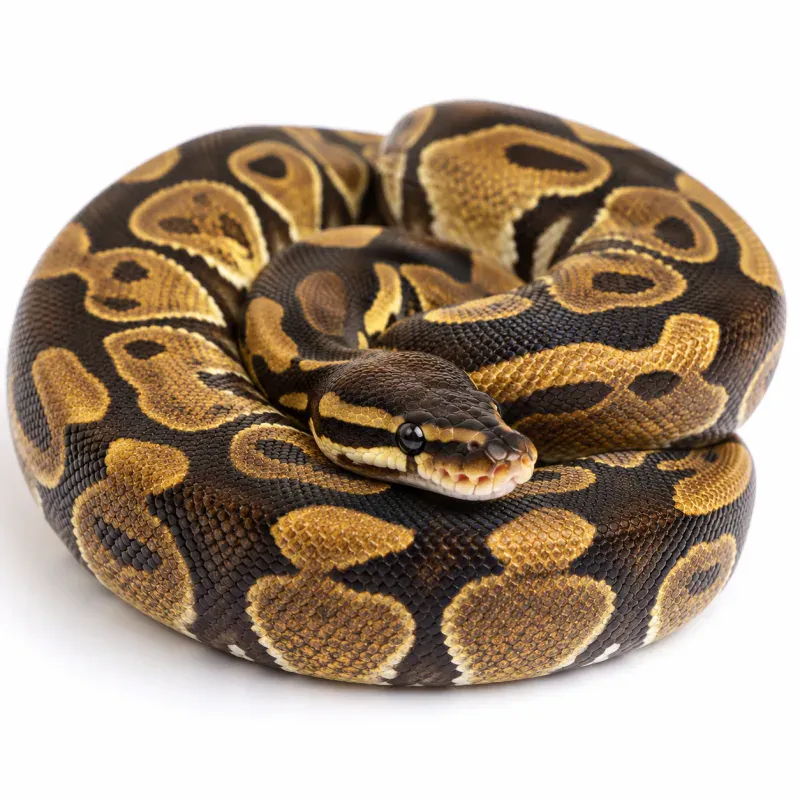
Ball pythons (Python regius) are known for their docile, shy nature. In the wild, they curl into a tight ball when threatened—hence the name. Captive-bred ball pythons are generally calm, but they can be nervous, especially as juveniles. Understanding their baseline behavior is the first step to successful handling. A stressed snake may refuse food, hide excessively, or display defensive postures. With patience and proper technique, most ball pythons become reliably handleable pets.
Ball pythons are solitary ambush predators. In captivity, they thrive on routine and predictability. Their temperament is influenced by genetics, early handling, and environment. A snake that has been handled gently from a young age is often more tolerant. However, even a well-socialized adult may have off days—especially during shedding, breeding season, or after a large meal. Recognizing these natural cycles helps you adjust your handling schedule accordingly.
It's important to note that a ball python's "shy" behavior is not aggression. Hissing, striking, or balling up are defensive responses to perceived threats. In the wild, these behaviors help them avoid predators. In captivity, they are signals that the snake feels unsafe. By learning to read these signals and responding calmly, you build trust and reduce stress.
Reading Body Language: Defensive vs. Relaxed
Learning to interpret your ball python’s body language is essential for safe, stress-free handling. A relaxed snake will have a loose, S-shaped neck, slow tongue flicks, and a calm, steady breathing pattern. It may explore its enclosure or your hands with curiosity. A defensive snake, on the other hand, will tense up, flatten its body, hiss, or strike. The classic defensive ball is a tight coil with the head hidden. A snake that is “periscoping” (raising its head and neck vertically) is curious, not aggressive. Always approach your snake from the side, never from above (which mimics a predator). If your snake is balled up or hissing, give it space—do not force handling.
Detailed Body Language Cues
| Cue | Meaning | Recommended Action |
|---|---|---|
| Loose S-curve neck | Relaxed, curious | Proceed with gentle handling |
| Slow tongue flicks | Exploring, calm | Allow snake to investigate |
| Rapid tongue flicks | Heightened awareness | Move slowly, avoid sudden moves |
| Periscoping (head raised) | Curiosity | Safe to approach slowly |
| Tight coil with head hidden | Defensive, stressed | Stop handling, give space |
| Hissing | Warning, defensive | Do not handle; leave alone |
| Flattened body | Extreme stress or fear | Remove stimulus, wait |
| Striking (closed mouth) | False strike – warning | Stop, reassess situation |
| Striking (open mouth) | Defensive bite | Do not handle; wait 24h |
Remember that body language is context-dependent. A snake that is relaxed in its enclosure may become defensive when moved to a new environment. Always give your snake time to acclimate to any change before attempting handling.
Building Trust: The Foundation of Handling
Trust is built through consistent, positive interactions. Start by simply spending time near the enclosure so your snake becomes accustomed to your presence. After a few days, open the enclosure and place your hand inside for 5–10 minutes daily, letting the snake investigate you without picking it up. This is called “hand-in-enclosure” time. Once your snake voluntarily crawls over your hand, you can begin gentle lifting. Support at least two-thirds of the snake’s body—never dangle or squeeze. Use slow, deliberate movements. Avoid handling within 48 hours after feeding (to prevent regurgitation) or during shedding. Trust takes weeks to months, but the reward is a calm, confident snake.
Step-by-Step Trust-Building Timeline
- Week 1–2: Acclimation. Do not handle at all. Allow your new snake to settle into its enclosure. Provide hides, proper temperature, and minimal disturbance. Observe from a distance.
- Week 3–4: Presence. Sit near the enclosure for 15–20 minutes daily. Talk softly. Let the snake see you without feeling threatened.
- Week 5–6: Hand-in-enclosure. Place your hand inside for 5–10 minutes daily. Keep it still. Let the snake come to you. Do not chase or grab.
- Week 7–8: First lifting. When the snake voluntarily climbs onto your hand, gently lift it while supporting the body. Keep sessions short (5 minutes).
- Ongoing: Gradual increase. Slowly extend session duration to 10–15 minutes, 2–4 times per week, as the snake shows comfort.
If your snake regresses (e.g., starts hissing or balling up), take a step back. Revert to hand-in-enclosure for a few days. Trust is not linear—it requires patience.
Hook Training: A Gentle Introduction
Hook training is a valuable technique for snakes that are nervous or have been mishandled. A snake hook (a long, blunt-ended tool) signals that handling is about to occur, separating the “touch” from the “hand.” Gently touch the snake’s mid-body with the hook before lifting. Hold the snake with the hook for a few seconds, then place it back. Over several sessions, the snake will associate the hook with neutral or positive experiences (like exploring a new area). Hook training is especially useful for larger or defensive individuals, and it can prevent accidental bites. Always use a clean, dedicated hook—never a tool used for cleaning or feeding.
How to Hook Train: Step-by-Step
- Choose the right hook. A hook with a smooth, blunt end, about 24–36 inches long. Ensure it is clean and used only for handling.
- Introduce the hook. Place the hook near the enclosure for a few days so the snake becomes familiar with its sight and scent.
- Gentle touch. During a calm period, gently touch the snake's mid-body with the hook. Do not lift yet. Repeat for 2–3 minutes daily.
- Lift with the hook. Once the snake is comfortable with the touch, use the hook to lift the snake a few inches off the ground. Hold for a few seconds, then lower it back.
- Transition to hands. After a week of hook lifting, place your hand under the snake while it is on the hook, then remove the hook. This bridges the association.
- Positive reinforcement. After each session, return the snake to its enclosure and offer a small treat (if feeding schedule allows) or simply leave it alone.
Hook training does not replace handling—it is a tool to make handling safer. Even after your snake is calm, you can use the hook as a cue for handling time, which reduces startle responses.
Handling Frequency and Duration
For a well-adjusted ball python, handling 2–4 times per week for 10–15 minutes per session is ideal. Juveniles may need shorter, more frequent sessions (5–10 minutes every other day) to build confidence. Never handle a snake that is actively stressed (hissing, balled up, striking). Overhandling can lead to chronic stress, which suppresses appetite and immunity. If your snake is a picky eater, reduce handling frequency until feeding is consistent. Always wash your hands before handling to remove any food scents (which can trigger a feeding response). After handling, return the snake to its enclosure and leave it undisturbed for at least 24 hours.
Handling Schedule by Age
| Age | Frequency | Duration | Notes |
|---|---|---|---|
| Juvenile (under 1 year) | 3–4 times/week | 5–10 minutes | Shorter sessions to avoid stress; every other day |
| Adult (1–3 years) | 2–3 times/week | 10–15 minutes | Adjust based on temperament |
| Senior (3+ years) | 1–2 times/week | 10–15 minutes | May need less handling; respect individual preference |
Always skip handling if the snake is in shed (blue phase), after feeding (48–72 hours), or if it shows signs of illness. A healthy handling routine is flexible and responsive to the snake's needs.
What to Do If Bitten
Ball python bites are rarely serious—they have small, needle-like teeth designed to hold prey, not tear flesh. If bitten, stay calm. The snake will likely release on its own within a few seconds. If it holds on, do not pull away (this can tear skin). Instead, run cool water over the snake’s head or gently pour a drop of vinegar near its mouth to encourage release. Clean the wound with soap and water, apply an antiseptic, and cover with a bandage. Ball python bites rarely require medical attention unless signs of infection develop. Use the bite as a learning opportunity: assess what triggered it (e.g., food scent, sudden movement, handling during shed). Most bites are defensive, not aggressive.
Step-by-Step Bite Response
- Stay calm. Do not panic or jerk away.
- Allow the snake to release naturally (usually within seconds). If not, gently run cool water over its head or use a drop of vinegar near the mouth.
- Once released, place the snake back in its enclosure.
- Wash the wound with soap and warm water for at least 20 seconds.
- Apply an antiseptic (e.g., hydrogen peroxide or rubbing alcohol) and cover with a sterile bandage.
- Monitor for redness, swelling, or discharge over the next 48 hours. If signs of infection appear, seek medical attention.
- Reflect on the trigger: Was the snake in shed? Did you smell like food? Did you move too quickly? Adjust future handling accordingly.
Remember: a bite is a communication. It means the snake felt threatened. By learning from it, you strengthen your handling skills.
Taming & Socialization Tips for a Well-Adjusted Snake
Socialization means exposing your snake to a variety of safe, positive experiences. After your snake is comfortable with handling, introduce it to new environments: a different room, a soft blanket, or a supervised exploration of a snake-proofed area (e.g., a bathtub with no water). Always supervise closely and keep sessions short (5–10 minutes). Avoid loud noises, sudden movements, or other pets. You can also introduce your snake to trusted friends or family members (one at a time) to build tolerance. A well-socialized ball python is less likely to be stressed during vet visits or travel. Remember: every snake is an individual—some will always be shy, and that’s okay. Respect their limits.
Safe Socialization Activities
- New room exploration: Let the snake explore a quiet room while you supervise. Ensure no gaps or escape routes.
- Soft blanket time: Place a clean blanket on the floor, let the snake slither over it. This provides novel texture.
- Bathtub exploration: A dry, clean bathtub is a safe, contained area for exploration. Add a towel for grip.
- Introducing new people: Have one person sit calmly while the snake is held. Let the snake approach the person's hand if it chooses.
- Outdoor (supervised): Only in warm weather (75–85°F) and in a secure, shaded area. Never leave unattended.
Socialization should be gradual. Watch for signs of stress (hissing, balling) and end the session immediately if they occur. Positive experiences build a confident snake.
Common Mistakes and How to Avoid Them
Mistake 1: Handling too soon after bringing the snake home. Wait at least 1–2 weeks for acclimation. Mistake 2: Handling during shed or after feeding. This causes stress and health risks. Mistake 3: Grabbing the snake from above or by the tail. Always support the body. Mistake 4: Overhandling. Less is often more—quality over quantity. Mistake 5: Ignoring body language. A defensive snake is telling you “no.” Mistake 6: Using the same hand that smells like prey (e.g., after handling rodents). Always wash hands. By avoiding these pitfalls, you’ll build a trusting, lifelong bond with your ball python.
Detailed Mistake Analysis
| Mistake | Why It's Harmful | Solution |
|---|---|---|
| Handling too soon | New environment is stressful; handling increases stress and can cause refusal to eat | Wait 1–2 weeks after purchase/adoption |
| Handling during shed | Snake is vulnerable and stressed; eyes are cloudy; skin is sensitive | Wait until shed is complete |
| Handling after feeding | Risk of regurgitation, which is dangerous and stressful | Wait 48–72 hours after feeding |
| Grabbing from above | Mimics predator attack; triggers defensive response | Approach from the side, scoop from below |
| Grabbing by tail | Can injure the spine; causes panic | Support at least two-thirds of the body |
| Overhandling | Chronic stress suppresses appetite and immune system | Stick to 2–4 sessions/week, 10–15 minutes |
| Ignoring body language | Forces handling on a stressed snake, eroding trust | Learn and respect cues |
| Hands smell like prey | Triggers feeding response; may cause a bite | Wash hands with scent-free soap before handling |
Avoiding these mistakes will prevent many handling issues and promote a healthy, trusting relationship.
Comparison Table: Handling Techniques
| Technique | Best For | Duration | Key Tip |
|---|---|---|---|
| Hand-in-enclosure | New or shy snakes | 5–10 min/day | Move slowly; let snake approach you |
| Hook training | Nervous or defensive snakes | 2–3 min per session | Use clean hook; associate with positive experiences |
| Gentle lifting | Handling sessions | 10–15 min | Support 2/3 of body; avoid dangling |
| Environmental exploration | Socialization | 5–10 min | Supervise; snake-proof area |
Troubleshooting Common Handling Issues
Snake Hisses Every Time You Approach
This is a sign of stress or fear. It may be due to a recent change (new enclosure, loud noises) or a natural shy temperament. Solution: Slow down. Spend more time near the enclosure without interacting. Use hook training to desensitize. Ensure the enclosure has plenty of hides and is in a quiet area. If the hissing persists, consult a veterinarian to rule out health issues.
Snake Balls Up and Refuses to Uncoil
This is the classic defensive posture. Do not force it. Leave the snake alone for a few days. Check that temperatures and humidity are correct (88–92°F basking, 75–80°F cool side, 50–60% humidity). Sometimes a snake balls up because it's too cold or feels insecure. Provide more hides (at least two, one on each side). Reattempt handling after the snake has settled.
Snake Strikes at You When Opening the Enclosure
This often happens if the snake is hungry (smelling food) or feels threatened. Always wash hands before opening. Use a hook to gently touch the snake first. If the snake is in feeding mode, do not handle—wait until after it has eaten. If the snake is defensive, give it a few days of rest before attempting again.
Snake Is Too Active During Handling
Some ball pythons are naturally exploratory. This is not a problem—it's curiosity. However, if the snake is moving frantically, it may be stressed. Slow your movements, keep the session short, and return the snake to its enclosure. Over time, the snake will learn that handling is safe and will calm down.
Snake Regurgitates After Handling
This is a serious issue. Regurgitation can be caused by handling too soon after feeding, stress, or improper temperatures. If this happens, do not handle for at least 2 weeks. Ensure temperatures are correct. Consult a veterinarian if it recurs.
Frequently Asked Questions
How long does it take to tame a ball python?
Trust-building typically takes weeks to months. Most ball pythons become reliably handleable within 2–3 months of consistent, gentle handling. However, every snake is an individual—some may take longer, especially if they were previously mishandled.
Can I handle my ball python every day?
It is not recommended to handle daily. For a well-adjusted ball python, handling 2–4 times per week for 10–15 minutes per session is ideal. Overhandling can lead to chronic stress, which suppresses appetite and immunity.
What should I do if my ball python bites me?
Stay calm. The snake will likely release on its own within a few seconds. If it holds on, run cool water over its head or gently pour a drop of vinegar near its mouth. Clean the wound with soap and water, apply antiseptic, and cover with a bandage. Most bites are defensive, not aggressive.
Is hook training necessary for all ball pythons?
No, hook training is a valuable technique for snakes that are nervous or have been mishandled. It is especially useful for larger or defensive individuals. For calm, well-socialized snakes, it may not be necessary, but it can still be a useful cue for handling time.
Related Reading
- Ball Python Care Guide: Husbandry, Feeding & Morphs — Covers full husbandry, feeding basics, and morphs for a complete care overview.
- Ball Python Temperature Guide: Heat Gradient & Thermostat — Learn to set the correct heat gradient and use thermostats for safe handling.
- Ball Python Humidity Guide: Science-Based — Understand humidity levels that keep your ball python healthy and stress-free.
- Ball Python Enclosure Setup: PVC, Glass, and Tub Habitats — Discover best enclosure types and setups that support secure, confident handling.
- Ball Python Feeding Guide: Prey Size, Schedule & Tips — Get feeding schedules and prey sizes to maintain a calm, well-fed snake.
Check optimal temps, calculate feeding, and find your perfect species match.
References
- Barker, D. & Barker, T. (2006). Ball Pythons: The History, Natural History, Care, and Breeding. VPI Library.
- McCurley, K. (2011). The Complete Ball Python: A Comprehensive Guide to Care, Breeding, and Genetic Mutations. Eco Herpetological Publishing.
🐾 Join the Community
See how other keepers set up their enclosures, ask questions, and share your experience.
🛠️ Apply What You Learned
Check optimal temps, calculate feeding schedules, and get calcium dosage — all personalized for your species.
Comments
No account needed — corrections, updates and questions are all welcome. For a full question with photos, the community Q&A is the better place.